
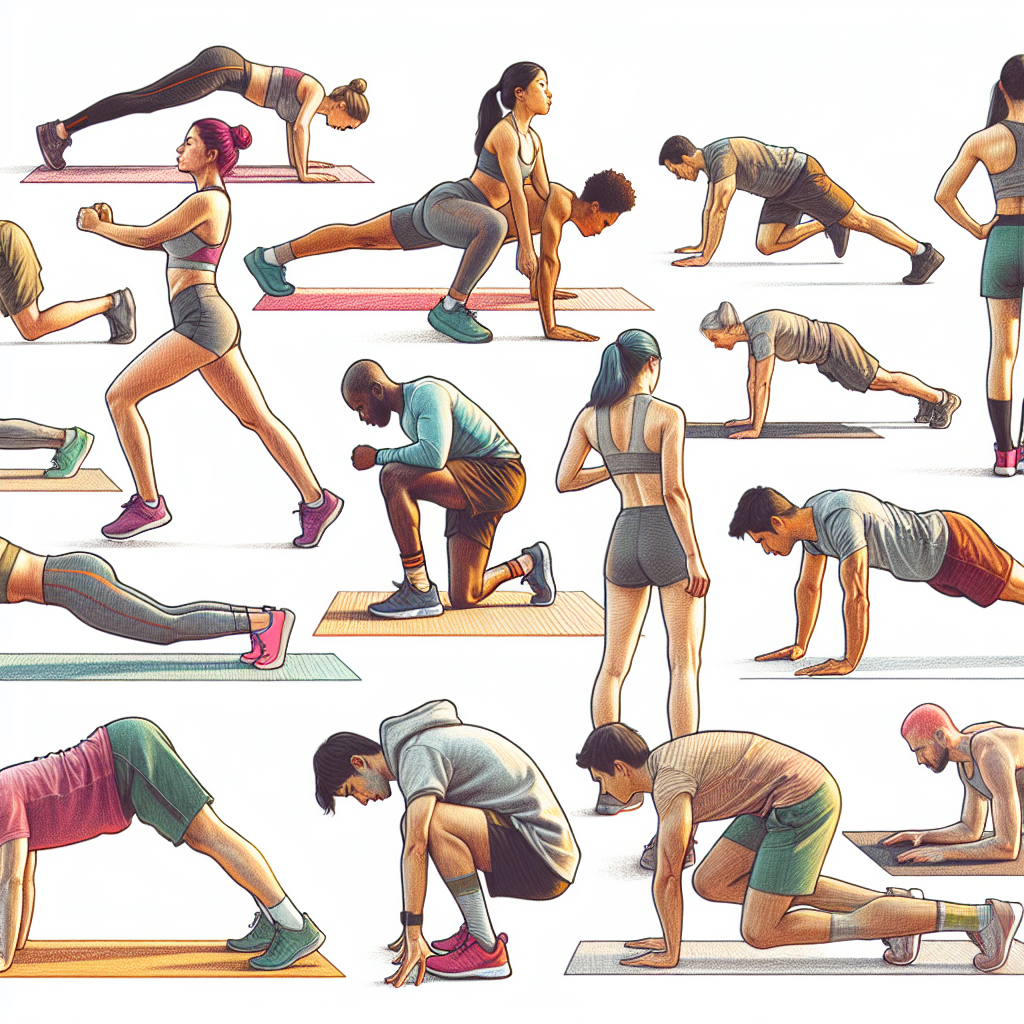
Workouts You Can Do Without Equipment
In today’s fast-paced world, the pursuit of fitness often feels daunting, especially when access to equipment or a gym is limited. Fortunately, bodyweight workouts offer a practical and effective alternative. In this article, we will explore various workouts that can be performed anywhere, with no need for gym equipment, allowing individuals to achieve their fitness goals effectively and efficiently.
- Understanding Bodyweight Workouts
- The Benefits of Equipment-Free Exercises
- Effective Bodyweight Exercises
- How to Create a Simple Routine
- When to Consult a Professional
- Common Myths about Bodyweight Workouts
- Frequently Asked Questions
- Conclusion
Understanding Bodyweight Workouts
Bodyweight workouts utilize the weight of your own body for resistance rather than relying on external equipment. These exercises are versatile and can be easily tailored to suit any fitness level, making them accessible to a wider audience. From beginners to seasoned athletes, anyone can benefit from a structured bodyweight routine.
The Benefits of Equipment-Free Exercises
Engaging in workouts without equipment offers several advantages, including:
- Accessibility: Bodyweight exercises can be performed virtually anywhere, whether at home, in a park, or while traveling.
- Cost-Effective: There are no gym memberships or equipment purchases required.
- Improved Functional Strength: These exercises often mimic everyday movements, enhancing overall strength and stability.
- Flexibility in Routine: Without the need for special equipment or a specific location, individuals can conveniently fit workouts into their schedules.
- Progressive Challenge: Bodyweight exercises can be modified and intensified as one progresses, ensuring continuous improvement.
Effective Bodyweight Exercises
Here are some fundamental exercises you can incorporate into your routine:
- Push-Ups: Strengthen the chest, shoulders, and triceps.
- Squats: Enhance lower body strength, targeting the quadriceps, hamstrings, and glutes.
- Lunges: Develop leg strength and improve balance.
- Plank: Build core strength and stability.
- Burpees: A full-body workout that enhances cardiovascular fitness and strength.
- Mountain Climbers: Combine cardio with core strengthening.
How to Create a Simple Routine
To maximize the benefits of bodyweight workouts, consider the following steps:
- Set Clear Goals: Determine what you want to achieve (e.g., weight loss, muscle gain, increased endurance).
- Choose Your Exercises: Select 4-6 exercises that target different muscle groups.
- Determine Frequency: Aim for at least 3-4 sessions per week.
- Time Your Workouts: Start with short sessions, gradually increasing duration as your fitness improves. You can also participate in a 30-day exercise program where you only exercise for six minutes daily but achieve results akin to frequent gym visits. For more information, visit here.
- Monitor Progress: Keep track of your workouts and gradually increase intensity to ensure continual advancement.
When to Consult a Professional
While bodyweight exercises can be performed by most individuals, there are situations where it is advisable to seek professional guidance:
- If you experience persistent pain or discomfort during exercises.
- Should you have chronic health conditions that might be aggravated by increased physical activity.
- If you are unsure how to perform certain exercises safely to prevent injury.
- When you wish to focus on specific goals that require specialized training.
Common Myths about Bodyweight Workouts
Misconceptions can often deter individuals from trying bodyweight exercises. Here are some prevalent myths debunked:
- Myth 1: Bodyweight workouts are less effective than weighted training.
- Myth 2: These workouts don’t provide cardiovascular benefits.
- Myth 3: Individuals cannot build significant muscle without weights.
- Myth 4: Bodyweight exercises are only suitable for beginners.
Frequently Asked Questions
Can I build muscle with bodyweight exercises?
Yes, bodyweight exercises can effectively build muscle, especially when tailored to include progressive challenges.
How often should I do bodyweight workouts?
Aiming for 3 to 4 sessions per week is typically recommended for optimal results.
Are bodyweight workouts suitable for all fitness levels?
Yes, bodyweight workouts can be modified to suit beginners through advanced practitioners.
How long should each workout session last?
Sessions can be as short as 10 to 30 minutes, depending on the intensity and number of exercises performed.
Can bodyweight workouts help with weight loss?
Yes, when combined with a balanced diet, bodyweight workouts can promote fat loss while preserving muscle mass.
What are some tips for maintaining motivation?
Setting goals, tracking progress, and varying the routine can help sustain motivation and engagement in workouts.
Conclusion
- Bodyweight workouts offer an accessible and effective means to enhance strength and fitness.
- They can be performed anywhere, making them convenient for busy lifestyles.
- Creating a structured routine allows for customized training that aligns with individual goals.
- Seeking professional guidance is crucial if experiencing pain or having underlying health conditions.
- Understanding and debunking myths can empower individuals to explore bodyweight training confidently.
Consider starting your fitness journey today with bodyweight exercises. Remember, a consistent and enjoyable routine is key to maintaining health and wellness in the long run.
Author: John Angel