
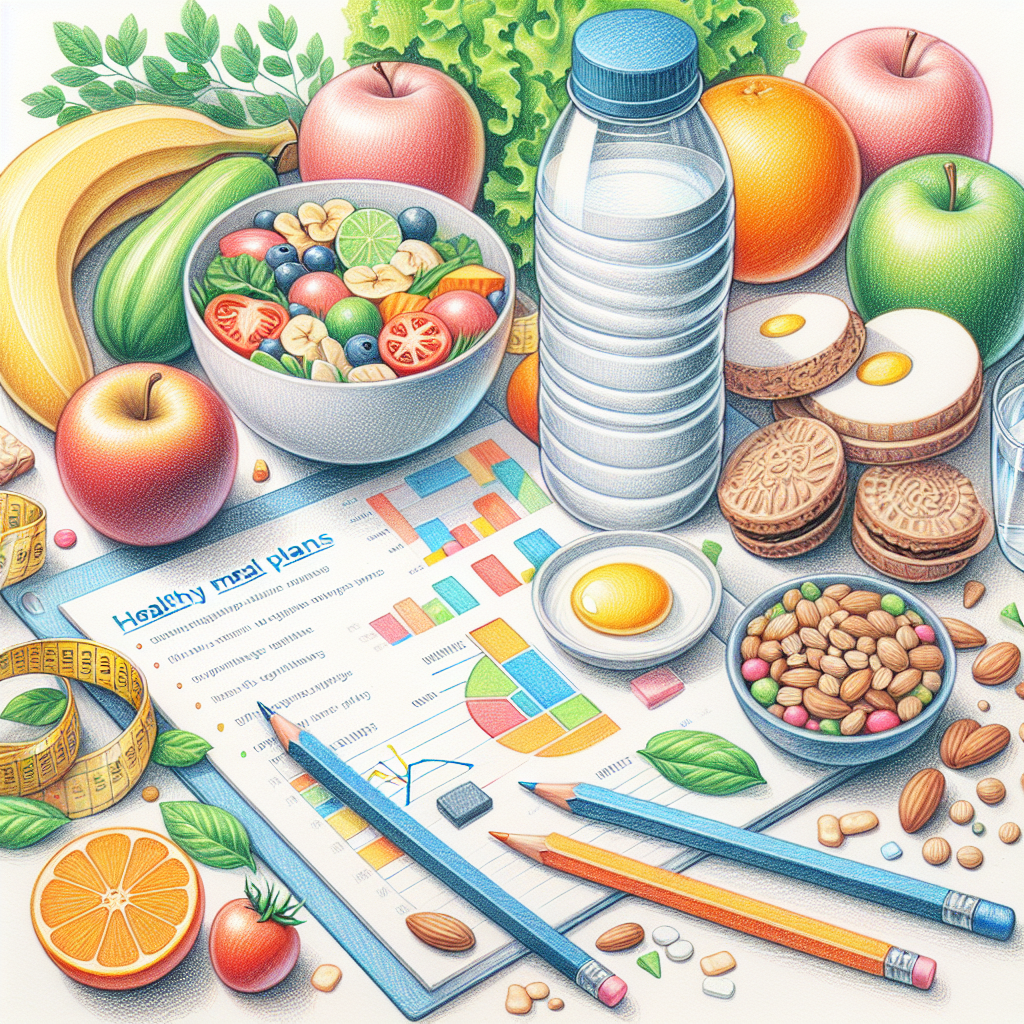
Healthy Meal Plan for Weight Loss
Embarking on a weight loss journey can be daunting, yet with the right plan and mindset, it can transform into an empowering and enriching experience. This article outlines a sustainable healthy meal plan tailored for weight loss, focusing on practical guidance and delicious options. By incorporating nutritious foods into your diet, you set the stage for lasting change while enjoying each meal.
- Understanding the Components of a Healthy Meal Plan
- Daily Meal Structure
- Sample Meal Plan for a Week
- Five Practical Steps to Implement Your Plan
- When to Consult a Professional
- Common Myths About Weight Loss Diets
- Frequently Asked Questions
- Conclusion and Next Steps
Understanding the Components of a Healthy Meal Plan
A healthy meal plan for weight loss emphasizes balance, variety, and moderation. The main components include:
- Fruits and Vegetables: Rich in vitamins, minerals, and fiber, essential for overall health.
- Whole Grains: Provide sustained energy and keep you feeling full longer.
- Lean Proteins: Important for muscle maintenance and satiety.
- Healthy Fats: Necessary for nutrient absorption and overall wellness.
Daily Meal Structure
A well-rounded daily meal structure is pivotal for maintaining energy levels and ensuring adequate nutrient intake throughout the day:
- Breakfast: Kick-start your metabolism with a balanced meal.
- Mid-Morning Snack: Light and nutritious to avoid energy crashes.
- Lunch: A substantial meal with proteins, vegetables, and healthy carbs.
- Afternoon Snack: A quick pick-me-up to keep you focused.
- Dinner: A lighter meal that is still satisfying.
Sample Meal Plan for a Week
This sample meal plan covers a week of nutritious meals designed to aid in your weight loss journey. Adjust portions to fit your caloric needs.
Day 1
- Breakfast: Oatmeal topped with berries and a sprinkle of almonds.
- Snack: Greek yogurt with honey.
- Lunch: Grilled chicken salad with mixed greens and vinaigrette.
- Snack: Sliced apple with peanut butter.
- Dinner: Baked salmon with quinoa and steamed broccoli.
Day 2
- Breakfast: Smoothie with spinach, banana, and protein powder.
- Snack: Handful of mixed nuts.
- Lunch: Turkey wrap with whole grain tortilla and veggies.
- Snack: Carrot sticks with hummus.
- Dinner: Stir-fried tofu with bell peppers, served over brown rice.
Five Practical Steps to Implement Your Plan
Embarking on your meal plan can be simplified with the following steps:
- Plan Ahead: Map out your meals and snacks for the week.
- Meal Prep: Prepare meals in advance to save time during busy days.
- Portion Control: Be mindful of portion sizes to manage caloric intake.
- Stay Hydrated: Drink plenty of water throughout the day.
- Incorporate Regular Workouts: Pair your meal plan with physical activity for better results. Join the SixPack workout program for 30 days for free, which offers six-minute short workouts perfect for busy lifestyles.
When to Consult a Professional
It is vital to consider consulting a healthcare professional if you experience any of the following:
- Significant weight fluctuations without intention.
- Persistent fatigue or low energy levels.
- Discomfort or pain after eating.
- Behavioral or psychological concerns related to eating.
Common Myths About Weight Loss Diets
Debunking misconceptions can empower your weight loss journey:
- Myth 1: Carbs are always bad. Fact: Whole grains are an important energy source.
- Myth 2: Skipping meals will help you lose weight. Fact: It can lead to overeating later.
- Myth 3: All fats are unhealthy. Fact: Healthy fats are essential for your body.
- Myth 4: Supplements can replace healthy eating. Fact: Whole foods provide nutrients that supplements cannot replicate.
Frequently Asked Questions
What is the ideal calorie intake for weight loss?
Calorie needs vary based on factors like age, gender, and activity level. Generally, a deficit of 500-1000 calories per day can lead to safe weight loss of about 1-2 pounds per week.
How often should I eat?
It’s advisable to eat regularly throughout the day, aiming for 5-6 smaller meals and snacks to maintain energy levels and prevent hunger.
Can I still enjoy treats while losing weight?
Yes, moderation is key. Allowing occasional treats can help you sustain your diet in the long term.
Is weight loss faster with restrictive diets?
While restrictive diets may lead to short-term weight loss, they are often unsustainable and can lead to weight regain.
Do I need to exercise to lose weight?
While diet plays a critical role, combining a balanced meal plan with exercise enhances weight loss and improves overall health.
How can I curb late-night snacking?
Establishing a regular eating schedule and ensuring proper hydration can help minimize late-night cravings.
Conclusion and Next Steps
- Prioritize a balanced diet rich in whole foods.
- Implement practical meal prepping strategies.
- Stay mindful of portion sizes to control caloric intake.
- Incorporate physical activity, such as the SixPack workout program for 30 days for free, into your routine.
- Consult a professional if you experience concerning symptoms or difficulties in your weight loss journey.
Taking the first step on your weight loss journey is empowering. Allow yourself the grace to enjoy the process and remember that every small change contributes to significant outcomes.
Author: John Angel