Categories
Weight Loss

Effective Healthy Meal Plan for Weight Loss Success

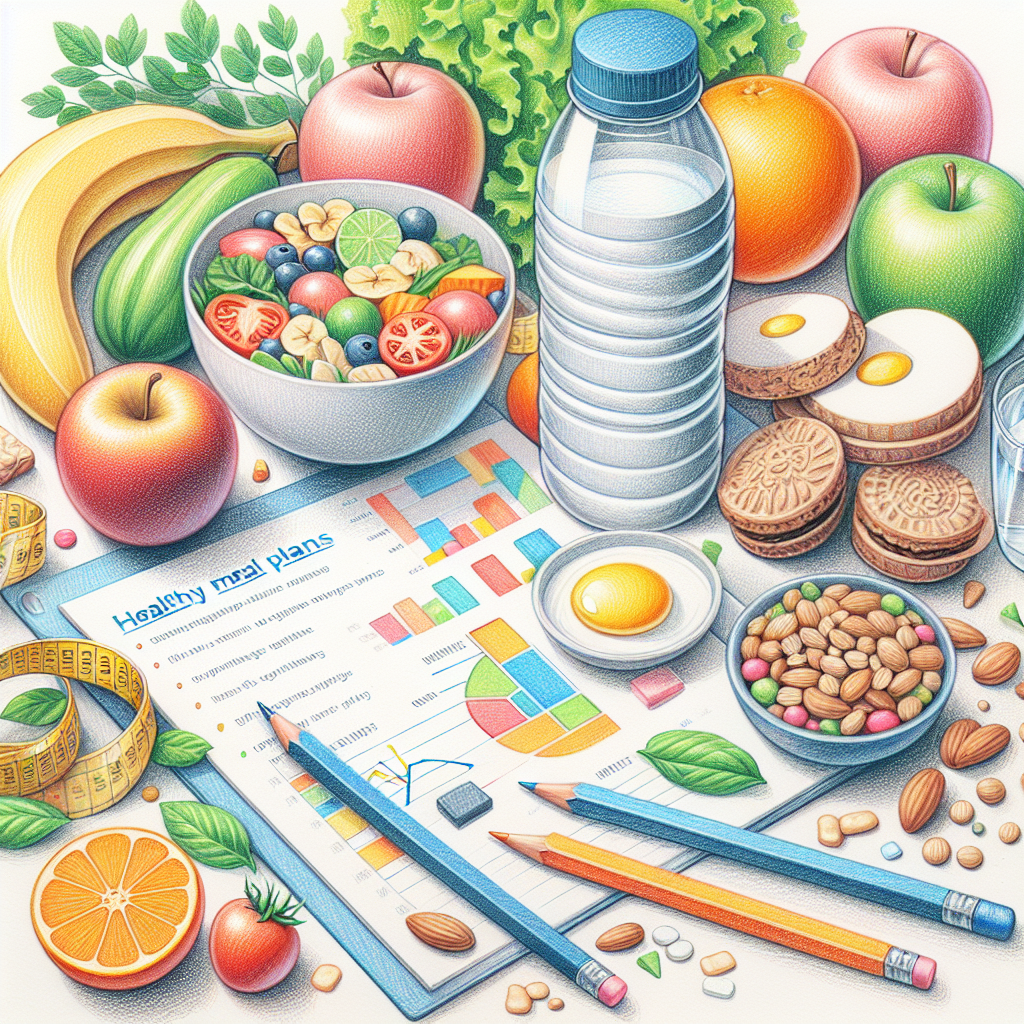
Healthy Meal Plan for Weight Loss

Embarking on a weight loss journey can be daunting, yet with the right plan and mindset, it can transform into an empowering and enriching experience. This article outlines a sustainable healthy meal plan tailored for weight loss, focusing on practical guidance and delicious options. By incorporating nutritious foods into your diet, you set the stage for lasting change while enjoying each meal.

  • Understanding the Components of a Healthy Meal Plan
  • Daily Meal Structure
  • Sample Meal Plan for a Week
  • Five Practical Steps to Implement Your Plan
  • When to Consult a Professional
  • Common Myths About Weight Loss Diets
  • Frequently Asked Questions
  • Conclusion and Next Steps

Understanding the Components of a Healthy Meal Plan

A healthy meal plan for weight loss emphasizes balance, variety, and moderation. The main components include:

  • Fruits and Vegetables: Rich in vitamins, minerals, and fiber, essential for overall health.
  • Whole Grains: Provide sustained energy and keep you feeling full longer.
  • Lean Proteins: Important for muscle maintenance and satiety.
  • Healthy Fats: Necessary for nutrient absorption and overall wellness.

Daily Meal Structure

A well-rounded daily meal structure is pivotal for maintaining energy levels and ensuring adequate nutrient intake throughout the day:

  • Breakfast: Kick-start your metabolism with a balanced meal.
  • Mid-Morning Snack: Light and nutritious to avoid energy crashes.
  • Lunch: A substantial meal with proteins, vegetables, and healthy carbs.
  • Afternoon Snack: A quick pick-me-up to keep you focused.
  • Dinner: A lighter meal that is still satisfying.

Sample Meal Plan for a Week

This sample meal plan covers a week of nutritious meals designed to aid in your weight loss journey. Adjust portions to fit your caloric needs.

Day 1

  • Breakfast: Oatmeal topped with berries and a sprinkle of almonds.
  • Snack: Greek yogurt with honey.
  • Lunch: Grilled chicken salad with mixed greens and vinaigrette.
  • Snack: Sliced apple with peanut butter.
  • Dinner: Baked salmon with quinoa and steamed broccoli.

Day 2

  • Breakfast: Smoothie with spinach, banana, and protein powder.
  • Snack: Handful of mixed nuts.
  • Lunch: Turkey wrap with whole grain tortilla and veggies.
  • Snack: Carrot sticks with hummus.
  • Dinner: Stir-fried tofu with bell peppers, served over brown rice.

Five Practical Steps to Implement Your Plan

Embarking on your meal plan can be simplified with the following steps:

  1. Plan Ahead: Map out your meals and snacks for the week.
  2. Meal Prep: Prepare meals in advance to save time during busy days.
  3. Portion Control: Be mindful of portion sizes to manage caloric intake.
  4. Stay Hydrated: Drink plenty of water throughout the day.
  5. Incorporate Regular Workouts: Pair your meal plan with physical activity for better results. Join the SixPack workout program for 30 days for free, which offers six-minute short workouts perfect for busy lifestyles.

When to Consult a Professional

It is vital to consider consulting a healthcare professional if you experience any of the following:

  • Significant weight fluctuations without intention.
  • Persistent fatigue or low energy levels.
  • Discomfort or pain after eating.
  • Behavioral or psychological concerns related to eating.

Common Myths About Weight Loss Diets

Debunking misconceptions can empower your weight loss journey:

  • Myth 1: Carbs are always bad. Fact: Whole grains are an important energy source.
  • Myth 2: Skipping meals will help you lose weight. Fact: It can lead to overeating later.
  • Myth 3: All fats are unhealthy. Fact: Healthy fats are essential for your body.
  • Myth 4: Supplements can replace healthy eating. Fact: Whole foods provide nutrients that supplements cannot replicate.

Frequently Asked Questions

What is the ideal calorie intake for weight loss?

Calorie needs vary based on factors like age, gender, and activity level. Generally, a deficit of 500-1000 calories per day can lead to safe weight loss of about 1-2 pounds per week.

How often should I eat?

It’s advisable to eat regularly throughout the day, aiming for 5-6 smaller meals and snacks to maintain energy levels and prevent hunger.

Can I still enjoy treats while losing weight?

Yes, moderation is key. Allowing occasional treats can help you sustain your diet in the long term.

Is weight loss faster with restrictive diets?

While restrictive diets may lead to short-term weight loss, they are often unsustainable and can lead to weight regain.

Do I need to exercise to lose weight?

While diet plays a critical role, combining a balanced meal plan with exercise enhances weight loss and improves overall health.

How can I curb late-night snacking?

Establishing a regular eating schedule and ensuring proper hydration can help minimize late-night cravings.

Conclusion and Next Steps

  • Prioritize a balanced diet rich in whole foods.
  • Implement practical meal prepping strategies.
  • Stay mindful of portion sizes to control caloric intake.
  • Incorporate physical activity, such as the SixPack workout program for 30 days for free, into your routine.
  • Consult a professional if you experience concerning symptoms or difficulties in your weight loss journey.

Taking the first step on your weight loss journey is empowering. Allow yourself the grace to enjoy the process and remember that every small change contributes to significant outcomes.

Author: John Angel

Related articles

Categories
Weight Loss

Effective Meal Plan for Sustainable Weight Loss

Embarking on a weight loss journey can be both thrilling and daunting. One crucial aspect of this journey is a well-structured meal plan, designed to foster sustainable weight loss while satisfying your nutritional needs. This article will guide you through an effective weight loss plan meal structure, emphasizing the importance of balancing macronutrients and incorporating physical activity. We will also explore the remarkable benefits of short six-minute workouts at home, which can seamlessly fit into a busy lifestyle.

  • Understanding the Basics of Meal Planning
  • Creating Nutritionally Balanced Meals
  • The Role of Six-Minute Workouts
  • Concrete Steps to Implement Your Meal Plan
  • When to Seek Professional Help
  • Common Weight Loss Myths and Mistakes
  • Frequently Asked Questions

Understanding the Basics of Meal Planning

A weight loss meal plan is designed to reduce caloric intake while ensuring adequate nutrient consumption. It typically includes a variety of foods rich in vitamins, minerals, and other essential nutrients. Understanding portion sizes, food groups, and the timing of meals can drastically influence your success.

The Components of a Balanced Meal

A successful meal plan should consist of the following components:

  • Lean proteins (e.g., chicken, fish, legumes)
  • Whole grains (e.g., quinoa, brown rice)
  • Healthy fats (e.g., avocados, nuts)
  • Fruits and vegetables (e.g., seasonal produce)

Creating Nutritionally Balanced Meals

When constructing your meals, aim for a balance of macronutrients: carbohydrates, proteins, and fats. This equilibrium ensures your body receives the energy it requires while also promoting fat loss.

Sample Meal Ideas

  • Breakfast: Scrambled eggs with spinach and whole-grain toast.
  • Lunch: Quinoa salad with chickpeas, cucumbers, and a lemon-tahini dressing.
  • Dinner: Grilled salmon with roasted broccoli and sweet potato.
  • Snacks: Greek yogurt with berries or a handful of almonds.

The Role of Six-Minute Workouts

The magic of six-minute workouts lies in their ability to rapidly invigorate your body and metabolism. These brief sessions fit into even the busiest schedules and can yield significant results when performed consistently.

Benefits of Short Workouts

Short workouts boost your metabolic rate, enhance cardiovascular fitness, and improve muscle tone without requiring significant time commitment. Incorporating these quick sessions into your daily regimen aids in reinforcing your weight loss plan and cultivating a healthier lifestyle.

To experience the potential of these transformative workouts, consider signing up for the SixPack workout program for 30 days for free — an opportunity perfect for anyone beginning their weight loss journey.

Concrete Steps to Implement Your Meal Plan

Effective meal planning requires structured implementation. Here’s how to ensure you stay on track:

  1. Plan Ahead: Dedicate a day each week to meal prep. Choose recipes that keep well and can be stored without losing flavor.
  2. Grocery Shopping: Shop with a list to avoid impulse purchases. Stick to the perimeter of the store for fresh options.
  3. Portion Control: Use measuring cups to portion foods accurately and avoid overeating.
  4. Stay Hydrated: Drink ample amounts of water throughout the day to promote metabolism and reduce hunger pangs.
  5. Mindful Eating: Pay attention to your food; savor each bite, and avoid distractions while eating.

When to Seek Professional Help

It may be beneficial to consult with a healthcare professional when:

  • Your weight loss journey stalls despite your efforts.
  • You experience unusual hunger or extreme fatigue.
  • Your body image issues or relationships with food cause distress.
  • You have pre-existing health conditions that require managing during weight loss.

Common Weight Loss Myths and Mistakes

In your weight loss journey, it’s crucial to distinguish fact from fiction. Here are some common misconceptions:

  • Myth: Skipping meals is an effective weight-loss strategy.
  • Fact: It often leads to overeating later and can harm your metabolism.
  • Myth: All fats are bad and should be eliminated from the diet.
  • Fact: Healthy fats are essential for hormone balance and overall health.
  • Myth: You can outrun a poor diet with exercise.
  • Fact: Nutrition plays a more significant role in weight loss than exercise alone.

Frequently Asked Questions

How quickly can I expect to lose weight with a meal plan?

Weight loss varies by individual; however, a healthy rate is typically 1-2 pounds per week.

What is the ideal number of meals per day for weight loss?

There is no single ideal — choose a pattern that fits your lifestyle, whether it’s three larger meals or five smaller ones.

Are snacks allowed in a weight loss meal plan?

Yes, healthy snacks can help manage hunger and prevent overeating at meal times. Opt for nutrient-dense options.

Can I consume carbohydrates while trying to lose weight?

Absolutely! Focus on complex carbohydrates, such as whole grains and vegetables, which provide sustained energy.

What should I do if I have cravings?

Identify triggers and opt for healthy alternatives or a small portion of the craving to satisfy without derailment.

Is it necessary to count calories?

While counting calories can be helpful for some, listening to your body’s hunger signals is just as important.

Conclusion

  • Maintaining a structured meal plan aids in effective weight loss.
  • Six-minute workouts can enhance your results by fitting conveniently into your schedule.
  • Seek professional advice if you encounter persistent issues or concerns.
  • Understand common misconceptions to avoid pitfalls during your weight loss journey.
  • Stay committed to your goals through planning and mindful eating practices.

Begin your transformation today! Embrace the power of meal planning alongside efficient workouts. Remember to register for the SixPack workout program for 30 days for free and set forth on your weight loss journey equipped for success!

Author: John Angel

Related articles

Categories
Nutrition and Wellness

Effective Meal Plan for Weight Loss: A Comprehensive Guide

Embarking on a weight loss journey can be a daunting task, but a well-structured meal plan can significantly simplify the process. A strategic approach to nutrition not only assists in achieving your goals but also promotes a healthier lifestyle. Continuous improvements in dietary habits can foster a sustainable transformation while ensuring that you never feel deprived of satisfying meals.

  • Understanding Your Nutritional Needs
  • Creating a Balanced Meal Plan
  • Sample Meal Plan for Weight Loss
  • Benefits of Short Workouts
  • When to Consult a Professional
  • Common Misconceptions
  • FAQ

Understanding Your Nutritional Needs

Before creating a meal plan, it’s essential to recognize your individual nutritional requirements. Factors such as age, gender, activity level, and metabolic rate play a significant role in determining the number of calories you need. A common starting point is to calculate your Basal Metabolic Rate (BMR) and adjust according to your lifestyle.

Creating a Balanced Meal Plan

A balanced meal plan includes a thoughtful combination of macronutrients: carbohydrates, proteins, and fats. Each serves a unique purpose in the body:

  • Carbohydrates: Provide immediate energy and support metabolic functions.
  • Proteins: Crucial for muscle recovery and growth, they also promote satiety.
  • Fats: Essential for hormone production and nutrient absorption.

Incorporating a variety of fruits, vegetables, whole grains, and lean proteins can help maintain balance and enhance overall well-being while on your weight loss journey.

Sample Meal Plan for Weight Loss

Below is a one-week sample meal plan designed to facilitate weight loss. Each day includes breakfast, lunch, dinner, and two snacks. Feel free to adjust portion sizes based on your individual caloric requirements.

  1. Day 1:
    • Breakfast: Scrambled eggs with spinach and whole-grain toast
    • Snack: Greek yogurt with berries
    • Lunch: Grilled chicken salad with a variety of vegetables
    • Snack: A handful of nuts
    • Dinner: Baked salmon with brown rice and steamed broccoli
  2. Day 2:
    • Breakfast: Oatmeal topped with sliced banana
    • Snack: Carrot sticks with hummus
    • Lunch: Quinoa and black bean salad
    • Snack: Apple slices with almond butter
    • Dinner: Stir-fried tofu with mixed vegetables
  3. [Continue with additional days…>

Benefits of Short Workouts

As you navigate your weight loss journey, incorporating short, intense workouts can significantly enhance your efforts. The magic of six-minute workouts lies in their efficiency; they can help you burn calories without requiring a significant time commitment. Just a few minutes can elevate your heart rate, stimulate muscle growth, and promote fat loss.

Incorporating these quick sessions into your daily routine can energize you and help boost your mood, making them an invaluable addition to your wellness plan. To kickstart this journey with effective at-home routines, consider registering for the SixPack workout program for 30 days free.

When to Consult a Professional

While a meal plan can aid in weight loss, certain circumstances warrant professional guidance. You should consider consulting a registered dietitian or healthcare provider if you:

  • Have underlying health conditions (e.g., diabetes, heart disease)
  • Are experiencing emotional distress related to food
  • Exhibit signs of disordered eating behaviors
  • Have rapidly gained or lost a significant amount of weight
  • Are considering supplements to aid weight loss

Common Misconceptions

Several myths surrounding meal planning can hinder your progress. Below are a few notable misconceptions:

  • Myth 1: “Carbs are bad for weight loss.” – In moderation, carbohydrates are vital for energy.
  • Myth 2: “Skipping meals is an effective strategy.” – This can lead to overeating later; regular meals help maintain metabolism.
  • Myth 3: “All fats make you gain weight.” – Healthy fats are essential and can aid in satiety.

FAQ

What should I include in my weight loss meal plan?

A balanced meal plan should contain fruits, vegetables, whole grains, lean proteins, and healthy fats.

Can I lose weight by just exercising?

While exercise is crucial, combining it with a balanced meal plan yields the best results for weight loss.

How often should I eat while trying to lose weight?

Regular meals and snacks every 3-4 hours can help maintain energy levels and prevent overeating.

Is it necessary to track calories?

Tracking can be beneficial for some; it allows you to understand portion sizes and maintain accountability.

Can I consume alcohol on a weight loss plan?

Alcohol can hinder weight loss; moderation is key if included in your plan.

What role does hydration play in weight loss?

Staying hydrated supports metabolic functions and can reduce feelings of hunger.

Conclusion

  • Create a meal plan tailored to your nutritional needs.
  • Incorporate a variety of foods to ensure balanced nutrition.
  • Utilize effective and short workouts to enhance your journey.
  • Consult a professional when necessary to align your strategies.
  • Stay informed and challenge common misconceptions related to weight loss.

Remember, your weight loss journey is unique to you. Embrace each step with the understanding that small changes can lead to significant results. Are you ready to explore an efficient workout routine to complement your meal plan? Join the SixPack workout program for 30 days free to experience the benefits firsthand!

Author: John Angel

Related articles

Categories
Weight Loss

Effective Meal Options for Weight Loss Success

Embarking on a weight loss journey can often seem daunting, but understanding the importance of meal choices is crucial. The right meals not only nourish the body but also help shed those unwanted pounds. This article explores effective meal options for weight loss, providing practical advice and insights to make your journey seamless and enjoyable.

  • Understanding Meal Composition for Weight Loss
  • Benefits of Balanced Meals
  • Sample Meal Ideas
  • The Role of Short Workouts
  • When to Consult a Professional
  • Common Myths About Weight Loss
  • FAQ Section

Understanding Meal Composition for Weight Loss

To lose weight effectively, it is fundamental to comprehend meal composition, which consists of macronutrients: carbohydrates, proteins, and fats. Each plays a distinct role in the diet:

  • Carbohydrates: These should primarily come from whole grains, vegetables, and fruits. They provide energy and essential nutrients.
  • Proteins: Incorporating lean proteins such as chicken, fish, legumes, and tofu helps with muscle retention and satiety.
  • Fats: Healthy fats from sources like avocados, nuts, and olive oil are essential for overall health and can aid in satiety.

Benefits of Balanced Meals

Balanced meals not only facilitate effective weight loss but also improve overall health. Key benefits include:

  • Increased Satiety: Foods rich in fiber and protein can keep you feeling fuller for longer.
  • Better Energy Levels: A well-rounded meal provides the energy needed to engage in physical activity.
  • Enhanced Mood: Nutrition impacts mood and cognitive function, helping to keep your motivation high throughout your weight loss journey.
  • Improved Metabolism: Balanced meals can enhance metabolic rate, supporting the body’s energy requirements.

Sample Meal Ideas

Here are some meal ideas that align with weight loss goals, ensuring a mix of flavor and nutrition:

Breakfast

  • Oatmeal topped with berries and a dollop of Greek yogurt
  • Scrambled eggs with spinach and whole-grain toast
  • Smoothie with spinach, banana, and almond milk

Lunch

  • Quinoa salad with chickpeas, cherry tomatoes, and cucumber
  • Grilled chicken wrap with mixed greens and avocado
  • Vegetable stir-fry with tofu and brown rice

Dinner

  • Baked salmon with steamed broccoli and sweet potatoes
  • Lean turkey meatballs with zucchini noodles
  • Stuffed bell peppers with brown rice and black beans

The Role of Short Workouts

Engaging in short, effective workouts at home can significantly enhance your weight loss efforts. The magic of six-minute workouts lies in their efficiency. These brief sessions can be easily integrated into a busy schedule, fostering consistency without overwhelming the individual. Incorporating strength training or high-intensity interval training (HIIT) can maximize calorie burn and muscle gain.

When seamlessly integrated into your meal planning, these short workouts contribute to greater metabolic health. To experience this transformation, consider registering for a free trial of the SixPack workout program, designed to fit into anyone’s daily routine.

When to Consult a Professional

It’s advisable to consult with a qualified nutritionist or healthcare professional if you:

  • Have underlying health conditions that affect your diet or exercise.
  • Struggle with emotional eating or disordered eating patterns.
  • Experience unexpected weight changes or health concerns.
  • Are unsure about how to adjust your meal plan effectively.

Common Myths About Weight Loss

Misconceptions about weight loss can often derail progress. Here are some prevalent myths clarified:

  • Myth: You must eliminate carbs to lose weight.
  • Fact: Including whole grains in moderation can be beneficial.
  • Myth: Skipping meals helps with weight loss.
  • Fact: Regular meals can prevent overeating later.
  • Myth: All fats are bad.
  • Fact: Healthy fats support overall health when consumed in balance.

FAQ

What should a weight loss meal look like?

A weight loss meal should include a balance of macronutrients: lean protein, healthy fats, and complex carbohydrates, complemented by plenty of vegetables.

How often should I eat when trying to lose weight?

Eating multiple small meals throughout the day can help maintain energy levels and prevent excessive hunger.

Are snacks important during a weight loss journey?

Healthy snacks can be beneficial to maintain energy levels and satisfaction between meals, helping to prevent overeating.

Can I still eat out while trying to lose weight?

Yes, with mindful choices, such as opting for grilled rather than fried foods and requesting dressings on the side.

How many calories should I consume to lose weight?

Caloric needs vary based on individual factors; consulting with a registered dietitian can provide personalized recommendations.

Is exercise necessary for weight loss?

While diet is crucial, exercise can significantly enhance weight loss efforts and improve overall health.

Conclusion

  • Understanding meal composition is fundamental for effective weight loss.
  • Balanced meals support both weight loss goals and energy levels.
  • Short, efficient workouts can enhance your fitness routine without taking up much time.
  • Recognizing when to seek professional guidance is crucial for long-term success.
  • Debunking myths surrounding weight loss empowers you to make informed decisions.

Now is the perfect time to embark on a transformative weight loss journey with informed decisions and efficient workouts. Consider trying the free 30-day SixPack workout program and see how focused efforts can lead to lasting change.

Author: John Angel

Related articles

Categories
Weight Loss

Free Meal Plan for Effective Weight Loss

Embarking on a weight loss journey can often feel daunting, particularly with the overwhelming number of meal plans and workout regimes available today. However, a practical and straightforward approach can make this process not only effective but also enjoyable. A well-structured meal plan tailored for weight loss can provide the foundational support needed to achieve your goals, all the while integrating quick and efficient home workouts like the SixPack program. In this article, we will explore how to create a free meal plan for weight loss and discuss the magic behind six-minute short workouts.

  • Understanding Meal Planning Basics
  • Creating a Meal Plan for Weight Loss
  • The Benefits of Six-Minute Workouts
  • Implementing the Meal Plan with Short Workouts
  • When to Consult a Professional
  • Common Myths about Weight Loss
  • FAQs
  • Conclusion and Call to Action

Understanding Meal Planning Basics

Meal planning is the foundation of a successful weight loss journey. It offers a structured approach to managing food intake, ensuring you consume balanced meals that are both nutritious and satisfying. The key components to consider include:

  • Caloric Intake: Understanding your daily caloric needs is crucial for effective weight loss.
  • Nutritional Balance: A meal plan should consist of a variety of proteins, healthy fats, and carbohydrates to maintain energy levels.
  • Preparation Time: Consider your schedule and select recipes that fit comfortably within your timeframe.

Creating a Meal Plan for Weight Loss

To create a meal plan that supports your weight loss goals, follow these structured steps:

  1. Assess Your Current Eating Habits: Track what you eat for a week to identify patterns.
  2. Determine Your Goals: Set specific, measurable, achievable, relevant, and time-bound (SMART) goals.
  3. Select Nutrient-Dense Foods: Focus on vegetables, fruits, lean proteins, and whole grains.
  4. Plan Your Meals: Create a weekly menu, incorporating a variety of dishes to prevent monotony.
  5. Grocery Shopping: Make a shopping list to ensure you purchase only the items on your plan.
  6. Prepare in Advance: Meal prep can save time during the week, allowing you to stay on track.

The Benefits of Six-Minute Workouts

The magic of incorporating six-minute short workouts into your daily routine lies in their accessibility and effectiveness. These brief yet intense sessions can seamlessly fit into even the busiest schedules. The benefits include:

  • Time Efficiency: Six minutes is manageable for most people, allowing for consistent exercise.
  • Increased Metabolism: Short, intense workouts can elevate your metabolic rate, aiding faster weight loss.
  • Improved Mood: The release of endorphins following exercise can significantly boost mental well-being.

For those interested in trying such workouts, consider registering for the SixPack workout program for 30 days for free.

Implementing the Meal Plan with Short Workouts

Combining your meal plan with regular six-minute workouts can maximize your weight loss results. Here’s how to effectively integrate the two:

  • Schedule Workouts: Plan your six-minute workouts around your meals to ensure adherence.
  • Stay Hydrated: Ensure you’re drinking enough water, particularly around workout times.
  • Monitor Progress: Keep track of your weight loss journey, adjusting your meal plan or workout duration as necessary.

When to Consult a Professional

This journey can occasionally present challenges. Consider seeking professional guidance in the following situations:

  • You experience significant fatigue or malaise during your weight loss journey.
  • Your weight loss stalls or you gain weight despite effort.
  • You have underlying health conditions that may affect diet or exercise.
  • You feel overwhelmed or unable to maintain your meal plan and workout routine.

Common Myths about Weight Loss

Dispelling common misconceptions can empower your weight loss journey:

  • Myth: Skipping meals helps with weight loss. Fact: This can lead to increased hunger and overeating later.
  • Myth: Carbs are the enemy. Fact: Whole grains can be part of a healthy diet when consumed in moderation.
  • Myth: All calories are the same. Fact: Nutritional quality matters; not all calories provide the same benefits.

FAQs

What is a meal plan for weight loss?

A meal plan for weight loss outlines your daily food intake, focusing on calorie-controlled, nutritious meals to promote weight loss.

How do I start meal planning?

Begin by assessing your current eating habits, determining your weight loss goals, and creating a structured weekly menu.

How can short workouts benefit my routine?

Six-minute workouts are efficient, fit easily into busy schedules, and can increase your metabolic rate.

Is it necessary to consult a professional?

Consider consulting a professional if you face significant challenges, health issues, or need personalized guidance.

Can I lose weight without exercising?

While weight loss is possible through diet alone, incorporating exercise enhances results and overall health.

How often should I change my meal plan?

Adjust your meal plan every few weeks based on your progress and any emerging preferences or restrictions.

Conclusion and Call to Action

  • Meal planning is essential for a successful weight loss journey.
  • Incorporating six-minute workouts can significantly enhance your results.
  • Consult professionals when necessary to ensure a safe journey.
  • Stay informed about myths and misconceptions surrounding weight loss.
  • Maintain flexibility and adaptability in your meal planning and exercising approach.

Starting your weight loss journey now can be transformative. The integration of a structured meal plan with short, effective workouts offers a powerful synergy. Don’t hesitate to register for the SixPack workout program for 30 days for free and take the next steps toward achieving your goals!

Author: John Angel

Related articles

Website analytics information

We use Google Analytics 4 for visitor statistics. Analytics cookies require your consent, which you can change using the button above. The data controller is ZDRAVÍ S ÚSMĚVEM s.r.o., company ID 29283329, contact podpora@revolucnicviceni.cz. Google processes browser, device and page visit information. We do not send form field values to Analytics. How Google uses information · Google Privacy Policy.