
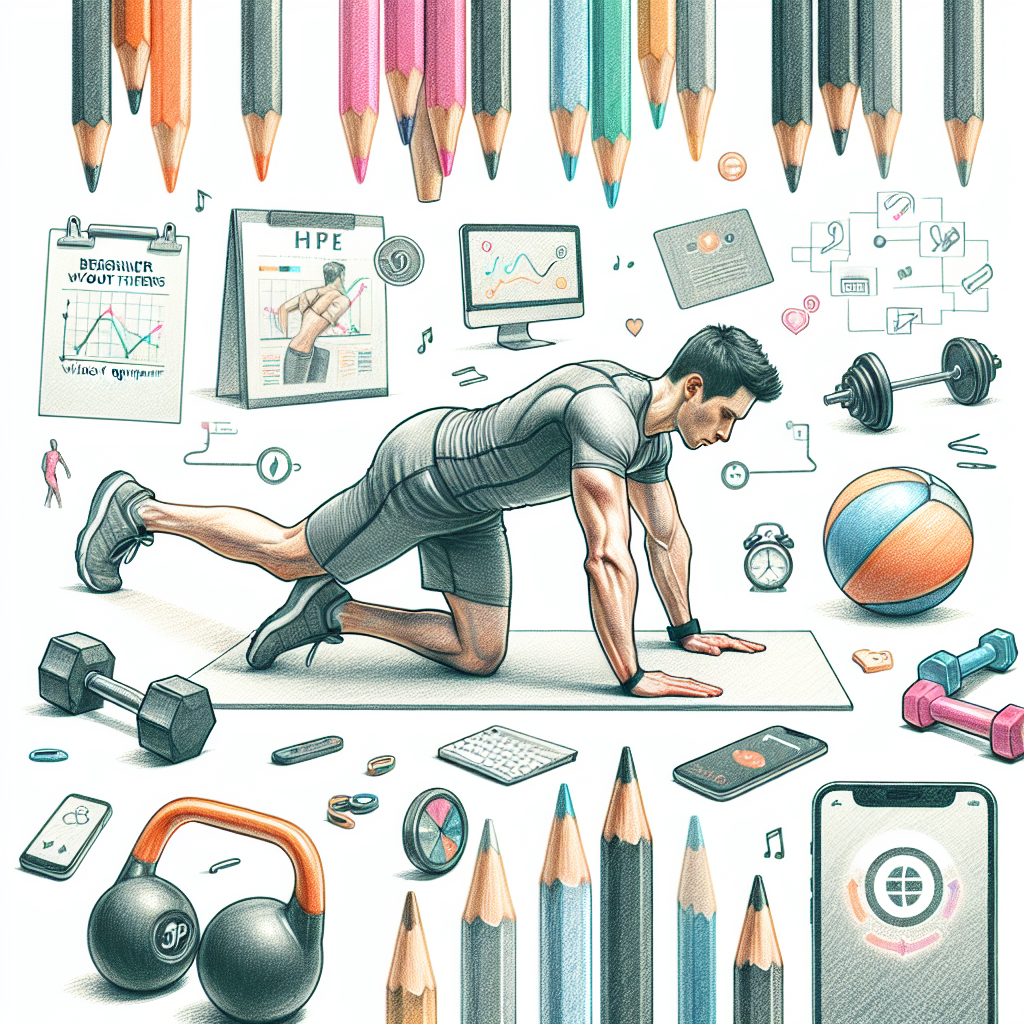
Beginner Workout Plan: No Equipment Required
Embarking on a fitness journey can seem daunting, particularly for beginners. However, a structured workout plan that requires no equipment might be the perfect solution. This article will provide you with an effective beginner workout plan that can be done at home, requiring only your body weight. This approach not only saves time and money but also allows you to build a foundation for a healthy lifestyle. Additionally, check out this free 30-day exercise program, where just 6 minutes of daily exercise can yield impressive results.
- Understanding the Basics of Bodyweight Training
- The Importance of a Consistent Routine
- Beginner Workout Plan Overview
- Concrete Steps for Implementation
- When to Consult a Professional
- Common Misconceptions about Working Out
- Frequently Asked Questions
- Conclusion: Key Takeaways
Understanding the Basics of Bodyweight Training
Bodyweight training is a form of strength training that uses the weight of your own body to provide resistance. This method is particularly beneficial for beginners as it helps in developing strength, balance, and flexibility without the need for complex equipment. Exercises can include push-ups, squats, lunges, and planks, which target multiple muscle groups and can be performed anywhere.
The Importance of a Consistent Routine
Establishing a consistent workout routine is paramount in achieving any fitness goal. For beginners, the focus should be on creating a schedule that fits into your lifestyle. One effective way to ensure consistency is to set aside a specific time each day for exercise. This habit formation paves the way for long-term success and makes it easier to progress in your fitness journey.
Beginner Workout Plan Overview
This beginner workout plan consists of a variety of bodyweight exercises that you can perform without any equipment. The plan is structured to target all major muscle groups and can be completed in roughly 20-30 minutes per session, three times a week. Below is an overview of the workout plan:
- Warm-Up (5 minutes)
- Main Workout (15-20 minutes)
- Push-Ups
- Bodyweight Squats
- Lunges
- Planks
- Burpees
- Cool Down (5 minutes)
Concrete Steps for Implementation
To effectively put this workout plan into action, follow these detailed steps:
- Warm-Up: Spend 5 minutes doing light cardio such as jumping jacks or high knees to elevate your heart rate.
- Main Workout: Perform 2-3 sets of each exercise listed below. Start with 8-12 repetitions for strength exercises and hold each plank for 20-30 seconds. Rest for 30-60 seconds between sets.
- Push-Ups: Targets the chest, shoulders, and triceps.
- Bodyweight Squats: Engages the quadriceps, hamstrings, and glutes.
- Lunges: Works on balance and strength in the legs.
- Planks: Core stabilization exercise.
- Burpees: A full-body exercise that also provides cardiovascular benefits.
When to Consult a Professional
If you experience any unusual pain or discomfort during exercise, or if you have existing health conditions or concerns, it is advisable to consult a qualified healthcare professional before commencing any workout routine. Signs such as persistent joint pain, excessive fatigue, or shortness of breath should be taken seriously, and professional advice should be sought.
Common Misconceptions about Working Out
Many beginners fall prey to common myths that may hinder their fitness journey. Here are a few misconceptions to be aware of:
- Myth 1: You need to spend hours in the gym to see results.
Reality: Short, effective workouts can yield significant results, especially when performed consistently. - Myth 2: Bodyweight exercises are only for beginners.
Reality: Bodyweight exercises can be modified for varying fitness levels, making them effective for all. - Myth 3: You cannot build muscle without weights.
Reality: Resistance from your body weight can stimulate muscle gains if practiced consistently.
Frequently Asked Questions
What if I can’t complete all the repetitions at first?
It’s perfectly normal. Start with fewer repetitions and gradually increase as your fitness level improves.
How often should I perform these workouts?
For beginners, aim for three sessions per week, allowing at least one rest day in between.
Is warming up really necessary?
Yes, warming up is crucial to prepare your muscles and reduce the risk of injury.
Can I substitute any exercises for ones I find difficult?
Absolutely. There are many variations of each exercise; find those that match your current fitness level.
What should I do if I feel tired during the workout?
Listen to your body. Take a break, and don’t hesitate to reduce the intensity if necessary.
Can I combine this plan with other forms of exercise?
Yes, feel free to incorporate other activities you enjoy, such as walking, cycling, or yoga, to enhance your overall fitness.
Conclusion: Key Takeaways
- Bodyweight training is an effective and accessible way to get fit.
- Consistency is essential for long-term success in any fitness journey.
- The provided beginner workout plan can be adjusted to suit your individual needs.
- Consult a professional if you experience pain or have health concerns.
- Debunking common workout myths enhances your understanding and motivation.
As you embark on this fitness journey, remember that every step counts. Progress may be gradual, but with commitment, you can achieve your goals. To make exercise a permanent part of your life, consider joining a structured program like the 30-day free exercise program that promises results in just 6 minutes a day.
Author: John Angel