
Introduction
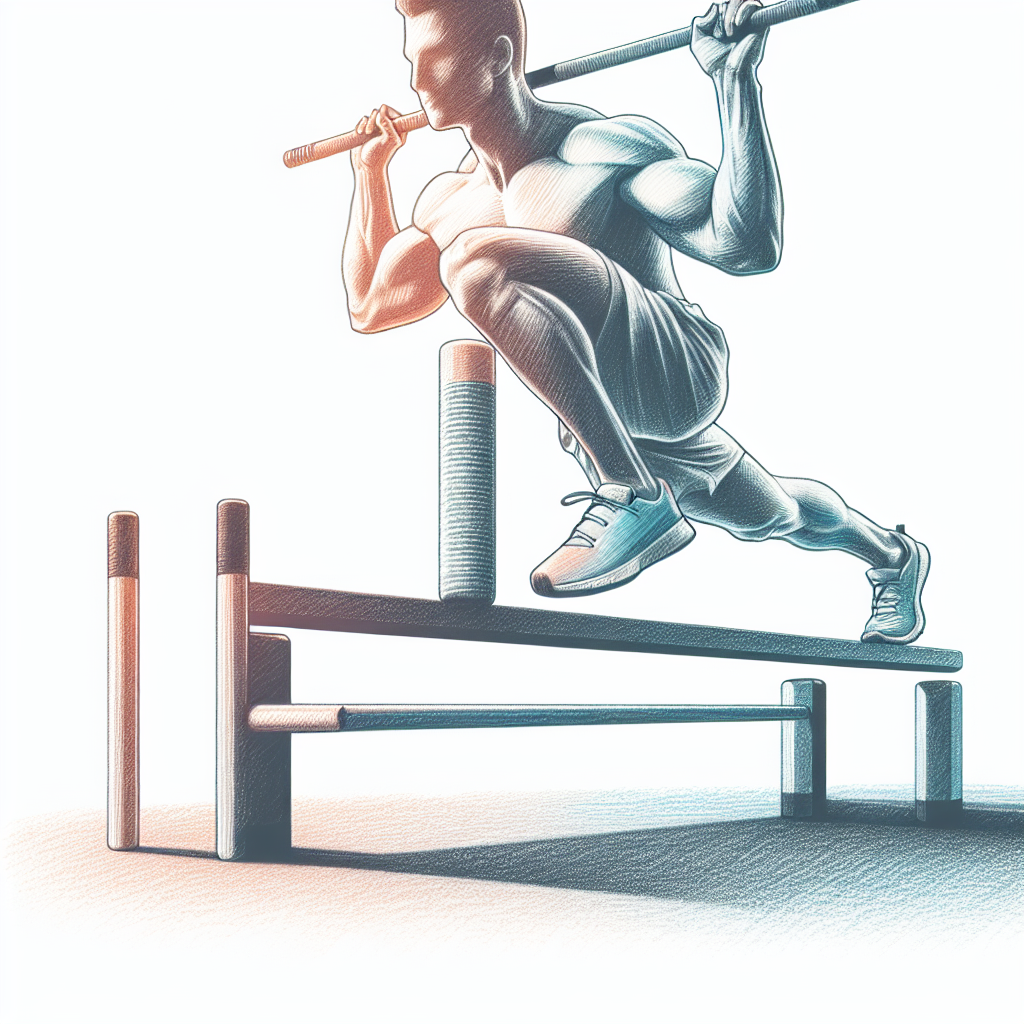
Calisthenics offers a powerful method of exercise that leverages body weight to develop strength, flexibility, and endurance. One of the major benefits is that it requires no equipment, making it accessible to virtually anyone, anywhere. This article aims to provide a comprehensive overview of the best calisthenics exercises you can perform without equipment, giving you a streamlined path to boosting your fitness. Additionally, if you’re looking for a structured approach, consider signing up for a free 30-day exercise program where just 6 minutes a day can yield gym-like results: Get Started Here.
- Understanding Calisthenics
- Top Calisthenics Exercises
- Creating Your Routine
- When to Seek Professional Guidance
- Common Misconceptions
- Frequently Asked Questions
- Conclusion
Understanding Calisthenics
Calisthenics is a form of exercise that emphasizes the use of one’s body weight as resistance. This approach not only builds strength but also enhances mobility and promotes endurance. The foundation rests on fundamental movements such as pushing, pulling, squatting, and hinging. Such exercises allow for a full-body workout that is adaptable to various fitness levels.
Top Calisthenics Exercises
1. Push-Ups
One of the most renowned calisthenics exercises, push-ups primarily target the chest, shoulders, and triceps. They can be modified to suit different fitness levels, including variations like knee push-ups and decline push-ups.
2. Squats
Squats are essential for building lower body strength, working the quadriceps, hamstrings, and glutes. They can be performed with varying stances and depths to increase difficulty and target different muscle groups.
3. Pull-Ups
While often requiring a bar, pull-ups can also be performed using a sturdy ledge or similar support. This exercise engages the back, biceps, and shoulders and is a key movement for upper body strength.
4. Planks
Planks are excellent for core stability and strength. They can be modified with side planks or dynamic variations to keep your routine challenging while focusing on the abdominal muscles.
5. Lunges
Lunges help improve leg strength and balance. There are various types including forward lunges, reverse lunges, and lateral lunges, each providing unique advantages to your workout.
6. Burpees
This high-intensity exercise combines a squat, push-up, and jump to provide an excellent cardiovascular workout. Burpees elevate heart rate while working multiple muscle groups.
7. Dips
While traditionally done on parallel bars, dips can also be performed on sturdy chairs or benches to target the triceps and shoulders effectively.
Creating Your Routine
Formulating a calisthenics routine doesn’t have to be complex. Here are essential steps to consider:
- Identify your fitness goals: Strength, endurance, flexibility, or a combination.
- Select a mix of exercises that target different muscle groups.
- Decide on your workout frequency, ideally aiming for 3 to 5 sessions per week.
- Begin with three sets of 8-12 reps for each exercise, gradually increasing as you progress.
- Ensure to include a warm-up before and a cool-down after your sessions to prevent injury.
When to Seek Professional Guidance
While calisthenics is generally safe for most individuals, there are circumstances that may warrant professional consultation. Consider reaching out to a qualified fitness trainer or health professional if you experience:
- Persistent pain during or after exercises
- Difficulty maintaining form, which may lead to injury
- Underlying health conditions affecting your physical activity
Common Misconceptions
Several myths surround calisthenics that can lead to confusion, such as:
- Myth 1: You need weights to build strength.
- Myth 2: Calisthenics is not effective for serious athletes.
- Myth 3: You can’t get a good workout without a gym.
In reality, many elite athletes incorporate calisthenics into their routines for its functional benefits and adaptability.
Frequently Asked Questions
What are calisthenics exercises?
Calisthenics exercises leverage body weight for resistance to enhance strength, flexibility, and endurance.
Do I need equipment for calisthenics?
No, calisthenics can be performed using only your body weight, making it accessible anywhere.
How long should a calisthenics workout last?
Even a short routine of 15-30 minutes can be effective if done with intensity and proper form.
Can beginners do calisthenics?
Absolutely! Exercises can be modified to suit beginners, gradually increasing the difficulty as strength develops.
How many times a week should I do calisthenics?
It is recommended to perform calisthenics 3 to 5 times per week, allowing for adequate recovery between sessions.
Are calisthenics and bodybuilding the same?
No, calisthenics focuses primarily on body-weight exercises, while bodybuilding typically involves weight training to increase muscle mass.
Conclusion
- Calisthenics offers effective, body-weight exercises for all fitness levels.
- You can achieve substantial results without any equipment.
- Routine construction can be straightforward using core exercises.
- Consult professionals when needed to avoid injury and ensure effective training.
- Myths about calisthenics often inhibit individuals from fully exploring the discipline.
If you’re ready to dive into the world of calisthenics, consider starting with a structured program where just 6 minutes a day can yield significant benefits: Sign Up Now.
Author: John Angel