
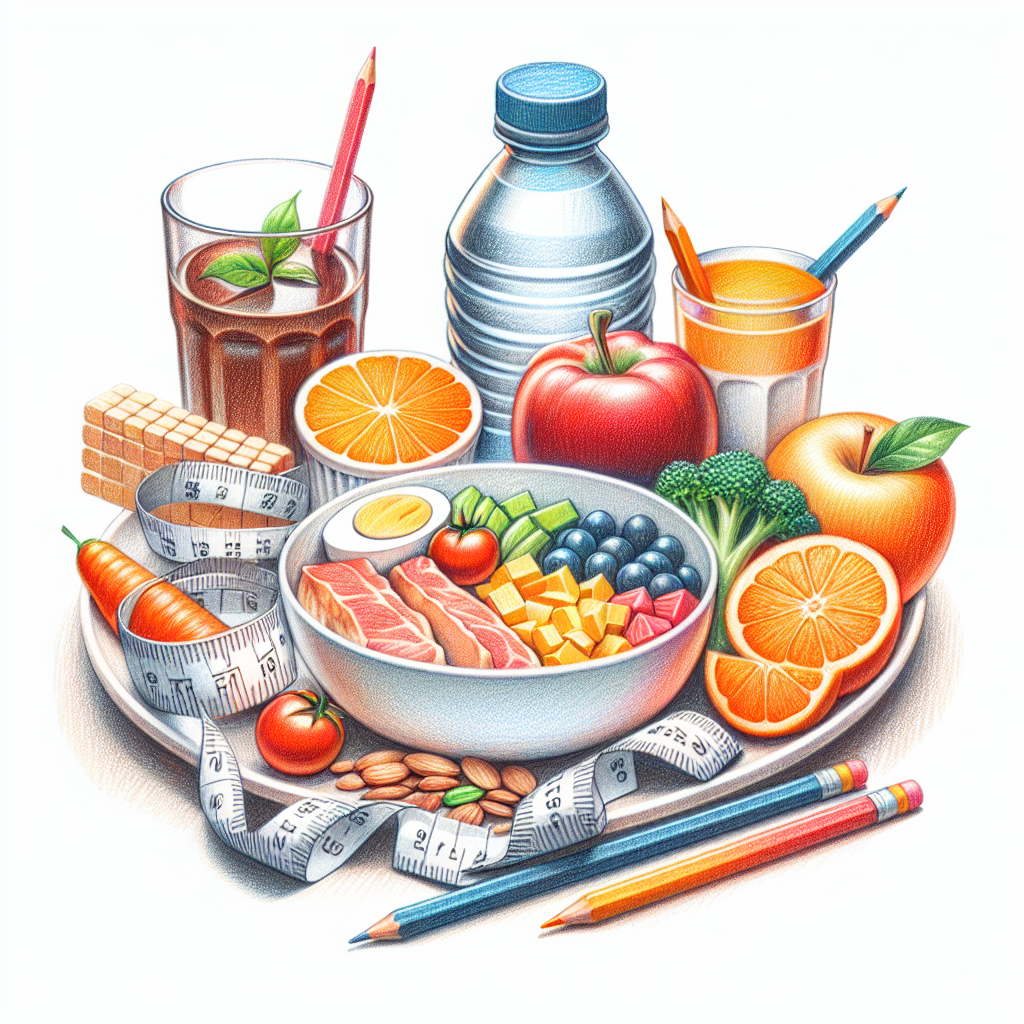
Embarking on a weight loss journey is a significant undertaking, and an effective meal plan serves as a cornerstone for achieving your goals. The right nutritional strategy not only aids in shedding pounds but also fosters long-term health and well-being. A meal plan tailored for weight loss can simplify choices, control portions, and enhance overall satisfaction with healthy eating. Below, we delve into the essentials of crafting the best meal plan for weight loss while offering practical tips for sustained success.
- Understanding the Basics of Meal Planning
- Essential Components of a Weight Loss Meal Plan
- Sample Meal Plan for One Week
- Incorporating Exercise into Your Routine
- When to Consult a Professional
- Common Myths and Mistakes in Meal Planning
- Frequently Asked Questions
- Conclusion
Understanding the Basics of Meal Planning
Meal planning involves preparing meals in advance, allowing you to make informed choices about what to eat. This method is especially effective for weight loss as it helps control calorie intake and ensures you stick to your dietary goals. An organized meal plan allows for variety, keeps grocery trips manageable, and can even reduce food waste. By dedicating a small amount of time each week to plan your meals, you set yourself up for success.
Essential Components of a Weight Loss Meal Plan
A successful meal plan for weight loss should include the following components:
- Balanced Macronutrients: Aim for a healthy mix of carbohydrates, proteins, and fats. For instance, include whole grains, lean proteins, and healthy fats to support your body’s nutritional needs.
- Portion Control: Be mindful of serving sizes to prevent overeating. Utilizing measuring cups or a food scale can be beneficial.
- Whole Foods: Focus on minimally processed foods like fruits, vegetables, nuts, and whole grains instead of sugary snacks and processed options.
- Hydration: Drink plenty of water throughout the day; it can help curb hunger and keep your metabolism active.
Sample Meal Plan for One Week
Below is a sample one-week meal plan. Feel free to adjust it according to your dietary preferences:
- Day 1: Oatmeal with berries and a handful of almonds; Grilled chicken salad for lunch; Grilled salmon with steamed broccoli for dinner.
- Day 2: Greek yogurt with honey and mixed nuts; Quinoa and black bean bowl; Stir-fried tofu with vegetables.
- Day 3: Smoothie with spinach, banana, and protein powder; Turkey wrap with lettuce; Baked sweet potato with chili.
- Day 4: Scrambled eggs with spinach and tomatoes; Lentil soup; Zucchini noodles with marinara sauce.
- Day 5: Chia seed pudding with fruit; Grilled shrimp with brown rice; Vegetable curry.
- Day 6: Whole grain toast with avocado; Spinach salad; Baked chicken with asparagus.
- Day 7: Smoothie bowl topped with nuts; Grilled vegetable sandwich; Seafood stir-fry.
Incorporating Exercise into Your Routine
To maximize the effectiveness of your meal plan, incorporate regular exercise into your daily routine. Short, six-minute workouts at home can be particularly impactful; these high-intensity bursts can stimulate metabolism, enhance muscle tone, and improve overall energy levels. The beauty of these quick workouts lies in their accessibility; you can fit them into a busy day, be it during a coffee break or just before dinner. Explore the SixPack workout program for a free 30-day trial, and experience the magic of short home workouts.
When to Consult a Professional
While a meal plan can be beneficial, there are instances when you should seek the guidance of a qualified professional, such as a registered dietitian or a healthcare provider. Consider consulting with a professional if you:
- Have specific dietary restrictions or health conditions.
- Experience significant weight fluctuations or challenges.
- Find it difficult to establish a sustainable eating plan.
- Are unsure about nutritional needs during different life stages.
Common Myths and Mistakes in Meal Planning
Numerous misconceptions surrounding meal planning can hinder progress on your weight loss journey. It is essential to dispel the following myths:
- All carbs are bad: Not all carbohydrates are created equal; whole grains and fruits are essential for energy and overall health.
- Skipping meals helps with weight loss: This can lead to overeating later. Regular meals keep your metabolism steady.
- Fat is always bad: Healthy fats, such as those found in avocados and nuts, are vital for nutrient absorption and overall well-being.
Frequently Asked Questions
How many calories should I consume daily to lose weight?
The ideal calorie intake varies based on individual factors such as age, gender, activity level, and weight loss goals. A registered dietitian can provide a personalized plan.
Can I eat snacks while following a weight loss meal plan?
Yes, healthy snacks can help control hunger between meals. Opt for nutritious options like fruits, vegetables, or nuts.
Is it necessary to count calories?
While calorie counting can be helpful for some, focusing on the quality of your food and maintaining portion control may be more beneficial for others.
How often should I adjust my meal plan?
Regularly evaluate your meal plan every few weeks to ensure it aligns with your goals and lifestyle changes. Adjust as necessary based on your progress.
Are meal prep services worth it?
Meal prep services can save time and help with portion control. However, ensure the meals align with your nutritional goals and preferences.
What role does hydration play in weight loss?
Staying well-hydrated is crucial for overall health and can help manage appetite. Aim to drink at least 8 cups of water daily.
Conclusion
- Meal planning is instrumental in achieving weight loss goals.
- A balanced diet with proper portion control is essential for success.
- Incorporating exercise, including short workouts, amplifies the weight loss effects.
- Sustaining a long-term approach is more beneficial than drastic short-term diets.
- Consulting with professionals can provide personalized guidance tailored to your needs.
Start your weight loss journey with a solid meal plan and consider integrating effective exercise routines like the SixPack workout program. By prioritizing your health today, you pave the way for a healthier future.
Author: John Angel