
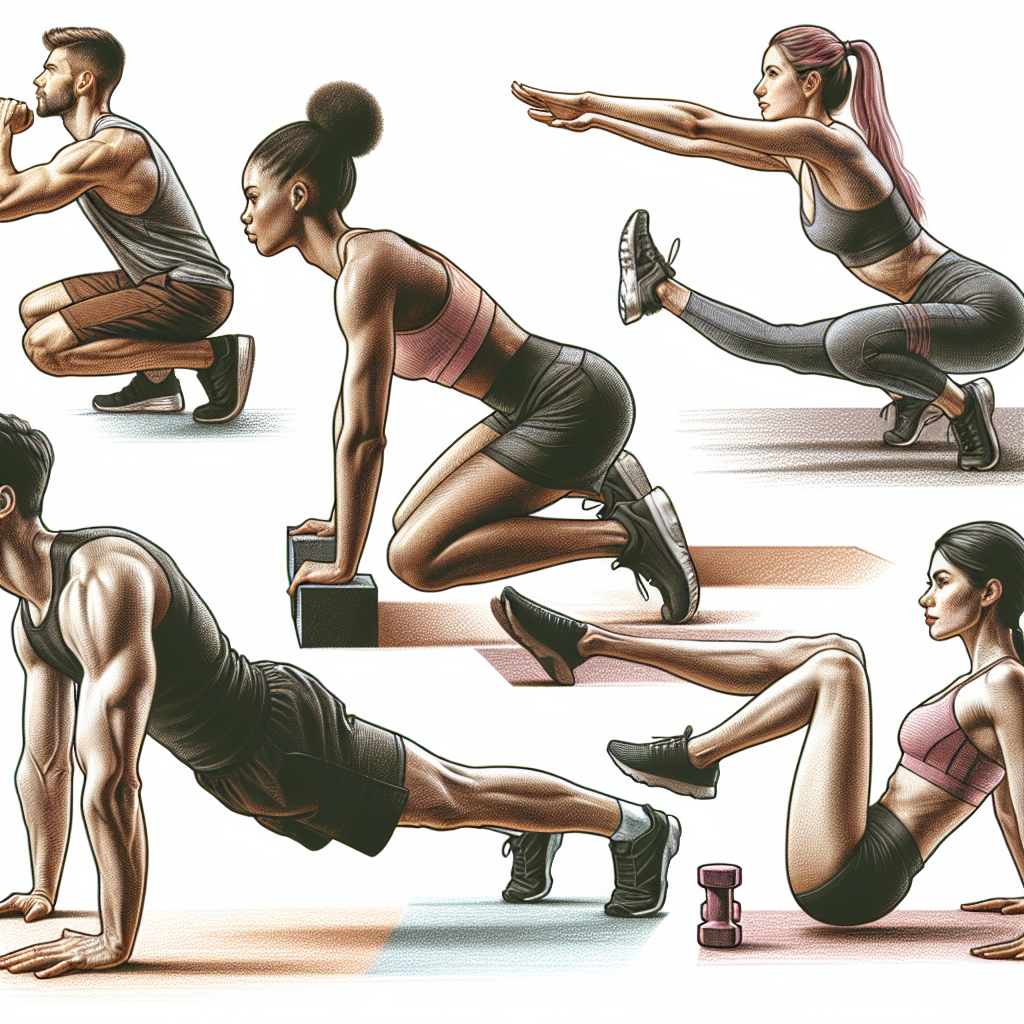
The Best Strength Training Without Weights
Strength training has long been associated with weightlifting and gym equipment, yet it is entirely possible to achieve impressive strength gains without the use of any weights. Bodyweight exercises can offer a comprehensive workout routine that improves muscle strength, endurance, and flexibility. This article will delve into the most effective bodyweight exercises, their benefits, and how to incorporate them into a regular fitness regimen.
- Understanding Bodyweight Training
- Benefits of Strength Training Without Weights
- Key Bodyweight Exercises for Strength
- How to Structure a Bodyweight Workout
- Debunking Common Myths about Bodyweight Training
- When to Consult a Fitness Professional
- Frequently Asked Questions
Understanding Bodyweight Training
Bodyweight training utilizes the individual’s own weight as resistance. This method has been employed for centuries in various cultures, often focusing on functional movements that engage multiple muscle groups simultaneously. Exercises such as push-ups, squats, and planks exemplify this approach, making it accessible to individuals at all fitness levels.
Benefits of Strength Training Without Weights
Engaging in strength training without weights presents several advantages:
- Accessibility: No gym membership or equipment is required.
- Cost-effective: It reduces expenses associated with buying gym equipment or paying for fitness classes.
- Flexibility: You can perform exercises anywhere, making it easy to fit into a busy lifestyle.
- Functional Strength: Many bodyweight exercises enhance overall functional strength and coordination.
- Reduced Risk of Injury: Bodyweight training generally poses a lower injury risk, especially for beginners.
Key Bodyweight Exercises for Strength
Incorporating a variety of exercises can target different muscle groups effectively. Below are some essential bodyweight exercises:
- Push-Ups: Strengthens chest, shoulders, and triceps.
- Squats: Targets the lower body, including the quadriceps, hamstrings, and glutes.
- Lunges: Engages legs and core while improving balance.
- Planks: Builds core strength and stability.
- Burpees: A full-body exercise that also improves cardiovascular endurance.
- Mountain Climbers: Enhances cardio while working the core and legs.
How to Structure a Bodyweight Workout
Creating a structured workout routine can optimize results. Here’s a simple approach to designing a workout:
- Warm-Up: Start with 5-10 minutes of dynamic stretching or light cardio.
- Choose 5-6 exercises from the list above.
- Perform each exercise for 30-60 seconds, followed by a 15-second rest.
- Complete 3-4 rounds of the circuit.
- Cool Down: Finish with stretching to promote flexibility and recovery.
If you’re looking for a more streamlined program, consider registering for a 30-day exercise program that requires only 6 minutes of daily commitment yet promises gym-like results.
Debunking Common Myths about Bodyweight Training
Despite the numerous benefits of bodyweight training, misapprehensions persist:
- Myth 1: Bodyweight training is only for beginners. Fact: It can be tailored for all levels, with advanced variations for experienced individuals.
- Myth 2: You cannot build muscle without weights. Fact: Progressive overload can still be achieved with body weight through increased repetitions and exercise variations.
- Myth 3: It is less effective than gym workouts. Fact: Many bodyweight exercises engage multiple muscle groups, often producing equivalent or better results.
When to Consult a Fitness Professional
While bodyweight training is accessible, there are instances where consultation with a fitness professional may be beneficial:
- If you experience persistent pain or discomfort during exercises.
- When recovering from an injury, it is essential to ensure a safe return to exercise.
- If you are unsure of proper exercise form or technique.
- When seeking personalized workout and nutrition plans tailored to your specific goals.
- If you have chronic health conditions that may affect your ability to perform certain exercises.
Frequently Asked Questions
Can bodyweight exercises build muscle?
Yes, bodyweight exercises can effectively build muscle by increasing resistance through variations and increased repetitions.
How often should I do bodyweight training?
It is advisable to engage in bodyweight training 3-4 times a week, allowing for rest days in between.
Are bodyweight exercises suitable for seniors?
Yes, many bodyweight exercises can be adjusted to meet the needs of seniors, promoting strength and balance.
What if I can’t do a standard push-up?
You can modify a push-up by doing it on your knees or against a wall to build strength progressively.
How do I track my progress in bodyweight training?
Track your progress by recording the number of repetitions, variations attempted, or by timing your workouts for improvement.
Do I need a special diet for bodyweight training?
A balanced diet rich in proteins, healthy fats, and carbohydrates will support muscle recovery and performance, but a specialized diet is not necessarily required.
Conclusion
- Bodyweight training is an effective method for building strength without weights.
- It is accessible, cost-effective, and adaptable to various fitness levels.
- Incorporating a variety of exercises can target multiple muscle groups.
- Consult a professional if you experience pain, are recovering from an injury, or desire personalized guidance.
- Consistent workouts, even short ones, can yield impressive results over time.
To maximize your fitness journey, consider trying the 30-day exercise program that effectively condenses effort into a manageable 6 minutes per day. Get started today and explore the world of strength training without weights!
Author: John Angel