Best Way to Build Muscle Without Weights
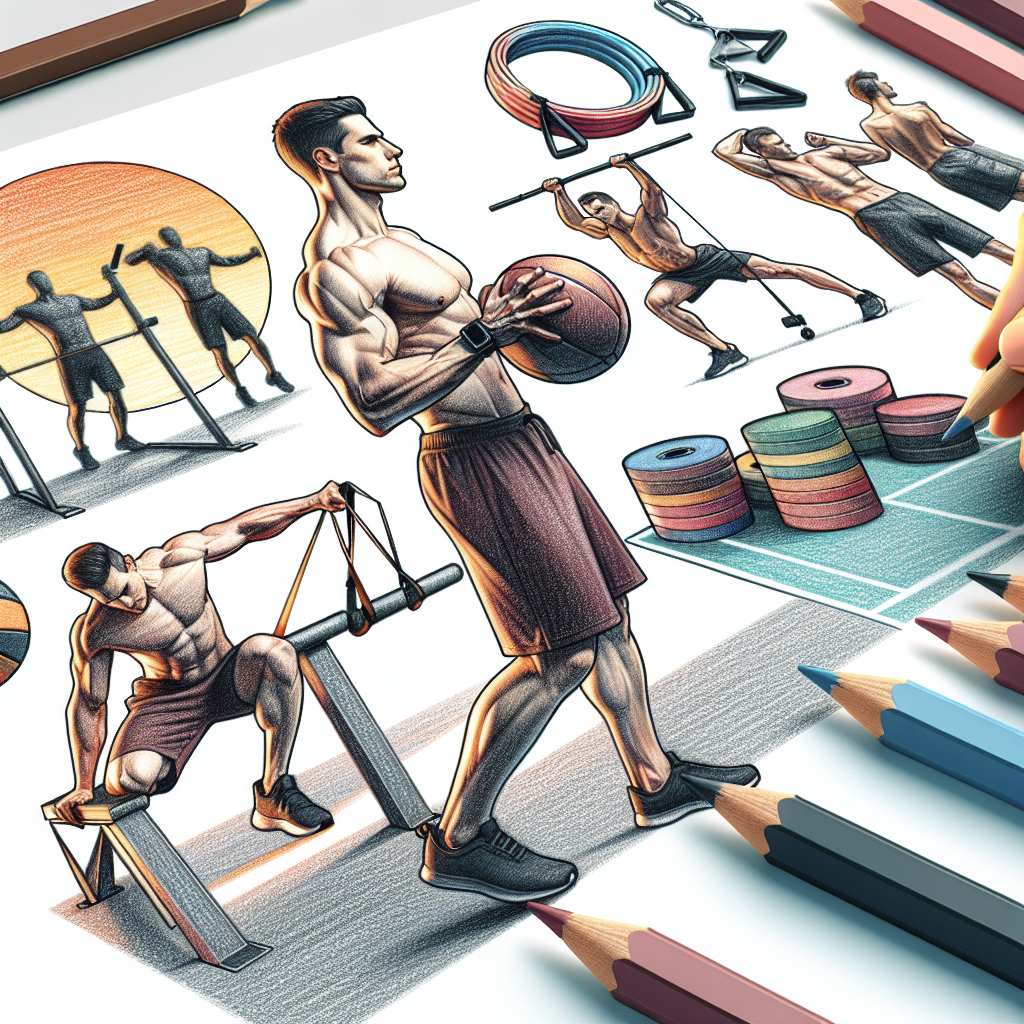
Building muscle traditionally involves lifting weights, but for various reasons—including accessibility, safety, or personal preference—some individuals seek effective alternatives. Fortunately, it is entirely possible to enhance muscle growth using bodyweight exercises, resistance bands, and innovative training techniques. This article will guide you through these options, providing practical strategies to help you achieve your fitness goals without ever stepping foot in a gym.
- Understanding Bodyweight Exercises
- Utilizing Resistance Bands
- Implementing Isometric Exercises
- Incorporating High-Intensity Interval Training (HIIT)
- Establishing a Routine
- When to Consult a Professional
- Common Myths and Mistakes
- FAQ
Understanding Bodyweight Exercises
Bodyweight exercises harness the individual’s mass for resistance, promoting muscle hypertrophy (growth). Exercises such as push-ups, squats, and lunges can effectively target major muscle groups.
Key Bodyweight Exercises
- Push-Ups: Targets chest, shoulders, and triceps.
- Squats: Engages quadriceps, hamstrings, and glutes.
- Pull-Ups: Strengthens back, shoulders, and arms.
- Planks: Develops core stability and strength.
Utilizing Resistance Bands
Resistance bands offer a portable, versatile option for strength training. They provide varying resistance levels, enabling users to progressively overload muscles effectively.
Benefits of Resistance Bands
- Portability: Easily transportable for workouts anywhere.
- Versatility: Suitable for different muscle groups and exercise types.
- Progressive Resistance: Gradually increase resistance to enhance muscle gains.
Implementing Isometric Exercises
Isometric exercises involve muscle contraction without movement, effectively promoting strength without the need for weights. Examples include wall sits and static lunges.
Examples of Isometric Exercises
- Wall Sits: Strengthens quadriceps and glutes.
- Plank Variations: Develops core strength and endurance.
- Static Lunges: Engages multiple lower body muscles.
Incorporating High-Intensity Interval Training (HIIT)
HIIT consists of short bursts of intense exercise followed by rest or low-intensity activity. This approach not only builds muscle but also improves cardiovascular health.
HIIT Workout Structure
- Choose Exercises: Select 4-6 exercises that target major muscle groups.
- Time Intervals: Work at high intensity for 20-30 seconds, followed by 10-30 seconds of rest.
- Repeat: Aim for 15-20 minutes total.
Establishing a Routine
Consistency is crucial for muscle growth. Aim to engage in strength training at least three times per week, incorporating the exercises outlined above.
Sample Weekly Schedule
- Monday: Bodyweight exercises (push-ups, squats)
- Wednesday: Resistance band training
- Friday: HIIT session
- Saturday: Isometric exercises
Additionally, you might consider joining a structured program like the 30-day exercise program that only requires 6 minutes of your time each day yet promises results comparable to traditional gym workouts.
When to Consult a Professional
While bodyweight training is generally safe, there are circumstances where seeking professional advice is advisable. Consider consulting a fitness expert if:
- You experience persistent pain or discomfort during exercises.
- You have pre-existing medical conditions or injuries affecting your ability to exercise.
- You find it challenging to design an effective workout plan tailored to your needs.
Common Myths and Mistakes
Understanding common misconceptions is vital to enhancing your fitness journey. Here are a few prevalent myths regarding muscle building without weights:
Myth 1: Bodyweight Exercises Are Ineffective
Contrary to this belief, bodyweight exercises can indeed provide significant strength gains when performed correctly and progressively.
Myth 2: More Reps Equal More Results
While repetition is crucial, focusing on proper form and intensity offers more substantial benefits than sheer volume.
Myth 3: You Cannot Build Muscle Without Heavy Weights
Numerous athletes and fitness enthusiasts have successfully built muscle using only bodyweight and resistance bands.
FAQ
Can I build muscle with bodyweight exercises alone?
Yes, bodyweight exercises can promote muscle growth effectively if performed correctly and consistently.
How often should I do these exercises to see results?
Engaging in strength training at least three times a week is recommended for optimal results.
Do I need to follow a specific diet to build muscle?
A balanced diet rich in protein, carbohydrates, and healthy fats supports muscle growth alongside your workout routine.
Can beginners perform bodyweight exercises?
Absolutely. Bodyweight exercises can be adapted for all fitness levels, including beginners.
How can I measure my progress without weights?
Monitor your performance by tracking rep counts, increasing duration of holds, or moving to more challenging variations of exercises.
Is it necessary to hire a personal trainer?
While not necessary, a personal trainer can provide individualized guidance, especially for those new to exercise or with specific needs.
Conclusion
- Bodyweight exercises, resistance bands, and isometric workouts are effective methods for building muscle without traditional weights.
- Consistency and proper technique are key factors in achieving desired results.
- Incorporating a structured program can enhance your efficiency and outcomes.
- Consult a professional if you experience pain or struggle to determine the right approach.
- Stay informed about common misconceptions to optimize your workout strategy.
Ready to start your journey toward muscle growth without weights? Explore the benefits of a consistent routine and consider joining a 30-day exercise program designed to yield results in just 6 minutes a day!
Author: John Angel