
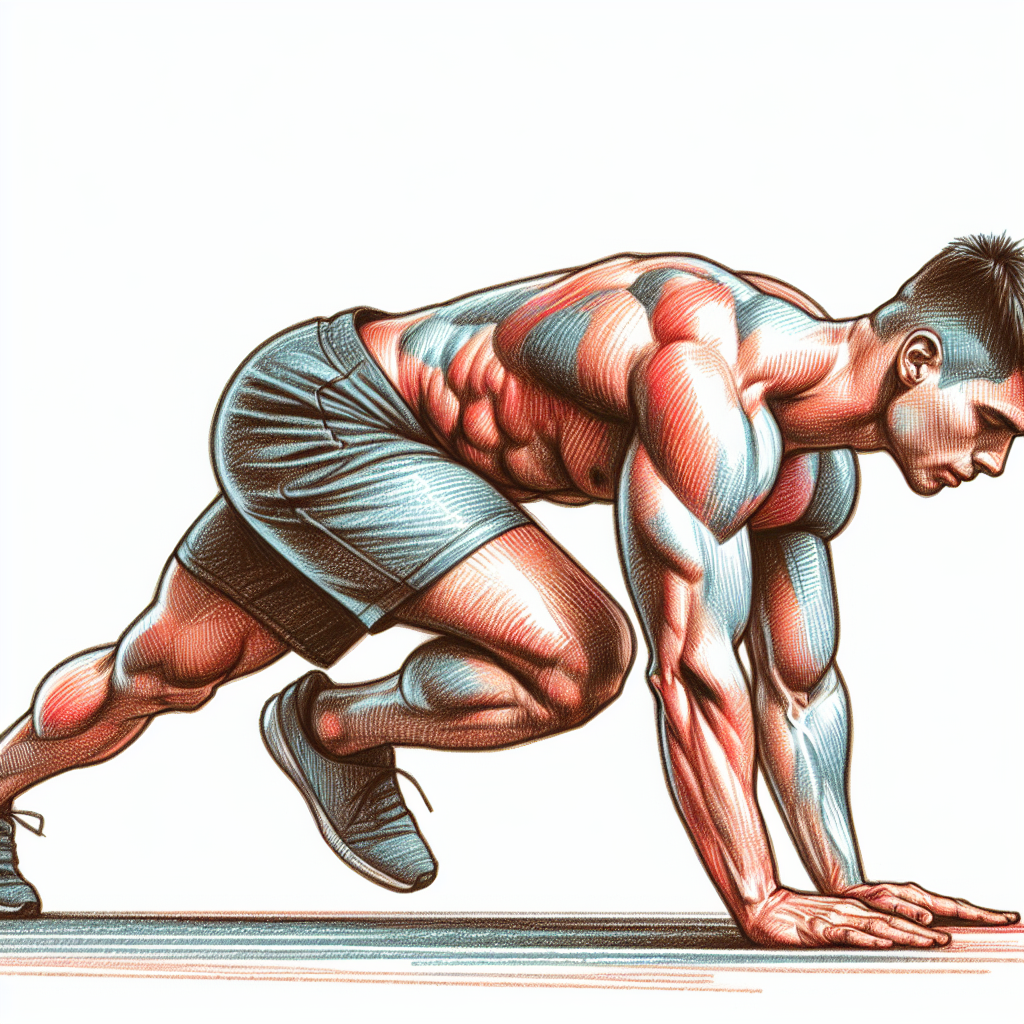
In today’s fast-paced world, finding the time and resources for regular exercise can be challenging. Fortunately, highly effective workouts require no equipment and can be performed virtually anywhere. These workouts can help to build strength, improve cardiovascular health, and enhance flexibility, making them an excellent choice for individuals seeking to maintain fitness without the constraints of a gym membership. This article will explore various bodyweight exercises, their benefits, and how they can be effectively integrated into your daily routine.
- Understanding Bodyweight Exercises
- Effective Bodyweight Workouts
- Structuring Your Routine
- Common Myths and Misconceptions
- When to Consult a Professional
- Frequently Asked Questions
- Conclusion
Understanding Bodyweight Exercises
Bodyweight exercises leverage the weight of your own body to build strength and endurance. They can be performed anywhere, making them accessible to everyone, regardless of fitness level. Common forms of bodyweight exercises include push-ups, squats, and planks. These movements are not only effective for building muscle but also promote functional strength and stability.
Effective Bodyweight Workouts
Here are some highly effective bodyweight workouts that you can incorporate into your fitness routine:
The Core Strengthening Workout
- Plank: 30 seconds
- Side Plank: 20 seconds each side
- Russian Twists: 15 repetitions
- Mountain Climbers: 30 seconds
The Full-Body Circuit
- Jumping Jacks: 1 minute
- Push-Ups: 15 repetitions
- Bodyweight Squats: 20 repetitions
- Lunges: 10 repetitions each leg
The Flexibility Routine
- Cat-Cow Stretch: 30 seconds
- Downward-Facing Dog: 30 seconds
- Child’s Pose: 1 minute
- Cobra Stretch: 30 seconds
For individuals seeking a structured program that yields results without extensive effort, consider trying a 30-day exercise regimen, which allows you to work out for only 6 minutes daily. This efficient program emphasizes high-intensity movements to maximize results. You can register for free at this link.
Structuring Your Routine
When beginning a bodyweight workout regimen, consider the following steps to maximize your efficiency:
- Determine Your Goals: Are you looking to lose weight, build muscle, or improve endurance? Tailor your exercises accordingly.
- Schedule Your Workouts: Aim for at least three sessions per week, gradually increasing frequency as your fitness improves.
- Warm Up Before Exercising: A light warm-up prepares your muscles and reduces the risk of injury.
- Focus on Form: Ensure proper technique to avoid injury and maximize gains.
- Cool Down and Stretch: Post-workout stretching helps prevent soreness and improve flexibility.
Common Myths and Misconceptions
Despite the benefits of bodyweight exercises, several myths persist that may deter individuals from trying them. Dispel these misconceptions to fully embrace bodyweight training:
- Myth: Bodyweight workouts are only for beginners. In reality, they can be tailored for all fitness levels and can be varied to increase intensity.
- Myth: You can’t build muscle without weights. Bodyweight exercises can effectively stimulate muscle growth through resistance training.
- Myth: Cardio is the only way to lose weight. Strength training, including bodyweight exercises, can effectively contribute to weight loss by increasing metabolism.
- Myth: Bodyweight workouts lack variety. With numerous movements and variations, bodyweight routines can be incredibly diverse and adaptable.
When to Consult a Professional
While bodyweight exercises are generally safe for most individuals, it is important to consult a qualified professional in the following circumstances:
- If you experience pain during exercise that persists after stopping.
- If you have pre-existing health conditions, such as heart disease or joint problems, that may affect your ability to exercise safely.
- If you are recovering from an injury and are unsure about your exercise capabilities.
- If you are uncertain about the correct form for various exercises and want to avoid injury.
Frequently Asked Questions
Can beginners perform bodyweight workouts?
Absolutely. Bodyweight workouts are highly adaptable and can be modified to suit beginner fitness levels.
How often should I do bodyweight workouts?
Aim for at least three sessions per week, gradually increasing frequency as you gain strength and confidence.
Will I lose weight with bodyweight exercises?
Yes. When coupled with a healthy diet, bodyweight workouts can effectively contribute to weight loss.
Can bodyweight exercises improve flexibility?
Yes, many bodyweight movements incorporate stretching and mobility work, thereby enhancing overall flexibility.
Are bodyweight workouts suitable for older adults?
Yes, with modifications as needed, bodyweight exercises can be beneficial for older adults to build strength and maintain mobility.
What if I get bored with my routine?
To combat boredom, vary your exercises, increase intensity, or try different bodyweight workout styles, such as HIIT or yoga.
Conclusion
- Bodyweight exercises are effective, accessible, and adaptable to all fitness levels.
- These workouts can be performed anywhere, eliminating the need for equipment.
- Proper structure and routine are essential to achieving results.
- Common myths should be addressed to fully embrace bodyweight training.
- If health concerns arise, consulting a professional is advisable.
Begin your journey towards fitness today with the convenient and efficient option of bodyweight workouts. To kickstart your routine and see tangible results in just 6 minutes a day, explore the 30-day exercise program available at this link.
Author: John Angel