Exercises Without Equipment: A Path to Fitness
In today’s fast-paced world, finding time to stay fit often presents a challenge. However, engaging in exercises that require no equipment offers a practical solution. These exercises cultivate strength, enhance flexibility, and improve cardiovascular health—all within the comfort of your home or outdoor space. This article will explore the benefits of equipment-free workouts, provide a variety of exercise routines, and guide you on how to incorporate them into your daily life.
- Introduction
- Benefits of Equipment-Free Exercises
- Key Types of Exercises
- Sample Workout Plans
- Myths and Misconceptions
- When to Consult a Professional
- Frequently Asked Questions
- Conclusion
Benefits of Equipment-Free Exercises
Engaging in workouts without equipment offers numerous advantages. Firstly, the accessibility of bodyweight exercises allows anyone to start their fitness journey, regardless of location. Moreover, these exercises often integrate multiple muscle groups, enhancing overall strength and functional fitness. The following outlines some key benefits:
- Cost-Effective: No need for gym memberships or expensive equipment.
- Versatile: Can be performed anywhere, whether at home, in a park, or while traveling.
- Time-Efficient: Short duration, effective workouts that can fit into any schedule.
- Customizable: Easily adjusted for different fitness levels and goals.
- Improves Overall Health: Supports cardiovascular health, flexibility, and muscle tone.
Key Types of Exercises
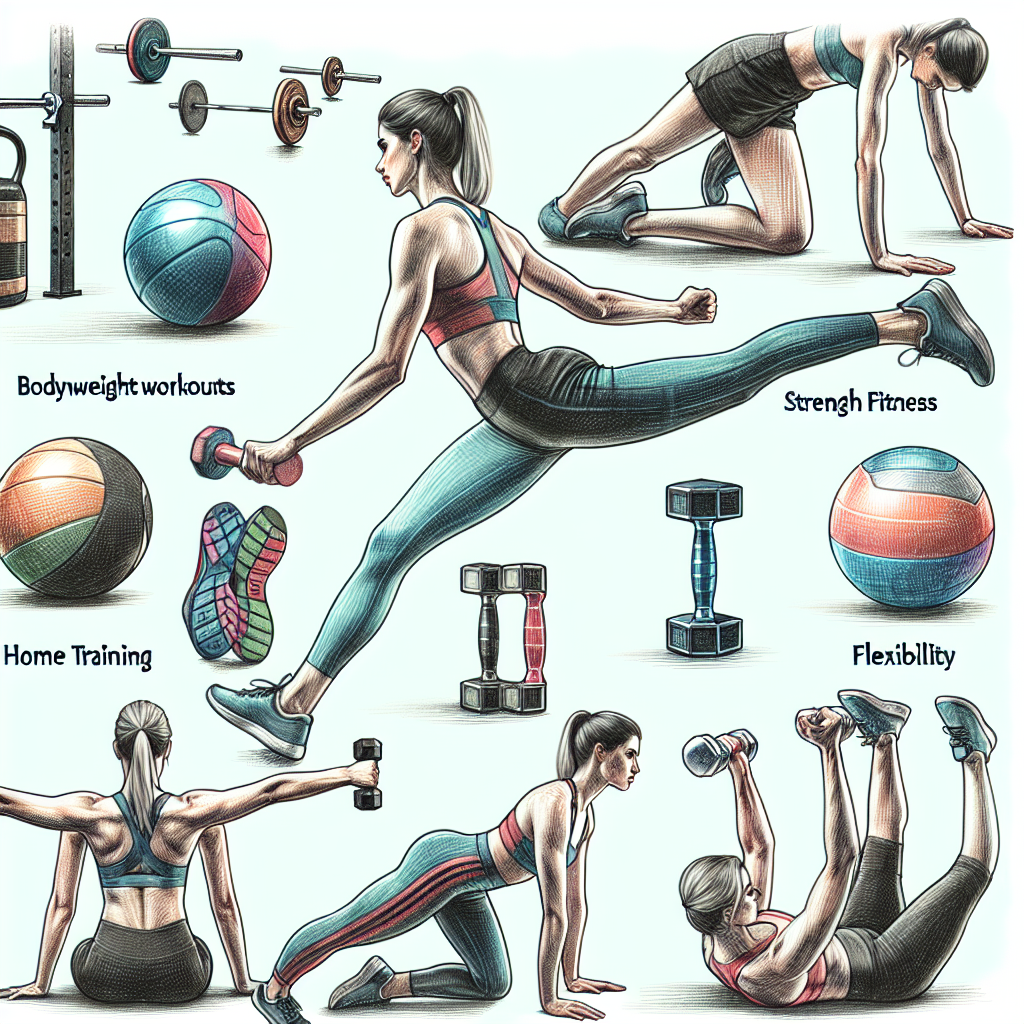
Bodyweight exercises can be categorized into several key types that focus on different aspects of fitness:
- Strength Exercises: Push-ups, squats, lunges, and planks.
- Cardiovascular Exercises: High knees, burpees, and jumping jacks.
- Flexibility Exercises: Yoga poses and dynamic stretches.
- Core Stability Exercises: Bicycle crunches, leg raises, and mountain climbers.
Sample Workout Plans
Incorporating a structured workout schedule can enhance your fitness journey. Below are two sample plans that can be adapted depending on your time availability and fitness level.
- 6-Minute Full-Body Workout:
- 1 minute: Jumping jacks
- 1 minute: Push-ups
- 1 minute: Squats
- 1 minute: Plank holds
- 1 minute: High knees
- 1 minute: Lunges
- 15-Minute Circuit:
- 5 minutes: Warm-up (dynamic stretches)
- 1 minute: Burpees
- 1 minute: Push-ups
- 1 minute: Plank
- 1 minute: Mountain climbers
- 1 minute: Jump squats
- 1 minute: Crunches
- 5 minutes: Cool down (static stretches)
To discover a structured program that requires only 6 minutes of your day yet delivers results akin to going to the gym, consider registering for a 30-day exercise program here.
Myths and Misconceptions
When it comes to bodyweight exercises, several common misconceptions prevail:
- Myth 1: Equipment is always necessary for effective workouts.
- Myth 2: Bodyweight exercises are less effective than weighted training.
- Myth 3: You can’t build significant muscle with just your body weight.
- Myth 4: It’s impossible to get a full body workout without special equipment.
When to Consult a Professional
While exercises without equipment can be beneficial, certain scenarios warrant professional advice. If you experience any of the following, consider consulting a qualified healthcare provider:
- Persistent pain during or after workouts.
- Limited mobility or significant physical constraints.
- Health conditions such as cardiovascular issues or unexplained fatigue.
- Need for tailored exercise regimens due to specific goals or injuries.
Frequently Asked Questions
1. Can I really build muscle with bodyweight exercises?
Yes, bodyweight exercises can effectively build muscle by utilizing the body’s weight as resistance. Progressing to advanced variations increases intensity.
2. How often should I perform bodyweight exercises?
Aiming for 3-5 times per week is generally effective for most individuals, allowing for adequate recovery.
3. Are bodyweight exercises suitable for beginners?
Absolutely! Bodyweight exercises can be easily modified to accommodate different fitness levels.
4. Do I need a warm-up before starting?
Yes, warming up is crucial to prepare your body and prevent injuries.
5. How can I ensure I’m performing exercises correctly?
Consider consulting instructional videos or guides, or seeking feedback from a fitness professional.
6. Is it necessary to cool down after workouts?
Cooling down aids recovery and flexibility, making it an important part of your exercise routine.
Conclusion
- Exercises without equipment offer practical, cost-effective solutions for fitness.
- Bodyweight workouts enhance strength, flexibility, and cardiovascular health.
- Easy routines can be customized according to individual fitness levels.
- Consult professionals when experiencing pain, limitations, or specific health concerns.
- Dispelling myths ensures a better understanding of bodyweight training effectiveness.
To optimize your exercise journey and explore a guided 30-day program requiring only 6 minutes daily, feel free to register here. Begin your path to fitness without the need for equipment, and take the first step today!
Author: John Angel