
Categories
Fitness

Effective Exercises Without Equipment for All Fitness Levels

Exercises Without Equipment: A Path to Fitness

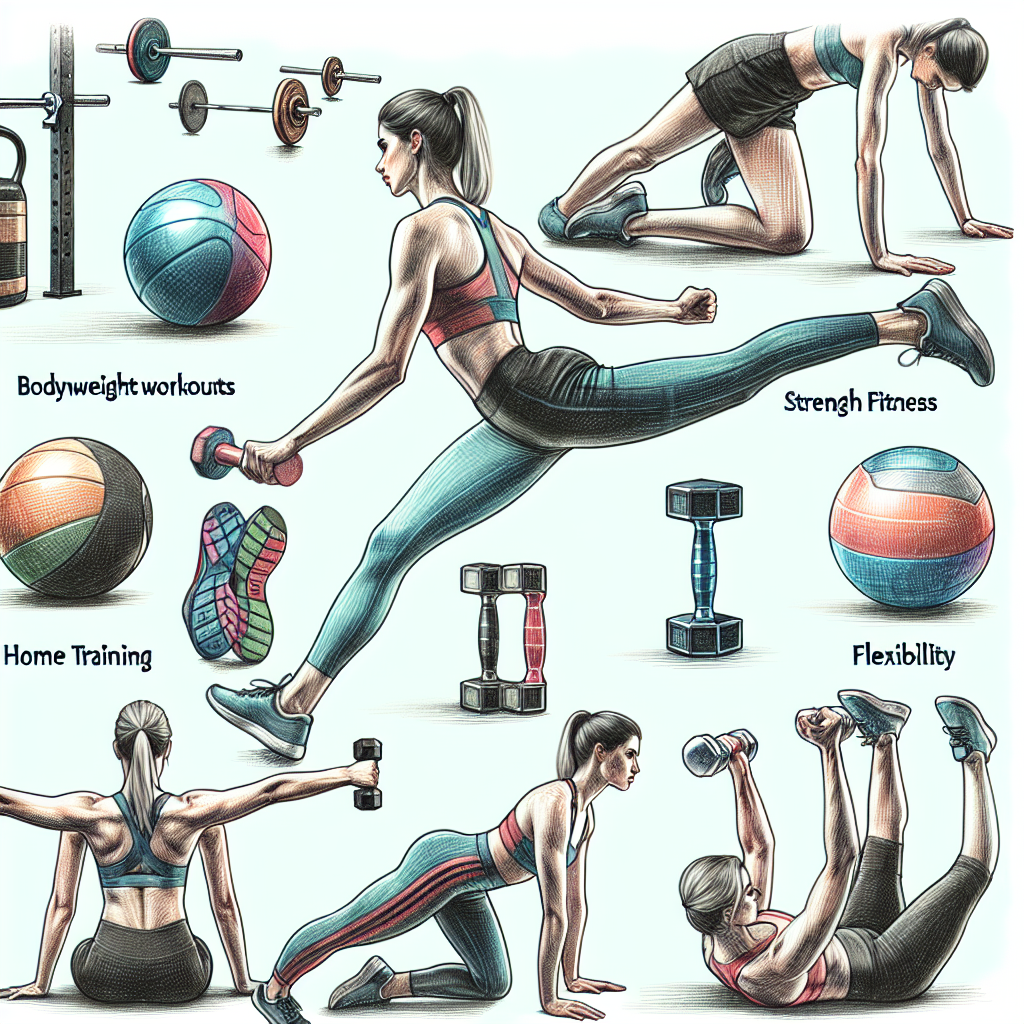
In today’s fast-paced world, finding time to stay fit often presents a challenge. However, engaging in exercises that require no equipment offers a practical solution. These exercises cultivate strength, enhance flexibility, and improve cardiovascular health—all within the comfort of your home or outdoor space. This article will explore the benefits of equipment-free workouts, provide a variety of exercise routines, and guide you on how to incorporate them into your daily life.

  • Introduction
  • Benefits of Equipment-Free Exercises
  • Key Types of Exercises
  • Sample Workout Plans
  • Myths and Misconceptions
  • When to Consult a Professional
  • Frequently Asked Questions
  • Conclusion

Benefits of Equipment-Free Exercises

Engaging in workouts without equipment offers numerous advantages. Firstly, the accessibility of bodyweight exercises allows anyone to start their fitness journey, regardless of location. Moreover, these exercises often integrate multiple muscle groups, enhancing overall strength and functional fitness. The following outlines some key benefits:

  • Cost-Effective: No need for gym memberships or expensive equipment.
  • Versatile: Can be performed anywhere, whether at home, in a park, or while traveling.
  • Time-Efficient: Short duration, effective workouts that can fit into any schedule.
  • Customizable: Easily adjusted for different fitness levels and goals.
  • Improves Overall Health: Supports cardiovascular health, flexibility, and muscle tone.

Key Types of Exercises

Bodyweight exercises can be categorized into several key types that focus on different aspects of fitness:

  • Strength Exercises: Push-ups, squats, lunges, and planks.
  • Cardiovascular Exercises: High knees, burpees, and jumping jacks.
  • Flexibility Exercises: Yoga poses and dynamic stretches.
  • Core Stability Exercises: Bicycle crunches, leg raises, and mountain climbers.

Sample Workout Plans

Incorporating a structured workout schedule can enhance your fitness journey. Below are two sample plans that can be adapted depending on your time availability and fitness level.

  1. 6-Minute Full-Body Workout:
    • 1 minute: Jumping jacks
    • 1 minute: Push-ups
    • 1 minute: Squats
    • 1 minute: Plank holds
    • 1 minute: High knees
    • 1 minute: Lunges
  2. 15-Minute Circuit:
    • 5 minutes: Warm-up (dynamic stretches)
    • 1 minute: Burpees
    • 1 minute: Push-ups
    • 1 minute: Plank
    • 1 minute: Mountain climbers
    • 1 minute: Jump squats
    • 1 minute: Crunches
    • 5 minutes: Cool down (static stretches)

To discover a structured program that requires only 6 minutes of your day yet delivers results akin to going to the gym, consider registering for a 30-day exercise program here.

Myths and Misconceptions

When it comes to bodyweight exercises, several common misconceptions prevail:

  • Myth 1: Equipment is always necessary for effective workouts.
  • Myth 2: Bodyweight exercises are less effective than weighted training.
  • Myth 3: You can’t build significant muscle with just your body weight.
  • Myth 4: It’s impossible to get a full body workout without special equipment.

When to Consult a Professional

While exercises without equipment can be beneficial, certain scenarios warrant professional advice. If you experience any of the following, consider consulting a qualified healthcare provider:

  • Persistent pain during or after workouts.
  • Limited mobility or significant physical constraints.
  • Health conditions such as cardiovascular issues or unexplained fatigue.
  • Need for tailored exercise regimens due to specific goals or injuries.

Frequently Asked Questions

1. Can I really build muscle with bodyweight exercises?

Yes, bodyweight exercises can effectively build muscle by utilizing the body’s weight as resistance. Progressing to advanced variations increases intensity.

2. How often should I perform bodyweight exercises?

Aiming for 3-5 times per week is generally effective for most individuals, allowing for adequate recovery.

3. Are bodyweight exercises suitable for beginners?

Absolutely! Bodyweight exercises can be easily modified to accommodate different fitness levels.

4. Do I need a warm-up before starting?

Yes, warming up is crucial to prepare your body and prevent injuries.

5. How can I ensure I’m performing exercises correctly?

Consider consulting instructional videos or guides, or seeking feedback from a fitness professional.

6. Is it necessary to cool down after workouts?

Cooling down aids recovery and flexibility, making it an important part of your exercise routine.

Conclusion

  • Exercises without equipment offer practical, cost-effective solutions for fitness.
  • Bodyweight workouts enhance strength, flexibility, and cardiovascular health.
  • Easy routines can be customized according to individual fitness levels.
  • Consult professionals when experiencing pain, limitations, or specific health concerns.
  • Dispelling myths ensures a better understanding of bodyweight training effectiveness.

To optimize your exercise journey and explore a guided 30-day program requiring only 6 minutes daily, feel free to register here. Begin your path to fitness without the need for equipment, and take the first step today!

Author: John Angel

Related articles

Categories
Fitness

Free Bodyweight Workout Plans for Effective Weight Loss

Free Bodyweight Workout Plans: Unlocking Your Weight Loss Journey

In an age where convenience meets efficiency, bodyweight workouts have emerged as a vital solution for those committed to their weight loss journey. These workouts offer flexibility, require no equipment, and can be performed nearly anywhere. This blog post aims to equip you with effective bodyweight workout plans while highlighting the incredible benefits of short, intense workouts that can fit seamlessly into your daily routine.

  • Introduction to Bodyweight Workouts
  • Benefits of Six-Minute Workouts
  • Creating Your Workout Plan
  • Common Misconceptions
  • When to Consult a Professional
  • FAQs
  • Conclusion

Introduction to Bodyweight Workouts

Bodyweight workouts have gained popularity over recent years, particularly as more people seek alternatives to gym memberships and costly equipment. The primary appeal lies in their convenience: no gym is required, allowing individuals to exercise wherever they feel comfortable. Moreover, bodyweight exercises can be easily modified to suit any fitness level, making them accessible to a broader audience.

Benefits of Six-Minute Workouts

The concept of six-minute workouts may seem too simplistic, yet this format is revolutionary in its effectiveness. Short bursts of high-intensity exercise can yield significant results, especially for those on a weight loss journey.

  • Time Efficiency: In our busy lives, dedicating just six minutes to a workout can dramatically increase adherence to an exercise regimen.
  • Boosted Metabolism: High-intensity workouts can keep your metabolism elevated long after you’re finished exercising, enabling you to burn more calories throughout the day.
  • Improved Cardiovascular Health: Short, intense bursts of activity elevate the heart rate, promoting better circulation and heart health.
  • Emotional Benefits: Engaging in physical activity releases endorphins, contributing to mood enhancement and reducing stress levels.
  • Flexibility and Convenience: These workouts can be integrated into your schedule easily, requiring just a small amount of space at home.

Creating Your Workout Plan

To streamline your bodyweight workout experience, consider the following steps to devise an effective plan:

  1. Choose Your Exercises: Incorporate a mix of strength training, cardio, and flexibility exercises. Common choices include push-ups, squats, burpees, and planks.
  2. Set Your Schedule: Decide on the days and times that work best for you. Aim for at least three to four sessions per week.
  3. Establish Your Goals: Clearly define your short-term and long-term goals for your weight loss journey, ensuring they are specific and measurable.
  4. Warm-Up and Cool Down: Always begin each workout with a five-minute warm-up to prepare your body. Follow up with a cool-down to aid in recovery.
  5. Track Your Progress: Keep a record of your workouts and results to maintain motivation and make necessary adjustments to your plan.

Feeling particularly inspired? Register for the SixPack workout program for 30 days for free, and experience the transformative power of short workouts by clicking here.

Common Misconceptions About Bodyweight Workouts

Despite their many advantages, bodyweight workouts are often surrounded by myths that may deter individuals from adopting them. Here, we debunk some common misconceptions:

  • Myth 1: Bodyweight workouts aren’t effective for building muscle mass.
  • Myth 2: You need fancy equipment to see results.
  • Myth 3: Short workouts do not burn enough calories.
  • Myth 4: These workouts are only for beginners.

In reality, bodyweight workouts can be tailored to all fitness levels, and their efficiency in burning calories and building strength is well-documented.

When to Consult a Professional

While bodyweight workouts can be beneficial, some individuals may need personalized advice or supervision. Consider seeking professional guidance in the following circumstances:

  • If you have pre-existing health conditions, such as heart disease or diabetes, consult a healthcare provider before starting a new workout program.
  • If you experience persistent pain or discomfort during exercises, it’s crucial to consult a fitness or medical professional.
  • If you’re unsure of proper technique, consider hiring a personal trainer for a few sessions.

FAQs

1. How often should I do bodyweight workouts?

Ideally, aim for three to four sessions per week, incorporating different exercises for balanced workouts.

2. Can bodyweight workouts help me lose weight?

Yes, when combined with a balanced diet, bodyweight workouts can significantly contribute to weight loss.

3. Do I need to warm up before bodyweight workouts?

Yes, warming up prepares your muscles and reduces the risk of injury, enhancing performance.

4. Are six-minute workouts really effective?

Absolutely! Short, high-intensity workouts can be just as effective as longer sessions, especially when aiming for weight loss.

5. Can beginners perform bodyweight workouts?

Yes, bodyweight workouts are highly adaptable, making them suitable for beginners and advanced practitioners alike.

6. Where can I find structured bodyweight workout plans?

Many online resources, including the SixPack workout program, offer structured plans and guidance for balanced bodyweight workouts. Explore more here.

Conclusion

  • Bodyweight workouts are convenient and effective for promoting weight loss.
  • Short, high-intensity workouts improve fitness and boost mood.
  • These exercises are adaptable for all fitness levels.
  • Consult a professional if you have health concerns or need guidance.
  • Misconceptions about bodyweight workouts can deter potential benefits.

With the right tools, structure, and mindset, you can begin your weight loss journey with bodyweight workouts today. For a tailored experience, try the SixPack workout program for 30 days free and discover the potential in just six minutes a day by registering here.

Author: John Angel

Related articles

Categories
Fitness

Free Exercise Plans for Effective Weight Loss and Wellness

Free Exercise Plans: Optimize Your Weight Loss Journey

Embarking on a weight loss journey can seem overwhelming, and the array of exercise programs available often adds confusion rather than clarity. However, adopting a balanced routine with accessible resources can facilitate a smoother path towards your goals. This article delves into the value of free exercise plans, particularly highlighting the unique benefits of six-minute workouts that can easily fit into your daily routine, encouraging both physical activity and weight loss.

  • Understanding the Value of Free Exercise Plans
  • Magic of Six-Minute Workouts at Home
  • Creating Your Own Exercise Schedule
  • When to Consult a Professional
  • Myths and Mistakes About Quick Workouts
  • Frequently Asked Questions
  • Conclusion: Your Next Steps

Understanding the Value of Free Exercise Plans

Free exercise plans offer the unique advantage of accessibility. They provide individuals with the tools necessary to engage in physical activity without the financial burden typically associated with gym memberships or personal trainers. Today, many apps and online platforms offer structured programs that cater to various fitness levels and time constraints. These resources often feature detailed workout plans, nutritional guidance, and community support, facilitating a holistic approach to wellness.

Magic of Six-Minute Workouts at Home

The appeal of six-minute workouts lies in their brevity and effectiveness. The magic is not merely in the duration but in the design. These compact routines instill discipline, reduce the mental barrier of committing to a long session, and enhance productivity throughout the day. Completing a quick session generates a surge of endorphins, elevating your mood and providing a sense of accomplishment that motivates further action.

Incorporating these short workouts into your schedule can also improve cardiovascular health, increase metabolism, and contribute to weight management. Their appeal particularly resonates in our fast-paced lives, permitting even the busiest individuals to integrate exercise seamlessly into their day.

Consider experiencing the benefits of structured six-minute workouts by enrolling in the SixPack workout program for 30 days for free. This program is designed to maximize effectiveness in minimal time, perfectly aligning with modern schedules.

Creating Your Own Exercise Schedule

To capitalize on the benefits of free exercise plans, having a structured schedule is essential. Here’s a practical approach to developing a sustainable routine:

  1. Set Clear Goals: Define what you aim to achieve—whether it’s losing weight, building muscle, or improving overall fitness.
  2. Choose Your Workouts: Select free exercise plans that resonate with your interests and abilities. Include a mix of cardio, strength training, and flexibility exercises.
  3. Consistency Over Intensity: Aim for regularity rather than prolonged sessions. Even six minutes can be beneficial if performed consistently.
  4. Track Your Progress: Keep a journal or digital tracker to monitor your workouts and celebrate milestones.
  5. Stay Flexible: Life can disrupt any plan. Allow yourself to modify the schedule based on your circumstances without guilt.

When to Consult a Professional

While many individuals can initiate their fitness journey independently, certain situations warrant professional consultation. Seek help if you encounter:

  • Persistent pain or discomfort that does not improve with rest.
  • Signs of an eating disorder or unhealthy body image behaviors.
  • Specific health conditions such as chronic diseases that may require tailored exercise guidance.
  • Significant lifestyle changes that may lead to exercise-related injuries.

Myths and Mistakes About Quick Workouts

Despite the growing popularity of short workouts, various misconceptions persist. Addressing these ensures a more informed approach to fitness:

  • Myth 1: “Short workouts aren’t effective.” Many studies indicate that high-intensity short workouts can yield results comparable to longer sessions.
  • Myth 2: “You need a gym to get fit.” Home workouts can be equally effective, especially when using bodyweight exercises or minimal equipment.
  • Myth 3: “Longer workouts burn more calories.” The intensity and type of workout can be more significant than duration alone.
  • Mistake 1: Ignoring recovery time; even quick routines require adequate recovery to enhance performance and prevent injury.

Frequently Asked Questions

What type of exercises are included in free plans?

Free exercise plans often include a variety of workouts such as cardio, strength training, flexibility routines, and high-intensity interval training (HIIT).

How often should I exercise?

Aim for at least 150 minutes of moderate aerobic activity or 75 minutes of vigorous activity weekly, incorporating strength training on two or more days per week.

Can six-minute workouts really help with weight loss?

Yes, when performed regularly and combined with healthy nutrition, six-minute workouts can significantly aid in weight loss and improve fitness levels.

What equipment do I need for home workouts?

While many effective exercises require no equipment, items such as dumbbells, resistance bands, or a yoga mat can enhance your workouts.

Are quick workouts suitable for beginners?

Absolutely! Six-minute workouts can be tailored to suit beginner fitness levels, allowing participants to gradually build intensity and complexity.

How can I stay motivated during my fitness journey?

Setting achievable goals, celebrating small victories, engaging with a community, and varying your routine can all help to maintain motivation.

Conclusion: Your Next Steps

  • Explore free exercise plans to discover a routine that resonates with you.
  • Incorporate six-minute workouts into your daily schedule to facilitate consistent physical activity.
  • Set realistic goals to track your weight loss journey effectively.
  • Be aware of when it may be appropriate to seek professional guidance.
  • Stay informed about the myths and realities of fitness to optimize your approach.

Begin your transformative journey today and unlock the potential of your health with these accessible exercise plans. Join the SixPack workout program for free and embark on a path to wellness that fits seamlessly into your life.

Author: John Angel

Related articles

Website analytics information

We use Google Analytics 4 for visitor statistics. Analytics cookies require your consent, which you can change using the button above. The data controller is ZDRAVÍ S ÚSMĚVEM s.r.o., company ID 29283329, contact podpora@revolucnicviceni.cz. Google processes browser, device and page visit information. We do not send form field values to Analytics. How Google uses information · Google Privacy Policy.