In today’s fast-paced world, finding time to work out can be a challenge. However, a full-body workout plan that requires no equipment can be both effective and manageable. This article provides a comprehensive guide to an at-home workout regimen that can be performed in just a few minutes each day. Not only will you boost your physical fitness, but you can also enhance your overall well-being.
- Understanding the Benefits of No Equipment Workouts
- Basic Principles of a Full Body No Equipment Workout
- Sample Full Body Workout Routine
- Common Mistakes and Misconceptions
- When to Consult a Professional
- Frequently Asked Questions
- Conclusion and Call to Action
Understanding the Benefits of No Equipment Workouts
No equipment workouts offer several advantages that appeal to a wide range of individuals. First and foremost, they are incredibly accessible. You can perform these exercises virtually anywhere – at home, in a park, or even in your office. Furthermore, no equipment workouts can effectively target all major muscle groups, promoting strength, flexibility, and cardiovascular health.
Basic Principles of a Full Body No Equipment Workout
For a full-body workout to be effective, it should incorporate exercises that engage various muscle groups. Aim for a mix of cardio, strength training, and flexibility exercises. Each session should ideally last between 20 to 30 minutes and may include sets of different exercises combined with short rest periods.
Sample Full Body Workout Routine
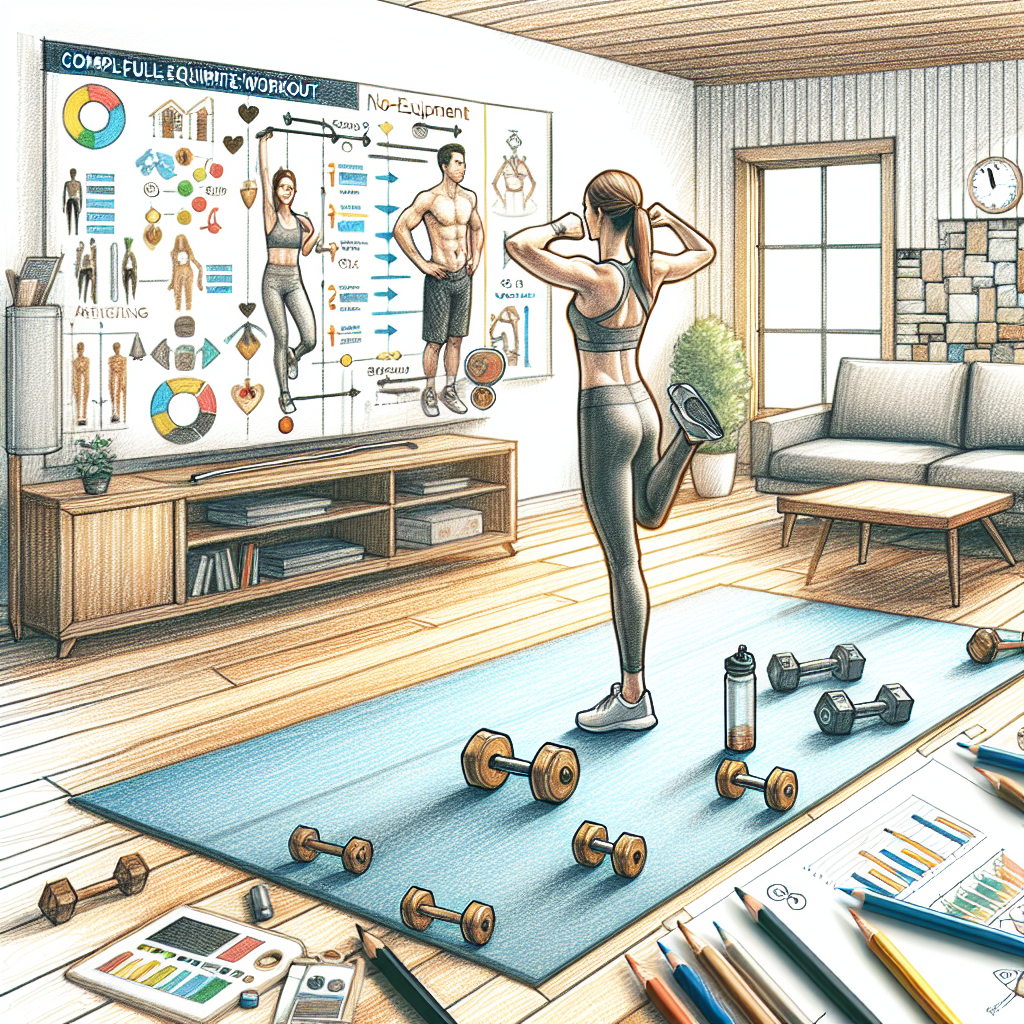
Below is a sample no equipment workout routine that can be performed at home. This routine aims to cover major muscle groups and promote overall strength and endurance.
- Warm-Up (5 minutes):
- Jumping Jacks – 1 minute
- Arm Circles – 1 minute
- High Knees – 1 minute
- Bodyweight Squats – 1 minute
- Dynamic Lunges – 1 minute
- Main Workout (15 minutes):
- Push-Ups – 3 sets of 10-15 reps
- Bodyweight Squats – 3 sets of 15-20 reps
- Plank – Hold for 30 seconds to 1 minute
- Burpees – 3 sets of 10 reps
- Mountain Climbers – 3 sets of 30 seconds
- Glute Bridges – 3 sets of 15 reps
- Cool Down (5 minutes):
- Standing Toe Touch – 1 minute
- Seated Forward Bend – 1 minute
- Child’s Pose – 1 minute
- Cat-Cow Stretch – 1 minute
- Side Twists – 1 minute
For those interested in starting a more manageable routine, consider registering for a free 30-day exercise program where you need only exercise for 6 minutes daily and achieve results comparable to traditional gym workouts. You can sign up here: Register Now.
Common Mistakes and Misconceptions
Many individuals have misconceptions about no equipment workouts. Some believe that these workouts lack intensity or effectiveness. In reality, the efficacy of a workout depends more on the intensity and the effort you put into it rather than the equipment used. Additionally, some people may underestimate the importance of proper form, which can lead to injuries. Always prioritize form over the number of repetitions.
When to Consult a Professional
While no equipment workouts can suit most people, there are circumstances where consulting a fitness professional is advisable. If you experience pain during workouts, have chronic health issues, or if you are unsure about how to perform certain exercises safely, it is crucial to seek guidance from a qualified expert. A professional can provide personalized advice and ensure you are exercising safely and effectively.
Frequently Asked Questions
Can I really get results from no equipment workouts?
Yes, you can achieve significant results with no equipment workouts, provided you maintain consistency and intensity.
How often should I perform these workouts?
Aim to engage in full-body no equipment workouts at least 3 to 4 times per week for optimal results.
What type of diet should accompany my workout plan?
Maintain a balanced diet rich in whole foods, including proteins, carbohydrates, and healthy fats, to support your fitness goals.
Are there specific modifications for beginners?
If you are a beginner, consider starting with modified versions of the exercises and gradually increasing the intensity as you build strength and endurance.
How can I track my progress?
Keep a workout journal or use a fitness app to log your workouts, which can help you visualize your progress over time.
What should I do if I miss a workout?
Don’t stress over missed workouts. Simply get back on track with your next session and maintain consistency moving forward.
Conclusion and Call to Action
- No equipment workouts are accessible and effective for building strength and endurance.
- Implement a balanced routine that covers warm-up, main workout, and cool down.
- Focus on proper form to avoid injury and ensure effectiveness.
- Consult a professional if you experience pain or have health concerns.
- Consistency and intensity are key to achieving results, regardless of the equipment used.
Embrace the flexibility of a no equipment workout plan and take the first step towards a healthier lifestyle. Register for the free 30-day exercise program today and discover the benefits of working out effectively with minimal time investment: Join Here.
Author: John Angel