Embarking on a fitness journey does not necessitate access to a fully equipped gym. A comprehensive full-body strength workout can be efficiently achieved using only your body weight. This approach not only saves time and money but also builds resilient muscles while enhancing overall fitness. In this article, we will explore a variety of no-equipment exercises that can be seamlessly integrated into your daily routine, providing you with practical advice and guidance.
- Understanding Bodyweight Training
- Benefits of Full-Body Strength Workouts
- Essential Bodyweight Exercises
- Sample Full Body Workout Routine
- Common Mistakes to Avoid
- When to Seek Professional Guidance
- FAQs
- Conclusion
Understanding Bodyweight Training
Bodyweight training is a method of exercising that utilizes the weight of your body as resistance. This form of exercise is not only versatile but also adaptable to various fitness levels. It can improve strength, flexibility, and endurance without the need for external weights or machines.
Benefits of Full-Body Strength Workouts
Engaging in full-body strength workouts offers numerous advantages:
- Time Efficiency: Workouts can be completed in a short duration.
- Improved Muscle Tone: Engaging multiple muscle groups promotes overall strength.
- Convenience: No equipment is required, making it accessible for everyone.
- Reduced Injury Risk: Focus on form and body mechanics lowers injury potential.
- Boosted Metabolism: Increases calorie burn during and post-exercise.
Essential Bodyweight Exercises
Incorporating a variety of exercises into your routine maximizes muscle engagement:
- Push-Ups: Targeting the chest, shoulders, and triceps.
- Squats: Engaging the quadriceps, hamstrings, and glutes.
- Planks: Strengthening the core and stabilizing muscles.
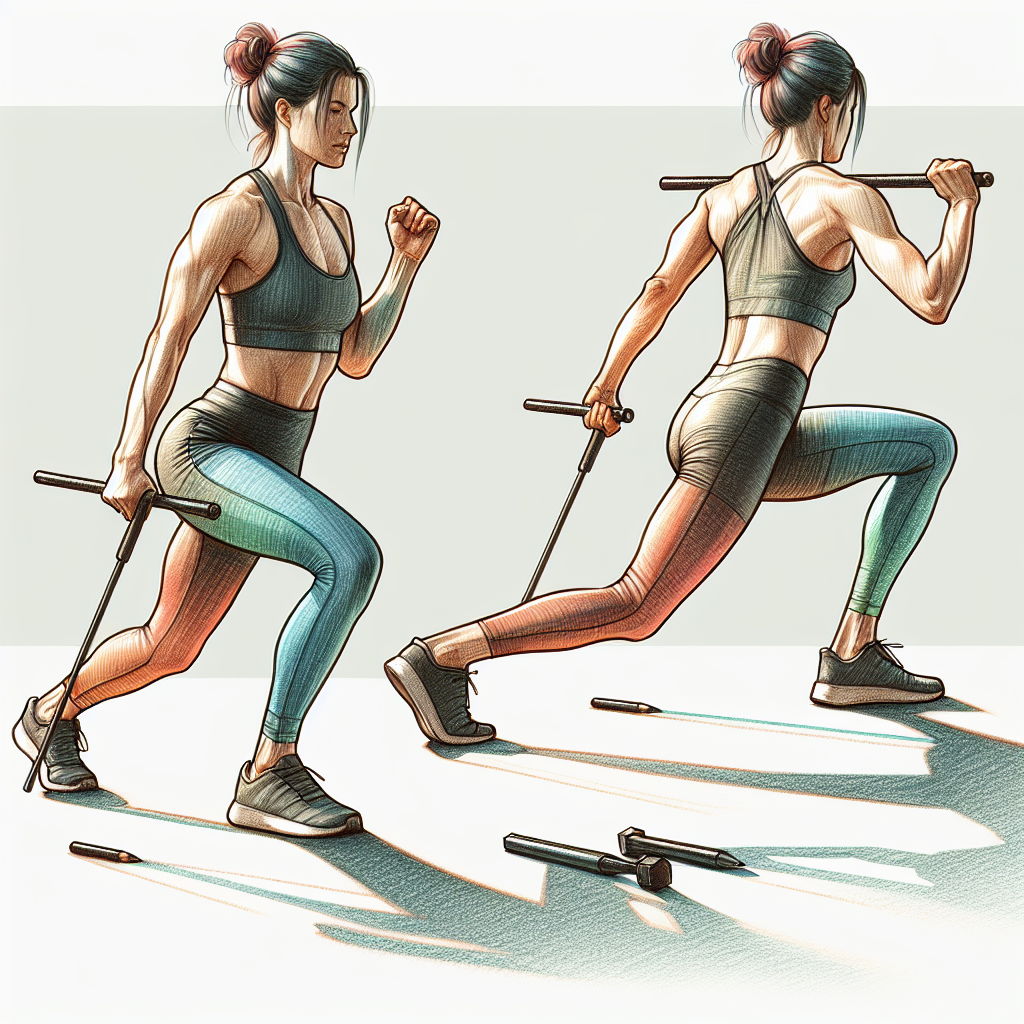
- Lunges: Developing leg strength and balance.
- Burpees: A full-body exercise promoting cardiovascular fitness.
Sample Full Body Workout Routine
Here’s a simple, no-equipment workout that can be performed in just 20-30 minutes:
- Warm Up: 5 minutes of dynamic stretching or light jogging in place.
- Push-Ups: 3 sets of 10-15 repetitions.
- Bodyweight Squats: 3 sets of 15-20 repetitions.
- Plank: Hold for 30-60 seconds, 3 sets.
- Lunges: 3 sets of 10 repetitions per leg.
- Burpees: 3 sets of 8-10 repetitions.
- Cool Down: 5 minutes of stretching.
For more guidance on effective workouts, consider registering for a 30-day exercise program, where just six minutes daily can yield substantial fitness results.
Common Mistakes to Avoid
When engaging in bodyweight workouts, certain misconceptions can lead to suboptimal results:
- Neglecting Form: Poor technique can lead to injuries.
- Skipping Warm-Up: Inadequate preparation increases injury risk.
- Overtraining: Insufficient recovery time can hinder progress.
- Ignoring Progression: Failing to increase difficulty when ready limits gains.
When to Seek Professional Guidance
If you experience pain beyond typical muscle soreness, or if you have any pre-existing conditions, it’s imperative to consult a healthcare professional or certified trainer. Indicators that require professional assessment include:
- Joint pain during exercises
- Muscle weakness affecting daily activities
- Persistent fatigue despite adequate rest
- Any new or unusual symptoms arising during workouts
FAQs
Can beginners perform bodyweight exercises effectively?
Yes, bodyweight exercises are adaptable, allowing beginners to start at their own pace and gradually increase intensity.
How often should I do a full-body workout?
For optimal results, aim for 2-3 full-body workouts per week, allowing at least one rest day in between sessions.
Is it possible to build muscle without weights?
Absolutely! Bodyweight exercises can effectively promote muscle growth, especially when appropriately varied and intensified.
How can I prevent injury during bodyweight workouts?
Focus on maintaining proper form, warming up, and listening to your body to avoid overexertion.
What is the role of nutrition in conjunction with bodyweight training?
A well-rounded diet supports muscle recovery and growth, making it essential to fuel your body adequately.
Can bodyweight workouts be modified for varying fitness levels?
Yes, bodyweight workouts can be easily modified to suit different fitness levels, ensuring accessibility for all individuals.
Conclusion
- Bodyweight training is effective and accessible to all.
- Full-body strength workouts save time and can be done anywhere.
- Incorporating a variety of exercises enhances muscle engagement.
- Proper technique and progression are crucial for success.
- Seek professional guidance when necessary to ensure safe practice.
Embrace the myriad benefits of a full-body strength workout without equipment. Start integrating these exercises into your routine today, and consider signing up for the 30-day exercise program to further optimize your fitness journey.
Author: John Angel