
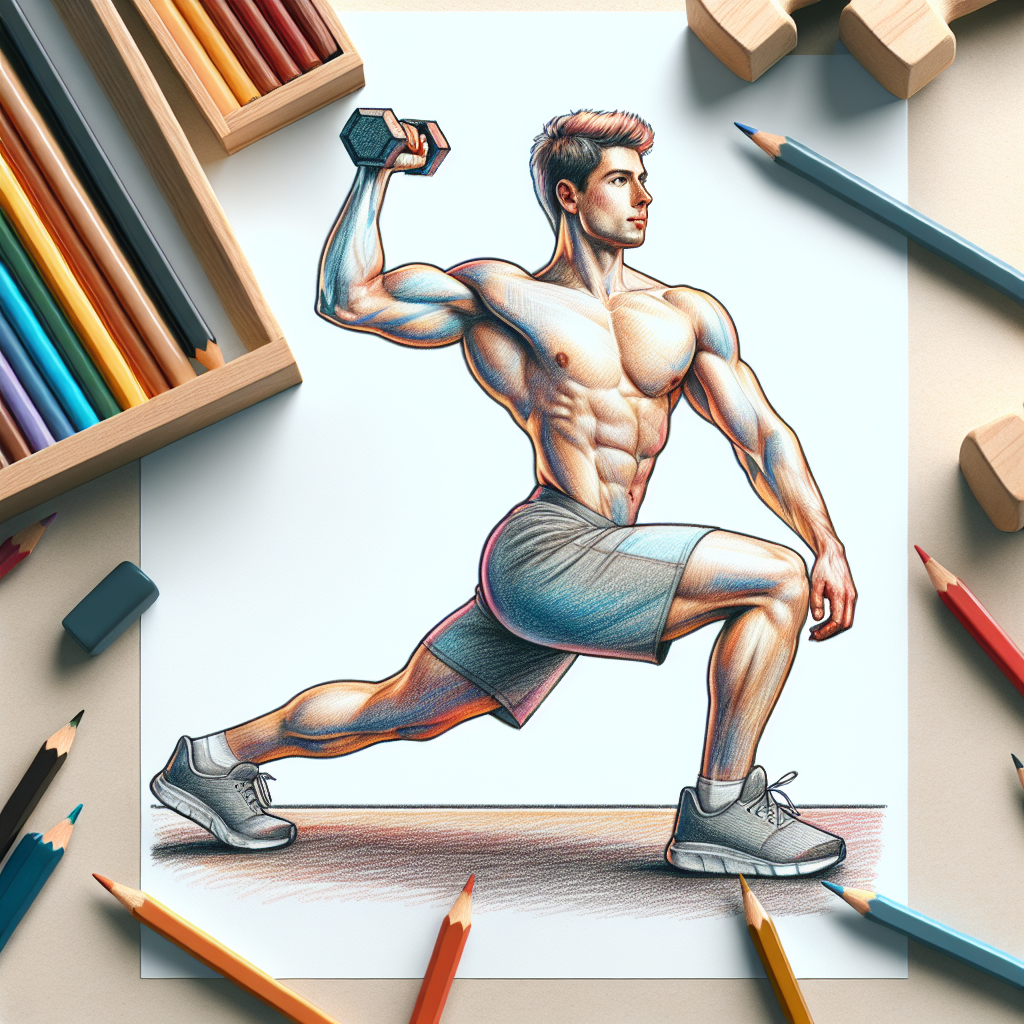
Full Body Workout Without Weights at Home
In today’s fast-paced world, maintaining physical fitness can often feel like a challenge, especially for those with limited access to gym facilities or equipment. However, achieving a comprehensive full-body workout without weights is entirely possible and can be both efficient and effective. Engaging in bodyweight exercises not only enhances strength and flexibility but also promotes cardiovascular health and mental well-being. This article offers a detailed exploration of various bodyweight workouts that can be done at home, as well as a unique opportunity to engage in a quick yet potent exercise routine.
- Understanding Bodyweight Workouts
- Benefits of Full Body Workouts Without Weights
- Key Exercises for a Full Body Workout
- Sample Workout Routine
- When to Seek Professional Guidance
- Common Misconceptions
- Frequently Asked Questions
- Conclusion
Understanding Bodyweight Workouts
Bodyweight workouts utilize the weight of an individual’s own body to provide resistance. This form of exercise does not require any special equipment and can be performed anywhere, making it an ideal choice for home fitness enthusiasts. Examples of bodyweight exercises include push-ups, squats, lunges, and planks. These movements not only build strength but also improve balance, coordination, and overall athleticism.
Benefits of Full Body Workouts Without Weights
Choosing to engage in full-body workouts without weights presents several advantages:
- Accessibility: No special equipment or gym membership is required.
- Cost-Effective: You can achieve significant fitness gains without financial investment.
- Flexibility: The routine can be adjusted to fit various fitness levels and goals.
- Improved Functional Strength: Bodyweight workouts enhance movements relevant to daily activities.
- Time Efficiency: Short workouts can yield impressive results, perfect for busy schedules. For quick, effective performance, consider joining the 30-day exercise program that requires just 6 minutes a day.
Key Exercises for a Full Body Workout
Incorporating a variety of exercises will ensure all major muscle groups are engaged. Here are some fundamental bodyweight exercises that target the entire body:
- Push-Ups: Strengthen the chest, shoulders, and triceps.
- Squats: Target the quadriceps, hamstrings, and glutes.
- Lunges: Work on leg strength and stability.
- Plank: Engaging the core while promoting shoulder stability.
- Burpees: A compound movement that incorporates strength and cardio.
- Mountain Climbers: Increase heart rate while engaging the core and legs.
Sample Workout Routine
To create an effective full-body workout routine, consider the following structure. You can perform this circuit 2-3 times, with 30 seconds of each exercise followed by a 10-15 second rest:
- Push-Ups
- Squats
- Lunges (alternating legs)
- Plank (hold for 30 seconds)
- Burpees
- Mountain Climbers
When to Seek Professional Guidance
While bodyweight workouts are generally safe for most individuals, there are specific situations when consulting a qualified professional is advisable:
- If you have existing health conditions (e.g., heart disease, joint issues, etc.)
- When experiencing pain or discomfort that persists during exercise
- If you are unsure about the proper form and technique
- For individuals recovering from an injury seeking tailored guidance
Common Misconceptions About Bodyweight Workouts
Despite the obvious benefits, several myths surround bodyweight workouts. Addressing these misconceptions can help individuals better understand their efficacy:
- Myth 1: Bodyweight exercises are less effective than weight training. Truth: Bodyweight exercises can produce substantial strength gains and muscle form.
- Myth 2: You cannot build muscle without weights. Truth: Progressive overload can still be achieved with bodyweight exercises through increasing repetitions or modifying movements.
- Myth 3: Bodyweight workouts are only for beginners. Truth: These workouts can be highly customizable, challenging advanced fitness levels as well.
- Myth 4: You need to spend hours exercising to see results. Truth: Consistent, shorter workouts can lead to significant improvements over time.
Frequently Asked Questions
Can a full body workout without weights be effective for weight loss?
Yes, bodyweight workouts can be effective for weight loss, especially when paired with a balanced diet and consistent exercise routine.
How often should I perform bodyweight workouts?
Aim for 3-5 times a week to see optimal results. Allow for rest days to facilitate recovery.
Are there any specific warm-up routines recommended before bodyweight workouts?
A dynamic warm-up incorporating light cardio and stretching is advisable to prepare the body and prevent injury.
Can beginners start with bodyweight workouts?
Absolutely! Bodyweight workouts are ideal for beginners due to their manageable intensity and ease of modification.
Do I need to cool down after a workout?
Yes, cooling down with stretching post-workout is essential to facilitate recovery and prevent muscle stiffness.
How can I stay motivated to maintain a bodyweight workout routine?
Setting specific and measurable goals, tracking progress, and varying your workouts can enhance motivation and engagement.
Conclusion
- Bodyweight workouts are versatile and accessible for all fitness levels.
- A comprehensive workout can be performed without weights and still yield impressive results.
- Consistency and proper form are key to maximizing benefits.
- Consult a professional if health concerns arise or to receive personalized advice.
- Join the 30-day exercise program for a guided, efficient approach to home workouts.
Incorporating bodyweight exercises into your routine can transform your fitness journey. Begin today, commit to consistency, and watch your strength and endurance flourish.
Author: John Angel