
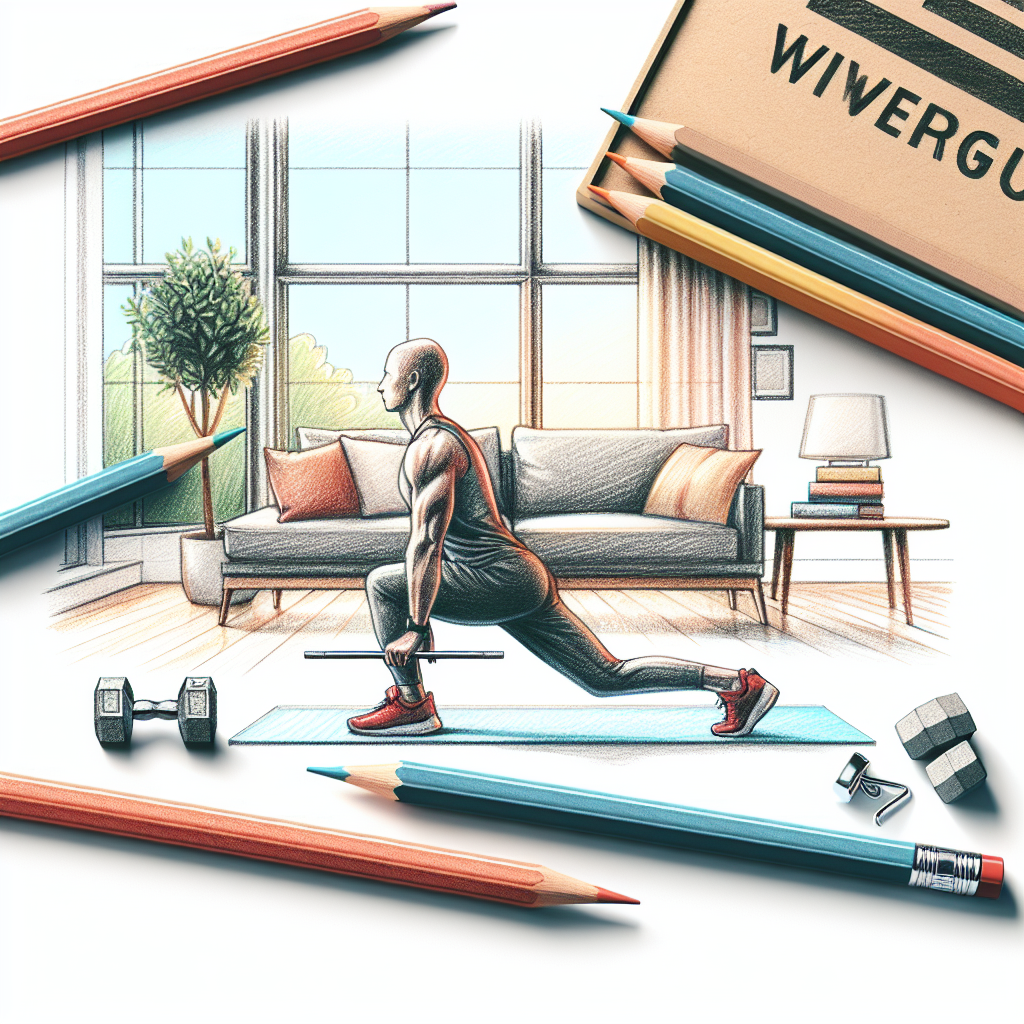
In today’s fast-paced world, finding time to exercise can be challenging. However, engaging in a full-body workout at home without weights is not only achievable but can also yield significant benefits. Such workouts combine strength, endurance, and flexibility, ensuring you can maintain a well-rounded fitness routine without the need for bulky equipment. This article explores effective no-weight exercises, practical forms of training, and how to integrate them into your daily life for optimal results.
- Understanding Full-Body Workouts
- Benefits of Exercising at Home
- Effective No-Weight Exercises
- Creating Your Workout Routine
- Common Myths and Mistakes
- When to Seek Professional Guidance
- Frequently Asked Questions
Understanding Full-Body Workouts
A full-body workout targets multiple muscle groups, providing a comprehensive approach to fitness. By engaging different areas of your body in a single session, you can maximize calorie burn and improve overall muscle tone. No-weight exercises such as push-ups, squats, and lunges contribute effectively to this approach.
Benefits of Exercising at Home
Home workouts offer numerous advantages, including:
- Convenience: No travel time means you can fit workouts into even the busiest schedules.
- Cost-Effectiveness: Avoid gym fees and equipment costs while accessing extensive workout options.
- Privacy: Working out at home allows for comfort and freedom without the distractions of a gym environment.
- Flexibility: You can tailor your workout schedule to your personal preferences and lifestyle.
Effective No-Weight Exercises
When it comes to a full-body workout without weights, variety is key. Here’s a list of effective exercises:
- Push-Ups: Strengthens the chest, shoulders, and triceps.
- Bodyweight Squats: Engages the thighs, hips, and core.
- Planks: Targets the core and improves stability.
- Lunges: Enhances leg strength and balance.
- Burpees: A full-body movement that incorporates cardiovascular fitness.
- Mountain Climbers: Great for endurance and core strength.
Creating Your Workout Routine
To maximize the effectiveness of your no-weight workout, consider the following steps:
- Warm-Up: Start with a 5-10 minute warm-up to prepare your body.
- Choose Exercises: Select 5-7 exercises targeting different muscle groups.
- Set Intervals: Aim for 30-60 seconds of work followed by 15-30 seconds of rest.
- Repeat: Perform 2-4 sets of each exercise.
- Cool Down: Finish with a cool-down routine to aid recovery.
For those looking for a structured program, you can enhance your results by enrolling in a 30-day exercise program where you only exercise for 6 minutes a day, but achieve results akin to regular gym workouts.
Common Myths and Mistakes
Several misconceptions can hinder progress in home workouts. Here are a few:
- No Weights Means No Results: Bodyweight exercises can be highly effective for building strength and endurance.
- Longer Workouts Are Always Better: Quality often trumps quantity; shorter, high-intensity sessions can be more beneficial.
- Only Cardio Matters: Strength training is vital for overall health and metabolic function.
- Advanced Moves Are Necessary: Basics can provide great results when executed properly.
When to Seek Professional Guidance
While home workouts are accessible, certain signs may indicate the need for professional advice:
- Persisting pain during or after exercise.
- Difficulty maintaining basic movement forms.
- Previous injuries that could be aggravated by exercise.
- Significant weight changes or health conditions affecting workout capacity.
Frequently Asked Questions
1. Can I build muscle without weights?
Yes, bodyweight exercises can effectively build muscle by providing resistance through your own body weight.
2. How often should I do no-weight workouts?
Aim for at least 3-4 times a week to see significant results in strength and endurance.
3. What is the best exercise for beginners?
Exercises like squats, push-ups, and planks are excellent starting points due to their fundamental nature.
4. How long should a home workout last?
A workout can range from 20-40 minutes, focusing on quality over quantity.
5. Do I need a warm-up before exercising?
Absolutely; a proper warm-up prepares your muscles and reduces the risk of injury.
6. Can I lose weight with no-weight training?
Yes, when combined with a balanced diet, no-weight training can support weight loss effectively.
Conclusion
- Home full-body workouts can be effective without weights.
- Bodyweight exercises engage multiple muscle groups.
- Creating a structured routine enhances efficiency and progress.
- Common myths can deter successful home workouts; combat these through quality information.
- Seeking professional guidance is vital when experiencing pain or other concerns.
Start your journey towards fitness today by setting aside just 6 minutes a day. For a structured approach, consider registering for the 30-day exercise program that delivers results comparable to routine gym sessions.
Author: John Angel