
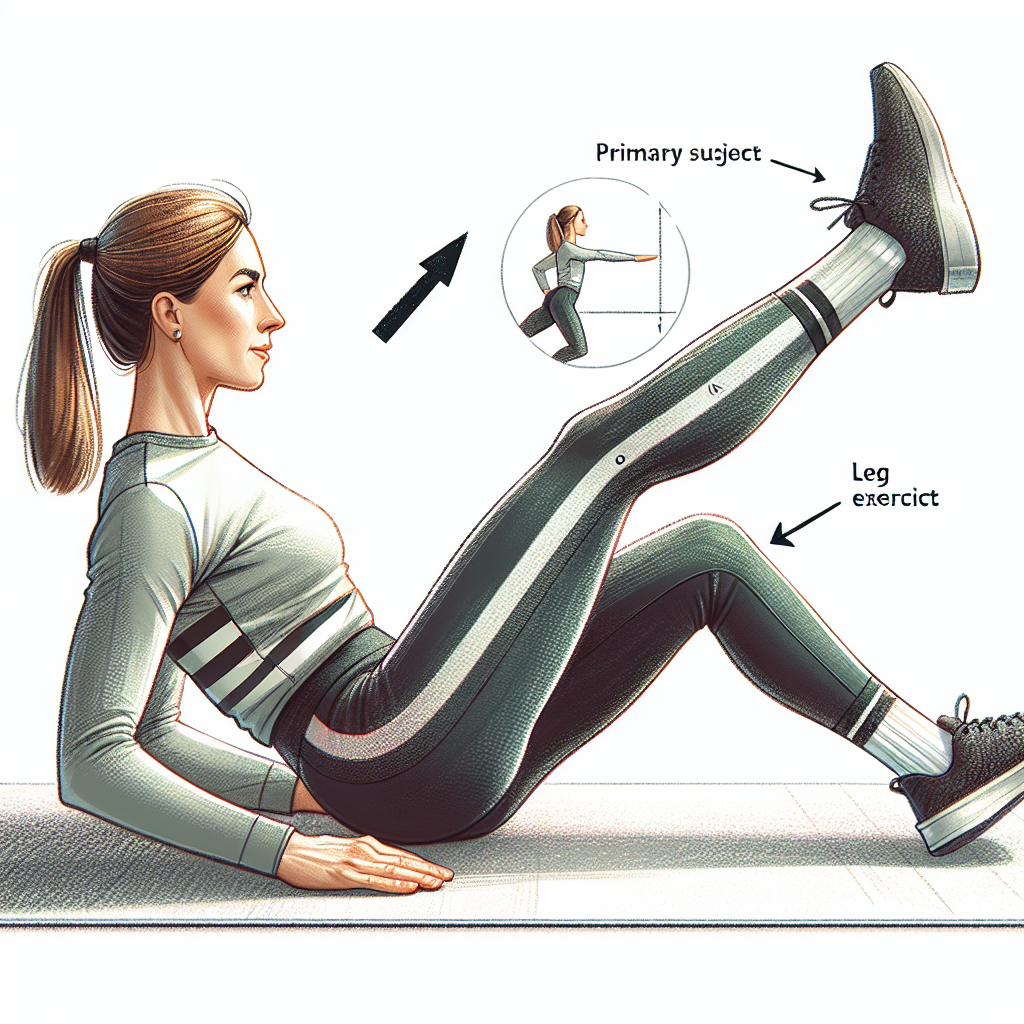
Leg Exercises Without Machines: Building Strength and Endurance
Incorporating leg exercises into your workout routine can yield significant benefits, including improved muscle strength, enhanced endurance, and better overall mobility. Importantly, many effective leg exercises can be performed without machines, making them accessible for individuals at any fitness level. In this article, we will explore a variety of no-machine leg exercises, outline the benefits of each, and provide guidance on creating a practical leg workout plan that can be completed in just a few minutes each day.
- Understanding the Importance of Leg Workouts
- A Variety of No-Machine Leg Exercises
- Creating a Simple Leg Workout Routine
- When to Consult a Professional
- Common Myths About Leg Exercises
- Frequently Asked Questions
Understanding the Importance of Leg Workouts
Leg exercises are crucial for maintaining a balanced physique. The legs are the foundation of the body, supporting weight during movement and physical activities. By strengthening leg muscles, you also enhance overall stability, which reduces the risk of injuries and improves performance in various sports and daily tasks.
A Variety of No-Machine Leg Exercises
There is a myriad of exercises that can effectively target all major muscle groups in the legs without requiring gym equipment. Here are some recommended exercises:
1. Squats
Squats are among the most effective leg exercises, engaging the quadriceps, hamstrings, glutes, and calves.
- Stand with your feet shoulder-width apart.
- Lower your body as if you are sitting back into a chair, keeping your chest up.
- Ensure your knees stay aligned with your toes.
- Return to the starting position and repeat for 10-15 repetitions.
2. Lunges
Lunges provide an excellent way to target the thighs and glutes while also improving balance.
- Start in a standing position.
- Step forward with one leg and lower your hips until both knees are bent at roughly a 90-degree angle.
- Push through the front heel to return to the starting position.
- Alternate legs for 10-15 repetitions on each side.
3. Calf Raises
This exercise targets the calves, enhancing strength and stability.
- Stand on the edge of a step or flat surface.
- Lift your heels off the ground as high as possible.
- Lower your heels back down slowly.
- Repeat for 15-20 repetitions.
4. Glute Bridges
Glute bridges primarily target the glutes and lower back, promoting core stability.
- Lie on your back with knees bent and feet flat on the ground.
- Lift your hips towards the ceiling, squeezing your glutes at the top.
- Lower to the starting position and repeat for 15-20 repetitions.
5. Side Leg Raises
This exercise helps strengthen the hip abductors.
- Lie on your side with your legs straight.
- Lift the top leg towards the ceiling while keeping it straight.
- Lower back down and repeat for 15-20 repetitions.
- Switch sides and repeat.
Creating a Simple Leg Workout Routine
To effectively target your legs with no-machine exercises, consider the following simple yet impactful routine:
- Warm-up: 2 minutes of light jogging in place or dynamic stretches.
- Perform each of the exercises mentioned above for 10-15 repetitions, maintaining proper form.
- Rest for 30 seconds between exercises.
- Cool down with stretches targeting the legs and hips.
For a supportive approach to exercise, you may find this 30-day exercise program beneficial. In just 6 minutes a day, you can achieve results comparable to those from a gym.
When to Consult a Professional
While leg exercises are generally safe for most individuals, certain circumstances warrant a consultation with a healthcare professional:
- If you experience pain during exercise that persists.
- If you have existing injuries that may be aggravated by physical activity.
- If you are unsure about the correct form and technique to avoid injuries.
Common Myths About Leg Exercises
Despite the benefits of leg workouts, misconceptions can deter individuals from incorporating them into their routines:
- Myth 1: You need machines for effective leg workouts.
Truth: Bodyweight exercises can be equally effective and are often more functional for daily movements. - Myth 2: You can spot reduce fat through leg exercises.
Truth: Fat loss occurs uniformly throughout the body, and targeted exercises alone will not reduce fat in specific areas. - Myth 3: Leg exercises don’t require recovery.
Truth: Allowing adequate rest for muscle recovery is critical for strength and growth.
Frequently Asked Questions
1. How often should I perform leg exercises?
For optimal strength and endurance, aim for 2-3 times per week, allowing sufficient recovery time between sessions.
2. Can I do leg exercises at home?
Absolutely! Many effective leg exercises can be performed at home without any equipment.
3. Will leg exercises make my legs bulky?
Leg exercises can improve muscle tone without significantly increasing size, especially if conducted with bodyweight.
4. What should I do if I feel pain while exercising?
If you experience pain, stop the exercise immediately and consult a professional if it persists.
5. Are leg exercises beneficial for both men and women?
Yes, leg exercises provide essential benefits for both genders, contributing to overall strength and stability.
6. Is warm-up necessary before leg exercises?
Yes, warming up is crucial to prepare your muscles for exertion and reduce the risk of injury.
Conclusion
- Leg exercises are vital for overall strength and stability.
- Bodyweight exercises provide effective workouts without the need for machines.
- A balanced routine can be tailored to fit any schedule, requiring only a few minutes each day.
- Consult a professional if you experience persistent pain or have existing injuries.
- Dispelling myths about leg exercises can enhance your fitness journey.
Begin your journey to stronger legs today by taking advantage of effective no-machine exercises. Consider exploring this 30-day exercise program for a guided path toward achieving your fitness goals.
Author: John Angel