In today’s fast-paced world, finding time for physical exercise can be challenging. Fortunately, a no-equipment gym workout offers an efficient solution, allowing individuals to stay fit without the constraints of a gym setting. This approach not only promotes overall health but can also be adapted to fit into even the busiest of schedules. This article will explore effective no-equipment workout routines, highlight their benefits, and provide guidance on how to maximize your fitness journey.
- Introduction
- No-Equipment Workout Fundamentals
- Benefits of Bodyweight Training
- Effective No-Equipment Workout Routines
- Common Mistakes and Myths
- When to Consult a Professional
- FAQ
- Conclusion
No-Equipment Workout Fundamentals
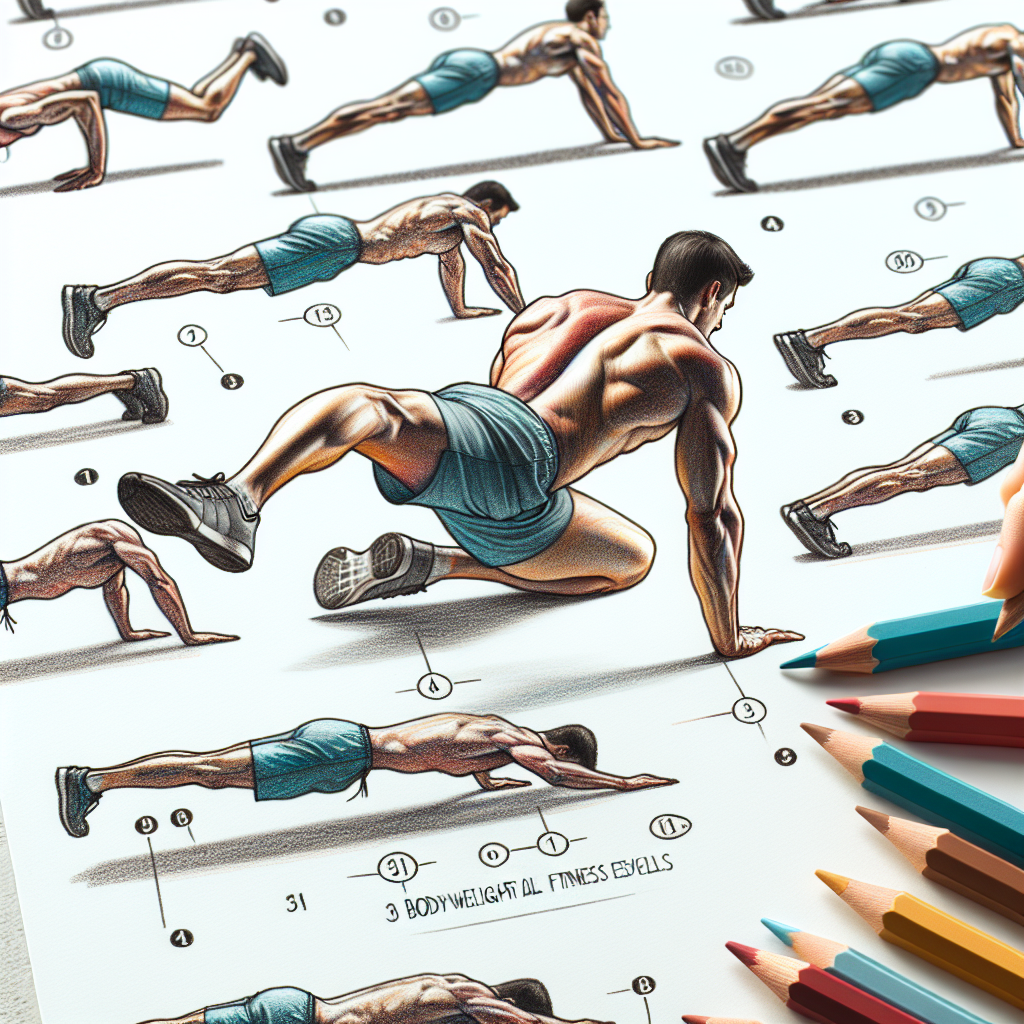
No-equipment workouts leverage gravity and body weight to challenge muscles, making them highly accessible. These exercises typically include push-ups, squats, lunges, and planks, which can be performed in various variations to increase intensity. Importantly, these workouts can be tailored to different fitness levels, making them suitable for beginners and seasoned athletes alike.
Benefits of Bodyweight Training
Engaging in a no-equipment workout provides numerous benefits:
- Convenience: You can work out anywhere, be it at home, in a park, or while traveling.
- Cost-Effective: There’s no need for expensive gym memberships or equipment.
- Improved Mobility: Bodyweight exercises enhance flexibility, balance, and coordination.
- Scalable Intensity: Exercises can be easily modified to increase or decrease difficulty.
- High Efficacy: Short, focused workouts can yield substantial results in strength and endurance.
Effective No-Equipment Workout Routines
Implementing a structured workout routine can optimize your results. Here’s a sample no-equipment workout plan that you can follow:
Beginner’s Workout Plan
- Warm-up: 5 minutes of dynamic stretching (arm circles, leg swings, torso twists).
- Push-Ups: 3 sets of 8-10 reps.
- Bodyweight Squats: 3 sets of 10-15 reps.
- Plank: 3 sets of 20-30 seconds.
- Lunges: 3 sets of 8-10 reps per leg.
- Cool Down: 5 minutes of static stretching.
Intermediate to Advanced Workout Plan
- Warm-up: 5 minutes of dynamic stretching.
- Burpees: 3 sets of 10-15 reps.
- Pike Push-Ups: 3 sets of 6-8 reps.
- Side Plank: 3 sets of 20-30 seconds per side.
- Jump Squats: 3 sets of 10-15 reps.
- Mountain Climbers: 3 sets of 30 seconds.
- Cool Down: 5 minutes of static stretching.
For a structured program that yields quick results, consider a 30-day exercise program where you only exercise for six minutes a day.
Common Mistakes and Myths
Despite the simplicity of no-equipment workouts, some misconceptions persist:
- Myth: Bodyweight exercises are less effective. In reality, they can build strength and endurance just as effectively as weights when performed correctly.
- Mistake: Neglecting warm-up and cool down. These are crucial for preventing injury and improving recovery.
- Myth: You need to work out for hours to see results. Compact, intense workouts can deliver significant benefits; quality often trumps quantity.
When to Consult a Professional
While no-equipment workouts are generally safe, certain situations warrant professional guidance:
- If you have an existing medical condition that may be aggravated by exercise, consult a healthcare provider.
- Seek a fitness professional’s advice if you experience persistent pain during or after workouts.
- If you’re unsure how to perform an exercise safely, a trainer can provide valuable instruction.
FAQ
Can I really get fit without any equipment?
Yes, bodyweight exercises can effectively build strength, endurance, and flexibility.
How often should I perform no-equipment workouts?
For optimal results, aim for at least three to four sessions per week, allowing for rest and recovery.
Do I need to warm up before a workout?
Absolutely. Warming up helps prevent injury and enhances performance by increasing blood flow to muscles.
Are higher repetitions better for building strength?
Not necessarily; strength can also be developed through lower repetition, high-intensity workouts.
Can I modify exercises for my fitness level?
Yes, exercises can be adjusted to suit your current fitness level, ensuring safety and effectiveness.
What should I do if I experience pain while exercising?
Stop the exercise immediately. If the pain persists, consult a healthcare professional.
Conclusion
- No-equipment workouts are highly accessible and effective for building strength and endurance.
- These routines can be easily adapted to suit various fitness levels.
- Common myths about bodyweight training often underestimate its benefits.
- Always prioritize warm-ups and allow time for recovery.
- Consult a professional if you have concerns about exercise safety or effectiveness.
Embrace the flexibility and efficiency of a no-equipment workout today! Start exploring your fitness potential without the constraints of a gym environment, and consider signing up for a 30-day exercise program designed to yield results in just six minutes a day.
Author: John Angel