
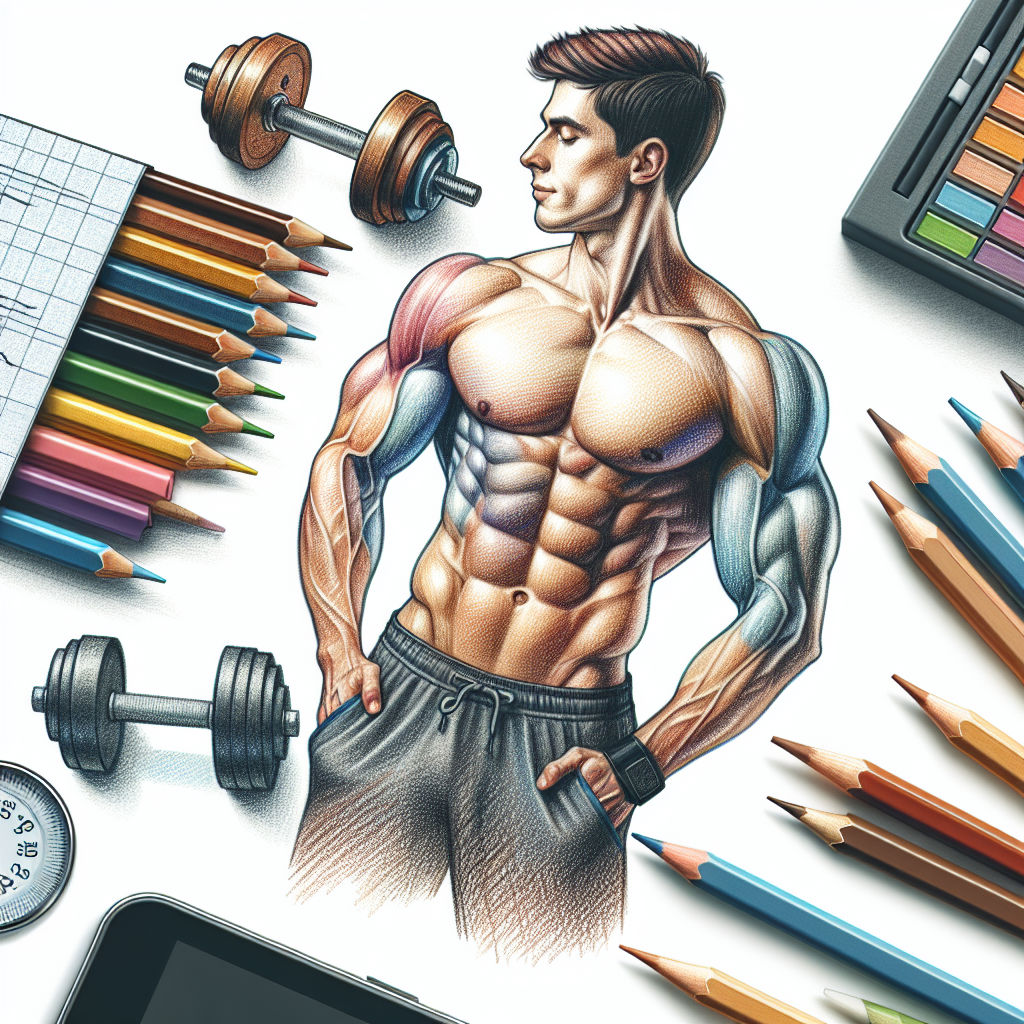
Strength Building Without Weights – The Ultimate Guide to Effective Resistance Training
Strength training is often associated with heavy weights and elaborate gym setups, but you can build substantial muscle and strength without touching a dumbbell. Bodyweight exercises can be just as effective in enhancing overall fitness, increasing muscle mass, and improving functional strength. In this article, we will explore various methods, techniques, and strategies for strength building without weights, offering practical advice for individuals at any fitness level.
- Introduction
- The Science Behind Bodyweight Training
- Effective Bodyweight Exercises
- Creating a Balanced Workout Routine
- Identifying Plateaus and Solutions
- Consulting a Professional
- Common Myths Debunked
- Frequently Asked Questions
The Science Behind Bodyweight Training
Bodyweight training primarily utilizes the weight of your own body to provide resistance. This method has been shown to effectively recruit multiple muscle groups, leading to improved strength, flexibility, and endurance. Research indicates that bodyweight exercises can induce similar strength adaptations as traditional weight training, particularly when performed with adequate intensity and progressive overload.
Effective Bodyweight Exercises
To build strength without weights, consider incorporating the following effective exercises into your routine:
- Push-Ups: Targets the chest, shoulders, and triceps.
- Pull-Ups: Engages the back, biceps, and forearms.
- Squats: Strengthens the legs and glutes.
- Planks: Improves core stability and strength.
- Lunges: Enhances leg strength and balance.
- Burpees: Combines strength and cardiovascular endurance.
Creating a Balanced Workout Routine
A well-rounded workout program includes exercises that target all major muscle groups. To ensure balance, consider a routine that consists of:
- Upper body exercises (e.g., push-ups, pull-ups)
- Lower body exercises (e.g., squats, lunges)
- Core-strengthening exercises (e.g., planks, mountain climbers)
- Audiovisual resources or mobile apps can assist in providing guided workouts.
For those looking to achieve results efficiently, you may explore a free registration for a 30-day exercise program that requires only six minutes of effort per day.
Identifying Plateaus and Solutions
As you progress, you may encounter plateaus in your strength-building journey. To overcome these challenges:
- Increase the intensity of your workouts by modifying movements (e.g., elevating your feet during push-ups).
- Incorporate new exercises to target the same muscle groups differently.
- Adjust your rest periods to stimulate muscle recovery and growth.
- Ensure proper nutrition to support recovery and performance.
Consulting a Professional
While bodyweight training is accessible and beneficial, certain signs may indicate the need for a professional’s input:
- Persistent pain or discomfort during or after exercise.
- Difficulty achieving fitness goals despite consistent effort.
- Uncertainty about exercise techniques or progression.
- Previous injuries that could influence your training approach.
In such cases, consultation with a qualified fitness trainer or healthcare professional can provide personalized guidance and ensure safe, effective training.
Common Myths Debunked
Several misconceptions surround bodyweight training. These include:
- Myth 1: Bodyweight exercises are less effective for building strength.
- Myth 2: Only men can achieve significant muscle gains without weights.
- Myth 3: Bodyweight training lacks variety.
- Myth 4: Beginners cannot benefit from bodyweight exercises.
Frequently Asked Questions
Can I lose weight by doing only bodyweight exercises?
Yes, bodyweight exercises can contribute to weight loss when combined with a balanced diet and sufficient cardiovascular activity.
How often should I work out to see results?
Ideally, aim for at least 3-4 times per week, allowing for rest days in between.
Is it necessary to warm up before bodyweight training?
Yes, warming up prepares your muscles and reduces the risk of injury.
Can children safely perform bodyweight exercises?
Absolutely, bodyweight exercises are generally safe for children, promoting strength, coordination, and overall health.
Are bodyweight exercises suitable for all fitness levels?
Yes, bodyweight exercises can be modified to suit both beginners and advanced practitioners.
Is it necessary to track my progress?
Monitoring your progress helps ensure you are continually challenged and making strides toward your fitness goals.
Conclusion
- Bodyweight training is a versatile, effective method for building strength.
- A balanced workout routine targets all major muscle groups.
- Identifying and overcoming plateaus can enhance your progress.
- Consulting a professional can provide essential guidance when needed.
- Debunking common myths can help you embrace bodyweight training confidently.
As you embark on your strength-building journey without weights, consider joining the 30-day exercise program that only requires six minutes a day. Your path to a stronger self is just a click away!
Author: John Angel