
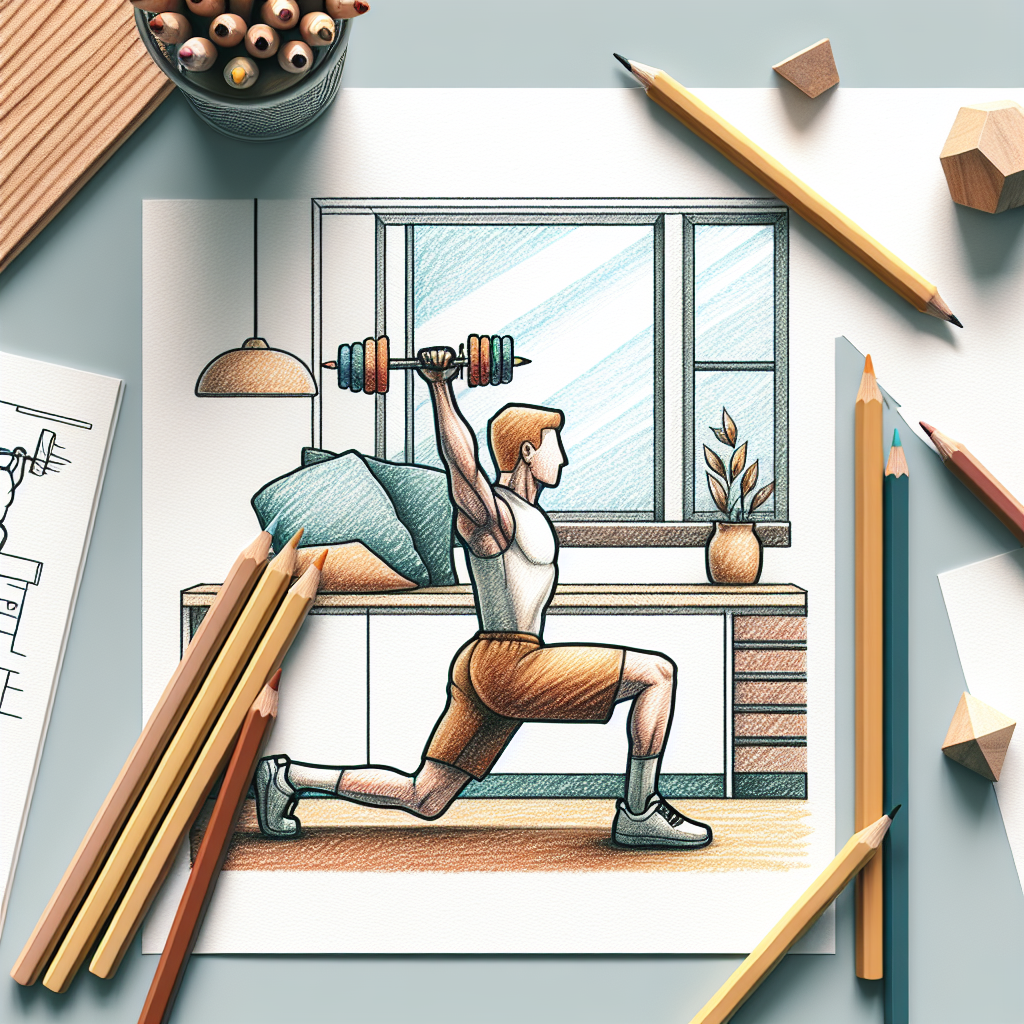
Strength Training Workout: No Equipment Required
Strength training is an essential component of overall fitness, promoting muscle health, enhancing metabolism, and improving functional performance. The great news is that you don’t need a gym or expensive equipment to reap these benefits. This article delves into effective ways to engage in strength training using just your body weight, ensuring accessibility for all. By understanding the principles of bodyweight exercises, you can create an efficient, equipment-free workout routine that can be executed anywhere.
- Understanding Bodyweight Strength Training
- Key Benefits of No-Equipment Workouts
- Effective Bodyweight Exercises
- Designing Your Own Workout Routine
- When to Consult a Professional
- Common Myths and Mistakes
- FAQs
- Conclusion
Understanding Bodyweight Strength Training
Bodyweight strength training utilizes the individual’s weight as resistance. This method allows for a wide range of movements targeting various muscle groups without the need for external weights or machines. Exercises such as push-ups, squats, and lunges enhance strength, flexibility, and coordination. Additionally, bodyweight training often improves core stability due to the engagement of multiple muscle groups.
Key Benefits of No-Equipment Workouts
Strength training without equipment introduces numerous advantages:
- Convenience: You can perform these workouts anywhere—at home, in a park, or while traveling.
- Cost-Effective: No need for a gym membership or purchasing equipment.
- Adaptable: Exercises can be modified to meet varying fitness levels, from beginners to advanced athletes.
- Functional Fitness: Helps improve strength in real-life situations, making daily tasks easier.
Effective Bodyweight Exercises
To create a balanced strength training routine, incorporate the following exercises. They target major muscle groups and can be adjusted based on your fitness level:
1. Push-Ups
Target: Chest, shoulders, and triceps. Begin in a plank position with hands slightly wider than shoulder-width apart. Lower your body until your chest nearly touches the ground, then push back up. Modify by doing push-ups on your knees if necessary.
2. Squats
Target: Quadriceps, hamstrings, and glutes. Stand with feet shoulder-width apart, bend your knees and lower your body as if sitting in a chair. Return to standing. For added difficulty, perform jump squats.
3. Lunges
Target: Legs and glutes. Step forward with one leg, lowering hips until both knees are at about a 90-degree angle. Alternate legs. Side lunges can also be incorporated for variety.
4. Plank
Target: Core. Keep your body in a straight line from head to heels while resting on your forearms and toes. Hold for 30 seconds, increasing time as strength improves.
5. Burpees
Target: Full body. Start in a standing position, drop into a squat, kick your feet back into a plank, perform a push-up, return to squat, and jump up explosively. This exercise enhances cardiovascular fitness as well.
Designing Your Own Workout Routine
When creating a no-equipment strength training routine, consider the following steps:
- Warm-Up: Always start with dynamic stretches to prepare your muscles.
- Select Exercises: Choose 4-6 exercises targeting different muscles (upper body, lower body, core).
- Set Repetitions: Aim for 10-15 repetitions per exercise, adjusting based on your fitness level.
- Incorporate Sets: Start with 2-3 sets, allowing 30-60 seconds of rest between each set.
- Cool Down: End with static stretches to improve flexibility and aid recovery.
For a structured and efficient approach to staying active, consider participating in our 30-day exercise program, which allows you to work out for just 6 minutes each day while achieving significant results comparable to gym sessions.
When to Consult a Professional
While strength training can be safely performed by most, there are instances when consulting a professional is advised:
- If you experience pain during exercises, especially in joints or the back.
- Prior to starting a new exercise program, especially if you have pre-existing health concerns.
- If you are unsure of proper form or technique for specific exercises.
- If you’re recovering from an injury and require guidance on rehabilitation movements.
Common Myths and Mistakes
Many misconceptions surround bodyweight training that can hinder progress. Address these common myths:
- Myth: Bodyweight exercises are not effective for building strength.
- Myth: You need heavy weights for significant muscle gains.
- Myth: Strength training only benefits bodybuilders.
- Mistake: Performing exercises incorrectly, leading to injuries.
- Mistake: Neglecting to vary your routine, which can lead to plateaus.
FAQs
What is bodyweight strength training?
Bodyweight strength training uses your body’s weight as resistance to build strength, flexibility, and balance without additional equipment.
Can I build muscle with bodyweight exercises?
Yes, you can effectively build muscle through progressive bodyweight exercises by increasing repetitions, sets, or the intensity of movements.
How often should I do bodyweight training?
Ideally, engage in bodyweight strength training 2-4 times a week, allowing for rest and recovery.
Are bodyweight exercises safe for beginners?
Yes, bodyweight exercises are generally safe for beginners when performed with proper form and technique. Start at your own pace and gradually increase intensity.
What are some quick workouts I can do at home?
Simple routines such as a combination of squats, push-ups, and planks can be done in 10-15 minutes for an effective quick workout.
Should I warm up before bodyweight training?
Absolutely. Warming up prepares your muscles and reduces the risk of injury, improving your performance during workouts.
Conclusion
- Bodyweight strength training is accessible and effective for building strength.
- It offers numerous benefits including convenience and cost-effectiveness.
- Incorporating a variety of exercises ensures a well-rounded routine.
- Consult a professional if faced with pain or unsure of proper technique.
- Dispelling common myths can enhance your training experience.
Start your bodyweight journey today and explore new ways to enhance your fitness. For a guided approach, consider registering for our 30-day exercise program and achieve your fitness goals in just 6 minutes a day.
Author: John Angel