Categories
Fitness

Ultimate Guide to Bodyweight Strength Training Workouts

Strength Training Workout Without Equipment

Strength training is pivotal for overall health and fitness, yet many individuals hesitate to begin due to the need for physical equipment. However, effective strength training can be accomplished using the body itself as resistance. This article explores various bodyweight exercises that can be performed anytime, anywhere, empowering you to enhance your strength without necessitating a gym membership or specialized gear. Examine the immense benefits of bodyweight training, and learn how simple routines can yield significant results.

  • Understanding Bodyweight Exercises
  • Key Benefits of Strength Training Without Equipment
  • Recommended Exercises
  • Sample Workout Plan
  • When to Consult a Professional
  • Myths and Misconceptions
  • Frequently Asked Questions

Understanding Bodyweight Exercises

Bodyweight exercises leverage your own weight to provide resistance, helping build muscle and increase strength. Common examples include push-ups, squats, and lunges. These exercises can be modified to suit various fitness levels, making them accessible to a vast audience.

Key Benefits of Strength Training Without Equipment

Strength training without equipment brings forth various advantages that cater to both seasoned athletes and beginners:

  • Convenience: Perform anywhere, whether at home, outdoors, or while traveling.
  • Cost-Effective: Eliminate gym fees and purchase of weights or machines.
  • Flexibility: Design a workout that fits your schedule, requiring only a few minutes per day.
  • Improved Functional Fitness: Enhance strength and endurance applicable to daily life tasks.
  • Reduced Risk of Injury: Lower the chances of injury compared to weighted exercises for those beginning their fitness journey.

Recommended Exercises

Implementing a variety of exercises ensures a comprehensive approach to strength training. Here are some effective bodyweight exercises:

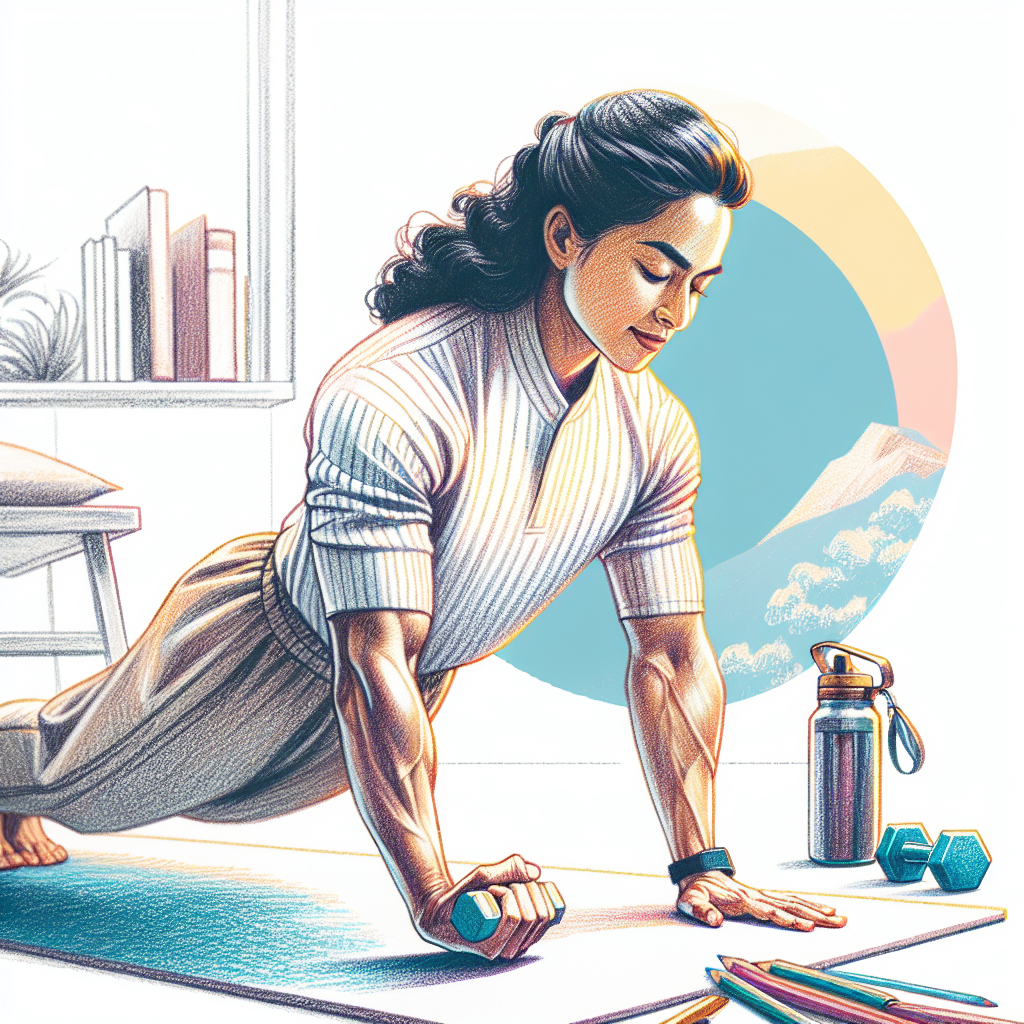
  • Push-Ups: Target the chest, shoulders, and triceps. Start on your hands and knees, transitioning to a plank position, and lower your body until your chest nearly touches the ground.
  • Squats: Focus on the quadriceps, hamstrings, and glutes. Stand with feet hip-width apart, lower your body as if sitting in a chair, and rise back up.
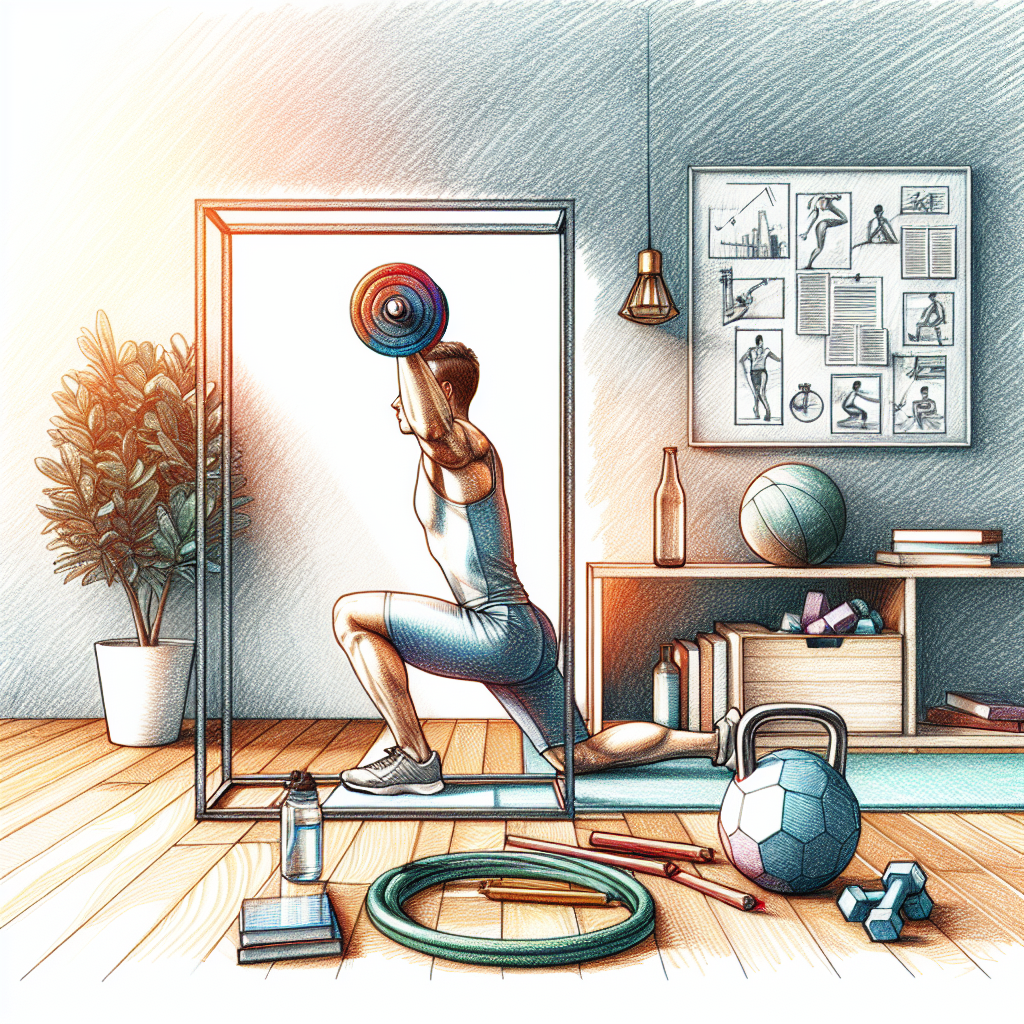
  • Lunges: Engage the legs and core. Step forward with one leg, lowering your hips until both knees are bent at about a 90-degree angle.
  • Planks: Strengthen the core and stability. Lie face down, lift your body on your forearms and toes, and hold a straight line from head to heels.
  • Burpees: A total-body exercise that combines squats and jumps. Start standing, drop into a squat, kick back into a plank, return to squat, and explode upwards.

Sample Workout Plan

For those who may be unsure how to begin, a daily six-minute workout is highly beneficial. Here’s a sample routine:

  1. Warm-up with jumping jacks (1 minute)
  2. 10 Push-Ups
  3. 15 Squats
  4. 10 Lunges (5 per leg)
  5. 30-second Plank
  6. 10 Burpees

This quick routine emphasizes high-intensity effort within a minimal time frame. For a structured approach, consider engaging in a 30-day exercise program that emphasizes brevity and effectiveness, like the one available for free registration at this link.

When to Consult a Professional

While bodyweight exercises are generally safe for most individuals, there are instances when consulting a healthcare provider or fitness professional is advisable:

  • If experiencing persistent pain or injury during exercise.
  • If unsure about correct exercise technique.
  • If you have pre-existing medical conditions limiting physical activity.
  • If planning to start an intensive training program after a long period of inactivity.

Myths and Misconceptions

Numerous myths surround strength training without equipment. Here are a few common misconceptions:

  • Myth 1: Bodyweight training is only for beginners. Fact: It can challenge advanced athletes with appropriate variations.
  • Myth 2: You cannot build muscle without weights. Fact: Progressive bodyweight training can indeed increase muscle mass.
  • Myth 3: Bodyweight workouts are ineffective for fat loss. Fact: High-intensity training can significantly elevate heart rate, aiding in fat loss.

Frequently Asked Questions

Can I build muscle with bodyweight exercises?

Yes, with consistent practice and progression, bodyweight exercises can promote muscle growth.

How often should I do bodyweight training?

Ideally, engage in bodyweight training 3-5 times a week for optimal results.

Are bodyweight workouts suitable for beginners?

Absolutely. Bodyweight exercises can be modified to cater to all fitness levels.

How long should a bodyweight workout last?

A 15-30 minute session is sufficient for effective strength training without equipment.

Can I lose weight with bodyweight exercises?

Yes, bodyweight workouts can help create a caloric deficit and support weight loss when combined with a balanced diet.

Will I get bored with bodyweight training?

With various exercises and modification options, bodyweight training can be continually adapted to maintain interest and engagement.

Conclusion

  • Bodyweight training offers a flexible, cost-effective means to build strength.
  • A diverse range of exercises ensures all muscle groups are targeted.
  • Regular engagement can lead to substantial improvements in fitness levels.
  • Consulting professionals is recommended if pain or confusion arises.
  • Constantly challenging the body is key to continued progress and results.

Empower yourself to cultivate strength without relying on equipment. Explore the vast options available through bodyweight exercises, and consider participating in a 30-day exercise program that optimally fits your lifestyle. Begin your journey today!

Author: John Angel
Related articles

Categories
Fitness

Effective Gym Exercises Without Equipment for All Fitness Levels

In today’s fast-paced world, finding time to exercise can be a significant challenge. Fortunately, gym exercises without equipment offer an effective solution for individuals seeking to improve their fitness levels without the need for a gym membership or extensive equipment. These exercises can be performed in the comfort of your home, allowing you to enhance strength, flexibility, and stamina in a time-efficient manner. Whether you’re a fitness enthusiast or a beginner, this guide will provide you with actionable exercises that can yield impressive results.

  • Understanding Bodyweight Exercises
  • Key Benefits of Exercising Without Equipment
  • Essential Bodyweight Exercises
  • Creating a Workout Routine
  • When to Consult a Professional
  • Common Myths about Bodyweight Training
  • FAQ
  • Conclusion

Understanding Bodyweight Exercises

Bodyweight exercises utilize your own weight as resistance, engaging multiple muscle groups simultaneously. These exercises can enhance coordination, improve muscular endurance, and promote better functional movement. They are versatile, allowing for modifications that can accommodate various fitness levels.

Key Benefits of Exercising Without Equipment

Exercising without equipment provides numerous advantages:

  • Convenience: You can perform these exercises anywhere, eliminating barriers such as travel time to the gym.
  • Cost-effective: Save on gym memberships and equipment purchases, making fitness accessible to everyone.
  • Flexibility: You can design workouts to fit any schedule, even if only for a few minutes a day.
  • Variety: A wide range of movements keeps workouts engaging and effective.

Essential Bodyweight Exercises

Here are some key exercises that incorporate different muscle groups and movement patterns:

  • Squats: Great for strengthening the lower body, particularly the quads, hamstrings, and glutes.
  • Push-ups: An effective exercise for developing upper body strength in the chest, shoulders, and triceps.
  • Planks: Excellent for core stability and strength, activating various muscle groups.
  • Lunges: Focus on flexibility and strength in the legs, promoting balance and coordination.
  • Burpees: A full-body workout that enhances cardiovascular fitness and muscular endurance.

Practical Steps to Execute Your Routine

To create an effective bodyweight workout routine, follow these steps:

  1. Choose 4-5 exercises from the list above.
  2. Decide on the duration (e.g., perform each exercise for 30 seconds followed by 15 seconds of rest).
  3. Repeat the circuit 2-3 times based on your fitness level.
  4. Incorporate flexibility by varying the exercises or adjusting the time and rest intervals.
  5. Consider following a structured program; for instance, register for this free 30-day exercise program that takes only 6 minutes a day.

When to Consult a Professional

While bodyweight exercises are generally safe for most individuals, there are certain circumstances where seeking professional guidance is advisable:

  • Injuries: If you have a pre-existing injury or health condition, consult a healthcare provider before starting any exercise program.
  • Pain: Persistent pain during or after exercise may require assessment to rule out underlying issues.
  • Goal-Oriented Training: If you have specific fitness goals, working with a trainer may optimize your results.

Common Myths about Bodyweight Training

There are several misconceptions surrounding bodyweight exercises that may deter individuals from engaging in this effective form of training:

  • Myth 1: Bodyweight exercises are only for beginners. Reality: They can be adapted for all fitness levels.
  • Myth 2: You cannot build muscle without weights. Reality: Progressive bodyweight training can lead to significant muscle gain.
  • Myth 3: All bodyweight exercises lack intensity. Reality: Exercises like burpees and mountain climbers can provide substantial cardiovascular and muscular intensity.

FAQ

What are bodyweight exercises?

Bodyweight exercises utilize your own weight as resistance, allowing for strength training and muscle engagement without the need for equipment.

Can you gain muscle without equipment?

Yes, progressive bodyweight exercises can effectively build muscle and strength.

How do I create a bodyweight workout routine?

Select a variety of exercises, decide on durations and rest periods, and ensure to incorporate progressive challenges over time.

Are bodyweight exercises safe for everyone?

Generally, yes, but individuals with injuries or specific health concerns should consult a professional before starting.

What if I have limited space for exercising?

Many bodyweight exercises require minimal space; movements like push-ups and squats can be effectively performed in smaller areas.

How can I track my progress with bodyweight training?

Monitor performance metrics such as the number of repetitions, the duration you can hold positions, or overall workout time to gauge improvement.

Conclusion

  • Bodyweight exercises are versatile and effective for improving fitness without equipment.
  • They offer numerous benefits, including convenience and cost-effectiveness.
  • Creating a structured routine can optimize results.
  • Consult professionals when needed, particularly if dealing with injuries or specific goals.
  • Dispel common myths to embrace the full potential of bodyweight training.

Embarking on a journey of fitness without equipment not only enhances your physical strength but also contributes positively to your overall well-being. Consider integrating bodyweight exercises into your daily routine, or for a more structured approach, register for this free 30-day exercise program today!

Author: John Angel

Related articles

Categories
Fitness

Effective Bodyweight Workouts for Muscle Building

Building muscle does not necessitate access to a gym or complex equipment. In fact, one can achieve impressive results through a variety of bodyweight exercises, fostering strength and definition. This article outlines effective muscle-building workouts that require no equipment, catering to individuals at varying fitness levels.

  • Introduction
  • Understanding Bodyweight Exercises
  • Effective Muscle-Building Workouts
  • The Science Behind Muscle Growth
  • Common Mistakes in Bodyweight Training
  • When to Consult a Professional
  • Frequently Asked Questions
  • Conclusion

Understanding Bodyweight Exercises

Bodyweight exercises utilize the weight of your own body as resistance, permitting you to perform a full range of movements without needing any additional gear. This form of training not only promotes muscle growth but also enhances coordination, balance, and flexibility. Key benefits include:

  • Accessibility, as they can be performed anywhere.
  • Cost-effectiveness, eliminating the need for expensive gym memberships.
  • Adaptability, allowing for progression based on individual fitness levels.

Effective Muscle-Building Workouts

To build muscle effectively with bodyweight exercises, incorporate a variety of movements targeting different muscle groups. Below is a recommended routine that can be completed in short increments, with each exercise performed for 30-60 seconds followed by a brief rest.

  1. Push-Ups: Targets the chest, shoulders, and triceps. Start in a plank position and lower your body until your chest nearly touches the ground.
  2. Squats: Engages the quadriceps, hamstrings, and glutes. Stand with feet shoulder-width apart, bend your knees, and lower your body as if sitting in a chair.
  3. Lunges: Focuses on thighs and glutes. Step forward with one leg and lower your hips until both knees are at an angle of about 90 degrees; alternate legs.
  4. Plank: Strengthens the core. Hold a push-up position, keeping your body in a straight line from head to heels.
  5. Burpees: A full-body movement that combines a squat, push-up, and jump. Start standing, drop to a squat, kick your feet back, return to squat, and jump up.
  6. Mountain Climbers: Engages the core, arms, and legs. Begin in a plank position and alternate bringing knees toward your chest rapidly.

For those seeking a structured approach, consider registering for a 30-day exercise program that promises effective results in just 6 minutes of daily activity.

The Science Behind Muscle Growth

Muscle growth transpires through a process called hypertrophy, wherein muscle fibers undergo microscopic tears during exercise. The body repairs these tears, leading to an increase in muscle size and strength. This process necessitates adequate protein intake and sufficient rest for optimal recovery. Key factors influencing muscle growth include:

  • Progressive overload: Gradually increasing intensity or resistance.
  • Nutritional support: Consuming a balanced diet rich in protein.
  • Rest and recovery: Allowing adequate time for muscles to recuperate.

Common Mistakes in Bodyweight Training

Even though bodyweight workouts are simple in principle, certain misconceptions and mistakes can hinder progress. Some of the most prevalent include:

  • Neglecting form: Poor form can lead to injuries and ineffective workouts. Prioritize proper technique over the number of repetitions.
  • Inconsistent training: Regularity is crucial for muscle building. Aim for at least three sessions per week.
  • Ignoring intensity: For optimal muscle growth, ensure that workouts are challenging enough to stimulate muscle fibers.

When to Consult a Professional

It is always advisable to consult a qualified fitness professional under certain circumstances, including:

  • Experiencing persistent pain or discomfort during exercises.
  • Struggling to achieve results despite consistent effort.
  • Unsure about proper techniques for exercises.
  • Obtain a personalized training program tailored to specific fitness goals or health conditions.

Frequently Asked Questions

Can I build muscle without weights?

Yes, bodyweight exercises can effectively build muscle without any weights.

How often should I perform bodyweight workouts?

Aiming for at least three to four sessions per week is ideal for muscle gains.

Is cardio effective for building muscle?

While cardio is beneficial for overall health, resistance training is more effective for building muscle mass.

Are bodyweight exercises suitable for beginners?

Yes, bodyweight exercises can easily be modified for beginners and progressively increased in difficulty.

How can I increase the intensity of bodyweight workouts?

To increase intensity, consider reducing rest time, adding more complex variations of exercises, or increasing the number of repetitions.

What is the best time to work out for muscle building?

The best time varies for each individual, but consistency is key. Choose a time that fits your schedule and stick to it.

Conclusion

  • Bodyweight workouts can build substantial muscle without equipment.
  • Regular practice and proper technique are essential for effectiveness.
  • Nutrition and rest play crucial roles in supporting muscle growth.
  • Avoid common mistakes to optimize your results.
  • Seek professional advice when necessary to ensure safe and effective training.

In summary, building muscle without equipment is not only feasible but also rewarding. By implementing the strategies outlined in this article, you can embark on a journey towards improved strength and fitness. Consider taking the first step by joining a 30-day exercise program tailored to yield gym-like results in just six minutes a day.

Author: John Angel

Related articles

Categories
Fitness

Top Bodyweight Exercises for Muscle Building

Best Exercises to Build Muscle Without Equipment

In a world increasingly dominated by a fast-paced routine and limited access to fitness facilities, developing a robust physique without equipment has never been more relevant. This article explores the most effective exercises to build muscle using body weight alone, offering high value for both beginners and seasoned athletes alike. Discover the transformative potential of simple movements and learn how to enlist your own body’s resistance to achieve remarkable results.

  • Introduction
  • Understanding Muscle Building
  • Effective Body Weight Exercises
  • Creating a Balanced Routine
  • Common Myths about Body Weight Training
  • When to Consult a Professional
  • Frequently Asked Questions (FAQ)
  • Conclusion

Understanding Muscle Building

Muscle building, or hypertrophy, occurs when muscle fibers sustain damage from resistance training, prompting the body to repair and strengthen them. Body weight exercises utilize the weight of your own body for resistance, making them accessible and versatile for anyone, anywhere. This method not only builds strength but also improves flexibility and endurance.

Effective Body Weight Exercises

The following exercises are especially efficient for building muscle without the need for equipment:

1. Push-Ups

Push-ups are a classic upper body exercise targeting the chest, shoulders, and triceps. They can be modified for beginners or intensified for advanced practitioners.

2. Squats

Bodyweight squats effectively target the lower body, especially the quadriceps, hamstrings, and gluteal muscles. Proper form is essential to prevent injury and maximize effectiveness.

3. Lunges

Lunges work on your legs and core while improving balance and coordination. Variations such as reverse lunges and lateral lunges can add complexity to your routine.

4. Planks

Planks are exceptional for core strength, providing stability across the entire body. They can be performed in several variations, such as side planks and plank jacks.

5. Burpees

Burpees are a full-body exercise that combines strength and cardio, targeting multiple muscle groups and enhancing metabolism.

6. Mountain Climbers

This dynamic exercise focuses on core stability and cardiovascular endurance while engaging the arms and legs. Ideal for high-intensity workouts.

7. Dips

Using a sturdy chair or low table, dips are excellent for the triceps and can also work the shoulders and chest.

Creating a Balanced Routine

To achieve the best results, it is vital to incorporate these exercises into a well-rounded routine. Aim for a combination of upper body, lower body, and core exercises within your workouts. Here’s a sample weekly plan:

  1. Day 1: Push-Ups, Squats, Planks
  2. Day 2: Lunges, Dips, Mountain Climbers
  3. Day 3: Burpees, Squats, Planks
  4. Day 4: Rest or light activity
  5. Day 5: Repeat Day 1
  6. Day 6: Repeat Day 2
  7. Day 7: Active recovery, such as walking or stretching

For those seeking a structured yet minimal time commitment, consider a 30-day exercise program that only requires 6 minutes of your time daily while delivering results comparable to a gym routine. You can register for this free program here.

Common Myths about Body Weight Training

There are numerous misconceptions that surround body weight training. Recognizing these can significantly impact your fitness journey:

  • Myth 1: Body weight exercises are not effective for building muscle.
  • Myth 2: You can’t scale body weight workouts for intensity.
  • Myth 3: Only gym equipment is necessary for serious training.
  • Myth 4: Body weight training is only for beginners.

When to Consult a Professional

While body weight exercises are generally safe, there are instances when consulting a professional is advisable:

  • If you experience persistent pain during exercises.
  • To ensure proper form, especially after an injury.
  • To develop a personalized training plan suited to your goals.
  • If you are unsure about the suitability of certain exercises for your fitness level.

Frequently Asked Questions (FAQ)

Can I build muscle without any equipment?

Yes, body weight exercises effectively build muscle by utilizing your own weight as resistance.

How often should I do body weight exercises?

For optimal results, aim to work out 3-5 times a week, allowing rest days in between.

Can body weight exercises help with fat loss?

Yes, these exercises can be part of a calorie-burning routine, aiding in fat loss when combined with a balanced diet.

What is the best body weight exercise for beginners?

Push-ups or squats are great starting points for beginners due to their simplicity and effectiveness.

Are there any risks to body weight training?

Like any physical activity, improper form can lead to injuries. Be mindful of your technique and consult a professional if needed.

How can I increase the intensity of body weight exercises?

You can increase intensity by adding variations, increasing repetitions, or reducing rest times.

Conclusion

  • Body weight exercises are effective for building muscle without the need for equipment.
  • A balanced routine should include a variety of exercises targeting all major muscle groups.
  • Many misconceptions about body weight training can hinder progress; awareness can drive better results.
  • Consulting a professional can help refine your approach and address specific concerns.
  • Consider exploring structured programs to optimize your time and effort.

Take the first step toward enhancing your physical health and well-being today by integrating these exercises into your routine. With commitment and proper technique, you will discover the true potential of your body’s strength.

Author: John Angel

Related articles

Categories
Fitness

Effective Back Exercises Without Machines for Strength and Health

Incorporating back exercises without machines is an effective way to strengthen the muscles of your back, enhance posture, and alleviate discomfort. These exercises can be performed almost anywhere, require minimal space or equipment, and can lead to impressive results. Engaging in just a few minutes of targeted activity each day not only benefits your physical health but can also boost your mental well-being.

  • Understanding the Importance of Back Exercises
  • Benefits of Non-Machine Back Workouts
  • Essential Back Exercises You Can Do Anywhere
  • Step-by-Step Guide to Effective Back Workouts
  • When to Consult a Healthcare Professional
  • Common Myths and Mistakes About Back Exercises
  • FAQs
  • Conclusion

Understanding the Importance of Back Exercises

The back is an integral part of the body’s supporting framework. It encompasses a complex series of muscles that provide stability and power for everyday movements. Strengthening these muscles can reduce the risk of injury, improve performance in physical activities, and enhance overall quality of life.

Benefits of Non-Machine Back Workouts

Performing back exercises without machines provides various advantages:

  • Accessibility: No need for a gym or specialized equipment; exercises can be performed at home or outdoors.
  • Cost-Effectiveness: Save money on gym memberships and costly machines.
  • Flexibility: Fit workouts into a busy schedule; exercises can be done in small time increments.
  • Functional Strength: Enhances core stability and overall functional movements.

Essential Back Exercises You Can Do Anywhere

Here are some effective back exercises that require no machines:

  • Superman Raise: Lie face down with arms extended. Simultaneously raise your arms and legs off the ground, holding for a few seconds.
  • Bridge: Lie on your back with knees bent and feet flat on the ground. Lift hips until shoulders, knees, and hips form a straight line.
  • Plank: Assume a push-up position, resting on forearms. Keep your body in a straight line from head to heels.
  • Bird Dog: On hands and knees, extend one arm forward and the opposite leg back, keeping your back flat.
  • Child’s Pose: Kneel on the floor, sit back on your heels, and stretch arms forward while resting your forehead on the ground.

Step-by-Step Guide to Effective Back Workouts

This practical approach will help you maximize your training:

  1. Warm-Up: Begin with gentle stretches to prepare your muscles. Focus on the back, shoulders, and hip flexors.
  2. Perform Exercises: Choose 3-5 exercises from the list above and complete them in a circuit format.
  3. Maintain Proper Form: Focus on your technique to prevent injury and ensure optimal results.
  4. Cool Down: Conclude with stretching exercises to enhance flexibility and promote recovery.
  5. Stay Consistent: Aim to perform this routine 3-4 times per week for best results. For those with limited time, consider a quick 6-minute daily workout; you can register for a 30-day exercise program here: Register Now.

When to Consult a Healthcare Professional

It is vital to seek professional advice when:

  • You experience persistent back pain or discomfort.
  • Pain radiates down your leg or into your arms.
  • You encounter weakness or numbness in your limbs.
  • Injury occurs that causes severe pain or restricted movement.

Common Myths and Mistakes About Back Exercises

Several misconceptions surround back workouts. Here are a few:

  • Myth: You need a gym to strengthen your back.
  • Myth: Back exercises are only for athletes or fitness enthusiasts.
  • Myth: More reps always equal stronger muscles; quality over quantity is key.
  • Mistake: Ignoring form for the sake of speed can lead to injury.

FAQs

What are some signs I may need to stop exercising?

Signs include sharp pain, dizziness, or any unusual symptoms that persist.

How often should I do back exercises?

It is recommended to train your back muscles 3-4 times a week for optimal results.

Can I do back exercises every day?

While you can do back exercises daily, it is essential to allow muscle recovery; consider alternating with other muscle groups.

What are the best stretches for back pain?

Child’s Pose, Cat-Cow Stretch, and Seated Forward Bend can help alleviate back pain.

How long will it take to see results?

Results may vary, but many individuals may begin to feel improvements in strength and flexibility within a few weeks of consistent exercise.

Is it necessary to warm up before back exercises?

Absolutely! Warming up prepares your muscles and reduces the risk of injury.

Conclusion

  • Back exercises can be performed without machines, making them accessible to everyone.
  • These exercises help to improve strength, posture, and overall well-being.
  • Consistency and proper technique are crucial for achieving optimal results.
  • Always listen to your body and consult a professional if you experience persistent pain.
  • Begin incorporating back exercises today, and consider our quick 6-minute daily program for effective results.

Start your journey towards a stronger back! For a unique 30-day exercise plan that only requires 6 minutes of your time each day, register here: Register Now.

Author: John Angel

Related articles

Categories
Fitness

30-Day Back Challenge: No Equipment Needed for Better Health

Many individuals are seeking ways to improve their physical health without the need for costly gym memberships or specialized equipment. Engaging in a comprehensive 30-day back challenge can significantly enhance back strength, flexibility, and overall posture. What’s more, this challenge can be done entirely at home, requiring no equipment and only a small time commitment each day. By the end of the month, participants often experience greater core stability and improved day-to-day functionality, leading to an enhanced quality of life.

  • Introduction
  • Understanding the Importance of Back Health
  • Overview of the 30-Day Back Challenge
  • Daily Routine and Exercises
  • Common Myths About Back Exercise
  • When to Seek Professional Help
  • Frequently Asked Questions
  • Conclusion

Understanding the Importance of Back Health

The back comprises a complex structure of bones, muscles, and connective tissues that plays a vital role in various bodily functions. Poor back health can lead to discomfort, reduced mobility, and complications affecting daily activities. Implementing a dedicated exercise regimen that focuses on the back can alleviate pain, enhance posture, and reduce the risk of injury.

Overview of the 30-Day Back Challenge

This 30-day back challenge is designed to progressively strengthen the back muscles while improving flexibility and posture. Each exercise can be performed at home, requiring no special equipment, and can be completed in roughly six minutes daily. Participants are encouraged to maintain consistency to maximize results.

Daily Routine and Exercises

Below is a breakdown of the daily routine for the 30-day back challenge, providing a mix of exercises to target various muscles effectively:

  1. Day 1-7: Foundation Building
    • Cat-Cow Stretch: 1 minute
    • Child’s Pose: 1 minute
    • Glute Bridge: 1 minute
    • Pelvic Tilts: 1 minute
    • Bird-Dog: 2 minutes
  2. Day 8-14: Strength Enhancement
    • Superman Pose: 1 minute
    • Wall Angels: 1 minute
    • Side-Lying Leg Lifts: 1 minute each side
    • Plank Hold: 1 minute
    • Back Extension: 2 minutes
  3. Day 15-21: Flexibility and Endurance
    • Cobra Stretch: 1 minute
    • Twisting Bridge: 1 minute
    • Side Plank: 30 seconds each side
    • Standing Forward Bend: 1 minute
    • Hip Flexor Stretch: 2 minutes
  4. Day 22-30: Integration and Improvement
    • Combination of Bird-Dog and Plank: 1 minute
    • Pigeon Pose: 1 minute each side
    • Reverse Snow Angels: 1 minute
    • Deep Squats: 1 minute
    • Sphinx Pose: 2 minutes

For a more comprehensive approach to fitness and additional daily exercise routines, you may consider signing up for a streamlined 30-day program that requires only six minutes of exercise daily. You can register for free at this link.

Common Myths About Back Exercise

Despite the benefits of back exercises, several misconceptions persist:

  • Myth 1: Back pain means you should avoid exercise altogether.
  • Myth 2: Heavy weights are necessary to strengthen your back.
  • Myth 3: Stretching is not essential for back health.

Each of these points can lead to misunderstandings that deter individuals from engaging in beneficial routines. It is vital to approach back health with accurate information.

When to Seek Professional Help

Consulting with a healthcare professional is advisable if you experience any of the following:

  • Unexplained or persistent back pain.
  • Severe pain that does not improve with rest or over-the-counter medications.
  • Symptoms lasting longer than a few weeks.
  • Weakness or numbness in the legs.
  • Difficulty walking or standing.

Frequently Asked Questions

What should I do if I feel pain during the exercises?

Stop the exercise immediately. Listen to your body, and consider consulting a physician or physical therapist if the pain continues.

Can anyone participate in the 30-day back challenge?

Yes, the challenge is designed for individuals with varying fitness levels; however, modifying exercises may be necessary for beginners.

How long will I see results from this challenge?

Many participants notice improvements in strength and flexibility within the first few weeks, although results may vary based on consistency.

Is this routine effective for chronic back pain?

This challenge focuses on strengthening and flexibility, which can alleviate discomfort, but consulting with a healthcare professional for chronic conditions is recommended.

Do I need to stretch before starting the challenge?

Although the exercises include stretching, performing a brief warm-up beforehand can further prepare your muscles and reduce the risk of injury.

What if I miss a day in the 30-day challenge?

If you miss a day, do not be discouraged; simply resume from where you left off. Consistency is critical, but occasional breaks can be manageable.

Conclusion

  • The 30-day back challenge is an accessible and effective way to improve back health.
  • Participants will engage in daily exercises that require no equipment and minimal time.
  • Implementing regular back exercises promotes overall health and well-being.
  • Awareness of myths and misconceptions about back exercise is crucial.
  • Consulting professionals when experiencing persistent symptoms is essential for long-term health.

Embarking on this challenge has the potential to elevate your fitness journey. If you’re ready to take the next step in enhancing your physical well-being, consider joining a program designed for efficiency and effectiveness. Register for free at this link to get started.

Author: John Angel

Related articles

Categories
Fitness

Maximize Fitness with Effective Bodyweight Exercises

In today’s fast-paced world, finding the time and motivation to exercise can be challenging. However, bodyweight exercises offer an efficient and flexible way to enhance physical fitness without the need for specialized equipment. Engaging in a weight loss journey through bodyweight workouts not only fosters physical health but also improves mental well-being. This article explores the magic and practicality of short home workouts while emphasizing how you can seamlessly integrate them into your daily routine.

  • Understanding Bodyweight Exercise
  • Benefits of Short Workouts
  • Effective Bodyweight Exercises
  • Integrating Workouts into Daily Life
  • When to Consult a Professional
  • Common Myths About Bodyweight Training
  • Frequently Asked Questions

Understanding Bodyweight Exercise

Bodyweight exercises use one’s own mass to provide resistance against gravity. This approach not only simplifies the workout process but also makes it highly accessible. It includes movements such as push-ups, squats, and planks that can be performed anywhere, from your living room to a park. By focusing on basic movements, bodyweight training enhances muscular strength, endurance, balance, and flexibility, laying a solid foundation for overall fitness.

Benefits of Short Workouts

The trend of dividing fitness into short, manageable segments is gaining traction, and for good reason. Just six minutes a day can ignite substantial rewards for your health and wellness, especially when it comes to a weight loss journey.

  • Time Efficiency: In our busy lives, dedicating hours to a workout may not be feasible. Short workouts make it easier to fit fitness into any schedule.
  • Enhanced Consistency: Short bursts of exercise can promote regular engagement, leading to better adherence to fitness routines.
  • Mental Boost: Brief sessions of physical activity trigger the release of endorphins, enhancing mood and reducing stress.
  • Accessibility: Exercise does not require a gym membership or extensive equipment; you can work out from the comfort of your home.
  • Improved Metabolism: Short, intense workouts can effectively elevate your heart rate and stimulate your metabolism for hours post-exercise.

Effective Bodyweight Exercises

Here are some highly effective bodyweight exercises to include in your routine:

  • Push-Ups: Excellent for building upper body strength.
  • Squats: Strengthen your legs and glutes; great for building lower body muscle.
  • Plank: Engages the core and improves overall stability.
  • Lunges: Enhance balance and coordination while targeting multiple muscle groups.
  • Burpees: A full-body workout that boosts cardio fitness.

Integrating Workouts into Daily Life

Transforming your fitness journey begins with incorporating short workouts into your everyday life. Here’s how:

  1. Set a Schedule: Designate specific times in your day for a quick six-minute workout, such as in the morning or during lunch breaks.
  2. Choose a Location: Select a space that allows for movement, whether indoors or outdoors, ensuring you are comfortable and focused.
  3. Keep It Fun: Use music or invite a friend to join; this makes your workout enjoyable and increases motivation.
  4. Be Mindful: Pay attention to your body and form during exercises to maximize results and prevent injury.
  5. Track Progress: Monitor your achievements, which aids in maintaining motivation and setting future workout goals.

When to Consult a Professional

While bodyweight exercises are generally safe for most individuals, there are circumstances when it is wise to seek professional guidance. If you experience pain during exercise, have a chronic condition, or are recovering from an injury, it’s essential to consult a qualified fitness or healthcare professional before embarking on a new fitness regimen.

Common Myths About Bodyweight Training

Misunderstandings about bodyweight training can deter individuals from fully embracing its benefits. Here are a few myths debunked:

  • Myth 1: Bodyweight training is only for beginners.
  • Myth 2: You need equipment for an effective workout.
  • Myth 3: Bodyweight workouts cannot build muscle.
  • Myth 4: They do not provide cardiovascular benefits.

Frequently Asked Questions

Can bodyweight exercises help with weight loss?

Yes, bodyweight exercises can effectively burn calories and build muscle, contributing to weight loss when paired with a balanced diet.

How long should a bodyweight workout be?

A workout can be as short as six minutes and still yield fitness benefits when performed intensively.

Is it necessary to do warm-up exercises before bodyweight training?

Yes, a warm-up is important to prepare your muscles and prevent injury.

Can beginners do bodyweight exercises?

Absolutely! Bodyweight exercises are adaptable and can be scaled according to individual fitness levels.

How can I track my progress in bodyweight training?

You can track progress by noting repetitions, sets, and any improvements in ease and form over time.

Are short workouts effective for overall fitness?

Yes, short workouts can enhance cardiovascular health, strength, and flexibility when performed regularly.

Conclusion

  • Bodyweight exercises make fitness accessible and convenient.
  • Six-minute workouts can enhance mental and physical well-being.
  • Integrating short workouts into your daily routine fosters consistency.
  • Understanding and debunking myths associated with bodyweight training can boost your confidence.
  • Consult professionals when experiencing pain or discomfort during exercise.

For those seeking to jumpstart their fitness journey, consider registering for the free 30-day SixPack workout program that empowers you with structured routines and motivated engagement. Embrace the magic of bodyweight training and transform your health today!

Author: John Angel

Related articles

Categories
Fitness

Effective Six-Minute Workouts for Weight Loss at Home

Embarking on a weight loss journey can be both a rewarding and challenging endeavor. For many, the idea of committing to long workouts or expensive gym memberships can deter progress. However, the magic of six-minute short workouts at home presents a feasible and effective alternative. These brief sessions fit into even the busiest of schedules, allowing for the integration of exercise into daily life without feeling overwhelming.

  • Understanding the Six-Minute Workout
  • The Psychological Benefits
  • Physical Transformations
  • How to Implement Six-Minute Workouts
  • When to Consult a Professional
  • Common Myths about Short Workouts
  • FAQs

Understanding the Six-Minute Workout

Short workout sessions, typically lasting around six minutes, have gained popularity due to their inherent flexibility and access. These workouts can be performed anywhere, making them highly advantageous for individuals with busy lifestyles or limited access to fitness facilities. By focusing on high-intensity exercises, six-minute workouts maximize calorie burn, providing a potent boost to your weight loss journey.

The Psychological Benefits

The connection between mental well-being and physical health is profound. Engaging in brief, high-energy workouts can enhance mood and reduce stress levels. These sessions foster a sense of accomplishment, especially for beginners apprehensive about traditional workout regimens. This psychological lift helps sustain motivation and reinforces the desire to maintain an active lifestyle over time.

Physical Transformations

The effectiveness of six-minute workouts extends beyond the psychological benefits. Regularly incorporating such workouts can lead to substantial physical changes, including improved cardiovascular health, increased muscle tone, and enhanced overall fitness. By tailoring the exercises to different body parts, individuals can achieve a full-body workout in mere minutes, aligning daily physical activity with personal weight loss goals.

How to Implement Six-Minute Workouts

To successfully incorporate six-minute workouts into your daily routine, consider these steps:

  1. Choose a preferred time each day, whether it’s morning, afternoon, or evening.
  2. Select a variety of exercises that target different muscle groups, such as squats, push-ups, and planks.
  3. Set a timer for six minutes and perform each exercise for a specified duration, such as 30 seconds, with short breaks in between.
  4. Gradually increase the intensity or repetitions as you become more comfortable with the exercises.
  5. Track your progress and celebrate milestones to keep motivation high.
  6. For a structured plan, consider joining the SixPack workout program for 30 days free.

When to Consult a Professional

While many individuals can benefit from short workouts, consulting a healthcare professional is advisable if you encounter any of the following:

  • Experiencing persistent pain or discomfort during exercise.
  • Having pre-existing medical conditions that may affect your ability to exercise safely.
  • Feeling unsure about proper form and technique, as this can lead to injury.
  • Wishing to set personalized fitness goals that require expert guidance.

Common Myths about Short Workouts

Understanding the truths behind common misconceptions can empower individuals on their weight loss journey:

  • Myth 1: Short workouts are ineffective.
  • Myth 2: You need at least 30 minutes to see results.
  • Myth 3: All workouts must be high-impact to be beneficial.
  • Myth 4: You can’t build muscle with brief workouts.
  • Myth 5: You should never skip rest days.

FAQ

What types of exercises are best for a six-minute workout?

Exercises such as high knees, jumping jacks, squats, and push-ups are excellent choices, as they engage multiple muscle groups and elevate heart rate.

How many times a week should I do six-minute workouts?

Aim for at least three to five times a week, allowing for rest days and variation in workout intensity.

Can I lose weight with only six-minute workouts?

Yes, with consistency and a balanced diet, six-minute workouts can contribute significantly to weight loss.

Do I need equipment for these workouts?

No, many effective six-minute workouts use only body weight, making them accessible and convenient.

How quickly will I see results?

Results vary by individual, but consistent short workouts can yield visible changes in a few weeks.

Is it suitable for beginners?

Absolutely! Six-minute workouts are adaptable and perfect for beginners to ease into regular fitness routines.

Conclusion

  • Short workouts can seamlessly integrate into your routine.
  • They provide both physical and psychological benefits.
  • These sessions can be tailored to any fitness level, making them highly accessible.
  • Consult professionals for guidance when necessary.
  • Dispelling myths around workout duration can foster a more positive fitness mindset.

As you embark on your weight loss journey, consider the life-changing potential of six-minute workouts. They encapsulate the perfect blend of efficiency and accessibility. To start your transformative journey today, explore the structured guidance offered by the SixPack workout program for 30 days free!

Author: John Angel

Related articles

Website analytics information

We use Google Analytics 4 for visitor statistics. Analytics cookies require your consent, which you can change using the button above. The data controller is ZDRAVÍ S ÚSMĚVEM s.r.o., company ID 29283329, contact podpora@revolucnicviceni.cz. Google processes browser, device and page visit information. We do not send form field values to Analytics. How Google uses information · Google Privacy Policy.