
Categories
Fitness

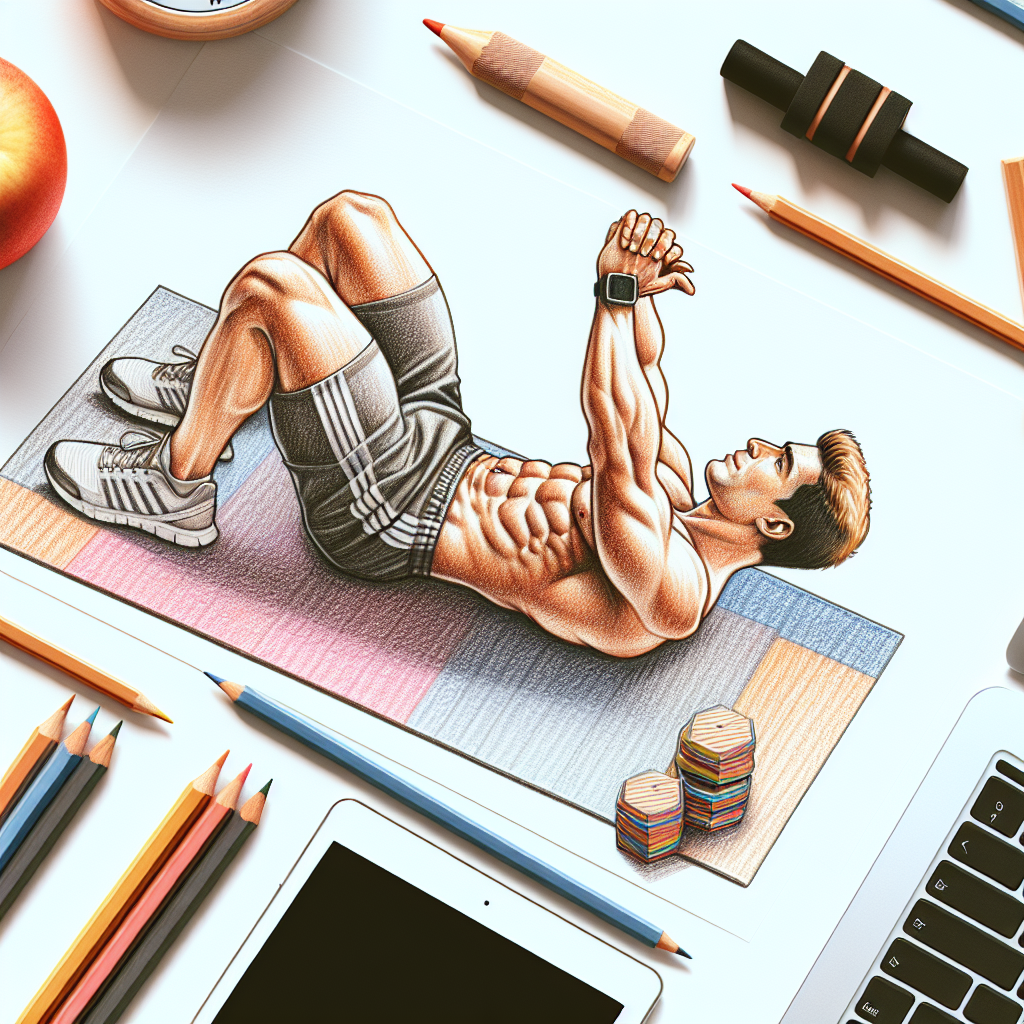
Achieve Six-Pack Abs with Effective Bodyweight Workouts

Achieving a well-defined six-pack is a common fitness goal, yet many believe that access to a gym or expensive equipment is essential. However, an effective six-pack workout can be accomplished with no equipment at all. In this post, we will explore various exercises that target the abdominal region, ensuring that anyone can sculpt their core without breaking the bank. Furthermore, we will provide insights on how to structure these workouts and incorporate them into your daily routine.

  • Introduction to Equipment-Free Workouts
  • Understanding Core Anatomy
  • Effective Bodyweight Exercises for Six-Pack Abs
  • Creating Your Workout Plan
  • When to Consult a Professional
  • Common Myths and Mistakes
  • FAQs
  • Conclusion

Introduction to Equipment-Free Workouts

Incorporating equipment-free workouts into your routine is not only convenient but also time-efficient. You can exercise anywhere and at any time, eliminating any excuse to skip your physical activity. This accessibility allows you to focus on consistently achieving your goals, ultimately leading to noticeable results.

Understanding Core Anatomy

Before diving into specific exercises, it is essential to understand the anatomy of the core. The abdominal muscles consist of:

  • Rectus Abdominis: This is the “six-pack” muscle, responsible for the dome shape when flexed.
  • Transverse Abdominis: Known as the body’s natural corset, it provides stability.
  • External Obliques: These muscles help with rotation and lateral movements.
  • Internal Obliques: Working with the external obliques, these assist in trunk rotation.

Understanding these muscles will help you choose exercises that effectively engage and strengthen your entire core area.

Effective Bodyweight Exercises for Six-Pack Abs

The following exercises require no equipment and can effectively target your abdominal muscles:

1. Plank

Engage your core while stabilizing your body in a forearm plank position. Hold for 30 seconds to a minute, maintaining a straight line from head to heels.

2. Bicycle Crunches

Lie on your back, bring your knees toward your chest, and alternate touching your elbows to your knees. This engages both the rectus abdominis and the obliques.

3. Mountain Climbers

From a plank position, alternate bringing your knees toward your chest quickly. This exercise combines core engagement with a cardiovascular element.

4. Leg Raises

Lie on your back with your legs extended. Raise them while keeping them straight to engage the lower abdominal muscles.

5. Reverse Crunches

Lie on your back with your legs bent. Lift your pelvis off the floor while drawing your knees towards your chest to target the lower abs.

6. Russian Twists

Sitting with your knees bent, lean back slightly and twist your torso side to side, engaging your obliques.

Creating Your Workout Plan

To ensure consistency and results, follow these steps to create your personalized workout plan:

  1. Choose 3-5 exercises from the list above.
  2. Perform each exercise for 30-60 seconds, with 15-30 seconds of rest in between.
  3. Complete 2-4 rounds, depending on your fitness level.
  4. Incorporate these workouts into your routine 3-4 times per week for optimal results.
  5. If you’re looking for a structured program, consider registering for a 30-day exercise program that maximizes your efforts in just 6 minutes a day. You can register here.

When to Consult a Professional

While bodyweight exercises are generally safe, it’s advisable to consult a qualified professional if you experience:

  • Persistent pain during exercises
  • Difficulty performing movements that were once easy
  • Unexplained changes in your physical condition
  • Chronic back pain or injuries

Seeking advice from a certified trainer or healthcare provider can help you avoid further complications and find appropriate modifications tailored to your needs.

Common Myths and Mistakes

Several misconceptions persist regarding achieving a six-pack through bodyweight workouts:

  • Spot Reduction: Many believe targeting specific areas will lead to fat loss in those regions. In reality, overall fat loss is necessary to reveal abdominal muscles.
  • Time Commitment: Some think they need to spend hours in the gym. Short, intense workouts can be just as effective if done correctly.
  • Only Crunches Work: While crunches are common, a variety of moves are required for balanced core strength and development.
  • Diet Is Irrelevant: Diet plays a significant role in achieving visible abs. A balanced diet is crucial for fat loss and muscle definition.

FAQs

Can I get a six-pack without equipment?

Yes, bodyweight exercises are effective for developing abdominal muscles without the need for equipment.

How often should I do these workouts?

Perform your six-pack workout 3-4 times a week for the best results.

What is the best way to see results?

A diet combined with consistent and varied workouts will help you attain optimal results.

Are there any age restrictions for these workouts?

Bodyweight exercises can be suitable for most age groups, but it is advisable to consult with a professional if you have health concerns.

Can I do these exercises at home?

Yes, these exercises are perfect for home workouts as they require no equipment.

Should I expect immediate results?

Results may vary, but with dedication and a consistent effort, you should begin to see improvements within weeks.

Conclusion

  • Bodyweight exercises can effectively develop six-pack abs without the need for equipment.
  • Understanding core anatomy can enhance workout effectiveness.
  • Structuring a personalized workout plan leads to consistency and results.
  • Consulting a professional is wise if faced with pain or other concerns.
  • Awareness of myths about fitness can foster a more realistic approach to achieving your goals.

Take charge of your fitness journey today. Begin your six-pack workout with these exercises and consider registering for a 30-day program designed for quick and effective results. Start your journey now!

Author: John Angel

Related articles

Categories
Fitness

Effective Exercises for Achieving a Six-Pack

Achieving a six-pack is a widely sought fitness goal that is not just about aesthetics but also about health and functionality. Engaging in targeted exercises can lead to weight loss and improved core strength, making everyday activities easier. This article outlines practical steps and recommendations to integrate effective workouts into your routine and invites you to explore a 30-day trial of a comprehensive workout program designed specifically for developing your core strength.

  • Understanding the Six-Pack Anatomy
  • The Importance of Core Training
  • Effective Six-Pack Exercises
  • How Short Workouts Can Fit into Your Day
  • Consulting a Professional: When and Why
  • Myths and Misconceptions about Six-Pack Training
  • Frequently Asked Questions

Understanding the Six-Pack Anatomy

The term “six-pack” refers to the prominent rectus abdominis muscles, which are crucial for core stability and overall posture. Understanding the underlying anatomy can help you appreciate why targeted exercises are essential. Engaging these muscles enhances not only aesthetics but also functional performance in various physical activities, significantly contributing to your weight loss journey.

The Importance of Core Training

Core training is vital for anyone looking to enhance their physical fitness. A strong core supports better balance, stability, and posture while preventing injuries. Unlike isolated ab workouts, core training incorporates multiple muscle groups, thereby accelerating weight loss and improving overall health. Integrating core workouts into your daily routine is a wise step towards achieving that coveted six-pack.

Effective Six-Pack Exercises

To carve out a six-pack, a combination of exercises targeting the abdominal muscles is essential. Consider incorporating the following into your routine:

  • Plank: A highly effective isometric exercise that stabilizes the core.
  • Crunches: Classic abdominal exercise that targets the rectus abdominis.
  • Leg Raises: Focuses on the lower abdominal region.
  • Russian Twists: Engages the oblique muscles for a more defined midsection.
  • Mountain Climbers: A dynamic movement that increases heart rate while working your core.

How Short Workouts Can Fit into Your Day

In our fast-paced lives, the appeal of six-minute short workouts at home lies in their convenience and efficiency. These brief sessions can fit seamlessly into a busy schedule, allowing you to prioritize fitness without significant time investment. Short workouts enhance endurance, burn calories, and can ignite motivation during your weight loss journey. The adaptability of these routines makes them an effective solution for busy individuals seeking to improve their fitness and achieve core strength.

If you’re interested in transforming your approach to fitness, consider registering for the SixPack workout program for 30 days free. This innovative program focuses on maximizing results through guided workouts.

Consulting a Professional: When and Why

While engaging in a personal fitness quest, certain signs may indicate the need for professional advice. You should consult a healthcare or fitness professional if you experience:

  • Persistent pain during workouts.
  • Difficulty performing exercises due to lack of strength.
  • Unexplained fatigue or strain during daily activities.
  • Any existing health conditions that may affect exercise.

Myths and Misconceptions about Six-Pack Training

Despite the widespread interest in attaining a six-pack, several myths often hinder progress:

  • Spot Reduction: Many believe targeted exercises alone can eliminate belly fat. In reality, overall fat loss through a balanced diet and full-body workouts is essential.
  • Intensive Workouts Are Necessary: Quality often outweighs quantity. Short, focused workouts can be more beneficial than lengthy sessions.
  • Abdominal Exercises Are Enough: A comprehensive fitness regimen that includes cardio and strength training is crucial for effective results.

Frequently Asked Questions

1. Can I achieve a six-pack without a gym?

Absolutely. Many effective exercises can be performed at home with minimal equipment, focusing on bodyweight movements.

2. How long will it take to see results?

The timeline varies for each individual, depending on starting fitness level, adherence to workouts, and overall diet. Consistency is key.

3. Do I need to follow a special diet to get a six-pack?

While significant weight loss usually requires a balanced diet, focusing on nutrient-dense foods can indeed accelerate your results.

4. Are six-pack workouts suitable for beginners?

Many six-pack exercises can be modified for beginners, making them accessible with proper guidance.

5. How often should I train my core?

Training your core 2-3 times a week can yield good results. It’s crucial to allow recovery between sessions.

6. Will age affect my ability to achieve a six-pack?

While age can influence metabolism and muscle recovery, dedication and appropriate training can yield results at any age.

Conclusion

  • Understanding the anatomy of the six-pack can fuel your motivation.
  • Core training enhances not just aesthetics but functional fitness.
  • Short workouts can meld seamlessly into a busy lifestyle.
  • Consulting professionals can ensure safety and effectiveness, especially if you experience discomfort.
  • Dispelling myths surrounding core workouts can pave the way for realistic expectations and sustainable results.

Ready to take action? Start your weight loss journey and achieve that six-pack today by signing up for the SixPack workout program for 30 days free. Your future self will thank you.

Author: John Angel

Related articles

Website analytics information

We use Google Analytics 4 for visitor statistics. Analytics cookies require your consent, which you can change using the button above. The data controller is ZDRAVÍ S ÚSMĚVEM s.r.o., company ID 29283329, contact podpora@revolucnicviceni.cz. Google processes browser, device and page visit information. We do not send form field values to Analytics. How Google uses information · Google Privacy Policy.