Categories
Fitness

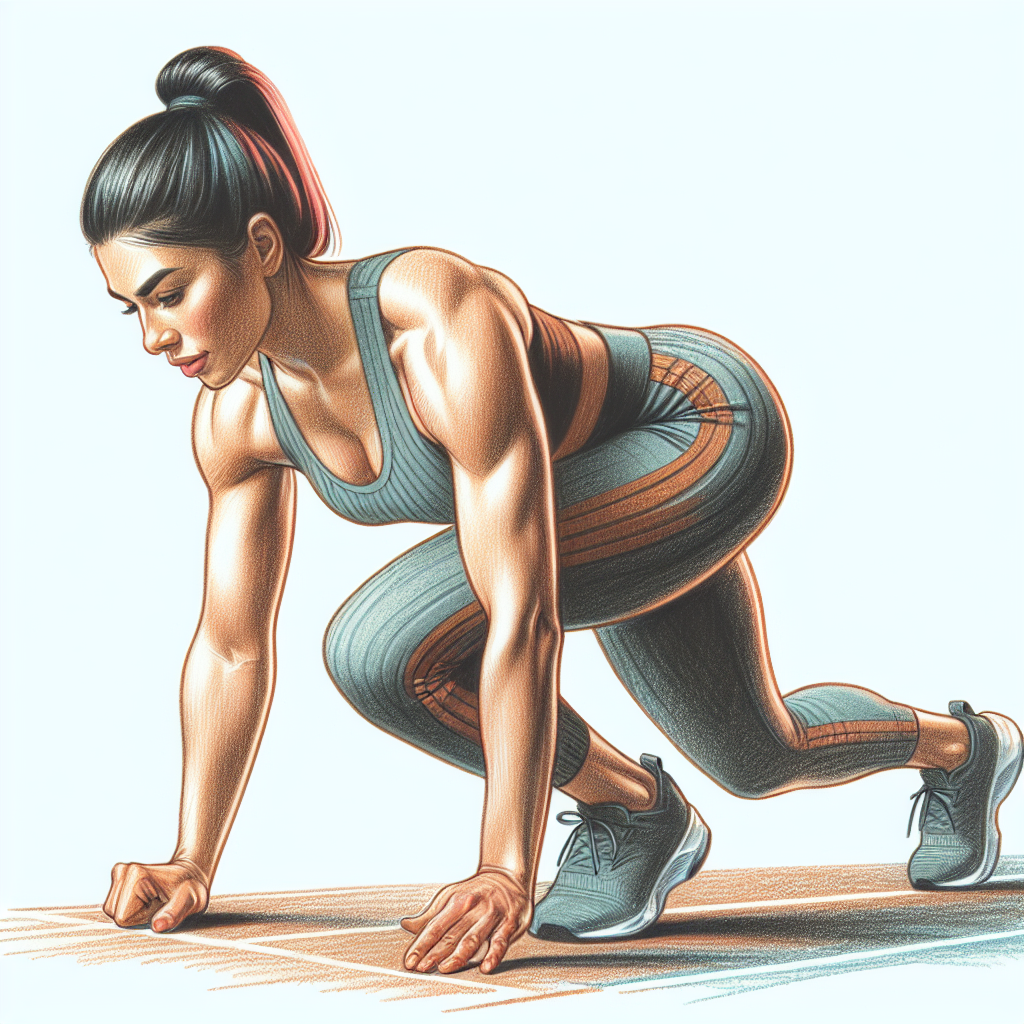
Bodyweight Exercise Challenge for Effective Weight Loss

Bodyweight Exercise Challenge: A Path to Your Weight Loss Journey

Incorporating bodyweight exercises into your daily routine can transform not only your fitness level but also your overall lifestyle. This article presents an engaging bodyweight exercise challenge that fits seamlessly into your weight loss journey. The magic of six-minute short workouts at home lies in their efficiency and effectiveness; even the busiest of individuals can find a moment to prioritize their health.

  • Introduction
  • The Benefits of Bodyweight Exercises
  • How to Get Started
  • When to Consult a Professional
  • Common Myths About Bodyweight Training
  • FAQs
  • Conclusion

The Benefits of Bodyweight Exercises

Bodyweight exercises utilize your own weight as resistance, making them accessible regardless of your location or fitness level. Here are some compelling benefits:

  • Convenience: No gym membership or equipment is required. You can work out anywhere, from your living room to a park.
  • Time Efficiency: Short six-minute workouts can significantly contribute to your fitness goals without consuming much of your day.
  • Full-Body Engagement: These exercises often require multiple muscle groups to work in harmony, enhancing overall strength and coordination.
  • Cost-Effective: Eliminate the need for expensive fitness classes or equipment, making your weight loss journey more economical.

How to Get Started

Starting a bodyweight exercise challenge is straightforward. Follow these steps to jumpstart your journey:

  1. Set Clear Goals: Define what you want to achieve. This could include weight loss, increased strength, or improved endurance.
  2. Create a Routine: Dedicate specific times during the week when you will perform your six-minute workouts. Consistency is vital.
  3. Begin with Basic Exercises: Start with fundamental movements like squats, push-ups, and planks to build a solid foundation.
  4. Incorporate Variety: To prevent monotony and maintain motivation, mix different exercises into your routine.
  5. Track Progress: Keep a journal or use an app to note your workouts and improvements. This encourages accountability.
  6. Join a Challenge: Consider participating in a structured program like the SixPack workout program for 30 days for free. This can provide support and increase motivation.

When to Consult a Professional

While bodyweight exercises are generally safe, there are instances when consulting a fitness professional is advisable:

  • If you are new to exercise or have been inactive for an extended period.
  • If you have pre-existing medical conditions or injuries that could be exacerbated by physical activity.
  • If you feel persistent pain during or after workouts.
  • If you require personalized guidance to help adjust exercises based on your individual needs.

Common Myths About Bodyweight Training

Several misconceptions may deter individuals from incorporating bodyweight exercises into their routines:

  • Myth 1: Bodyweight exercises are only for beginners. Reality: They can be modified for advanced fitness levels and can effectively challenge seasoned athletes.
  • Myth 2: You cannot build muscle without weights. Reality: Progressive variations of bodyweight exercises can promote muscle growth.
  • Myth 3: Bodyweight workouts lack variety. Reality: They can include numerous movements and combinations to keep workouts interesting.
  • Myth 4: They are less effective than traditional strength training. Reality: With proper execution, bodyweight exercises can yield exceptional results.

FAQs

What are bodyweight exercises?

Bodyweight exercises utilize your own body weight to provide resistance against gravity, requiring no equipment.

How long should a bodyweight workout last?

A six-minute workout can be highly effective if performed with high intensity and proper technique.

Can beginners perform bodyweight exercises?

Yes, bodyweight exercises can be adapted for all fitness levels, including beginners.

How many times a week should I do bodyweight workouts?

It is commonly recommended to engage in bodyweight training 2-4 times per week, allowing rest days for recovery.

Are bodyweight exercises good for weight loss?

Yes, when combined with proper nutrition and a calorie deficit, bodyweight exercises can effectively contribute to weight loss.

What should I do if I feel pain during a workout?

If you experience pain, stop the exercise immediately and consult a fitness professional or healthcare provider for advice.

Conclusion

  • Bodyweight exercises offer unmatched convenience and can fit into any lifestyle.
  • Consistent six-minute workouts at home can significantly affect your weight loss journey.
  • They are adaptable, cost-effective, and require no special equipment or gym membership.
  • Ensuring professional guidance when needed enhances safety and effectiveness.
  • Participating in challenges like the SixPack workout program for 30 days for free can boost motivation and results.

Embarking on your bodyweight exercise challenge can lead to remarkable changes in your physical health and overall well-being. Are you ready to transform your weight loss journey?

Author: John Angel

Related articles

Categories
Fitness

Maximize Your Body Workouts with Weights for Better Results

Body workouts with weights are an integral part of any effective fitness regimen, especially for those on a weight loss journey. Incorporating weighted exercises not only enhances muscle strength but also accelerates fat burning and promotes overall health. In this article, we will explore how to maximize your body workouts with weights and introduce you to the innovative SixPack workout program, focusing on six-minute short workouts that can easily fit into your daily routine.

  • Understanding the Importance of Weight Training
  • Benefits of Short Workouts at Home
  • Effective Body Workouts with Weights
  • Common Mistakes in Weight Training
  • When to Consult a Professional
  • FAQs about Weight Training

Understanding the Importance of Weight Training

Weight training serves as a powerful tool in both developing muscular strength and enhancing endurance. Contrary to the common perception that weightlifting is solely for bodybuilders, it plays a vital role for individuals at all stages of their fitness journey. The practice facilitates weight loss by increasing muscle mass, which inherently raised your resting metabolic rate, leads to greater calorie expenditure throughout the day.

Benefits of Short Workouts at Home

The “magic” of six-minute workouts lies in their simplicity and effectiveness. For many, finding the time to exercise can be a challenge; however, six-minute sessions are both achievable and beneficial. Here are some compelling reasons to consider short workouts:

  • Time-Efficient: These workouts can be seamlessly integrated into your schedule without significant time investment.
  • Accessibility: Short workouts can be performed at home or anywhere you choose, eliminating the need for a gym membership.
  • Consistency: They encourage regular participation, making it easier to develop a long-term fitness habit.
  • Focused Efforts: Target specific muscle groups for maximum impact in less time.

Effective Body Workouts with Weights

When incorporating weights into your workouts, it is essential to focus on exercises that engage multiple muscle groups to maximize efficiency. Here is a list of effective body workouts:

  • Squats: Engage your quads, hamstrings, and glutes. Use dumbbells for added resistance.
  • Push-ups: A classic exercise that can be modified with a weight vest or on an incline.
  • Deadlifts: Target your back, hamstrings, and glutes. Start with lighter weights to master the form.
  • Shoulder Presses: Use dumbbells to strengthen your shoulders and arms.
  • Bench Press: A great upper body workout that can be performed with a barbell or dumbbells.
  • Planks with Weight: Add weight plates or a weight vest while holding a plank for an intensified core workout.

How to Structure Your Workout

To make the most out of your time and efforts, consider the following structure for your six-minute workout:

  1. Warm Up: Spend one minute performing dynamic stretches to prepare your muscles.
  2. Choose 3 Exercises: Select 3 of the exercises mentioned above.
  3. Perform Each Exercise for 1 Minute: Focus on high intensity while maintaining proper form.
  4. Rest for 30 Seconds Between Exercises: Allow your muscles a brief recovery before moving on.
  5. Cool Down: Spend the last minute performing static stretches to enhance flexibility.

Common Mistakes in Weight Training

Many people make critical errors when starting their weight training journey. Addressing these can lead to more effective workouts:

  • Neglecting Form: Proper technique is crucial. Poor form increases the risk of injury and negates the workout’s benefits.
  • Skipping Warm-Ups: Preparing your muscles reduces the risk of injury during intense exercise.
  • Overtraining: Allow your body time to recover to ensure optimal performance and prevent burnout.
  • Ignoring Recovery: Proper nutrition and rest are essential for muscle repair and growth.

When to Consult a Professional

While many can begin weight training independently, there are instances where consulting a professional is advisable:

  • If you experience persistent pain or discomfort during workouts.
  • When unsure about proper form or technique for various exercises.
  • If you have prior injuries or health conditions that may affect physical activity.
  • When you want personalized exercise plans tailored to your specific goals.

FAQs about Weight Training

What type of weights should I start with?

Begin with lighter weights that allow you to maintain proper form, gradually increasing the weight as you become stronger.

How often should I incorporate weight training into my routine?

For best results, aim for weight training 2-3 times a week, ensuring rest days between sessions.

Can I do weight training if I am new to exercise?

Yes, weight training is suitable for individuals of all fitness levels. Start slow and consult a professional if needed.

Is it necessary to lift heavy weights to see results?

No, consistent workouts with lighter weights can be just as effective, especially when focused on form and intensity.

Can weight training help with weight loss?

Absolutely! Weight training boosts your metabolism, helping you burn more calories even at rest.

How quickly can I expect results from weight training?

Results can vary based on genetics, diet, and adherence to a workout plan, but noticeable changes often occur within a few weeks.

Conclusion

  • Weight training is essential for enhancing strength and promoting weight loss.
  • Short, six-minute workouts can effectively fit into any busy schedule.
  • Focus on multiple muscle groups for efficient body workouts.
  • Avoid common mistakes to maximize your results.
  • Seek professional guidance when necessary for optimal safety and effectiveness.

Embark on your weight loss journey today by exploring the benefits of our SixPack workout program. Register now for 30 days of free access to a curated workout plan that fits seamlessly into your life.

Author: John Angel

Related articles

Categories
Weight Loss

Understanding Weight Loss: Two Weeks of Exercise Insights

Embarking on a weight loss journey can often be a challenging and frustrating endeavor, especially when you dedicate two weeks to exercise without witnessing any visible results. This article aims to explore the reasons behind this phenomenon, delve into common misconceptions, and introduce the magic of brief, high-intensity workouts at home. Understanding these aspects can reshape your perspective and encourage sustained commitment to your fitness goals.

  • Understanding Weight Loss Dynamics
  • Benefits of Short Workouts
  • Common Misconceptions about Exercise and Weight Loss
  • Actionable Steps to Enhance Your Weight Loss Journey
  • When to Seek Professional Guidance
  • Frequently Asked Questions

Understanding Weight Loss Dynamics

Weight loss is a multifaceted process influenced by various factors, including diet, metabolism, physical activity, and individual body composition. When initiating an exercise program, particularly one focused on short, intense workouts, it is critical to remember that immediate results are not always indicative of progress. Body composition may change even if the scale does not reflect this shift.

The Role of Muscle and Water Weight

As you engage in new exercises, your muscles may retain water as they repair and grow, which can mask the weight loss typically expected during the initial stages of exercise. It is essential to recognize that developing muscle mass often results in changes in body composition, even if you do not observe a reduction in overall weight.

Benefits of Short Workouts

The allure of six-minute short workouts lies in their efficiency. Those pressed for time may find such routines beneficial, as they can integrate fitness seamlessly into their daily lives.

Everyday Integration

Imagine being able to squeeze in a workout during your lunch break, between chores, or while watching TV. Six-minute workouts are designed to be practical, enabling you to exercise without a significant time commitment.

Boosted Metabolism

High-intensity interval training (HIIT) can foster an elevated metabolic rate post-exercise, leading to increased calorie burning even when not actively working out. Incorporating such workouts can unleash a powerful tool in your weight loss journey.

Convenience and Accessibility

Short workouts can be performed at home, with little to no equipment required. This accessibility removes barriers that may otherwise hinder your fitness journey. You can register for the SixPack workout program for 30 days for free to experience the benefits firsthand.

Common Misconceptions about Exercise and Weight Loss

Understanding the common myths surrounding exercise can prevent discouragement in your weight loss journey.

Myth: More Sweat Equals More Fat Burn

Many believe that excessive sweating equates to burning more calories, but sweating is merely your body’s method of temperature regulation and does not correlate directly with fat loss.

Myth: You Must Have a Long Workout to Lose Weight

Another misconception is that longer workouts are more effective. Short, intense workouts can be equally, if not more, effective in promoting fat loss and improving fitness levels.

Actionable Steps to Enhance Your Weight Loss Journey

Consider the following steps to optimize your exercise routine and weight loss efforts:

  1. Track Your Progress: Monitor not just your weight, but also measurements such as waist circumference and body fat percentage.
  2. Incorporate Strength Training: Building muscle helps boost your metabolism, enhancing your body’s ability to burn calories.
  3. Prioritize Nutrition: Maintain a balanced diet rich in whole foods to support your workouts and recovery.
  4. Stay Consistent: Consistency is key; establish a regular workout schedule and stick to it.
  5. Stay Hydrated: Adequate hydration is vital for optimal metabolic functioning.

When to Seek Professional Guidance

If you find yourself experiencing persistent stagnation despite diligent effort, it may be time to consult a qualified health professional. Signs that warrant further consultation include:

  • Fatigue or persistent soreness that hinders daily activities.
  • Significant changes in appetite or mood.
  • Difficulty losing weight despite consistent exercise and dietary efforts.

Frequently Asked Questions

Why am I not losing weight after exercising for two weeks?

Factors such as water retention, muscle growth, and dietary habits can contribute to a lack of visible weight loss.

Are short workouts effective for weight loss?

Yes, short, high-intensity workouts can be highly effective in promoting weight loss and improving overall fitness.

How often should I exercise to lose weight?

Aim for at least 150 minutes of moderate aerobic activity each week, combined with strength training at least twice a week.

Can short workouts replace longer gym sessions?

Yes, as long as they are intense enough, short workouts can effectively maintain or improve fitness levels.

What role does diet play in weight loss?

Nutrition is critical; a balanced diet supports exercise and enhances weight loss efforts.

When should I consult a fitness professional?

If you encounter stagnation or experience pain, it may be beneficial to seek professional advice to tailor your program.

Conclusion

  • Weight loss may not be visible initially due to various factors, including muscle growth and water retention.
  • Short, high-intensity workouts offer an effective and convenient solution for busy individuals.
  • Common misconceptions can lead to unnecessary frustration; focus on holistic progress rather than scale weight.
  • Implement actionable strategies to enhance your weight loss journey, focusing on consistency and nutrition.
  • Consult a professional when signs of stagnation or discomfort arise, ensuring a safe and effective fitness journey.

Ready to experience the magic of six-minute workouts? Start your transformative journey today and register for the SixPack workout program for 30 days for free.

Author: John Angel

Categories
Fitness

Effective 30-Minute Workouts for Weight Loss and Health

Embarking on a weight loss journey often seems daunting, yet it can be made simpler and more enjoyable with effective short workouts. A mere 30-minute workout can be transformative, providing significant benefits not just for physical health, but also for mental and emotional well-being. In this article, we will explore the magic of six-minute short workouts at home, how they fit seamlessly into your daily life, and why they are particularly beneficial for those on a weight loss journey. To kickstart your fitness regimen, consider registering for the SixPack workout program for 30 days for free.

  • Understanding the Concept of Short Workouts
  • The Science Behind Short, Effective Workouts
  • How to Structure Your 30-Minute Workout
  • Common Misconceptions About Short Workouts
  • When to Consult a Professional
  • Frequently Asked Questions
  • Conclusion and Next Steps

Understanding the Concept of Short Workouts

Short workouts, particularly those lasting around six minutes, are designed to maximize impact in a minimal timeframe. These workouts can be performed at home, requiring no specialized equipment, making them accessible for everyone. The beauty of short workouts lies in their efficiency; they focus on high-intensity exercises that elevate heart rate and promote calorie burn, ideal for those navigating a weight loss journey.

The Science Behind Short, Effective Workouts

Research indicates that high-intensity interval training (HIIT) can be more effective for fat loss than longer, steady-state cardio sessions. Short bursts of intense exercise followed by brief rest periods can enhance metabolic function and increase calorie expenditure even after the workout is complete. This phenomenon, known as the “afterburn effect,” allows your body to continue burning calories for hours post-exercise, making short workouts a potent tool in achieving weight loss goals.

How to Structure Your 30-Minute Workout

To optimize your 30-minute workout, it’s essential to structure it effectively. Here’s a simple breakdown:

  1. Warm-Up (5 minutes): Begin with dynamic stretches or light cardio to prepare your body.
  2. Main Workout (20 minutes): Alternate between high-intensity exercises (like burpees, squats, or jumping jacks) for six minutes, followed by one minute of rest. Repeat this sequence three times, incorporating different exercises each cycle.
  3. Cool Down (5 minutes): End with static stretching to relax your muscles and promote flexibility.

For an even more structured approach, consider joining the SixPack workout program for 30 days for free, which provides ready-to-follow workouts tailored to your fitness level.

Common Misconceptions About Short Workouts

There are several myths surrounding short workouts that can deter individuals from trying them:

  • Myth 1: Short workouts are less effective than longer ones.
  • Myth 2: You need equipment for effective workouts.
  • Myth 3: Short workouts are only suitable for beginners.

Each of these misconceptions overlooks the adaptability and efficacy of short workouts, particularly when designed with purpose and intensity.

When to Consult a Professional

While exercise is a crucial component of overall health, there are instances when it is wise to seek guidance from a qualified professional:

  • If you have pre-existing medical conditions affecting your ability to exercise.
  • If you experience pain or discomfort during workouts.
  • If you are uncertain about how to perform exercises safely and effectively.

Consulting a professional can ensure that your fitness journey is safe and tailored to your individual requirements.

Frequently Asked Questions

Can I lose weight with short workouts?

Yes, short, high-intensity workouts are effective for weight loss due to their ability to boost metabolism and burn calories efficiently.

How often should I do these short workouts?

For optimal results, aim for three to five short workouts per week, complemented by balanced nutrition.

Do I need any special equipment?

No, many effective short workouts can be performed using just your body weight.

What types of exercises should I include in short workouts?

Consider bodyweight exercises such as squats, lunges, push-ups, and jumping jacks for an effective routine.

How do I stay motivated to do short workouts?

Setting specific goals, tracking your progress, and joining a supportive community can enhance your motivation.

What if I’m a beginner and find short workouts too challenging?

Start slowly by modifying exercises and gradually increasing intensity as you build strength and confidence.

Conclusion and Next Steps

  • Short, intense workouts can be beneficial for weight loss and overall health.
  • They can fit easily into a busy lifestyle, requiring only 30 minutes.
  • Using the right structure maximizes effectiveness and sustainability.
  • Dispelling myths can encourage more people to engage in short workouts.
  • Consult professionals when health concerns arise.

Ready to make a positive change? Embrace the transformative power of short workouts and consider registering for the SixPack workout program for 30 days for free today and experience the difference.

Author: John Angel

Related articles

Categories
Fitness

Effective Six-Minute Workout Routine for Weight Loss

Crafting a Workout Routine for Weight Loss

Embarking on a weight loss journey may initially seem daunting, but effective home workouts can simplify the process. Integrating short, six-minute sessions into your daily routine can yield significant results while keeping you engaged. This article will provide a detailed workout routine that can seamlessly fit into your lifestyle, ensuring you enjoy the benefits of weight loss and improved well-being.

  • Introduction to Short Workouts
  • The Science Behind Six-Minute Workouts
  • Daily Structure for Weight Loss
  • Tips for Maximizing Your Workout
  • When to Consult a Professional
  • Myths and Misconceptions
  • Frequently Asked Questions
  • Conclusion and Call to Action

Understanding the Power of Short Workouts

Short duration workouts, particularly those lasting around six minutes, have gained immense popularity for their efficiency and effectiveness. These workouts can be integrated into your daily routine with ease, enabling consistency without taking up excessive time. The magic lies in their flexibility, allowing you to engage in high-intensity exercises that can elevate your heart rate, stimulate fat loss, and enhance muscular endurance.

The Science Behind Six-Minute Workouts

Research indicates that high-intensity interval training (HIIT) can be particularly effective for weight loss. Six-minute workouts that combine bursts of intense activity with short rest periods optimize calorie burning and improve metabolic rates. This approach not only aids in shedding excess weight but also enhances cardiovascular health.

Daily Structure for Weight Loss

To incorporate a sustainable workout routine into your schedule, consider the following structure:

  • Morning Routine: Begin your day with a six-minute workout. This can include exercises such as jumping jacks, push-ups, or bodyweight squats.
  • Lunch Break: Take a short break from work to perform another six-minute session, focusing on different muscle groups for balanced fitness.
  • Evening Wind Down: End your day with a calming six-minute workout, perhaps emphasizing stretches or yoga poses to promote relaxation.

Tips for Maximizing Your Workout

To fully harness the benefits of your six-minute workouts, consider the following tips:

  • Stay Hydrated: Ensure you drink plenty of water throughout the day to aid in recovery and overall health.
  • Progressive Overload: Gradually increase the intensity or duration of your workouts to continually challenge your body.
  • Consistency is Key: Aim for at least five short sessions each week to reinforce habits and enhance results.
  • Listen to Your Body: Pay attention to how you feel during workouts, adjusting as necessary to avoid injury.
  • Join a Program: Consider registering for a structured program like the SixPack workout program, which offers 30 days for free to guide you through various routines.

When to Consult a Professional

While short workouts can be beneficial for most individuals, certain situations warrant consulting a healthcare professional:

  • Experiencing pain or discomfort that doesn’t subside during exercise.
  • Having pre-existing medical conditions that may be exacerbated by increased physical activity.
  • Feeling overly fatigued after workouts, indicating you may be overextending yourself.

Common Myths and Misconceptions

Despite the growing popularity of short workouts, several misconceptions persist:

  • Myth 1: Short workouts are not effective for long-term weight loss.
    Truth: Research supports that short, intense workouts can be as effective as longer sessions, provided they are performed consistently.
  • Myth 2: You need a gym to achieve results.
    Truth: Many effective exercises can be performed at home without any equipment.
  • Myth 3: Weight loss is solely about exercise.
    Truth: Nutrition plays a critical role in weight loss; a balanced diet complements your workout efforts.

Frequently Asked Questions

How often should I do six-minute workouts for weight loss?

Aim for five to six sessions per week to build consistency and achieve optimal results.

Can I perform these workouts at any time of the day?

Yes, six-minute workouts can be done at any time that fits your schedule, making them highly flexible.

What equipment do I need for these workouts?

Minimal equipment is required; body weight is often sufficient, although a yoga mat can enhance comfort.

Are short workouts effective for building muscle?

Yes, when combined with resistance exercises, short workouts can also aid in muscle development.

Can beginners perform these workouts?

Absolutely! Short workouts can be modified to suit all fitness levels, starting with lower intensity and gradually increasing.

What’s the best way to track my progress?

Consider using a fitness app or journal to log your workouts, noting improvements in duration, intensity, or weight loss.

Conclusion and Call to Action

  • Engaging in six-minute workouts can effectively support your weight loss journey.
  • Flexibility and convenience make short workouts accessible for everyone.
  • Consistency is vital to achieving long-term goals.
  • Incorporating proper nutrition alongside workouts amplifies results.
  • Consider structured programs, like the SixPack workout program, for added guidance and motivation.

Transform your fitness routine and embark on your weight loss journey today. Remember, small steps can lead to substantial changes.

Author: John Angel

Related articles

Categories
Fitness

Benefits of Daily Weights Workouts for Weight Loss

Maintaining a daily weights workout regimen can fundamentally transform your weight loss journey, enhancing not only physical appearance but also overall well-being. Incorporating short, concentrated sessions into your daily routine dispels the myth that lengthy workouts are necessary for effective results. This article will guide you through the numerous benefits and practical methods of integrating weight training into your life, particularly through six-minute workouts that can be performed from the comfort of your home.

  • Understanding the Impact of Daily Weights Workouts
  • The Benefits of Short Workouts
  • Essential Exercises for Your Routine
  • Practical Steps to Implement Daily Workouts
  • Consulting a Professional: When and Why
  • Common Myths About Weight Training
  • Frequently Asked Questions

Understanding the Impact of Daily Weights Workouts

Daily weights workouts provide a unique opportunity to enhance strength, increase metabolic rate, and foster a healthy lifestyle. Unlike traditional cardio exercises that primarily focus on endurance, weight training builds muscle, which in turn facilitates more efficient calorie burning throughout the day. By regularly engaging in weightlifting, individuals can experience rapid improvements in body composition, which is crucial during any weight loss journey.

The Benefits of Short Workouts

Six-minute workouts may seem trivial, yet they possess remarkable effectiveness when performed consistently. Here’s how they can benefit you:

  • Time Efficiency: Busy schedules often deter individuals from exercising. A six-minute routine is short enough to fit into even the tightest schedules.
  • Increased Metabolism: Short bursts of exercise can elevate heart rate, increase calorie burn, and stimulate metabolic activity.
  • Accessibility: These workouts can be done anywhere without the need for extensive equipment, making fitness more obtainable.
  • Psycho-social Motivation: Knowing that workouts are manageable can enhance your motivation to start and stick with an exercise program.

Essential Exercises for Your Routine

Selecting the right exercises is crucial in a weights workout. Here are some fundamental movements you can include for maximum benefit:

  • Bodyweight Squats: Great for building lower body strength.
  • Push-ups: Excellent upper body strength builder.
  • Deadlifts: Targets multiple muscle groups, including back, legs, and core.
  • Planks: Core strength enhances stability and balances the body.
  • Dumbbell Rows: Effective for upper back and bicep strength.

Practical Steps to Implement Daily Workouts

Integrating daily weights workouts into your life can be straightforward. Follow these steps for success:

  1. Set a Time: Choose a consistent time each day that works for you to perform your six-minute workout.
  2. Create a Schedule: Plan a weekly workout schedule that includes various exercises to target different muscle groups.
  3. Stay Prepared: Keep your workout space organized and equipment easily accessible to eliminate any barriers to exercise.
  4. Track Your Progress: Document your workouts and achievements to stay motivated and accountable.
  5. Join a Community: Engage with others on the same weight loss journey for support and encouragement. Consider joining programs like the SixPack workout program for structured guidance.

Consulting a Professional: When and Why

While many individuals can safely perform weights workouts independently, there are times when consulting a professional is essential:

  • If you have underlying health conditions or injuries that may be aggravated by exercise.
  • When uncertain about proper form or technique, which could lead to injury.
  • If you are unsure about how to create an effective workout plan tailored to your personal goals.

Common Myths About Weight Training

Weight training often faces misconceptions that can deter individuals from starting. Below are some prevalent myths:

  • Weight Training Makes You Bulky: In reality, resistance training helps sculpt muscle without excessive bulk, especially for women due to lower testosterone levels.
  • You Need to Lift Heavy Weights: Significant gains can be achieved with lighter weights when performed with proper form and technique.
  • Cardio is the Only Way to Lose Weight: Combining weights with cardio can result in a more effective weight loss journey.

Frequently Asked Questions

How often should I do weights workouts?

Aim for at least three times a week for optimal results, gradually increasing frequency as you grow stronger.

Is six minutes of exercise really effective?

Yes, short, intense workouts can boost metabolism and lead to beneficial results when performed consistently.

Do I need special equipment for home workouts?

No, many effective exercises can be performed using just your body weight or minimal equipment like dumbbells.

Can beginners start with weights workouts?

Absolutely! Many exercises can be modified for beginners, allowing for gradual progression.

Should I warm up before weights workouts?

Yes, warming up prepares your body, reducing the risk of injury and improving performance.

How do I know if I am using proper form?

Consider seeking guidance from professionals or online resources to ensure that you are maintaining correct form during workouts.

Conclusion

  • Daily weights workouts can significantly enhance your weight loss journey, leading to lasting physical and mental benefits.
  • Short six-minute sessions allow busy individuals to incorporate fitness into their lives easily.
  • Essential exercises focus on proper movements to maximize efficiency and effectiveness.
  • Consulting a professional can ensure safety and effectiveness, especially for beginners.
  • By dispelling common myths, more individuals can embrace and benefit from weight training.

Consider beginning your transformative journey today. Take the first step and register for the SixPack workout program for 30 days free. Experience the magic of short, effective workouts at home, and see how they can reshape your life.

Author: John Angel

Related articles

Categories
Fitness

Effective Daily Training Program for Weight Loss

Embarking on a weight loss journey can often feel overwhelming, yet establishing a consistent daily training program is a powerful strategy to achieve your goals. Tailored home workouts can save time while still offering substantial benefits to your physical and mental health. In this article, we delve into the profound impact of six-minute short workouts, providing a practical guide to seamlessly integrate them into your daily routine for effective weight loss.

  • Understanding the Magic of Short Workouts
  • Benefits of a Daily Training Program
  • Creating Your Personalized Daily Training Plan
  • Common Myths and Mistakes
  • When to Consult a Professional
  • Frequently Asked Questions

Understanding the Magic of Short Workouts

The concept of short workouts, particularly six-minute sessions, has gained popularity for good reason. These high-intensity workouts are efficient and can be performed anywhere, requiring minimal to no equipment. This is especially beneficial for those who struggle with busy schedules or who find it challenging to commit to longer workout sessions. Just six minutes a day can lead to improved cardiovascular health, increased metabolism, and enhanced mood.

Benefits of a Daily Training Program

Implementing a daily training program not only supports weight loss but also cultivates a healthier lifestyle. Here are several benefits:

  • Improved Consistency: Regular workouts foster habit formation.
  • Enhanced Time Management: Short workouts allow you to integrate fitness into busy days.
  • Mental Clarity: Physical activity releases endorphins, improving mood and focus.
  • Greater Variety: Short sessions can accommodate different types of activities, reducing monotony.
  • Accessibility: Workouts can be done at home, eliminating barriers to fitness.

Creating Your Personalized Daily Training Plan

To make the most of your daily training program, consider the following steps:

  1. Set Clear Goals: Define what you want to achieve, whether it’s weight loss, increased strength, or improved endurance.
  2. Select Workouts: Choose from a variety of exercises, like bodyweight movements, HIIT, or yoga. For inspiration, consider joining the SixPack workout program for 30 days for free.
  3. Schedule Your Sessions: Identify a time each day when you can commit to your workouts.
  4. Track Your Progress: Keep a journal or use an app to monitor your performance and weight loss journey.
  5. Stay Flexible: Adapt your program as necessary, depending on how you feel and what works best for your lifestyle.

When to Consult a Professional

While most individuals can safely engage in short workouts, some situations warrant professional advice:

  • Experiencing persistent pain or discomfort during exercise.
  • Having chronic health conditions that may be affected by increased physical activity.
  • Seeking advice on nutrition to support your weight loss journey.
  • Feeling overwhelmed and unsure about how to begin your fitness journey.

Common Myths and Mistakes

As you embark on your exercise journey, it’s crucial to be aware of common myths that may hinder your progress:

  • Myth 1: Longer workouts are always better. Short, high-intensity sessions can be just as effective.
  • Myth 2: You need a gym to get fit. Bodyweight exercises can be highly effective at home.
  • Myth 3: Weight loss is exclusively about exercise. Nutrition plays a critical role.
  • Myth 4: You can spot reduce fat in specific areas. Fat loss occurs generally across the body.
  • Mistake: Underestimating the importance of rest days is crucial for recovery and muscle growth.

Frequently Asked Questions

Can short workouts be effective for weight loss?

Yes, short workouts can be highly effective, especially when they include high-intensity exercises that elevate heart rate.

How many days a week should I do short workouts?

Aim for at least three to five days a week, but listen to your body and adjust as needed.

What types of exercises can I include in a six-minute workout?

Consider bodyweight exercises like squats, push-ups, burpees, and planks, or high-intensity interval training (HIIT).

Is it necessary to warm up before a six-minute workout?

Yes, a brief warm-up of 2-3 minutes can prepare your muscles and reduce the risk of injury.

How can I stay motivated during my weight loss journey?

Set small, achievable goals, track your progress, and consider social engagement, such as sharing your journey with friends or online communities.

What should I do if I feel pain during my workouts?

Stop the activity and evaluate the pain. If it persists, consult a healthcare professional.

Conclusion

  • Short, six-minute workouts can be highly effective for individuals on a weight loss journey.
  • A daily training program enhances consistency and accessibility, fostering better health habits.
  • Creating a personalized workout plan can help in achieving specific fitness goals.
  • Consult professionals if experiencing pain or managing chronic health issues.
  • Stay informed about fitness myths to maximize your workout efforts.

Are you ready to take the first step towards transforming your fitness routine? Explore the SixPack workout program for 30 days for free and discover the magic of short workouts at home.

Author: John Angel

Related articles

Categories
Fitness

Effective Six-Minute Workouts for Sustainable Weight Loss

Day by Day Fitness: Crafting Your Weight Loss Journey

Embarking on a fitness journey can often feel overwhelming, with countless programs and strategies leading individuals to believe that significant results require extensive investments of time and energy. However, the magic of short six-minute workouts at home can empower anyone—regardless of their fitness level—to embark on a fulfilling and sustainable weight loss journey. These quick bursts of exercise seamlessly fit into daily routines, making fitness accessible and manageable while yielding impressive results.

  • Understanding the Power of Short Workouts
  • Establishing a Daily Routine
  • The Role of Nutrition in Fitness
  • Practical Steps for Success
  • When to Seek Professional Guidance
  • Common Myths About Short Workouts
  • Frequently Asked Questions

Understanding the Power of Short Workouts

Six-minute workouts challenge the notion that long durations are essential for effective exercise. These sessions focus on intensity over duration, maximizing benefits through intervals of vigorous activity followed by short rest periods. Research indicates that high-intensity interval training (HIIT) can enhance cardiovascular health, boost metabolism, and promote weight loss more efficiently than traditional steady-state exercises. The psychological advantage of completing a workout in a short span not only increases adherence but also fosters a sense of accomplishment, fueling motivation to continue.

Establishing a Daily Routine

Creating a daily fitness routine is crucial for maintaining long-term momentum in your weight loss journey. Short workouts make this process more accessible, allowing individuals to integrate exercise into their lives without significant time commitments. Consider the following strategies:

  • Set Specific Goals: Define clear, achievable targets for your fitness journey, such as weight loss milestones or performance goals.
  • Consistency is Key: Schedule your six-minute workouts at the same time each day to develop a habit.
  • Be Flexible: Life can be unpredictable; adapt your routine to accommodate changes while maintaining your commitment to daily exercise.
  • Track Your Progress: Document your workouts and monitor improvements in strength, endurance, and body composition.
  • Stay Accountable: Share your goals with friends or family, or consider joining a supportive community.

The Role of Nutrition in Fitness

No weight loss journey is complete without attention to nutrition. Complementing your six-minute workouts with balanced meals can greatly enhance results. Focus on these nutritional principles:

  • Choose Whole Foods: Prioritize fruits, vegetables, lean proteins, and whole grains over processed foods.
  • Hydration Matters: Drink adequate amounts of water daily to support metabolism and improve exercise performance.
  • Mindful Eating: Pay attention to hunger cues and practice portion control to prevent overeating.
  • Meal Preparation: Plan and prepare meals in advance to avoid unhealthy food choices when time is limited.

Practical Steps for Success

A successful weight loss journey built around six-minute workouts begins with actionable steps. Implement these strategies to enhance your fitness experience:

  1. Start with a Warm-Up: Prepare your body with dynamic stretches or light movements to prevent injury.
  2. Mix Workout Types: Incorporate a variety of exercises such as cardio, strength training, and flexibility to target different muscle groups.
  3. Utilize Technology: Use mobile apps or online videos to guide and motivate your workouts.
  4. Rest and Recovery: Allow your body time to recover through adequate sleep and rest days.
  5. Celebrate Small Victories: Acknowledge progress, whether it’s completing a workout or achieving better stamina.

When to Seek Professional Guidance

While short workouts can be beneficial, there are situations where professional guidance is essential:

  • If you have pre-existing health conditions or injuries, consulting a healthcare professional before starting any workout regimen is critical.
  • Consider hiring a certified personal trainer for personalized exercise plans and to ensure proper form.
  • Seek advice from a registered dietitian or nutritionist for tailored nutrition recommendations.
  • If you experience persistent fatigue, pain, or discomfort during workouts, professional evaluation is warranted.

Common Myths About Short Workouts

Misconceptions about short workouts can deter individuals from embracing their potential. Here are some prevalent myths debunked:

  • Myth 1: Six-minute workouts are insufficient for weight loss. Truth: Efficient high-intensity training can lead to significant results.
  • Myth 2: You must go to a gym for effective workouts. Truth: Home workouts can be equally effective with the right approach.
  • Myth 3: Short workouts can’t build muscle. Truth: Strength training in short intervals can effectively promote muscle growth.
  • Myth 4: Increasing exercise duration is the only way to improve fitness. Truth: Short, intense sessions can effectively enhance overall performance.

Frequently Asked Questions

What are the benefits of six-minute workouts?

Six-minute workouts improve cardiovascular health, boost metabolism, and promote weight loss while fitting easily into busy schedules.

Can I really lose weight with short workouts?

Yes, when combined with proper nutrition, short, high-intensity workouts can effectively facilitate weight loss.

How often should I do six-minute workouts?

It’s ideal to incorporate these workouts into your routine 4-5 times per week for optimal results.

Do I need any equipment for six-minute workouts?

No, many effective six-minute workouts require only bodyweight exercises, although minimal equipment can enhance variety.

Can beginners do six-minute workouts?

Absolutely! Six-minute workouts can be modified to suit all fitness levels, making them an excellent choice for beginners.

Is warm-up necessary before short workouts?

Yes, warming up is vital to prepare your body and prevent injuries, even for short workout sessions.

Conclusion

  • Six-minute workouts can be remarkably effective for weight loss when integrated into a regular routine.
  • Establishing daily fitness habits is achievable with short sessions, making exercise more accessible.
  • Complementing workouts with balanced nutrition enhances overall results.
  • Professional guidance can be beneficial, especially for individuals with health considerations.
  • Debunking myths surrounding short workouts encourages more people to embrace this effective strategy.

As you embark on your fitness journey, consider exploring the benefits of short workouts in your routine. Register now for the 30-day SixPack workout program for free, and unlock the magic of transforming your body and mind, one six-minute session at a time.

Author: John Angel

Related articles

Categories
Fitness

Effective Bodyweight Workouts for Fitness and Weight Loss

Working Out with Your Body Weight: A Transformative Approach to Fitness

Exercising with your body weight can be a game-changer in your weight loss journey. It offers an effective, accessible, and flexible method to enhance your fitness levels from the comfort of your home. In just six minutes, you can engage in short workouts that fit seamlessly into your daily routine. This article will delve into the various benefits of bodyweight training, outline practical steps for implementation, and provide insights on how to approach fitness wisely.

  • The Benefits of Bodyweight Training
  • Creating a Balanced Routine
  • Short Workouts for Busy Lives
  • Common Misconceptions About Bodyweight Exercises
  • When to Consult a Professional
  • Frequently Asked Questions
  • Conclusion and Call to Action

The Benefits of Bodyweight Training

Bodyweight training has become a popular choice for fitness enthusiasts and beginners alike due to its myriad advantages:

  • Accessibility: No equipment or gym membership is necessary, making it perfect for those who prefer working out at home.
  • Scalability: Exercises can be modified to suit all fitness levels, from novices to advanced practitioners.
  • Efficiency: Short, intense workouts can yield significant results without requiring extensive time commitments.
  • Functional Strength: Movements mimic daily activities, which can enhance overall strength and mobility.
  • Cognitive Benefits: The focus required for bodyweight exercises can improve mental acuity and promote mindfulness.

Creating a Balanced Routine

To maximize the benefits of bodyweight training, it is essential to create a balanced workout routine. Here are some key elements to consider:

  1. Warm-Up: Begin with dynamic stretching to prepare your muscles.
  2. Core Exercises: Focus on planks, leg raises, and bicycle crunches to activate your core.
  3. Strength Workouts: Include push-ups, squats, and lunges for overall strength building.
  4. Cardio Elements: Incorporate burpees or mountain climbers to elevate your heart rate.
  5. Cool Down: End with static stretches to enhance flexibility and recovery.

Short Workouts for Busy Lives

The magic of engaging in six-minute workouts lies in their ability to seamlessly fit into busy schedules. Here are some practical tips to integrate these short sessions into a normal day:

  • Morning Boost: Start your day with a six-minute workout to elevate your mood and energy.
  • Work Break: Utilize breaks throughout your workday for quick exercise sessions.
  • Family Involvement: Involve family members in group workouts to foster bonding and health.
  • Evening Wind Down: Use light bodyweight exercises to relax before bedtime.
  • Consistency is Key: Aim to incorporate these workouts into your daily routine for lasting impact.

Common Misconceptions About Bodyweight Exercises

Bodyweight training is often misunderstood, which can hinder individuals from fully embracing its benefits. Here, we address prevalent myths:

  • Myth 1: You need weights for effective strength training.
  • Myth 2: Bodyweight exercises are too easy and won’t yield results.
  • Myth 3: Only advanced athletes can successfully perform bodyweight workouts.
  • Myth 4: You cannot build muscle with bodyweight exercises.
  • Myth 5: All bodyweight routines are identical and lack variety.

When to Consult a Professional

While bodyweight training can be highly beneficial, there are circumstances where consulting a qualified professional is advisable. Consider seeking help if:

  • You experience persistent pain during workouts.
  • You are unsure about how to perform certain exercises safely.
  • You have underlying health conditions that could be impacted by physical activity.
  • You wish to develop a personalized fitness plan tailored to your goals.
  • You feel demotivated or confused about your training regime.

Frequently Asked Questions

What are the primary benefits of bodyweight training?

Bodyweight training enhances strength, flexibility, and cardiovascular health without the need for equipment.

How often should I engage in bodyweight workouts?

Aim for a minimum of three times per week for optimal results, ensuring a mix of exercises for different muscle groups.

Can beginners perform bodyweight exercises?

Absolutely. Bodyweight exercises can be modified to accommodate different fitness levels, making them suitable for beginners.

How can I stay motivated to work out regularly?

Set achievable goals, mix up your routine, and consider workout programs to keep your sessions engaging.

What should I do if I feel pain during workouts?

Stop the activity and consult with a qualified professional, especially if the pain persists or worsens.

Are six-minute workouts effective for weight loss?

Yes, short, high-intensity workouts can efficiently promote weight loss and increase metabolism.

Conclusion

  • Bodyweight training is an accessible and effective workout method.
  • Short workouts can easily fit into the busiest schedules, promoting consistency.
  • Creating a balanced routine ensures all fitness aspects are addressed for maximum impact.
  • Addressing misconceptions about bodyweight exercises can foster a better understanding of their benefits.
  • Consulting professionals when necessary can enhance your fitness journey and ensure safety.

If you are ready to embark on your own weight loss journey, consider registering for the SixPack workout program for 30 days for free. This program promises to provide guided support and structured workouts that leverage all the advantages of bodyweight training, transforming your fitness routine for the better.

Author: John Angel

Related articles

Categories
Fitness

Effective Full Body Weight Program for Weight Loss

Embarking on a weight loss journey can often seem daunting, but a full body weight program can be your steadfast ally. By leveraging the power of short, effective workouts, you can achieve significant results without the need for a gym membership or extensive equipment. The convenience and efficiency of six-minute workouts can seamlessly fit into even the busiest of schedules, making it easier to prioritize your fitness. This approach not only encourages steady weight loss but also promotes a healthier lifestyle overall.

  • What is a Full Body Weight Program?
  • Benefits of Short Workouts
  • Structure of a Full Body Weight Program
  • Practical Steps for Implementation
  • When to Consult a Professional
  • Common Myths and Mistakes
  • FAQs

What is a Full Body Weight Program?

A full body weight program is a structured exercise regimen designed to engage all major muscle groups using body weight as resistance. This approach is highly versatile and can vary in intensity, making it suitable for individuals at all fitness levels. The emphasis is on functional movements that build strength, increase endurance, and enhance overall fitness.

Benefits of Short Workouts

The magic of six-minute short workouts lies in their ability to deliver significant benefits in a minimal amount of time. Here are some of the advantages:

  • Time Efficiency: Busy schedules can hinder workout consistency. Short durations eliminate excuses and allow for regular exercise.
  • Increased Motivation: Quick bursts of activity tend to be more engaging, reducing feelings of monotony.
  • Improved Mental Health: Short workouts can alleviate stress and boost mood, contributing positively to your emotional well-being.
  • Accessibility: These workouts can be performed anywhere, making them ideal for home settings or while traveling.
  • Adaptability: Six-minute workouts can be tailored to fit individual goals, whether they involve strength training, flexibility, or cardiovascular fitness.

Structure of a Full Body Weight Program

A well-rounded full body weight program typically comprises three to four primary components:

  • Warm-Up: 5 minutes of dynamic stretching or light cardio to prepare the body.
  • Main Workout: 20-30 minutes focusing on major muscle groups through exercises such as push-ups, squats, and lunges.
  • Cool-Down: 5 minutes of stretching to enhance flexibility and prevent injury.
  • Rest Days: Incorporate rest days to allow for muscle recovery and growth.

Practical Steps for Implementation

To incorporate a full body weight program into your daily life, consider the following practical steps:

  1. Assess Your Current Fitness Level: Understand where you currently stand to tailor the program accordingly.
  2. Schedule Your Workouts: Allocate specific times during the week for exercise and treat them as non-negotiable appointments.
  3. Start Slow: Begin with shorter workouts and gradually increase the intensity or duration as your fitness improves.
  4. Stay Consistent: Consistency is key to success; aim for at least three workouts per week.
  5. Track Your Progress: Document your workouts and any changes in your physical condition to stay motivated.
  6. Join a Program: Consider signing up for structured programs for additional guidance, such as the SixPack workout program for 30 days free.

When to Consult a Professional

While a full body weight program can benefit many individuals, there are occasions when consulting a healthcare or fitness professional is advisable:

  • If you have any pre-existing health conditions.
  • In cases of persistent pain or injuries related to exercise.
  • When unsure how to execute specific exercises safely.
  • Your weight loss journey feels stagnant, and you’re seeking tailored advice.
  • If you have specific fitness goals that require specialized knowledge.

Common Myths and Mistakes

Several misconceptions surrounding bodyweight training can hinder progress. Here are some prevalent myths:

  • Myth: Bodyweight exercises are only for beginners.
  • Truth: They can be modified to suit advanced levels with increased intensity and complexity.
  • Myth: You need a gym to get fit.
  • Truth: A full body weight program can be effectively implemented at home or outdoors.
  • Myth: Short workouts don’t yield results.
  • Truth: Consistency and intensity matter more than duration, making short workouts viable.

FAQs

What is the best time of day to do a full body weight workout?

The best time varies by individual; however, consistency is crucial, so choose a time that you can maintain regularly.

Can I perform a full body workout every day?

While it’s possible, it is advisable to include rest days or lighter activity days to allow your muscles to recover.

Do I need any equipment for a full body weight program?

No; the beauty of bodyweight training is that it utilizes your own body as resistance.

How quickly will I see results from a full body weight program?

Results depend on individual effort, nutrition, and consistency but can typically be noticed within a few weeks.

Can beginners start a full body weight program?

Yes; bodyweight exercises can be adapted to start at any fitness level, including beginners.

How can I stay motivated on my weight loss journey?

Setting specific goals, tracking progress, and working out with others can enhance motivation and accountability.

Conclusion

  • A full body weight program is effective for enhancing fitness, promoting weight loss, and improving overall health.
  • Short six-minute workouts provide time-efficient and engaging ways to exercise.
  • Consistency and gradual progression are key to achieving desired results.
  • Consulting professionals is wise for health concerns or tailored advice.
  • Understanding the myths and focusing on practical steps will support your fitness journey.

Now is the perfect time to embark on your fitness journey with the support of structured programs. Consider signing up for the SixPack workout program for 30 days free and experience the transformative power of integrating effective, short workouts into your daily routine. You have everything to gain.

Author: John Angel

Related articles

Website analytics information

We use Google Analytics 4 for visitor statistics. Analytics cookies require your consent, which you can change using the button above. The data controller is ZDRAVÍ S ÚSMĚVEM s.r.o., company ID 29283329, contact podpora@revolucnicviceni.cz. Google processes browser, device and page visit information. We do not send form field values to Analytics. How Google uses information · Google Privacy Policy.