Categories
Fitness

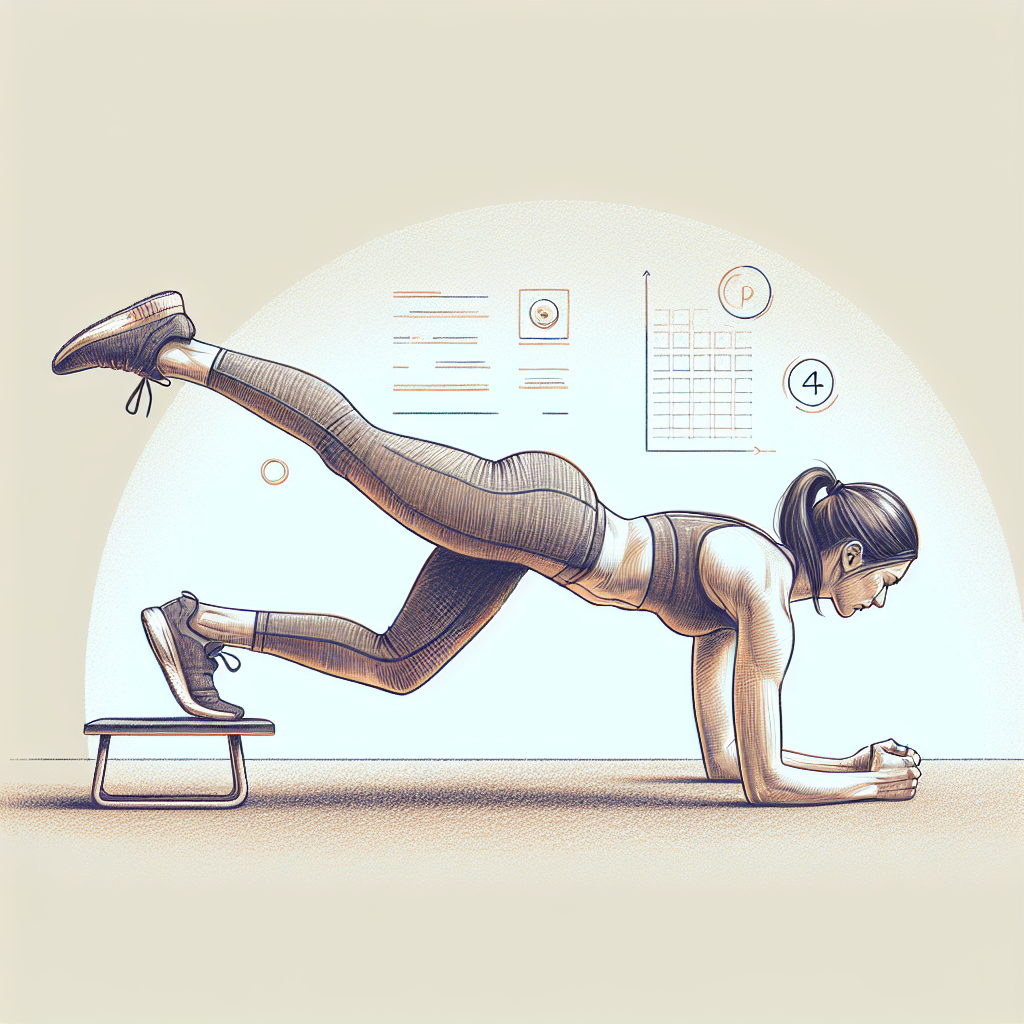
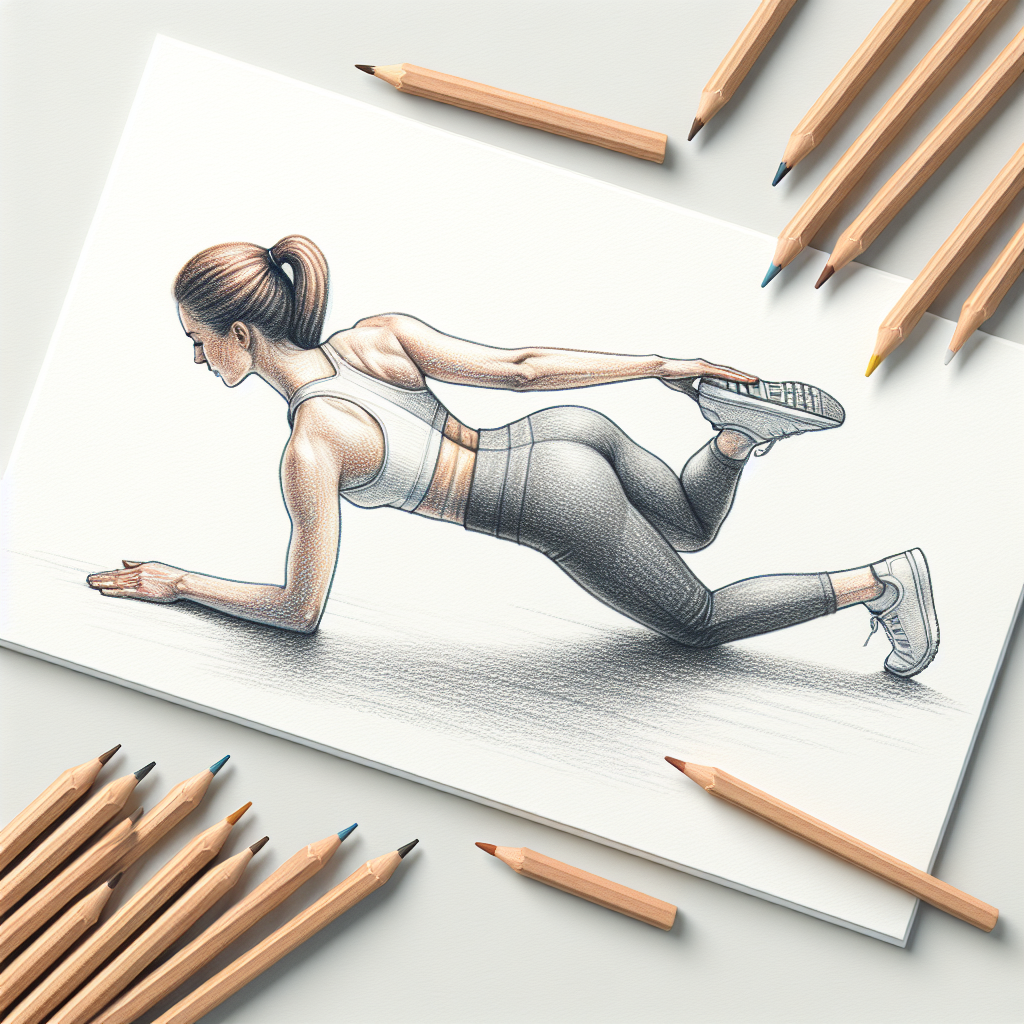
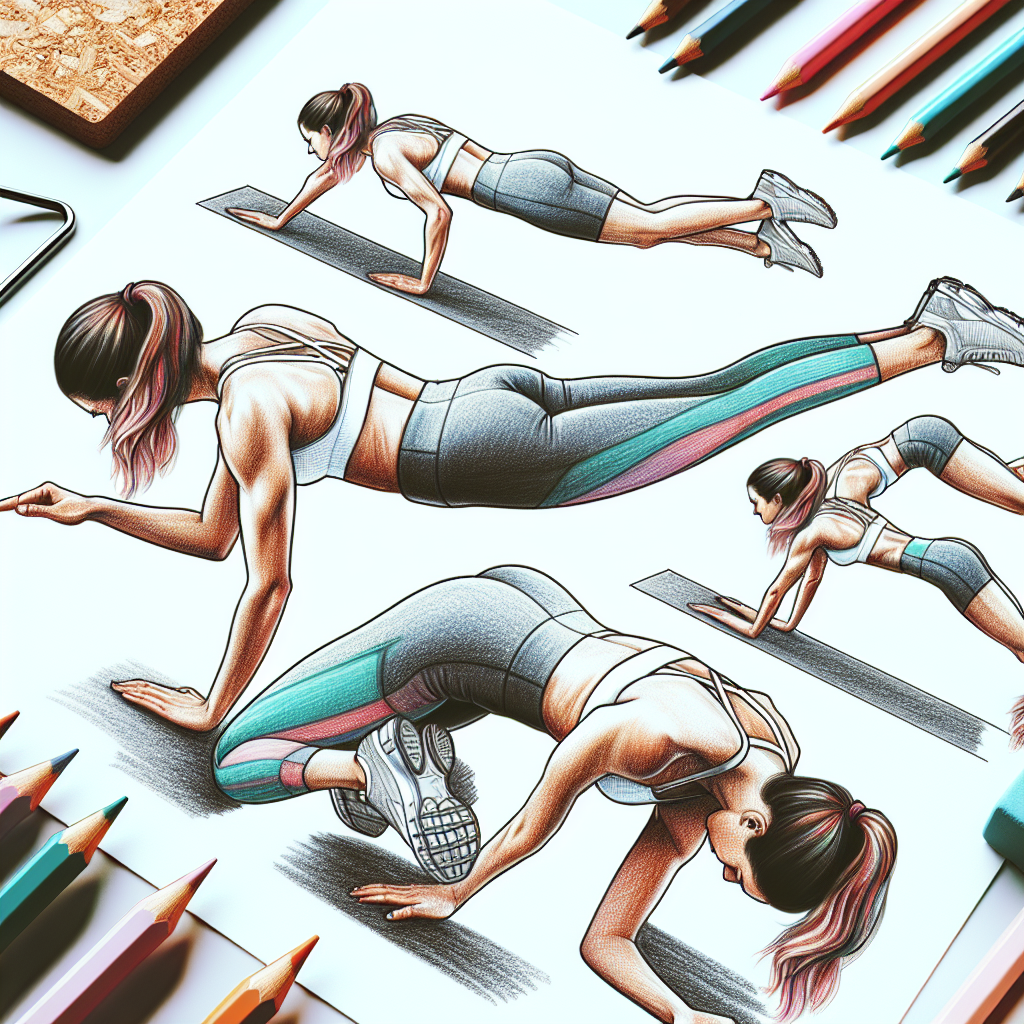
Effective No-Equipment Calisthenics Back Exercises

Calisthenics has emerged as a popular and effective way to enhance physical fitness using one’s own body weight. Among the numerous benefits is the ability to strengthen the back without the use of equipment. A strong back is essential for overall health, posture, and mobility. This article will explore various no-equipment calisthenics exercises specifically designed to target the back muscles, allowing you to achieve a fit and toned physique at home.

  • Importance of Back Strength
  • Top Calisthenics Exercises for Back
  • Practical Steps to Incorporate into Your Routine
  • When to Consult a Professional
  • Common Myths and Misconceptions
  • Frequently Asked Questions
  • Conclusion

Importance of Back Strength

A strong back is fundamental to maintaining correct posture, preventing injuries, and enhancing performance in daily activities and sports. The back comprises several muscle groups, including the latissimus dorsi, trapezius, and rhomboids. Strengthening these muscles not only improves physical appearance but also supports spinal alignment, reducing the risk of back pain.

Top Calisthenics Exercises for Back

1. Supermans

This exercise engages the lower back and promotes overall stability.

  1. Lie face down on the ground with your arms extended in front of you.
  2. Simultaneously lift your arms and legs off the ground, hold for a few seconds, then lower them back down.
  3. Repeat for 10-15 repetitions.

2. Reverse Snow Angels

This movement focuses on the upper back while engaging the shoulders.

  1. Lie face down on the floor with your arms at your sides.
  2. Lift your arms and legs slightly off the ground. Slowly move your arms to a “Y” position above your head while keeping them lifted, then return to the starting position.
  3. Perform for 10-15 repetitions.

3. Plank with Arm Raises

This variation on the standard plank targets the upper back and core.

  1. Start in a plank position with your arms straight.
  2. Raise your right arm in front of you, hold for a moment, then lower it back down.
  3. Alternate sides and aim for 10-15 reps per arm.

4. Pull-ups (If an Object is Available)

Although typically requiring a bar, alternatives can be found using sturdy structures at home.

  1. Using a horizontal surface such as a table edge, grip it while hanging down.
  2. Pull your chest towards the surface and lower back down.
  3. Perform as many repetitions as possible.

5. Bird-Dog

Great for balancing and strengthening the lower back.

  1. Start on all fours, ensuring your knees are under your hips and your hands under your shoulders.
  2. Extend your right arm forward and your left leg back simultaneously, keeping your hips squared.
  3. Hold for a moment and return to starting position; repeat on the other side. Aim for 10-15 repetitions.

Practical Steps to Incorporate into Your Routine

To achieve optimal results, follow these steps:

  • Warm-up: Start with light cardio to increase blood circulation.
  • Exercise Plan: Dedicate 10-20 minutes to the back exercises outlined.
  • Consistency: Aim to perform the exercises three times a week.
  • Cooldown: Perform stretches targeting the back to enhance flexibility.
  • Free Program: Check out this 30-day exercise program that requires only 6 minutes of effort daily for effective results.

When to Consult a Professional

While calisthenics is a beneficial form of exercise, certain situations may warrant consulting a healthcare professional:

  • If you experience persistent back pain or discomfort during exercise.
  • If you have a history of back problems or injuries.
  • If you are unsure about performing any of the exercises safely.
  • If you experience dizziness, shortness of breath, or any unusual symptoms during exercise.

Common Myths and Misconceptions

In the realm of back exercises and calisthenics, several misconceptions persist:

  • Myth 1: Equipment is necessary for an effective workout. Fact: Bodyweight exercises can be highly effective.
  • Myth 2: Back exercises are only for athletes or bodybuilders. Fact: Everyone can benefit from back strengthening routines.
  • Myth 3: You need to do a large number of repetitions to see results. Fact: Quality of movement is more important than quantity.

Frequently Asked Questions

1. What muscles are targeted during calisthenics back exercises?

Calisthenics back exercises primarily target the latissimus dorsi, trapezius, and rhomboids.

2. How often should I perform back exercises?

Aiming for 2-3 times a week is ideal for noticeable results and muscle recovery.

3. Can calisthenics help with posture?

Yes, strengthening the back can significantly improve posture by enhancing spinal alignment.

4. Are there any risks associated with these exercises?

Like any physical activity, improper form can lead to injury. It is crucial to focus on technique.

5. Is it necessary to warm up before exercise?

Yes, warming up enhances flexibility and reduces the risk of injury.

6. Can beginners perform these exercises?

Absolutely! These exercises can be adapted for all fitness levels.

Conclusion

  • Calisthenics exercises are a practical way to strengthen back muscles without equipment.
  • A strong back contributes to better posture and overall health.
  • Incorporating these exercises into your routine can yield significant fitness benefits.
  • Consult a professional if you experience discomfort or have health concerns.
  • Start your journey with a free, effective exercise program for best results.

It’s time to take control of your back health. Consider starting with a dedicated routine and harness the power of calisthenics today!

Author: John Angel
Related articles

Categories
Fitness

Effective Calisthenics Back Workout Without Equipment

Calisthenics, a form of exercise that utilizes body weight for resistance, has gained popularity for its convenience, effectiveness, and minimal equipment requirements. Among various muscle groups, the back is often undervalued in many workout routines, yet it is crucial for overall strength, posture, and mobility. A dedicated back workout using calisthenics can lead to increased upper body strength and improved physical stability. In this article, we will explore a series of bodyweight exercises designed specifically to target and strengthen the back without the need for any equipment.

  • Introduction
  • The Importance of a Strong Back
  • Effective Calisthenics Exercises for the Back
  • Designing Your Workout Routine
  • Common Mistakes to Avoid
  • When to Consult a Professional
  • Frequently Asked Questions
  • Conclusion

The Importance of a Strong Back

A strong back is the foundation of a well-balanced physique. It plays a crucial role in daily activities, contributing to posture, lifting capacity, and athletic performance. Weakness in the back muscles can lead to discomfort, limited range of motion, and injuries. Strengthening your back not only enhances your physical appearance but also promotes overall health and well-being.

Effective Calisthenics Exercises for the Back

Here are some effective bodyweight exercises to incorporate into your back workout routine:

  • Supermans: Lie face down on the floor, extend your arms in front, and lift your arms and legs simultaneously. Hold for a few seconds before releasing.
  • Reverse Snow Angels: While lying on your stomach, keep your arms at your sides and move them in a wide arc to overhead position, then return to the start.
  • Bodyweight Rows (using a sturdy table or ledge): Grip the table with both hands and pull your chest towards it, keeping your body straight.
  • Arch Ups: Assume a face-down position, lift your chest up while engaging your back muscles, and lower it back down.
  • Cat-Cow Stretches: On all fours, alternate between arching your back up (cat) and lowering it down, which helps strengthen the core and back muscles.

Designing Your Workout Routine

To maximize results, consider the following steps when designing your calisthenics back workout:

  1. Schedule workouts at least 2-3 times per week.
  2. Incorporate a variety of exercises targeting different areas of the back.
  3. Start with a warm-up of dynamic stretches to prepare your muscles.
  4. Perform each exercise for 3 sets of 8-15 repetitions, depending on your fitness level.
  5. Cool down with static stretches to enhance flexibility and recovery.

Common Mistakes to Avoid

As with any workout routine, several common misconceptions can hinder progress. Here are a few to be aware of:

  • Ignoring form: Performing exercises incorrectly can lead to injury and ineffective workouts. Focus on quality over quantity.
  • Neglecting other muscle groups: A balanced workout routine should also include other body parts, not just the back.
  • Inadequate recovery: Allow your muscles time to recover to avoid overuse injuries.

When to Consult a Professional

It is advisable to seek professional guidance in the following scenarios:

  • If you experience persistent back pain or discomfort during exercise.
  • If you have a history of back injuries or existing health conditions that might be exacerbated by physical activity.
  • When you are unsure of proper form or technique for specific exercises.

Frequently Asked Questions

1. Can I build muscle using only calisthenics?

Yes, calisthenics can effectively build muscle by increasing resistance through variations and repetitions.

2. How often should I work out my back?

Aim for 2-3 times per week, allowing adequate recovery time between sessions.

3. Will these exercises help improve my posture?

Yes, strengthening the back muscles can lead to improved posture and spinal alignment.

4. Is it safe to perform these exercises if I have a back injury?

Consult with a healthcare professional before starting any new exercise regimen if you have a back injury.

5. How can I make these exercises more challenging?

You can increase the number of repetitions, decrease rest times, or try advanced variations of each exercise.

6. Is a warm-up really necessary before exercising?

Yes, warming up prepares your muscles and reduces the risk of injury.

Conclusion

  • Incorporating calisthenics back exercises enhances muscle strength and supports good posture.
  • Various effective exercises such as Supermans and Bodyweight Rows can be performed without equipment.
  • A balanced workout routine should prioritize proper form and allow adequate recovery.
  • Common mistakes include neglecting other muscle groups and compromising form for repetitions.
  • Consult a professional for advice regarding injuries or if you’re unsure about your workout regimen.

For those interested in a structured approach to fitness, consider registering for a 30-day exercise program that requires only six minutes of daily commitment yet can deliver substantial results.

Author: John Angel

Related articles

Categories
Fitness

Effective No Equipment Back Exercises for Home Workouts

Best No Equipment Back Exercises

In an increasingly sedentary world, maintaining a strong and healthy back is essential for overall well-being. Engaging in no equipment back exercises offers a practical and effective way to strengthen and stabilize your back muscles, enhance your posture, and reduce the risk of injury. This article will guide you through some of the best exercises you can perform at home without any equipment, ensuring you can prioritize your back health wherever you are.

  • Introduction
  • Benefits of No Equipment Back Exercises
  • Essential No Equipment Back Exercises
  • Steps to Incorporate Exercises into Your Routine
  • When to Seek Professional Help
  • Common Myths and Misconceptions
  • Frequently Asked Questions
  • Conclusion

Benefits of No Equipment Back Exercises

No equipment back exercises provide numerous advantages, including:

  • Accessibility: You can perform these exercises anywhere, making it convenient for those with a busy schedule.
  • Cost-effective: You don’t need to invest in a gym membership or expensive equipment.
  • Adaptability: These exercises can be tailored to fit any fitness level, allowing for gradual progression.
  • Core Strengthening: Many back exercises also engage your core, promoting overall stability.
  • Improved Posture: Consistent practice strengthens the muscles that support proper alignment.

Essential No Equipment Back Exercises

1. Superman Exercise

Begin lying face down with arms extended. Lift your arms, chest, and legs off the ground simultaneously, holding for a few seconds before lowering.

2. Bird-Dog

Start on all fours. Extend your right arm forward and your left leg back simultaneously. Hold for a moment, return to the starting position, and switch sides.

3. Plank Exercise

Assume a push-up position, keeping your body aligned from head to heels. Hold this position for as long as possible to engage your core and back muscles.

4. Bridge Exercise

Lie on your back with knees bent. Lift your hips towards the ceiling, squeezing your glutes at the top, and then lower back down.

5. Cat-Cow Stretch

On all fours, alternate between arching your back and sinking your belly while lifting your head, which helps to improve flexibility and relieve tension.

Steps to Incorporate Exercises into Your Routine

To incorporate these exercises effectively, follow these steps:

  1. Start with a warm-up to prepare your muscles, such as a brisk walk or dynamic stretches.
  2. Choose three to five of the exercises outlined above and perform them three times a week.
  3. Focus on proper form rather than speed; this is crucial for avoiding injury.
  4. Gradually increase the number of repetitions and sets as your strength improves.
  5. Consider joining a short, effective exercise program that only requires six minutes a day to achieve results similar to a gym routine. You can register for a 30-day program here.

When to Seek Professional Help

While many back exercises are safe to perform, you should consult a healthcare professional if you experience:

  • Persistent or severe pain that does not improve with rest.
  • Weakness or numbness in your limbs.
  • Symptoms that worsen with exercise.
  • Pain accompanied by other concerning symptoms, such as fever or unexplained weight loss.

Common Myths and Misconceptions

Understanding the truth behind common myths is vital for effective back care. Some prevalent misconceptions include:

  • Myth: Back pain is only caused by physical injury. Many factors, including stress and poor posture, can contribute to back issues.
  • Myth: Strengthening exercises can worsen back pain. Properly performed exercises can enhance back health and alleviate discomfort.
  • Myth: You need equipment for effective back training. There are numerous effective bodyweight exercises to strengthen your back without any equipment.

Frequently Asked Questions

1. How often should I perform back exercises?

Aim for at least three times a week for optimal results.

2. Can I do these exercises if I already have back pain?

Always consult a healthcare professional before starting an exercise regimen if you have existing back pain.

3. How long should I hold each position during exercises?

Start with holding each position for 15–30 seconds, gradually increasing as your strength increases.

4. Are no equipment exercises suitable for beginners?

Yes, these exercises can be easily modified to accommodate various fitness levels.

5. Will these exercises help improve my posture?

Yes, strengthening the back and core muscles promotes better posture.

6. Can I combine these exercises with other forms of exercise?

Absolutely! These exercises can complement cardiovascular workouts and strength training.

Conclusion

  • No equipment back exercises are accessible and effective for maintaining back health.
  • Regular practice can enhance strength, flexibility, and posture.
  • Proper form and gradual progression are essential to prevent injury.
  • Consult a healthcare professional if you experience persistent pain.
  • Consider joining a short daily workout program to maximize your results.

For anyone seeking to improve their back health, now is the time to get started. With these simple, no equipment exercises, you can take control of your fitness journey right from your home. Don’t hesitate to explore the 30-day program available here and begin paving the way to a stronger back.

Author: John Angel

Related articles

Categories
Fitness

Top Home Back Exercises Without Equipment for a Stronger Back

Best Back Exercises at Home Without Equipment

Maintaining a strong and flexible back is essential for overall health and wellbeing. Regularly incorporating back exercises into your routine can alleviate pain, improve posture, and enhance your physical performance. The best part? You don’t need any equipment to achieve these benefits at home. In this article, we will explore effective back exercises you can perform without any gym equipment, ensuring a healthier, stronger back. Additionally, we invite you to consider a free 30-day exercise program that requires just 6 minutes of your day. You can register here.

  • Understanding Your Back Muscles
  • Effective Back Exercises
  • Steps to Perform Key Exercises
  • When to Consult a Professional
  • Common Myths and Misconceptions
  • Frequently Asked Questions

Understanding Your Back Muscles

The back is a complex structure composed of various muscles, including the latissimus dorsi, trapezius, rhomboids, and erector spinae. These muscles work together to support the spine, facilitate movement, and maintain stability. Understanding these muscle groups is crucial as it helps in targeting specific areas through exercise, leading to a balanced physique and reduced risk of injury.

Effective Back Exercises

Here are some exercises that you can do at home, which will effectively engage various muscles in your back:

  • Superman Exercise
  • Bird-Dog
  • Reverse Snow Angels
  • Bridge
  • Wall Angels

Steps to Perform Key Exercises

To ensure you perform these exercises correctly and safely, follow the steps below for each exercise:

Superman Exercise

  1. Lie face down on the floor with arms extended in front of you.
  2. Simultaneously lift your arms, chest, and legs off the ground, engaging your back muscles.
  3. Hold for a few seconds, then lower back down.
  4. Repeat for 10-15 repetitions.

Bird-Dog

  1. Start on your hands and knees in a tabletop position.
  2. Extend your right arm forward and your left leg backward, keeping your hips level.
  3. Hold for a moment, then return to the starting position.
  4. Switch sides and repeat for 10-15 repetitions on each side.

Reverse Snow Angels

  1. Lie face down with your arms at your sides.
  2. Lift your arms and chest slightly off the ground, moving your arms out to the sides and then overhead.
  3. Return to the starting position and repeat for 10-15 repetitions.

Bridge

  1. Lie on your back with knees bent and feet flat on the floor.
  2. Lift your hips towards the ceiling while squeezing your glutes.
  3. Hold briefly before lowering back down.
  4. Repeat for 10-15 repetitions.

Wall Angels

  1. Stand against a wall with your feet a few inches away.
  2. Press your back, head, and arms against the wall.
  3. Slide your arms up and down the wall in a ‘snow angel’ motion while maintaining contact.
  4. Repeat for 10-15 repetitions.

When to Consult a Professional

While home exercises can be extremely beneficial, certain signs suggest it may be time to consult a healthcare professional:

  • Persistent or severe back pain that does not improve.
  • Pain radiating down your legs or into your arms.
  • Sudden onset of back pain after a fall or injury.
  • Difficulty with daily activities, such as bending or lifting.
  • Changes in bladder or bowel control.

Common Myths and Misconceptions

It is essential to dispel some prevalent myths regarding back exercises:

  • Myth: You need weights to build back strength.
    Reality: Bodyweight exercises can effectively target and strengthen back muscles.
  • Myth: Back pain means you should stop exercising.
    Reality: Though it varies, light exercise often helps alleviate back pain. Always consult a professional before resuming any exercise routine.
  • Myth: Stretching is always beneficial before exercise.
    Reality: Static stretching may weaken muscles; dynamic stretches may be more effective in some situations.

Frequently Asked Questions

What are the best times to do back exercises?

The best time to do back exercises is when you feel most energized, either in the morning or after work, to ensure consistency.

How often should I perform back exercises?

It’s advisable to engage in back exercises at least three times a week, allowing muscles time to recover between workouts.

Can I perform these exercises if I have back pain?

If you experience back pain, consult a healthcare professional before attempting new exercises to avoid exacerbating the issue.

How long will it take to see results?

Many individuals notice improvements in strength and flexibility within a few weeks of consistent exercise, but this varies by person.

Can these exercises improve my posture?

Yes, strengthening the back muscles can lead to improved posture, as well as increased spinal stability.

Is it necessary to warm up before these exercises?

While not strictly necessary, a brief warm-up can enhance performance and reduce the risk of injury.

Conclusion

  • Back exercises can be performed effectively at home without any equipment.
  • Understanding your back muscles enhances the capability to target them through exercise.
  • A variety of exercises can strengthen, stabilize, and improve flexibility in your back.
  • Be aware of your body’s signals, consulting a professional when necessary.
  • Dispelling myths and understanding facts can enrich your exercise journey.

Discovering the most effective home exercises for your back is the first step towards a healthier you. Start integrating these exercises into your routine, and consider signing up for our innovative, no-cost 30-day exercise program, where you only need to dedicate 6 minutes each day to achieve gym-like results. You can register here.

Author: John Angel

Related articles

Categories
Fitness

Effective Back Exercises You Can Do Without Equipment

Best Back Exercises Without Equipment

Strengthening your back muscles is essential for maintaining good posture, reducing the risk of injury, and supporting overall physical health. Fortunately, you do not need a gym or expensive equipment to achieve a strong and resilient back. In this article, we will explore effective back exercises that require no equipment, allowing individuals to engage in beneficial movements anywhere. Additionally, find a link to a free 30-day exercise program that requires only 6 minutes a day, promising results similar to traditional gym workouts. Begin your journey here.

  • Understanding the Importance of Back Strength
  • Key Back Exercises
  • Guidelines for Effective Exercise
  • Myths and Mistakes in Back Training
  • When to Consult a Professional
  • Frequently Asked Questions
  • Conclusion

Understanding the Importance of Back Strength

A strong back is crucial not just for athletic performance but also for daily activities. The back plays a vital role in stabilizing the body, facilitating movement, and protecting the spine. Furthermore, a well-conditioned back can alleviate discomfort often associated with sedentary lifestyles. Engaging in regular back exercises enhances muscle strength, improves flexibility, and promotes better posture.

Key Back Exercises

Below are several effective and easy-to-perform back exercises that require no equipment:

1. Supermans

This exercise targets the lower back and promotes strength and stability.

  • Lie face down on a comfortable surface with arms extended in front of you.
  • Simultaneously raise your arms, legs, and chest off the ground.
  • Keep your head in a neutral position and hold for a few seconds before returning to the starting position.
  • Repeat for 10-15 repetitions.

2. Bird Dogs

A wonderful exercise to enhance core stability and balance.

  • Begin on all fours, ensuring your hands are under your shoulders and knees under your hips.
  • Extend your right arm forward and left leg back at the same time.
  • Hold for a moment, then return to the starting position and switch sides.
  • Complete 10-12 repetitions on each side.

3. Planks

While a full-body exercise, planks significantly engage the back muscles.

  • Start in a face-down position on your forearms and toes.
  • Maintain a straight line from head to heels, ensuring your back is flat.
  • Hold this position for 20-60 seconds, depending on your ability.
  • Rest and repeat for 2-3 sets.

4. Cat-Cow Stretch

A gentle way to increase flexibility and relieve tension in the spine.

  • Start on all fours and alternate between arching your back (Cat) and lowering your belly while lifting your head (Cow).
  • Flow between these two positions, breathing deeply.
  • Continue for 30 seconds to 1 minute.

5. Reverse Snow Angels

This exercise strengthens the upper back and shoulders.

  • Lie face down with your arms at your sides and palms facing down.
  • Slowly raise your arms and legs off the ground while sweeping your arms outward and upward.
  • Return to the starting position and repeat for 10-15 repetitions.

Guidelines for Effective Exercise

To get the most out of your back exercises, consider the following guidelines:

  • Maintain proper form to prevent injuries.
  • Warm up before each session to prepare your muscles.
  • Incorporate a variety of exercises to target different areas of the back.
  • Listen to your body and adjust exercises if you experience discomfort.
  • Stay hydrated and focus on your breathing during workouts.

Myths and Mistakes in Back Training

It is essential to address common misconceptions about exercising the back to ensure effective training:

Myth 1: You Need Equipment for Effective Back Training

Many believe that back exercises require machines or weights, which is false; bodyweight exercises are highly effective.

Myth 2: Stretching Alone Can Build Back Strength

While stretching is essential, it must be combined with strengthening exercises to improve back strength truly.

Myth 3: Back Pain Means You Should Avoid Exercise

On the contrary, engaging in appropriate back exercises can alleviate pain, but it is essential to consult with a healthcare professional first.

When to Consult a Professional

It is vital to seek professional advice in the following circumstances:

  • If you experience severe or persistent back pain.
  • When pain radiates into your legs or arms.
  • If you suffer from a recent injury that limits your mobility.
  • When you experience weakness or numbness in your limbs.
  • If you have underlying health conditions that may affect your ability to exercise.

Frequently Asked Questions

1. How often should I perform back exercises?

Ideally, aim for 2-3 times a week for optimal results.

2. Can these exercises help with existing back pain?

Yes, many can alleviate discomfort; however, consult a healthcare professional for tailored advice.

3. How long should I hold each exercise?

Typically, hold any stable position for 20-60 seconds, depending on your strength and endurance.

4. Can I do these exercises if I am a beginner?

Absolutely! These exercises are suitable for individuals of all fitness levels.

5. What should I do if I feel pain while exercising?

Immediately stop and consult a healthcare professional if you experience sharp or persistent pain.

6. Is it safe to exercise every day?

While daily movement is encouraged, ensure you allow muscles to recover; consider alternate days for intense workouts.

Conclusion

  • A strong back contributes greatly to overall physical health.
  • Bodyweight exercises can efficiently strengthen the back without the need for equipment.
  • Maintain proper form and listen to your body during workouts.
  • Consult professionals if you experience persistent pain or discomfort.
  • Consider exploring a free 30-day exercise program to enhance your fitness journey.

Empower yourself with the knowledge to perform these back exercises effectively, and remember to consult a healthcare professional when necessary. Explore your fitness limits and take the first step towards a healthier you by registering for the 30-day exercise program today!

Author: John Angel

Related articles

Categories
Fitness

Effective Back Exercises Without Machines for Home Workouts

Best Back Exercises Without Machines

Incorporating back exercises into your fitness routine is fundamental for overall health and posture. While gym machines can be beneficial, many effective exercises can be completed without them. These exercises not only enhance back strength but also promote muscular balance, improve flexibility, and can be easily performed at home or outdoors. This article outlines some of the best back exercises without machines, providing guidance for optimal results.

  • Key Benefits of Bodyweight Back Exercises
  • Top Back Exercises You Can Do Anywhere
  • The Importance of Proper Form
  • Common Mistakes to Avoid
  • When to Seek Professional Advice
  • FAQs
  • Conclusion and Call to Action

Key Benefits of Bodyweight Back Exercises

Bodyweight exercises focus on using your own body as resistance, making them accessible to nearly everyone. The benefits of performing back exercises without machines include:

  • Improved posture and spinal alignment.
  • Increased functional strength for everyday activities.
  • Enhanced flexibility and mobility.
  • Lower risk of injury compared to heavy lifting.
  • The ability to exercise anywhere, without specialized equipment.

Top Back Exercises You Can Do Anywhere

The following exercises are specifically designed to target various muscles in your back, ensuring balanced development:

1. Supermans

Lie flat on your stomach with arms extended in front of you. Simultaneously raise your arms, chest, and legs off the ground while keeping your head neutral. Hold for a few seconds and lower back down. Repeat for 10-15 reps.

2. Plank to Downward Dog

Start in a plank position, keeping your body straight. Slowly push back into a Downward Dog pose, focusing on stretching the back. Alternate between the two positions for 30 seconds to 1 minute.

3. Bird Dog

Begin on all fours, with hands aligned under shoulders and knees under hips. Extend one leg behind you while reaching the opposite arm forward. Hold for a few seconds then switch sides. Aim for 10-15 repetitions per side.

4. Bridge

Lie on your back with knees bent and feet flat on the ground. Raise your hips towards the ceiling, keeping your body in a straight line from shoulders to knees. Hold for a count of three before lowering. Perform 10-15 reps.

5. Bent-Over T Y Raise

Stand with feet shoulder-width apart, hinge at the hips while keeping your back straight. Extend your arms out to the side in the shape of a ‘T’ and then a ‘Y’. Alternate between these positions for 10-15 reps.

For consistent results, consider following a structured program. You can find an excellent resource that provides a free registration for a 30-day exercise program that requires only 6 minutes of daily workouts but offers results similar to a gym experience here.

The Importance of Proper Form

Maintaining proper form is crucial for maximizing the benefits of back exercises while minimizing the risk of injury. Here are a few essential tips:

  • Keep your spine aligned; avoid rounding or excessively arching your back.
  • Engage your core to support your lower back during movements.
  • Perform movements slowly and with control, rather than rushing through them.

Common Mistakes to Avoid

When practicing these exercises, it’s important to avoid these common pitfalls:

  • Using momentum instead of muscle strength to perform repetitions.
  • Neglecting to warm-up before starting your routine.
  • Overtraining; allow your muscles time to recover.

When to Seek Professional Advice

While back exercises can be performed safely at home, certain situations warrant professional consultation. You should consider seeking advice from a healthcare provider or physical therapist if you experience:

  • Chronic pain or discomfort in your back.
  • Symptoms of injury, such as sharp pain or difficulty moving.
  • Pre-existing conditions that affect your ability to exercise, such as herniated discs or spinal issues.

FAQs

Can I really build back strength without weights?

Yes, bodyweight exercises can significantly enhance back strength and stability. Proper technique and consistency are key.

How often should I do back exercises?

For best results, aim to include back exercises in your routine 2-3 times per week.

What if I feel pain while exercising?

If you experience pain, stop the exercise immediately. Consider consulting a healthcare provider if discomfort persists.

Do I need a workout partner for safety?

While having a workout partner can provide motivation and safety, many of these exercises can be performed safely alone if proper precautions are taken.

Can I combine these exercises with other workouts?

Absolutely! These exercises can complement other fitness routines, such as strength training or cardio.

Are there any age restrictions for these exercises?

These exercises are suitable for a wide range of ages, but it is always wise to consult a professional if you have specific health concerns.

Conclusion

  • Engaging in back exercises without machines is both practical and effective.
  • Focus on maintaining proper form to avoid injuries.
  • Common mistakes can hinder progress; be aware of them.
  • Consult a professional if you encounter persistent or severe discomfort.
  • Consider structured programs for efficient home workouts.

Take the first step to improve your back health today. Explore your options and consider beginning a routine designed for your needs.

Author: John Angel

Related articles

Categories
Fitness

Effective Bodyweight Back Exercises for Pain Relief

Back pain is a prevalent issue affecting many individuals, regardless of age or activity level. Engaging in targeted back exercises can significantly improve strength and flexibility while reducing discomfort. Importantly, these exercises can be performed without weights, making them accessible for everyone. In this article, we will explore the best back exercises that require no equipment, providing you with actionable guidance to enhance your back health.

  • Introduction
  • Benefits of Bodyweight Back Exercises
  • Essential Bodyweight Back Exercises
  • Practical Steps for an Effective Routine
  • When to Seek Professional Help
  • Common Misconceptions About Back Exercises
  • Frequently Asked Questions (FAQ)
  • Conclusion

Benefits of Bodyweight Back Exercises

Bodyweight exercises have numerous advantages, particularly for back strength and health. They:

  • Improve muscle endurance and flexibility.
  • Can be performed anywhere, requiring no special equipment.
  • Reduce the risk of injury by promoting balance and stability.
  • Enhance posture and align the spine, which can alleviate pain.
  • Are suitable for all fitness levels—beginners to advanced can benefit.

Essential Bodyweight Back Exercises

The following exercises specifically target various muscle groups in the back, ensuring a comprehensive workout:

1. Bird-Dog

This exercise enhances core stability and strengthens the lower back.

  • Begin on all fours, with hands beneath shoulders and knees under hips.
  • Extend your right arm forward and left leg back, maintaining balance.
  • Hold for a few seconds, then return to the start position.
  • Switch sides and repeat for several repetitions.

2. Supermans

This movement strengthens the lower back and glutes.

  • Lie face down on the floor with arms extended in front of you.
  • Simultaneously lift your arms, chest, and legs off the ground.
  • Engage your core and hold for a few seconds before lowering.
  • Repeat for 10-15 repetitions.

3. Plank

A well-known exercise that not only targets the back but also the entire core.

  • Start in a push-up position, keeping your body straight from head to heels.
  • Engage your core and hold the position for 30-60 seconds.
  • Focus on your breathing throughout the exercise.

4. Cat-Cow Stretch

This dynamic stretch promotes spine flexibility and alleviates tension.

  • Start on all fours and inhale as you arch your back, dropping your belly (the “cow” position).
  • Exhale while rounding your back towards the ceiling (the “cat” position).
  • Alternate between these two positions for 8-10 repetitions.

5. Wall Angels

This exercise strengthens the upper back and helps improve posture.

  • Stand with your back against a wall, feet slightly away from it.
  • Press your lower back, shoulders, and head against the wall.
  • Raise your arms to a “W” position, then slide them upward into a “Y”.
  • Lower them back down and repeat for 10-12 repetitions.

Practical Steps for an Effective Routine

Implementing these exercises into your routine can be straightforward. Follow these steps:

  1. Identify a suitable space where you can perform exercises safely.
  2. Allocate 10-15 minutes, ideally five days a week, for your back workout.
  3. Execute each exercise with proper form to avoid injury.
  4. Incorporate stretching and cooldown exercises to maintain flexibility.
  5. If you are looking for a structured program, consider registering for a free 30-day exercise program where you can exercise for only 6 minutes each day and achieve Results like those from the gym: Join here.

When to Seek Professional Help

While bodyweight exercises are generally safe, certain situations may warrant professional consultation:

  • If you experience persistent pain during or after exercise.
  • Should you have a pre-existing condition affecting your back.
  • If you notice a sudden change in your mobility or strength.
  • In cases of swelling, redness, or increased sensitivity in the back area.

Common Misconceptions About Back Exercises

There are several myths surrounding back exercises that can lead to discouragement or incorrect practices:

  • Myth: All exercises require weights. Bodyweight exercises can be equally effective for back health.
  • Myth: Strengthening the back will eliminate all pain. A comprehensive approach, including mobility and flexibility, is essential.
  • Myth: You need to exercise for long periods to see results. Short, targeted sessions can yield significant benefits.

Frequently Asked Questions (FAQ)

1. Can I do back exercises every day?

Yes, gentle back exercises can be performed daily; however, ensure you allow time for recovery and vary your routine.

2. How long should I hold each exercise?

Generally, aim for 20-30 seconds for isometric holds and 10-15 repetitions for dynamic exercises.

3. Are these exercises suitable for beginners?

Absolutely, these exercises can be modified to fit any fitness level.

4. What should I do if I experience pain during an exercise?

If you experience pain, stop the exercise immediately and consult a healthcare professional if the pain persists.

5. How can I ensure proper form during back exercises?

Start slowly and focus on your body mechanics; consider working with a trainer if you’re unsure.

6. Do I need to warm up before starting these exercises?

Yes, a brief warm-up can help prepare your muscles and reduce the risk of injury.

Conclusion

  • Engaging in bodyweight exercises can significantly improve back strength and flexibility.
  • Exercises such as Bird-Dog and Plank can be performed anywhere, making them highly accessible.
  • Proper form is essential to avoid injury and maximize benefits.
  • Consult a professional if you experience persistent pain or have underlying health conditions.
  • Consider enrolling in a free online program for structured guidance on your fitness journey.

Strengthening your back through these exercises can lead to a more pain-free and active lifestyle. Start today and prioritize your back health!

Author: John Angel

Related articles

Categories
Fitness

Effective No-Equipment Back Workout for Strength and Health

In today’s fast-paced world, finding time to engage in regular exercise can often feel like a challenge, especially when equipment is not readily available. A strong back is essential not only for aesthetics but also for overall health and functioning. This article explores the best back workout that requires no equipment, enabling you to strengthen and tone your back effectively from the comfort of your own home.

  • Introduction
  • The Importance of a Strong Back
  • Effective Bodyweight Exercises for the Back
  • Step-by-Step Guide to Your No-Equipment Back Workout
  • Consulting a Professional: When to Seek Help
  • Myths and Common Misconceptions
  • Frequently Asked Questions
  • Conclusion

The Importance of a Strong Back

A strong back supports proper posture, reduces the risk of injury, and improves overall performance in various physical activities. Additionally, it alleviates back pain commonly associated with sedentary lifestyles. By incorporating strength training into your daily routine, particularly for your back, you set the stage for enhanced functionality and well-being.

Effective Bodyweight Exercises for the Back

Bodyweight exercises serve as a powerful and practical method to build back strength without the need for gym equipment. Below are some of the most efficient exercises you can perform:

  • Superman: This exercise mimics the flying superhero and engages the entire back.
  • Plank: A core-strengthening exercise that also targets your back muscles.
  • Bent-over T: A movement focusing on the upper back and shoulders.
  • Reverse Snow Angel: An effective exercise to strengthen the mid and lower back.
  • Bridge: Targets the lower back, glutes, and hamstrings.

Step-by-Step Guide to Your No-Equipment Back Workout

Here is a structured 6-minute workout routine to bolster your back strength:

  1. Superman (1 minute): Lie face down, arms extended. Lift your arms and legs simultaneously, holding for 2–3 seconds before lowering.
  2. Plank (1 minute): Hold a standard plank position on your forearms, ensuring that your body forms a straight line.
  3. Bent-over T (1 minute): Stand tall, hinge at the hips, and extend both arms out to the sides, forming a “T.” Hold for 5 seconds, then release.
  4. Reverse Snow Angel (1 minute): Lie face down with arms by your sides, then move them circularly overhead while lifting them slightly off the ground.
  5. Bridge (1 minute): Lie on your back with knees bent, feet flat on the ground. Lift your hips, engaging your glutes and lower back.
  6. Rest (1 minute): Take a moment to catch your breath before repeating the circuit once more, if desired.

For a comprehensive approach to fitness in just 6 minutes a day, consider registering for this [30-day exercise program](https://app.revolucnicviceni.cz/en/registration) that promises effective results without the need for lengthy workouts.

Consulting a Professional: When to Seek Help

While bodyweight exercises are accessible and beneficial, certain situations warrant professional consultation. If you experience any of the following issues, consider seeking guidance from a healthcare professional:

  • Persistent or debilitating back pain
  • Difficulty performing basic movements
  • Changes in mobility or strength
  • Symptoms radiating to the legs or arms
  • Previous injuries that may affect your exercise routine

Myths and Common Misconceptions

Several myths can hinder effective back training. Understanding these misconceptions can enhance your workout routine:

  • Myth 1: Weightlifting is the only way to build back strength. False; bodyweight exercises can be equally effective.
  • Myth 2: Core strength is irrelevant to back health. Core strength is crucial as it supports the spine.
  • Myth 3: You need to feel pain to build muscle. Discomfort is normal, but pain may indicate injury.

Frequently Asked Questions

What are the benefits of a strong back?

A strong back improves posture, enhances athletic performance, and reduces the risk of injuries.

Can I build back strength without weights?

Yes, bodyweight exercises are highly effective in strengthening the back muscles.

How often should I do back workouts?

It’s recommended to include back exercises 2-3 times a week for optimal strength.

Are there risks associated with bodyweight exercises?

Improper form may increase the risk of injury. It’s essential to focus on technique.

What should I feel during a back workout?

You should feel muscle activation and mild discomfort, not pain. Stop if you feel sharp pain.

How quickly can I expect to see results?

With consistent practice, improvements in strength and endurance can typically be observed within a few weeks.

Conclusion

  • A strong back is essential for overall health and performance.
  • No equipment back workouts are effective and accessible.
  • Structured routines can lead to notable improvements in strength.
  • Consult professionals if you experience pain or have specific concerns.
  • Dispelling myths about back training can enhance your workout success.

Begin your journey to a stronger back today; consider incorporating these exercises into your routine and explore the [30-day exercise program](https://app.revolucnicviceni.cz/en/registration) tailored for busy individuals like yourself.

Author: John Angel

Related articles

Categories
Fitness

Effective At-Home Exercises to Reduce Back Fat

Back fat is a common concern for many individuals, often causing anxiety and frustration. Fortunately, there are effective exercises you can perform at home without any equipment to target this issue. By incorporating specific movements into your routine, you can strengthen your back muscles, enhance your posture, and improve your overall appearance. This article will guide you through effective exercises, offer practical tips, and provide a pathway to begin your fitness journey.

  • Understanding Back Fat
  • Effective Exercises for Back Fat
  • Proposed Routine for Home Workouts
  • Consulting a Professional: When Is It Necessary?
  • Myths Surrounding Back Fat
  • Frequently Asked Questions
  • Conclusion

Understanding Back Fat

Back fat primarily occurs due to a combination of factors, including genetics, poor posture, and a lack of physical activity. While it can be challenging to target fat in specific areas through exercises alone, a comprehensive approach that combines strength training, cardio, and proper nutrition will yield the best results. Awareness of what causes back fat is vital to addressing the issue effectively.

Effective Exercises for Back Fat

Even without equipment, there are numerous exercises that can engage the muscles in your back. Here are a few effective movements to help reduce back fat:

  • Push-ups: While primarily targeting the chest, push-ups also engage the muscles in the back when performed correctly.
  • Plank Rows: In a plank position, alternate pulling your elbows back as if rowing, which engages the upper back effectively.
  • Supermans: Lying face down, extend your arms and legs, lifting them simultaneously as if you’re flying, which activates the lower back muscles.
  • Reverse Flys: Bend forward slightly and extend your arms out to the sides, squeezing your shoulder blades together to work the upper back.
  • Bridges: Lying on your back, lift your hips off the ground, engaging the glutes and lower back muscles.

Proposed Routine for Home Workouts

To incorporate these exercises into a regular routine, consider the following structured plan:

  1. Warm up with light stretching for 5 minutes.
  2. Perform 10-15 repetitions of push-ups.
  3. Hold a plank position for 30 seconds, incorporating plank rows for added engagement.
  4. Complete 3 sets of 10-15 supermans.
  5. Do 3 sets of 10-15 reverse flys.
  6. Finish with 3 sets of bridges, holding each for 10 seconds.

For those looking for a structured program, consider registering for this free 30-day exercise program. This program requires just 6 minutes of your day and is designed to help you achieve results comparable to traditional gym sessions.

Consulting a Professional: When Is It Necessary?

While exercise can be beneficial, there are times when it is essential to consult a professional. If you experience any of the following, consider seeking guidance from a healthcare provider:

  • Severe or chronic pain in the back area
  • Inability to perform exercises due to discomfort
  • Signs of underlying health issues, such as significant weight changes
  • Postural problems affecting everyday activities

Myths Surrounding Back Fat

Understanding misconceptions can help you navigate your fitness journey effectively. Here are some common myths related to back fat:

  • Spot Reduction is Possible: Many believe they can exclusively target fat in specific areas. However, fat loss generally occurs uniformly across the body.
  • High Repetition Low Weight is the Best: While higher reps can contribute to muscle endurance, focusing on overall strength through varied resistance training is crucial.
  • All Back Fat is Unhealthy: Some may hold fat naturally in their back area. This doesn’t necessarily indicate poor health, as overall fitness and strength matter more.

Frequently Asked Questions

Can I lose back fat without a diet?

While exercise is important, a balanced diet synergizes with workouts to enhance fat loss. Nutrition plays a key role in overall fitness.

How often should I perform these exercises?

Performing these exercises at least three times a week can significantly improve muscle tone and strength over time.

Are these exercises suitable for beginners?

Yes, most of these exercises can be modified to suit various fitness levels, making them accessible for beginners.

Is it possible to gain muscle while losing fat?

Yes, it is possible to build muscle while losing fat, particularly when following a structured exercise program and proper diet.

What should I do if I experience pain during exercises?

If you experience pain, stop the exercise immediately. Consult a professional for advice tailored to your situation.

How long will it take to see results?

Results vary depending on several factors, including starting point, consistency, and individual metabolism. Generally, noticeable changes can be seen in 4 to 8 weeks.

Conclusion

  • Back fat can be addressed effectively through targeted exercises without the need for equipment.
  • A balanced approach incorporating both exercise and dietary considerations promotes better results.
  • Consult a healthcare professional if pain or discomfort occurs during your fitness journey.
  • Dispelling myths surrounding back fat helps frame a more realistic approach to fitness.
  • Consistency in your routine is key for achieving noticeable changes over time.

Embarking on your journey to reduce back fat can be empowering. With dedication to the exercises outlined and consistent effort, you can enhance both your physical appearance and overall health. For a guided start, consider registering for the 30-day exercise program.

Author: John Angel

Related articles

Categories
Fitness

Effective Bodyweight Exercises to Reduce Back Fat

Back Fat Exercises Without Weights

Many individuals seeking to improve their overall physique are often concerned about back fat. Engaging in exercises that strengthen and tone the back can lead to improved posture, increased confidence, and a more aesthetically pleasing silhouette. In this article, we will explore various effective techniques to target back fat without the need for weights, along with a holistic approach to incorporating these exercises into your daily routine.

  • Understanding Back Fat
  • Effective Bodyweight Exercises
  • Incorporating Cardio
  • Daily Activity Levels
  • When to Consult a Professional
  • Common Myths About Back Fat
  • Frequently Asked Questions
  • Conclusion

Understanding Back Fat

Back fat can often be a source of frustration for many individuals. This accumulation of fat can be influenced by various factors including genetics, hormonal changes, and overall body composition. While it is impossible to spot-reduce fat in particular areas, a combination of exercises targeting the back along with overall body fitness can help achieve desirable results.

Effective Bodyweight Exercises

Engaging in bodyweight exercises is a convenient and effective way to strengthen your back muscles without the need for weights. Below are some of the most effective exercises you can incorporate into your routine:

  • Push-Ups: These target the upper back and shoulders while also engaging the core.
  • Superman Stretch: Lying on your stomach, extend your arms and legs. Lift them off the ground simultaneously to engage your back muscles.
  • Plank Rows: In a plank position, alternate pulling your elbows back to contact your sides, mimicking a rowing motion.
  • Reverse Snow Angels: While lying face down, move your arms and legs along the ground in a circular motion to target your back.
  • Bird-Dog: Start on all fours, extend one arm and the opposite leg. Hold for a moment, then switch sides to improve balance and strength.

Creating a Routine

For optimal results, consider the following steps when creating your exercise routine:

  1. Designate 15-20 minutes each day for your bodyweight exercises.
  2. Incorporate a mix of the exercises listed above, ensuring to target different areas of your back.
  3. Focus on maintaining proper form to prevent injuries and maximize effectiveness.
  4. Gradually increase the intensity by adding more repetitions or sets as you build strength.
  5. Consider complementing your routine with a 30-day exercise program that only requires 6 minutes per day to achieve results similar to gym workouts. You can register for this great opportunity [here](https://app.revolucnicviceni.cz/en/registration).

Incorporating Cardio

Cardiovascular exercise plays an essential role in fat loss and overall fitness. Activities such as running, cycling, swimming, or even brisk walking can help reduce body fat percentage, which will also affect back fat. Incorporate at least 150 minutes of moderate-intensity cardio into your weekly routine for best results.

Daily Activity Levels

Increasing your daily activity can significantly impact fat loss. Simple adjustments, such as taking the stairs instead of the elevator, walking during breaks, or engaging in active hobbies, can contribute to burning additional calories. Aim to incorporate movement throughout your day, not just during your dedicated exercise time.

When to Consult a Professional

If you find that your efforts to reduce back fat are not resulting in desired outcomes, it may be beneficial to consult a healthcare or fitness professional. Signs to seek professional guidance include:

  • Persistent areas of fat that do not respond to exercise and dietary changes.
  • Discomfort or pain during exercise.
  • Significant changes in weight or overall wellness.
  • Pre-existing health conditions that may complicate your fitness journey.

Common Myths About Back Fat

Many misconceptions surround the topic of body fat, particularly back fat. Recognizing these myths can help refine your approach:

  • Myth 1: Spot reduction is possible. It is a common belief that one can target fat loss in specific areas, which is largely untrue.
  • Myth 2: Cardio is the only way to lose weight. Strength training, including bodyweight exercises, is equally important for fat loss.
  • Myth 3: You can out-exercise a poor diet. Nutrition and exercise must go hand in hand for effective results.
  • Myth 4: All bodyweights exercises are easy. Proper technique is crucial to avoid injuries, and many bodyweight exercises can be quite challenging.

Frequently Asked Questions

What is the most effective exercise for back fat?

While there is no single exercise that spot reduces back fat, a combination of bodyweight exercises targeting the back, such as push-ups and superman stretches, can be effective in building muscle.

How often should I perform back exercises?

For optimal results, aim to perform back exercises at least three to five times a week, allowing for rest and recovery between sessions.

Will cardio help reduce back fat?

Yes, cardiovascular exercise can contribute to overall fat loss, including back fat, by increasing caloric expenditure.

Is it necessary to consult a personal trainer?

While not necessary, a personal trainer can provide guidance and personalization to your exercise regimen, especially if you are new to fitness.

Can diet influence back fat?

Absolutely. A balanced diet rich in whole foods can significantly impact body fat levels, including the back area.

Are there any risks associated with bodyweight exercises?

As with any exercise, improper form can lead to injuries. It is crucial to maintain good technique and listen to your body.

Conclusion

  • Back fat can be effectively addressed through targeted bodyweight exercises.
  • Incorporate cardiovascular activities to complement your exercise routine.
  • Increasing daily activity levels can contribute significantly to fat loss.
  • Consult a professional if your efforts yield minimal results or if discomfort arises.
  • Be mindful of common myths surrounding body fat for more effective strategies.

By integrating these practices into your lifestyle, you can reduce back fat and improve your overall fitness. For a simple and effective approach, consider registering for a 30-day exercise program that enables you to achieve results in just 6 minutes per day [here](https://app.revolucnicviceni.cz/en/registration).

Author: John Angel

Related articles

Website analytics information

We use Google Analytics 4 for visitor statistics. Analytics cookies require your consent, which you can change using the button above. The data controller is ZDRAVÍ S ÚSMĚVEM s.r.o., company ID 29283329, contact podpora@revolucnicviceni.cz. Google processes browser, device and page visit information. We do not send form field values to Analytics. How Google uses information · Google Privacy Policy.