
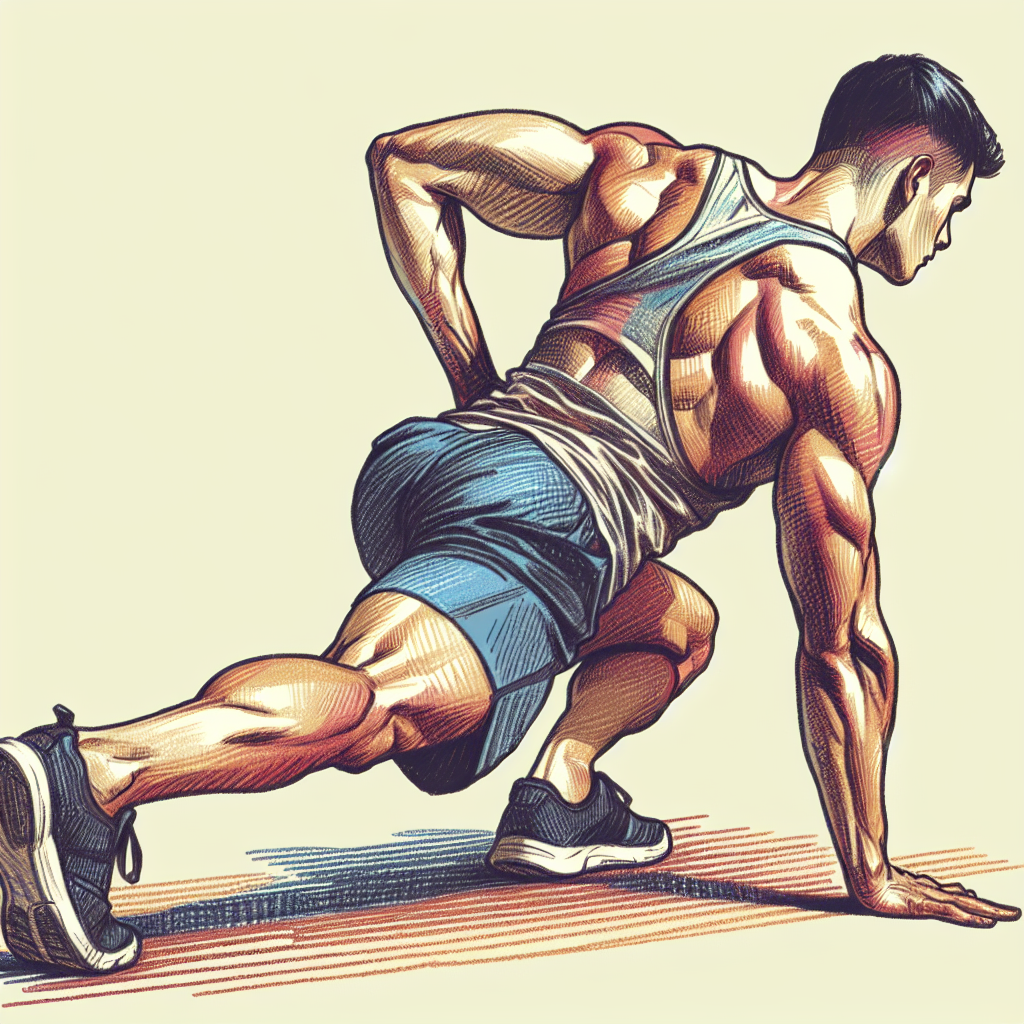
Engaging in back muscle exercises without equipment can be highly beneficial for improving posture, enhancing core strength, and preventing injuries. In a world where many suffer from back pain due to sedentary lifestyles, these exercises provide an accessible solution that can be easily integrated into daily routines. The primary advantage of using bodyweight resistance is that it can be done anywhere, making consistency easier to achieve.
- Introduction
- Understanding the Back Muscles
- Benefits of Bodyweight Exercises for the Back
- Effective Back Muscle Exercises Without Equipment
- Practical Tips for a Successful Routine
- When to Consult a Professional
- Common Misconceptions About Back Exercises
- FAQ
- Conclusion
Understanding the Back Muscles
The back comprises several muscle groups, including the latissimus dorsi, trapezius, erector spinae, and rhomboids. These muscles work in unison to support the spine, facilitate movement, and maintain proper posture. Understanding these muscles’ functions can help you appreciate the importance of strengthening them through targeted exercises.
Benefits of Bodyweight Exercises for the Back
Bodyweight exercises offer numerous advantages for back health, including:
- Accessibility: No equipment is needed, so you can exercise anywhere.
- Efficiency: These exercises can be completed in a short amount of time.
- Strength Building: Bodyweight exercises promote muscle growth and strength without heavy weights.
- Improved Posture: Strengthening back muscles can help alleviate postural imbalances.
- Injury Prevention: A strong back supports the spine better, reducing the risk of injuries.
Effective Back Muscle Exercises Without Equipment
Below are some effective exercises to strengthen your back muscles without the need for any equipment:
- Superman: Lie face down with arms extended. Lift your arms, chest, and legs off the ground and hold for a few seconds.
- Bird-Dog: Start on all fours, extend one arm forward and the opposite leg back, then alternate.
- Plank: Maintain a straight line from head to heels, supporting your body on forearms and toes.
- Wall Angels: Stand against a wall and move your arms up and down in a “snow angel” motion, while keeping your back flat.
- Reverse Snow Angel: While lying face down, move your arms and legs out to the side in a flying motion.
Practical Tips for a Successful Routine
To maximize the effectiveness of your back exercises, consider the following tips:
- Begin with a warm-up to prepare your muscles.
- Maintain proper form to prevent injuries; focus on technique over quantity.
- Incorporate a variety of exercises targeting different back muscles.
- Gradually increase repetitions or duration as your strength improves.
- Schedule workouts regularly, aiming for at least three times a week.
- Consider integrating a quick 6-minute routine into your day for efficient results. You can register for a free 30-day exercise program at this link.
When to Consult a Professional
While exercise is often beneficial, it is crucial to know when to seek professional advice. Consider consulting a healthcare provider if you experience:
- Severe or persistent back pain that impacts daily activities.
- Pain accompanied by numbness or tingling in the limbs.
- Sudden onset of back pain without an apparent cause.
- Difficulty in standing up or sitting down.
- History of back injuries that resurface.
Common Misconceptions About Back Exercises
There are several myths regarding back exercises that can lead to ineffective practices. Here are some clarifications:
- Myth 1: You need weights to strengthen your back.
Reality: Bodyweight exercises can also provide significant strength benefits. - Myth 2: Spot reduction is possible.
Reality: You cannot target fat loss in specific areas through strengthening alone; overall fitness is necessary. - Myth 3: Back pain means you shouldn’t exercise.
Reality: Many back issues can improve with appropriate exercises. - Myth 4: All back exercises are the same.
Reality: Different exercises target different muscle groups; it’s essential to diversify your routine.
FAQ
What is the best exercise for lower back pain?
Exercises like the Bird-Dog and Superman are highly effective at alleviating lower back pain through strength building and stability.
How often should I do back exercises?
Aim for at least three times a week, incorporating different exercises to target various muscle groups.
Can I hurt myself by exercising my back?
Improper form or overdoing it can lead to injuries; always prioritize technique and listen to your body.
Is stretching important for back exercises?
Yes, stretching before and after exercising helps improve flexibility and prevent injuries.
Can I do these exercises if I have a pre-existing condition?
Consult a healthcare professional before beginning any exercise program if you have a pre-existing condition or concern.
Are bodyweight exercises effective for muscle growth?
Yes, bodyweight exercises can effectively promote muscle strength and growth, especially for beginners or those without access to weights.
Conclusion
- Bodyweight exercises can significantly enhance back strength and improve posture.
- Regular practice, even for just 6 minutes a day, can yield substantial benefits.
- Be aware of your body and seek professional advice when necessary.
- Incorporate a variety of exercises to target different muscle groups effectively.
- Understanding and debunking myths can lead to more productive workouts.
Take the first step towards a healthier back by integrating these exercises into your daily routine. Consider trying a free 30-day exercise program that requires just 6 minutes a day for effective results. Sign up here.
Author: John Angel