
Categories
Fitness

Effective Back Muscle Exercises Without Equipment

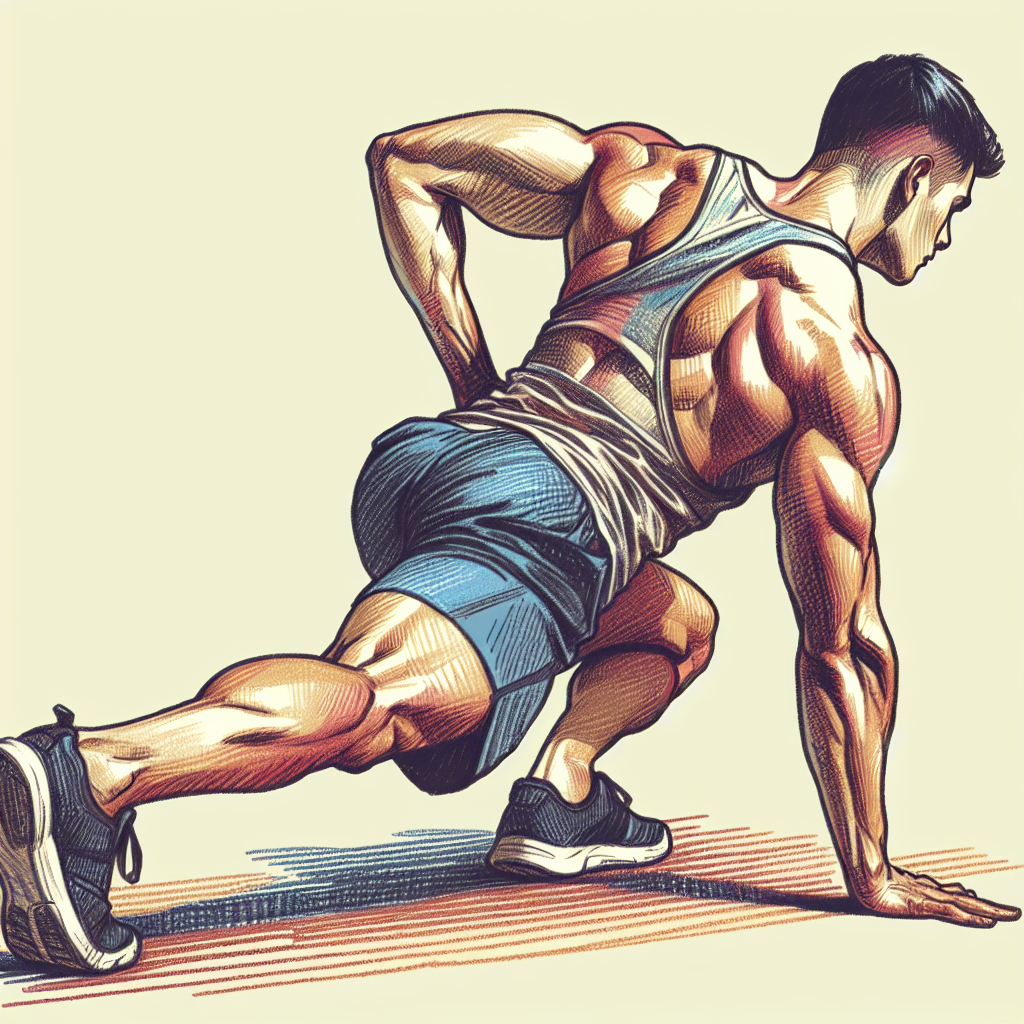
Engaging in back muscle exercises without equipment can be highly beneficial for improving posture, enhancing core strength, and preventing injuries. In a world where many suffer from back pain due to sedentary lifestyles, these exercises provide an accessible solution that can be easily integrated into daily routines. The primary advantage of using bodyweight resistance is that it can be done anywhere, making consistency easier to achieve.

  • Introduction
  • Understanding the Back Muscles
  • Benefits of Bodyweight Exercises for the Back
  • Effective Back Muscle Exercises Without Equipment
  • Practical Tips for a Successful Routine
  • When to Consult a Professional
  • Common Misconceptions About Back Exercises
  • FAQ
  • Conclusion

Understanding the Back Muscles

The back comprises several muscle groups, including the latissimus dorsi, trapezius, erector spinae, and rhomboids. These muscles work in unison to support the spine, facilitate movement, and maintain proper posture. Understanding these muscles’ functions can help you appreciate the importance of strengthening them through targeted exercises.

Benefits of Bodyweight Exercises for the Back

Bodyweight exercises offer numerous advantages for back health, including:

  • Accessibility: No equipment is needed, so you can exercise anywhere.
  • Efficiency: These exercises can be completed in a short amount of time.
  • Strength Building: Bodyweight exercises promote muscle growth and strength without heavy weights.
  • Improved Posture: Strengthening back muscles can help alleviate postural imbalances.
  • Injury Prevention: A strong back supports the spine better, reducing the risk of injuries.

Effective Back Muscle Exercises Without Equipment

Below are some effective exercises to strengthen your back muscles without the need for any equipment:

  1. Superman: Lie face down with arms extended. Lift your arms, chest, and legs off the ground and hold for a few seconds.
  2. Bird-Dog: Start on all fours, extend one arm forward and the opposite leg back, then alternate.
  3. Plank: Maintain a straight line from head to heels, supporting your body on forearms and toes.
  4. Wall Angels: Stand against a wall and move your arms up and down in a “snow angel” motion, while keeping your back flat.
  5. Reverse Snow Angel: While lying face down, move your arms and legs out to the side in a flying motion.

Practical Tips for a Successful Routine

To maximize the effectiveness of your back exercises, consider the following tips:

  • Begin with a warm-up to prepare your muscles.
  • Maintain proper form to prevent injuries; focus on technique over quantity.
  • Incorporate a variety of exercises targeting different back muscles.
  • Gradually increase repetitions or duration as your strength improves.
  • Schedule workouts regularly, aiming for at least three times a week.
  • Consider integrating a quick 6-minute routine into your day for efficient results. You can register for a free 30-day exercise program at this link.

When to Consult a Professional

While exercise is often beneficial, it is crucial to know when to seek professional advice. Consider consulting a healthcare provider if you experience:

  • Severe or persistent back pain that impacts daily activities.
  • Pain accompanied by numbness or tingling in the limbs.
  • Sudden onset of back pain without an apparent cause.
  • Difficulty in standing up or sitting down.
  • History of back injuries that resurface.

Common Misconceptions About Back Exercises

There are several myths regarding back exercises that can lead to ineffective practices. Here are some clarifications:

  • Myth 1: You need weights to strengthen your back.
    Reality: Bodyweight exercises can also provide significant strength benefits.
  • Myth 2: Spot reduction is possible.
    Reality: You cannot target fat loss in specific areas through strengthening alone; overall fitness is necessary.
  • Myth 3: Back pain means you shouldn’t exercise.
    Reality: Many back issues can improve with appropriate exercises.
  • Myth 4: All back exercises are the same.
    Reality: Different exercises target different muscle groups; it’s essential to diversify your routine.

FAQ

What is the best exercise for lower back pain?

Exercises like the Bird-Dog and Superman are highly effective at alleviating lower back pain through strength building and stability.

How often should I do back exercises?

Aim for at least three times a week, incorporating different exercises to target various muscle groups.

Can I hurt myself by exercising my back?

Improper form or overdoing it can lead to injuries; always prioritize technique and listen to your body.

Is stretching important for back exercises?

Yes, stretching before and after exercising helps improve flexibility and prevent injuries.

Can I do these exercises if I have a pre-existing condition?

Consult a healthcare professional before beginning any exercise program if you have a pre-existing condition or concern.

Are bodyweight exercises effective for muscle growth?

Yes, bodyweight exercises can effectively promote muscle strength and growth, especially for beginners or those without access to weights.

Conclusion

  • Bodyweight exercises can significantly enhance back strength and improve posture.
  • Regular practice, even for just 6 minutes a day, can yield substantial benefits.
  • Be aware of your body and seek professional advice when necessary.
  • Incorporate a variety of exercises to target different muscle groups effectively.
  • Understanding and debunking myths can lead to more productive workouts.

Take the first step towards a healthier back by integrating these exercises into your daily routine. Consider trying a free 30-day exercise program that requires just 6 minutes a day for effective results. Sign up here.

Author: John Angel

Related articles

Categories
Fitness

Transform Your Body with a 30-Day Six-Minute Workout Plan

Embarking on a 30-day body workout can be a transformative experience, particularly for those on a weight loss journey. The allure of short, effective workouts is not merely theoretical; they can significantly enhance your everyday routine, making fitness accessible and manageable. In this article, we’ll delve into the remarkable impact of six-minute workouts at home, provide a structured approach to a 30-day plan, and address common misconceptions around short fitness sessions.

  • Understanding the Magic of Six-Minute Workouts
  • Your 30-Day Workout Plan
  • When to Consult a Professional
  • Debunking Common Myths
  • FAQ Section
  • Conclusion and Next Steps

Understanding the Magic of Six-Minute Workouts

The concept of six-minute workouts may seem simplistic, yet their effectiveness lies in the principles of high-intensity interval training (HIIT). These brief sessions can elevate your heart rate, aid metabolism, and facilitate body conditioning without requiring extensive time commitments. Incorporating these short bursts of activity into your daily life can alleviate the intimidation often associated with exercising, making it easier to stay consistent.

Moreover, six-minute workouts can seamlessly fit into any schedule, allowing you to break from sedentary routines while positively impacting your mood and energy levels. This low barrier to entry encourages regular physical activity, which amplifies the cumulative benefits over time.

Your 30-Day Workout Plan

To get you started on your weight loss journey, here’s a straightforward 30-day workout plan that you can follow using just six-minute sessions:

  1. Week 1: Focus on full-body workouts (squats, push-ups, jumping jacks).
  2. Week 2: Incorporate core strengthening (planks, bicycle crunches).
  3. Week 3: Add cardiovascular elements (burpees, high knees, mountain climbers).
  4. Week 4: Mix and match exercises from previous weeks for variety.

Each session can consist of multiple rounds of exercises. For example, perform 30 seconds of an exercise, rest for 30 seconds, and repeat until the six minutes are complete. To boost morale and commitment, consider registering for the SixPack workout program for 30 days free, which provides video instructions and community support.

When to Consult a Professional

While short workouts can greatly benefit most individuals, there are certain instances when consulting a medical or fitness professional is advisable:

  • If you experience pain during exercise that is not attributable to muscle fatigue.
  • Consult a doctor if you have underlying health conditions that may affect your ability to exercise.
  • If you’re unsure about proper exercise techniques, a certified personal trainer can help you avoid injuries.
  • Seek professional advice if you have specific fitness goals that require tailored programming.

Debunking Common Myths

Despite the rising popularity of short workouts, several myths persist that can deter individuals from embracing them:

  • Myth 1: Short workouts are ineffective for weight loss. Truth: Numerous studies show that intense, shorter sessions can burn substantial calories and improve fitness levels.
  • Myth 2: You need to spend hours in the gym. Truth: Consistency and intensity can often yield better results than lengthy sessions.
  • Myth 3: Only long workouts provide cardiovascular benefits. Truth: Short, high-intensity workouts can significantly improve cardiovascular health.

FAQ Section

What equipment do I need for a six-minute workout?

You can perform these workouts using minimal equipment, such as a yoga mat. However, dumbbells or resistance bands can enhance your routines.

Can beginners do six-minute workouts?

Absolutely! Six-minute workouts are designed to be adaptable for all fitness levels, making them an ideal starting point for beginners.

How often should I do these workouts?

It is recommended to perform six-minute workouts at least five times a week, combined with rest days for recovery.

Will I see results with just six minutes a day?

Yes, if done consistently and with intensity, you can see improvements in strength, endurance, and possibly weight loss.

What should I do if I feel pain during the workout?

Stop immediately, assess the cause of your pain, and consult a healthcare professional if necessary.

How can I stay motivated throughout the 30 days?

Setting clear goals, tracking your progress, and joining a supportive community can greatly enhance motivation.

Conclusion and Next Steps

Embarking on a 30-day body workout offers numerous benefits for your physical and mental well-being. Here are five key takeaways:

  • Short workouts can effectively enhance your fitness and overall health.
  • Consistency and intensity are crucial for achieving results.
  • Always prioritize safety and consult professionals if necessary.
  • Stay adaptable and modify exercises to suit your fitness level.
  • Engage with community resources for motivation and support.

For a structured approach on your journey, consider joining the SixPack workout program for 30 days free. Taking the first step is the most vital part of any weight loss journey—start today!

Author: John Angel

Related articles

Website analytics information

We use Google Analytics 4 for visitor statistics. Analytics cookies require your consent, which you can change using the button above. The data controller is ZDRAVÍ S ÚSMĚVEM s.r.o., company ID 29283329, contact podpora@revolucnicviceni.cz. Google processes browser, device and page visit information. We do not send form field values to Analytics. How Google uses information · Google Privacy Policy.