
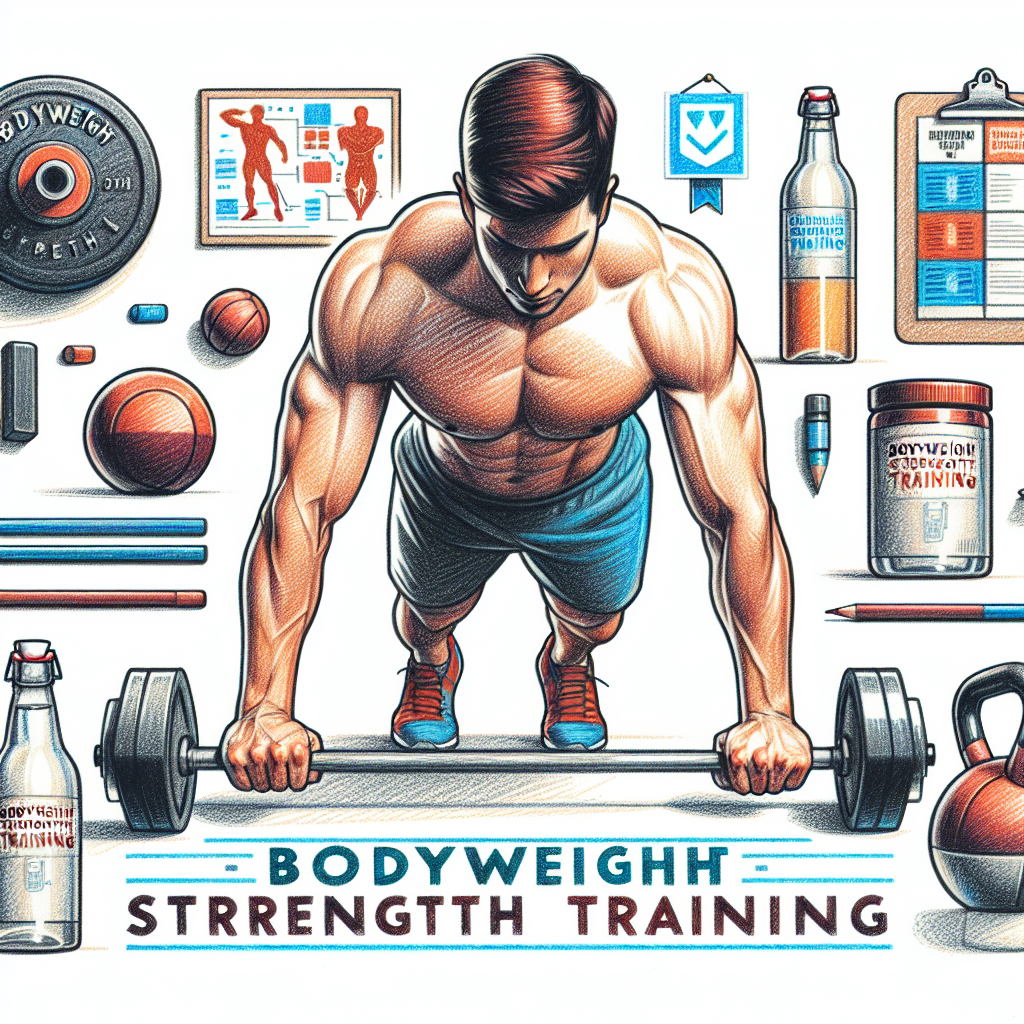
Weight Training Without Equipment: Unlock Your Physical Potential
Embarking on a weight training regimen without equipment can be a transformative journey. It offers a highly accessible and effective way to build strength, enhance muscle definition, and improve overall physical fitness. This article will guide you through various exercises, strategies, and the mental framework required to succeed in bodyweight training, allowing you to achieve gym-like results from the comfort of your home.
- Introduction
- Benefits of Weight Training Without Equipment
- Key Bodyweight Exercises
- Structuring Your Workout Routine
- Common Myths and Misconceptions
- When to Seek Professional Guidance
- FAQs
- Conclusion
Benefits of Weight Training Without Equipment
Weight training using only your body as resistance offers numerous benefits:
- Accessibility: No gym membership or equipment purchase is necessary.
- Versatility: You can execute exercises virtually anywhere, making it easy to incorporate into your daily routine.
- Functional Strength: Bodyweight training enhances strength that transfers to everyday activities.
- Joint Safety: Engaging in low-impact movements minimizes the risk of injury.
- Consistency: Short, effective workouts can lead to sustained adherence, especially for those with busy schedules.
Key Bodyweight Exercises
Incorporating a variety of exercises targeting different muscle groups is essential for balanced training. Here are some effective movements:
1. Push-Ups
A fundamental exercise that targets the chest, shoulders, and triceps. Variations like incline push-ups or decline push-ups can add difficulty.
2. Squats
This lower-body exercise engages the quadriceps, hamstrings, and glutes. To increase intensity, consider one-legged squats.
3. Planks
A core-strengthening exercise that promotes stability and engages multiple muscle groups simultaneously.
4. Lunges
Lunges work the legs while improving balance and coordination. Side lunges and reverse lunges add variety.
5. Burpees
A high-intensity movement combining a squat, push-up, and jump, excellent for building cardiovascular stamina and strength.
Structuring Your Workout Routine
Creating a balanced workout routine is vital for optimal results. Here are steps to design your regimen:
- Determine Frequency: Aim for at least three to four days a week of bodyweight training.
- Warm-Up: Perform dynamic stretches and mobility exercises to prepare your body.
- Exercise Selection: Select 5-7 exercises targeting different muscle groups.
- Set Repetitions: Complete 2-4 sets of each exercise with 8-15 repetitions, depending on your fitness level.
- Cool Down: Conclude with static stretches to promote flexibility and recovery.
- Progression: Gradually increase repetitions, sets, or exercise difficulty to ensure continuous improvement.
For an innovative approach, consider registering for a free 30-day exercise program where you only need to exercise for 6 minutes each day. This program ensures you achieve results as if you were going to the gym. You can learn more and sign up here.
Common Myths and Misconceptions
Bodyweight training often comes with preconceived notions that can hinder its acceptance. Here are some prevalent myths:
- Myth 1: Bodyweight exercises are not effective for building muscle.
- Myth 2: You must lift weights to gain strength.
- Myth 3: Bodyweight training is only for beginners.
- Myth 4: You cannot achieve cardiovascular benefits without machines.
In reality, bodyweight exercises can be as challenging and rewarding as traditional weightlifting, promoting strength and endurance if performed correctly.
When to Seek Professional Guidance
While bodyweight training is generally safe, there are circumstances where consulting a professional is advisable:
- If you have pre-existing medical conditions affecting physical activity.
- When experiencing pain that persists beyond normal muscle fatigue.
- If you’re unsure of proper form and technique, risking injury.
- When aiming for specific goals that require tailored guidance.
FAQs
Can I build muscle using only bodyweight exercises?
Yes, bodyweight exercises can effectively build muscle by using resistance and progressively increasing difficulty.
How often should I perform bodyweight training?
Aim for three to four sessions per week, allowing adequate rest between workouts targeting the same muscle groups.
Is it safe for beginners?
Bodyweight training is generally safe for beginners, but starting slowly and focusing on form is crucial.
Do I need to warm up before exercising?
Yes, warming up prepares your body and reduces the risk of injury; incorporate dynamic stretches before workouts.
Can I combine bodyweight training with other exercise forms?
Absolutely! Combining with activities like running or cycling can provide a well-rounded fitness routine.
How long will it take to see results?
Results can vary based on factors like frequency and intensity, but noticeable changes may occur within 4-6 weeks of consistent training.
Conclusion
- Weight training without equipment is accessible and effective.
- Key exercises include push-ups, squats, planks, lunges, and burpees.
- Structuring a balanced routine is essential for optimal results.
- Debunking common myths helps inform better training practices.
- Seek professional guidance if unsure about your training regimen or if experiencing pain.
By understanding and applying the principles outlined in this article, you can confidently embark on your journey of weight training without equipment. Start today and take the first steps toward a fitter, healthier you!
Author: John Angel