
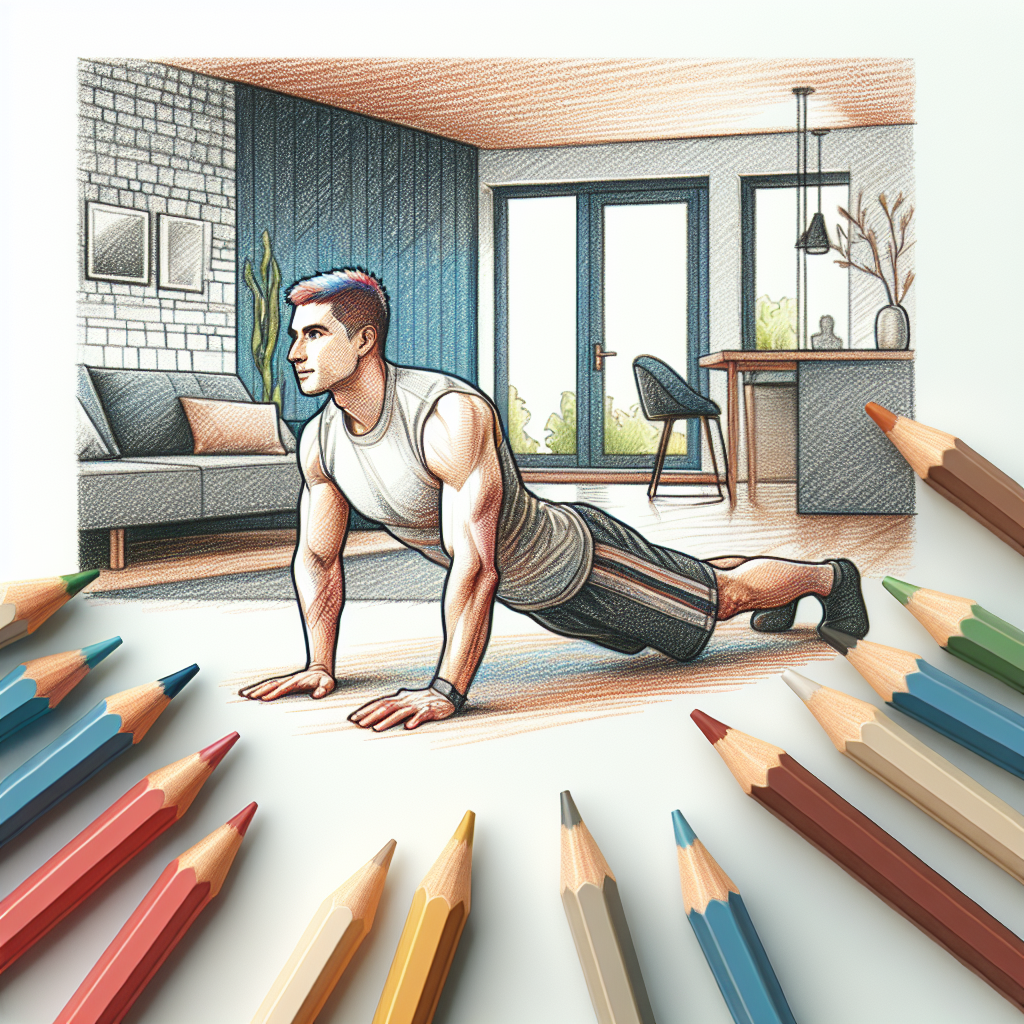
In an era where convenience and flexibility are paramount, at-home workouts without equipment have emerged as an accessible solution for many seeking to achieve fitness goals. These workouts not only save valuable time and money but also allow individuals to engage in physical fitness within the comfort of their own spaces. By incorporating simple yet effective exercises, it is possible to build strength, improve endurance, and enhance overall well-being with minimal effort.
- Introduction
- The Benefits of No Equipment Workouts
- Key Bodyweight Exercises
- Creating Your At-Home Workout Routine
- When to Seek Professional Guidance
- Common Myths and Misconceptions
- Frequently Asked Questions
- Conclusion
The Benefits of No Equipment Workouts
No equipment workouts offer a multitude of benefits, making them an appealing choice for individuals at all fitness levels. These include:
- Cost-Effectiveness: Eliminating the need for a gym membership or expensive equipment allows for budget-friendly fitness options.
- Time Efficiency: Workouts can be completed in a short amount of time, creating a practical routine that fits around busy schedules.
- Flexibility: Individuals can exercise whenever and wherever they choose, eliminating barriers associated with commuting to the gym.
- Accessibility: Ideal for those who may not have access to fitness facilities or live in areas with limited options.
Key Bodyweight Exercises
Incorporating bodyweight exercises into your routine can yield significant results. Here are some fundamental movements:
- Push-Ups: Target the chest, shoulders, and triceps. Variations include knee push-ups and elevated push-ups.
- Squats: A comprehensive lower-body exercise that engages the quadriceps, hamstrings, and glutes.
- Planks: Excellent for core strengthening; includes variations such as side planks and forearm planks.
- Lunges: Effective for working out both glutes and legs, with options such as forward, reverse, and lateral lunges.
- Burpees: A full-body exercise that enhances cardiovascular endurance while building strength.
Creating Your At-Home Workout Routine
Designing an effective workout routine at home requires thoughtful planning. Here are steps to create your personalized program:
- Set Clear Goals: Define what you want to achieve, whether it’s weight loss, strength building, or improved endurance.
- Choose Your Exercises: Select a mix of strength and cardio exercises to ensure a well-rounded routine.
- Plan Frequency: Aim for consistency; for optimal results, try to work out three to five times a week.
- Determine Duration: Even a short session can be effective; consider a daily commitment of just 6 minutes.
- Track Your Progress: Keep a record of your exercises and progress to stay motivated.
For a guided experience, consider a free registration for a 30-day exercise program where you can achieve results with just 6 minutes of exercise a day. Sign up here: 30-Day Exercise Program Registration.
When to Seek Professional Guidance
While at-home workouts are beneficial, there are certain instances when consulting with a professional is advisable:
- If you experience persistent pain or discomfort during exercise.
- When starting a new fitness program, especially if you have pre-existing medical conditions.
- If you are unsure about proper form or technique for specific exercises.
- When planning to engage in advanced training or specialized fitness goals.
Common Myths and Misconceptions
Despite their growing popularity, several myths persist regarding at-home workouts:
- Myth 1: No equipment workouts are less effective than using weights. Fact: Bodyweight movements can be incredibly effective for building strength and endurance.
- Myth 2: You can’t lose weight without a gym membership. Fact: Consistency and a balanced diet are key components of weight loss, regardless of the venue.
- Myth 3: At-home workouts lack variety. Fact: There are countless exercises and combinations that can be utilized effectively.
Frequently Asked Questions
Can I build muscle without weights?
Yes, bodyweight exercises can effectively build muscle by increasing resistance through various movements and combinations.
How many times a week should I work out at home?
Aim for three to five times a week for optimal results, allowing for rest days as needed.
Is it safe to work out at home?
Yes, provided you perform exercises with proper form; however, consult a professional if you experience pain or discomfort.
Do I need a lot of space to work out at home?
No, many effective exercises can be done in a small space. Focus on bodyweight movements that require minimal room.
How long should my workouts be?
Short, focused workouts of 6 to 30 minutes can be very effective, especially if performed consistently.
Can I lose weight through at-home workouts?
Yes, with a combination of regular exercise and a balanced diet, weight loss is achievable through at-home workouts.
Conclusion
- At-home workouts without equipment are both accessible and effective.
- Bodyweight exercises can lead to significant fitness improvements.
- Creating a personalized routine helps in maintaining motivation.
- Consult a professional when experiencing pain or planning advanced routines.
- Be aware of common myths surrounding at-home fitness to better understand its effectiveness.
Embrace the convenience of at-home workouts and take the first step toward your fitness goals today. With commitment and the right approach, you can achieve remarkable results!
Author: John Angel