
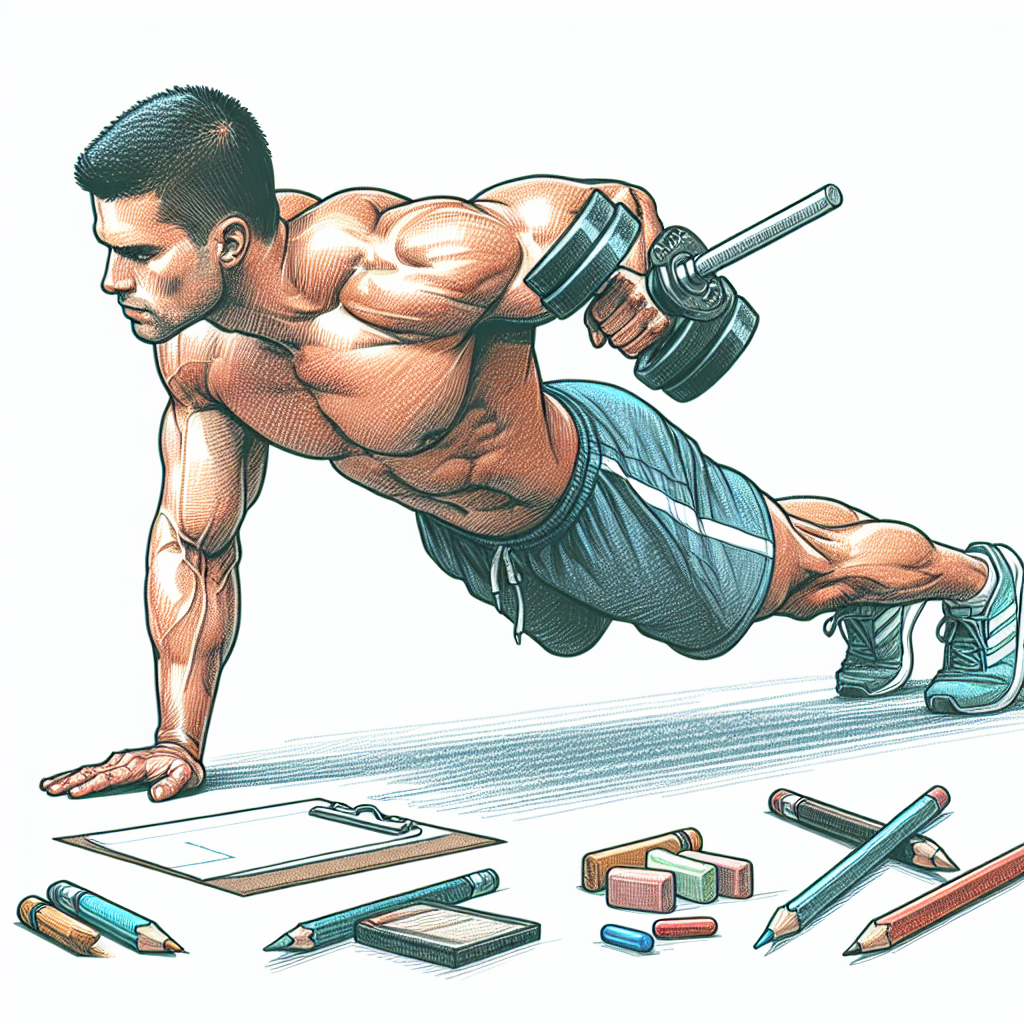
Bodybuilding is often perceived as an endeavor that necessitates a gym packed with heavy equipment and sophisticated machines. However, this belief is increasingly challenged by the effectiveness of bodyweight exercises. This article aims to illuminate the pathway to bodybuilding without equipment, offering practical guidance on how to build strength, improve muscle tone, and enhance overall fitness using just your body. Notably, individuals can achieve substantial results with a dedicated approach that requires only a minimal time investment.
- Understanding Bodyweight Training
- Key Benefits of Training Without Equipment
- Effective Bodyweight Exercises
- Structuring Your Workout Routine
- When to Consult a Professional
- Common Misconceptions
- Frequently Asked Questions
- Conclusion
Understanding Bodyweight Training
Bodyweight training refers to exercises where an individual uses their own body mass to provide resistance against gravity. This method not only fosters strength but also improves coordination, flexibility, and balance. As movements can be adapted to various fitness levels, bodyweight training is universally accessible and effective.
Key Benefits of Training Without Equipment
Engaging in bodyweight workouts provides several advantages, including:
- Convenience: No need to travel to a gym or purchase equipment; exercises can be performed anywhere.
- Cost-Effective: Eliminates the need for expensive memberships or equipment purchases.
- Adaptability: Exercises can be modified easily to meet different fitness levels and goals.
- Enhanced Functional Strength: Improves muscle engagement and promotes overall body strength and flexibility.
Effective Bodyweight Exercises
Incorporating a variety of exercises is essential to target different muscle groups comprehensively. Here are some effective bodyweight exercises:
- Push-Ups: Targets the chest, shoulders, and triceps. Variations include inclined, declined, and one-handed push-ups.
- Pull-Ups: Engages the back, biceps, and forearms. If no bar is available, alternatives like towel rows can be performed.
- Squats: Focuses on the quads, hamstrings, and glutes. Variations include jump squats and pistol squats for increased intensity.
- Planks: Strengthens the core and improves stability. Side planks can target obliques effectively.
- Lunges: Targets the legs and improves balance. Variations encompass forward, backward, and lateral lunges.
Structuring Your Workout Routine
To maximize results from bodyweight training, a structured routine is essential. Here’s a sample approach:
- Warm-Up (3-5 minutes): Include light cardio and dynamic stretches.
- Workout (6 minutes): Perform a circuit of 2-3 exercises, completing as many sets as possible within the time frame.
- Cool Down (3-5 minutes): Incorporate static stretches to promote recovery.
For a tailored plan that focuses on just 6 minutes of exercise daily yet provides gym-like results, consider registering for this free 30-day exercise program: 30-Day Exercise Program.
When to Consult a Professional
While bodyweight training is generally safe, there are circumstances where seeking professional advice is warranted. Consult with a healthcare provider or fitness professional if:
- You have underlying health conditions or injuries that may affect your ability to exercise.
- You experience persistent pain during or after workouts.
- You are uncertain about how to perform specific exercises correctly.
- You seek a customized program tailored to specific fitness goals.
Common Misconceptions
Despite the growing popularity of bodyweight training, several misconceptions persist:
- Bodyweight Training is Only for Beginners: It can be adapted for all fitness levels, including advanced athletes.
- You Can’t Build Muscle Without Weights: Progressive overload can still be achieved by adjusting the difficulty of bodyweight exercises.
- Bodyweight Workouts are Less Effective: Many athletes find bodyweight exercises highly efficient and effective for building strength and endurance.
- It’s Not a Complete Workout: Bodyweight training can target all major muscle groups and combines cardiovascular benefits when structured effectively.
Frequently Asked Questions
Can I build muscle by only doing bodyweight exercises?
Yes, bodyweight exercises can effectively build muscle by employing progressive overload through variations and intensity adjustments.
How often should I do bodyweight exercises?
A routine of 3-5 times a week is recommended to allow for muscle recovery while building strength.
Is bodyweight training suitable for all age groups?
Yes, bodyweight training can be adapted for various age groups and fitness levels, making it a versatile option.
Do I need to warm up before bodyweight exercises?
Yes, a proper warm-up is crucial to protect against injury and prepare your body for the workout.
How long should a bodyweight workout session be?
A focused session can be as short as 15-30 minutes, including warm-up and cool down, depending on your fitness goals.
Can bodyweight exercises improve my flexibility?
Yes, many bodyweight exercises enhance flexibility and range of motion as they require movement through various planes.
Conclusion
- Bodyweight training is highly effective for building strength, improving fitness, and can be performed anywhere.
- It offers numerous benefits, including accessibility, cost-effectiveness, and versatility.
- A well-structured routine can yield results in minimal time, enhancing adherence and motivation.
- Misconceptions about bodyweight training can hinder individuals from exploring this beneficial fitness method.
- Consult a professional when experiencing health concerns, pain, or when in need of a tailored program.
Explore the vast potential of bodyweight training today and engage in your fitness journey with confidence!
Author: John Angel