
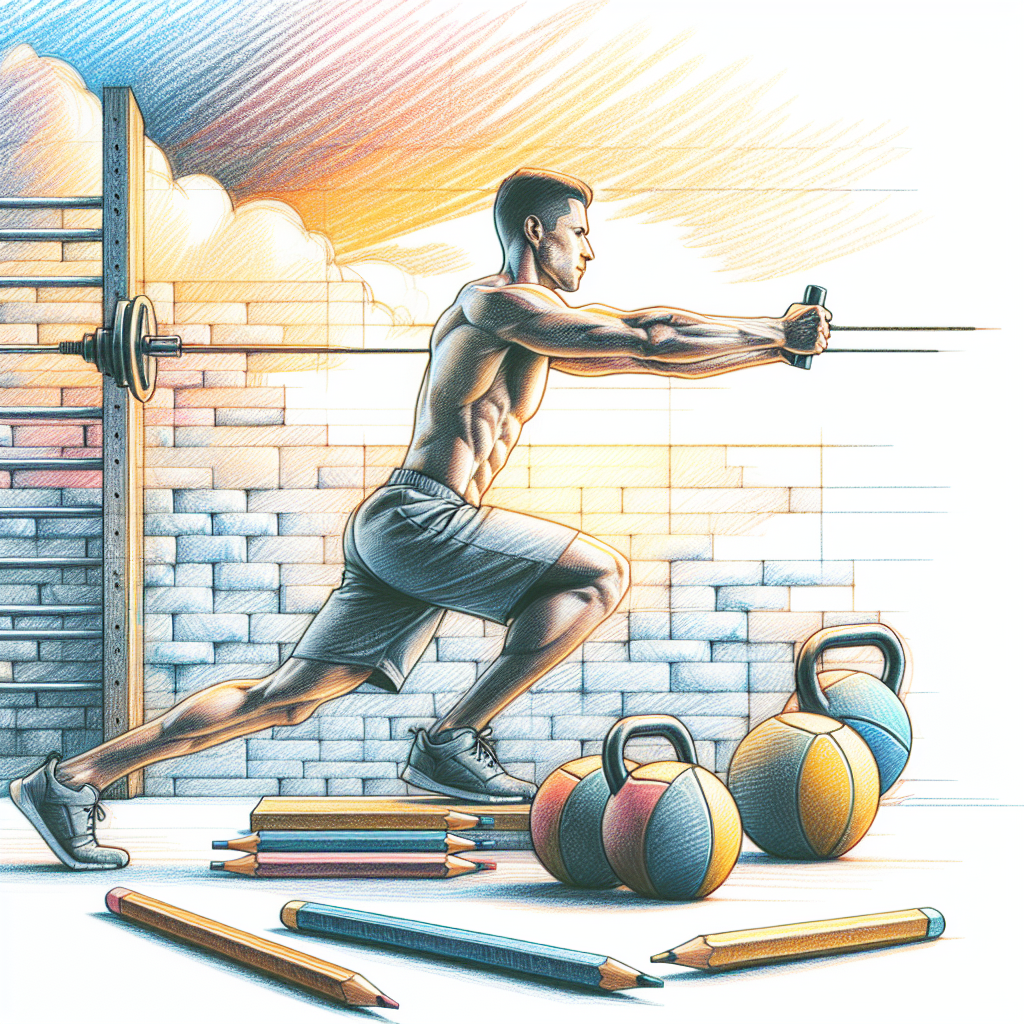
In an era where fitness facilities and equipment can sometimes be a barrier to starting an effective exercise regimen, bodyweight workouts emerge as a practical solution. This type of training harnesses the weight of your own body to improve strength, flexibility, and endurance while requiring minimal to no equipment. Whether you’re at home, on vacation, or simply prefer a straightforward approach, a bodyweight workout plan can offer substantial benefits. In this article, you will discover a comprehensive guide to creating and maintaining an effective bodyweight workout plan without equipment.
- Introduction
- Understanding Bodyweight Workouts
- Benefits of Bodyweight Training
- Creating Your Bodyweight Workout Plan
- Practical Workout Examples
- When to Seek Professional Guidance
- Common Misconceptions
- Frequently Asked Questions
- Conclusion
Understanding Bodyweight Workouts
Bodyweight workouts encompass a range of exercises that utilize your own body weight as resistance. Movements such as push-ups, squats, and planks are classic examples that target multiple muscle groups. Unlike traditional weight lifting, these workouts require no equipment and can be performed anywhere, making them exceptionally versatile.
Benefits of Bodyweight Training
- Accessibility: Requires no gym membership or equipment.
- Versatility: Can be adapted for all fitness levels and can be performed in any environment.
- Functional Strength: Improves strength and fitness through natural movements.
- Enhanced Coordination: Improves balance and body awareness.
- Efficiency: Involves multiple muscle groups, providing a full-body workout in a short amount of time.
Creating Your Bodyweight Workout Plan
To structure an effective bodyweight workout plan, consider the following components:
- Define Your Goals: Whether your aim is weight loss, muscle gain, or improved endurance, establishing clear objectives is essential.
- Determine Workout Frequency: Aim for at least 3–5 days a week, incorporating both strength and cardiovascular elements.
- Select Exercises: Choose movements that cover different body parts. Ensure you include push, pull, squat, lunge, and core activities.
- Progress Gradually: Increase the intensity of workouts over time by adjusting repetitions, reducing rest time, or incorporating variations.
- Track Progress: Keep a journal to monitor improvements in strength, balance, and endurance.
Practical Workout Examples
Below is a sample bodyweight workout plan to get you started. Feel free to modify repetitions and resting periods based on your fitness level.
- Warm-up: 5 minutes of dynamic stretches (arm circles, leg swings, etc.)
- Workout Routine:
- Push-ups: 3 sets of 10–15 repetitions
- Squats: 3 sets of 15–20 repetitions
- Plank: 3 sets of 30 seconds to 1 minute
- Lunges: 3 sets of 10–15 repetitions (each leg)
- Burpees: 3 sets of 5–10 repetitions
For more guidance, consider registering for a free 30-day exercise program, where you only need to exercise for 6 minutes each day but achieve results comparable to those of regular gym-goers. You can register here.
When to Seek Professional Guidance
While many individuals can effectively manage bodyweight workouts independently, certain situations warrant professional advice:
- Experiencing ongoing pain or discomfort during or after workouts.
- Underlying health conditions that may affect exercise performance.
- Uncertainty about proper form or exercise selection.
- Desiring a tailored program that addresses specific fitness goals.
Common Misconceptions
Despite the numerous benefits of bodyweight training, some misconceptions persist:
- Bodyweight Exercises Are Not Effective for Building Muscle: While weights can help, bodyweight exercises can effectively build muscle mass, especially for beginners.
- You Can’t Get a Good Cardio Workout: High-intensity bodyweight circuits can raise your heart rate dramatically, which contributes to cardiovascular fitness.
- Only Athletes Can Benefit: Bodyweight training is suitable for all ages and fitness levels, making it widely accessible.
- It’s Not as Challenging as Weight Training: Bodyweight exercises can become increasingly challenging through variations, tempo manipulation, and advanced techniques.
Frequently Asked Questions
Can bodyweight workouts help with weight loss?
Yes, when combined with a balanced diet, bodyweight workouts can effectively contribute to weight loss by burning calories and building lean muscle mass.
How often should I do bodyweight workouts?
Aim for at least 3–5 times a week, ensuring to vary the routine to engage different muscle groups and avoid plateauing.
Are bodyweight exercises suitable for beginners?
Absolutely! Bodyweight exercises can be modified to suit various skill levels, making them ideal for beginners.
Do I need to warm up before a bodyweight workout?
Yes, a warm-up is crucial as it prepares your muscles for exercise and reduces the risk of injury.
Can I progress in bodyweight workouts over time?
Yes, you can steadily increase intensity by manipulating repetitions, variations, and minimizing rest time.
Are there specific bodyweight exercises to avoid?
Avoid exercises that compromise form or lead to discomfort. It’s advisable to consult a fitness professional if you’re unsure.
Conclusion
- Bodyweight workouts enhance strength, agility, and endurance without requiring equipment.
- They are highly accessible, adaptable, and can be done almost anywhere.
- Establish clear fitness goals to guide your training approach.
- It is vital to progress gradually and track your improvements.
- Consider consulting a professional for personalized guidance if needed.
Incorporating a bodyweight workout plan could be your key to achieving fitness independence. Begin your journey today, and don’t hesitate to explore additional support, such as the free 30-day exercise program linked above. Happy training!
Author: John Angel