Exercise Without Weights: Unlocking Fitness at Home
In an age where convenience and efficiency dictate our daily routines, exercising without weights emerges as a practical, time-effective solution for maintaining fitness. Whether you are a busy professional, a parent, or simply someone seeking to enhance their physical well-being, bodyweight exercises allow you to engage in effective workouts without the need for expensive equipment or gym memberships. This article breaks down the benefits, techniques, and crucial considerations for effective weight-free exercises.
- Understanding Bodyweight Exercises
- Benefits of No-Equipment Workouts
- Essential Bodyweight Exercises
- Designing a Daily Routine
- When to Consult a Professional
- Common Misconceptions about Bodyweight Training
- Frequently Asked Questions
Understanding Bodyweight Exercises
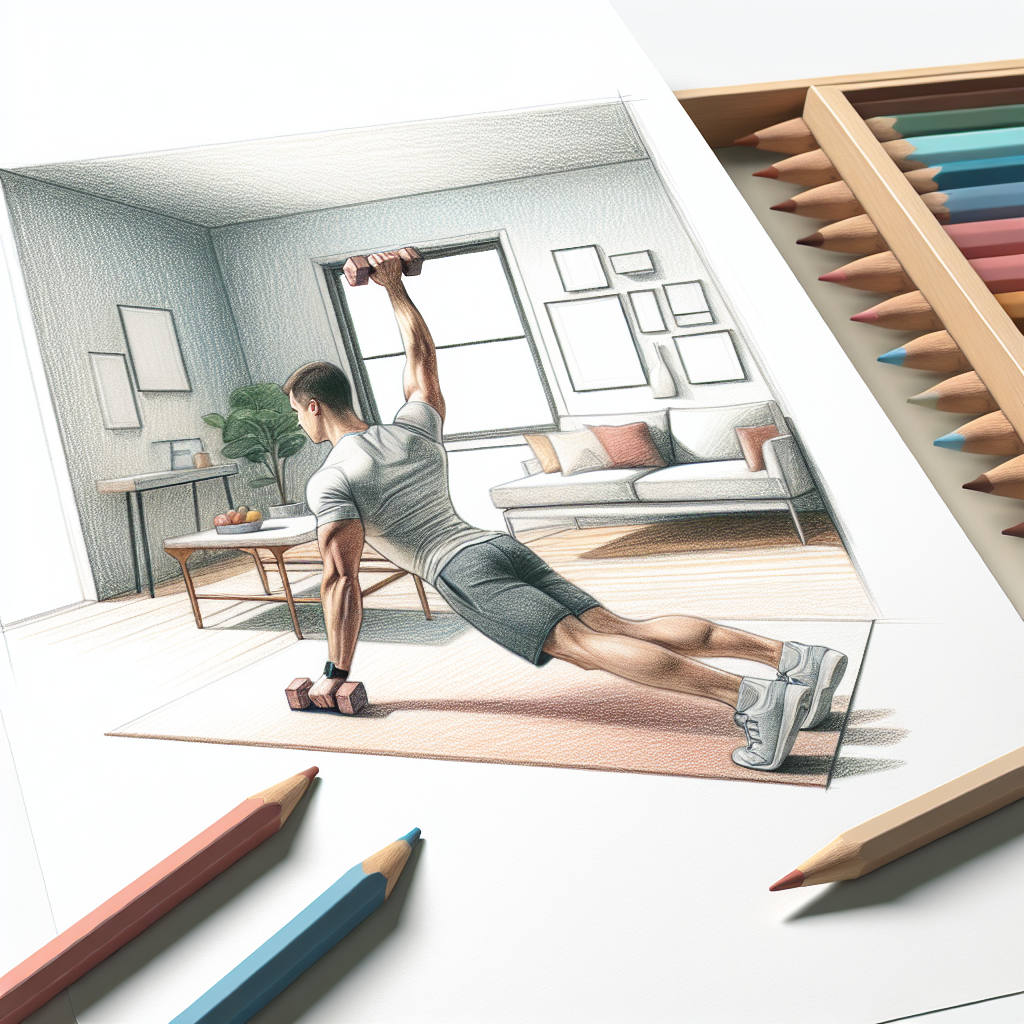
Bodyweight exercises utilize your own weight to provide resistance against gravity, their effectiveness hinging on the engagement of major muscle groups. These exercises can range from simple movements such as push-ups and squats to more complex variations like plyometrics and balance drills, all of which can be tailored to fit any fitness level.
Benefits of No-Equipment Workouts
Achieving fitness without weights presents numerous advantages:
- Convenience: Practice anywhere—your living room, park, or while traveling.
- Cost-Effective: No gym fees or equipment purchases required.
- Functional Strength: Develops strength essential for daily activities.
- Lower Risk of Injury: Reduced impact compared to heavy weights, minimizing injury risks.
- Variety: A plethora of exercises can prevent boredom and keep workouts engaging.
Essential Bodyweight Exercises
Incorporating a mix of movements can optimize your workout experience. Here is a selection of fundamental exercises you can include:
- Push-Ups: A staple for building upper body strength.
- Squats: Targets legs and glutes effectively.
- Planks: Builds core stability and strength.
- Lunges: Engages multiple muscle groups and improves balance.
- Burpees: A full-body exercise combining strength and cardio.
Designing a Daily Routine
Creating an efficient workout plan can significantly enhance your results. Here’s a simple structure to follow:
- Warm-up: 2 minutes of light cardio or dynamic stretches.
- Choose 4–5 bodyweight exercises.
- Perform each exercise for 30 seconds, followed by 15 seconds of rest.
- Repeat the circuit 3 times.
- Cool down: 2–3 minutes of stretching.
For a structured approach, consider joining a free 30-day exercise program that only requires six minutes of your time daily, yet yields results akin to traditional gym workouts. Sign up [here](https://app.revolucnicviceni.cz/en/registration).
When to Consult a Professional
Even as you embark on your fitness journey, there may be instances where consulting a qualified professional is prudent:
- Persistent pain or discomfort during exercises.
- Difficulty in performing specific movements correctly.
- A pre-existing condition or recent injury.
- Unsure about the suitability of a workout plan for your specific needs.
Common Misconceptions about Bodyweight Training
Despite their effectiveness, bodyweight exercises are often misunderstood. Here are some misconceptions:
- Myth: Bodyweight training is not effective for building muscle.
- Truth: With progressive overload techniques, muscle growth can be achieved.
- Myth: Only gym workouts can aid weight loss.
- Truth: Caloric deficit, regardless of the method, remains key to weight loss.
- Myth: Bodyweight workouts are only suitable for beginners.
- Truth: Exercises can be modified to challenge even advanced practitioners.
Frequently Asked Questions
Can bodyweight exercises help me lose weight?
Yes, when combined with a balanced diet and proper nutrition, bodyweight exercises can aid in weight loss by burning calories and building muscle.
How often should I do bodyweight exercises?
For optimal results, aim for at least three to four sessions per week, allowing for adequate rest and recovery.
What are the best bodyweight exercises for beginners?
Beginners can start with push-ups, bodyweight squats, planks, and lunges, gradually increasing their intensity.
Can I still build muscle with bodyweight exercises?
Yes, effective muscle building is possible by utilizing variations, increasing workout difficulty, and ensuring progressive overload.
Are bodyweight exercises suitable for everyone?
Generally, bodyweight exercises suit most individuals; however, those with pre-existing conditions should consult a professional before starting.
How can I stay motivated with bodyweight workouts?
Set achievable goals, track your progress, and perhaps join a group or program for accountability and community support.
Conclusion
- Bodyweight exercises are a versatile and convenient alternative to traditional workouts.
- They offer numerous benefits, including cost-effectiveness and portability.
- A structured routine can yield substantial health and fitness improvements.
- Consult with a professional when necessary to avoid injury.
- Separate fact from fiction to optimize your bodyweight training experience.
Incorporate bodyweight workouts into your life today for a convenient route to fitness. Remember, consistency is key. Take that first step by exploring a 30-day exercise program designed to fit seamlessly into your daily routine. Join for free [here](https://app.revolucnicviceni.cz/en/registration) and start transforming your health one day at a time.
Author: John Angel