
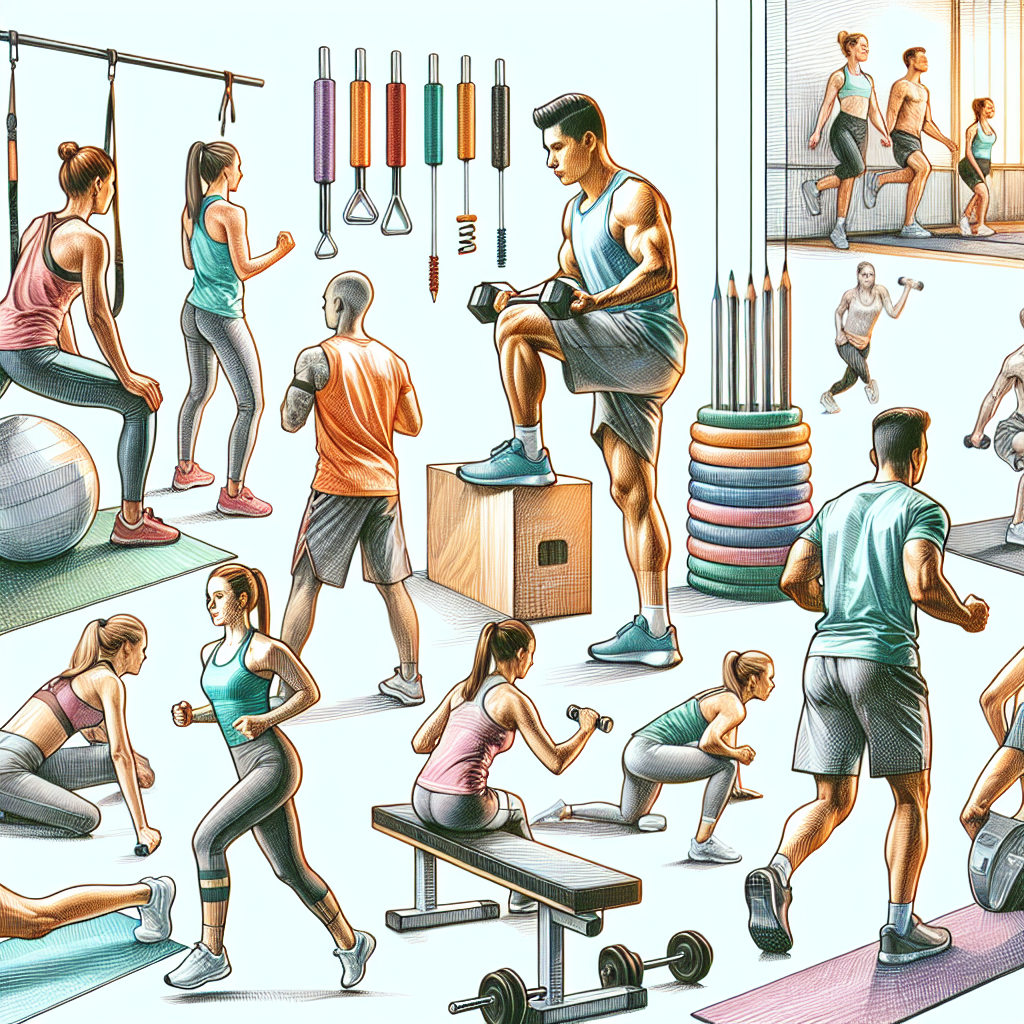
Creating an effective exercise plan without the need for equipment may seem challenging, yet it is both achievable and beneficial for anyone looking to enhance their physical fitness. Whether you are short on time, space, or resources, a structured routine can elevate your health significantly. This article presents an insightful approach to exercise that requires no tools, coupled with a stunning six-minute daily program designed to produce results akin to traditional gym workouts. Explore the convenience of exercising at home, and consider joining our free 30-day program by clicking here.
- Understanding Bodyweight Exercises
- Create Your Exercise Plan
- Benefits of No-Equipment Workouts
- Common Mistakes to Avoid
- When to Seek Professional Guidance
- FAQs
- Conclusion
Understanding Bodyweight Exercises
Bodyweight exercises utilize your own weight to provide resistance against gravity, eliminating the need for external weights or machines. This form of exercise promotes functional strength, flexibility, and endurance through movements that mimic everyday activities. Examples include push-ups, squats, lunges, and planks. Incorporating these actions into your routine effectively strengthens various muscle groups without any equipment.
Create Your Exercise Plan
When designing an exercise plan that requires no equipment, it is essential to ensure variety and balance. A well-structured routine engages different muscle groups and avoids monotony. Here’s how you can create an effective plan:
- Identify Your Fitness Goals: Decide whether you want to build strength, improve endurance, or enhance flexibility.
- Choose Core Exercises: Select a range of bodyweight exercises. Aim for at least 4-6 distinct movements to target major muscle groups.
- Establish Frequency: Designate specific days and times for exercising, aiming for at least 3-5 sessions per week.
- Set Timer: Allocate a realistic duration for each workout, ensuring it is manageable yet challenging.
- Incorporate Rest: Schedule rest days to allow for muscle recovery and avoid overtraining.
Benefits of No-Equipment Workouts
The adoption of an exercise plan that requires no equipment is not merely a matter of convenience. It presents numerous advantages:
- Accessibility: Exercise anytime and anywhere, from your living room to the park.
- Cost-Effective: Save money by eliminating gym memberships or purchasing equipment.
- Time-Efficient: Short, focused workouts allow you to fit exercise into a busy life.
- Improved Mobility: Bodyweight exercises enhance flexibility and coordination.
- Community Engagement: Engage with others by sharing routines or participating in group challenges.
Common Mistakes to Avoid
While working out without equipment can be liberating, it is equally important to be aware of common pitfalls:
- Neglecting Warm-ups: Always start your routine with proper warm-ups to prevent injuries.
- Ignoring Form: Prioritize correct technique over speed or repetitions to maximize benefits and minimize risks.
- Overtraining: Refrain from working the same muscle groups on consecutive days to allow for recovery.
- Avoiding Progression: Gradually increase difficulty as you become stronger to keep challenging your body.
- Inconsistent Routine: Develop a consistent schedule to foster long-term commitment and habit formation.
When to Seek Professional Guidance
While many individuals can follow a no-equipment exercise plan independently, certain situations may warrant professional consultation. Consider seeking guidance from a fitness expert or healthcare provider if:
- You have pre-existing health conditions.
- You experience persistent pain during exercise.
- You are unsure of proper techniques for specific movements.
- You find it challenging to maintain discipline and motivation.
- You have specific fitness goals that require specialized coaching.
FAQs
Can I lose weight without equipment?
Yes, bodyweight exercises can effectively contribute to weight loss by increasing calorie expenditure and enhancing metabolism.
How often should I exercise without equipment?
Aim for 3-5 sessions per week, adjusting frequency based on individual goals and fitness levels.
Are bodyweight workouts suitable for beginners?
Absolutely. Bodyweight workouts can be easily modified, making them accessible for individuals at all fitness levels.
What’s the best time of day to exercise?
The best time varies depending on personal preference; the key is to choose a time that fits your schedule consistently.
How long should each workout session be?
Even short sessions of 6-20 minutes can be effective, especially with high-intensity intervals.
Can I combine bodyweight exercises with other forms of fitness?
Definitely. Combining bodyweight exercises with activities such as running, cycling, or yoga can provide a well-rounded fitness regimen.
Conclusion
- Bodyweight exercises offer a flexible, equipment-free fitness solution.
- A well-structured exercise plan can help achieve diverse fitness goals.
- Awareness of common mistakes enhances workout effectiveness and safety.
- Seeking professional guidance is crucial when encountering health concerns or uncertainties.
- Engaging in a no-equipment workout supports physical and mental well-being.
Begin your fitness journey today with our 30-day program, where you can facilitate your strength and endurance through just 6 minutes of daily exercise. Explore the program by registering here.
Author: John Angel