
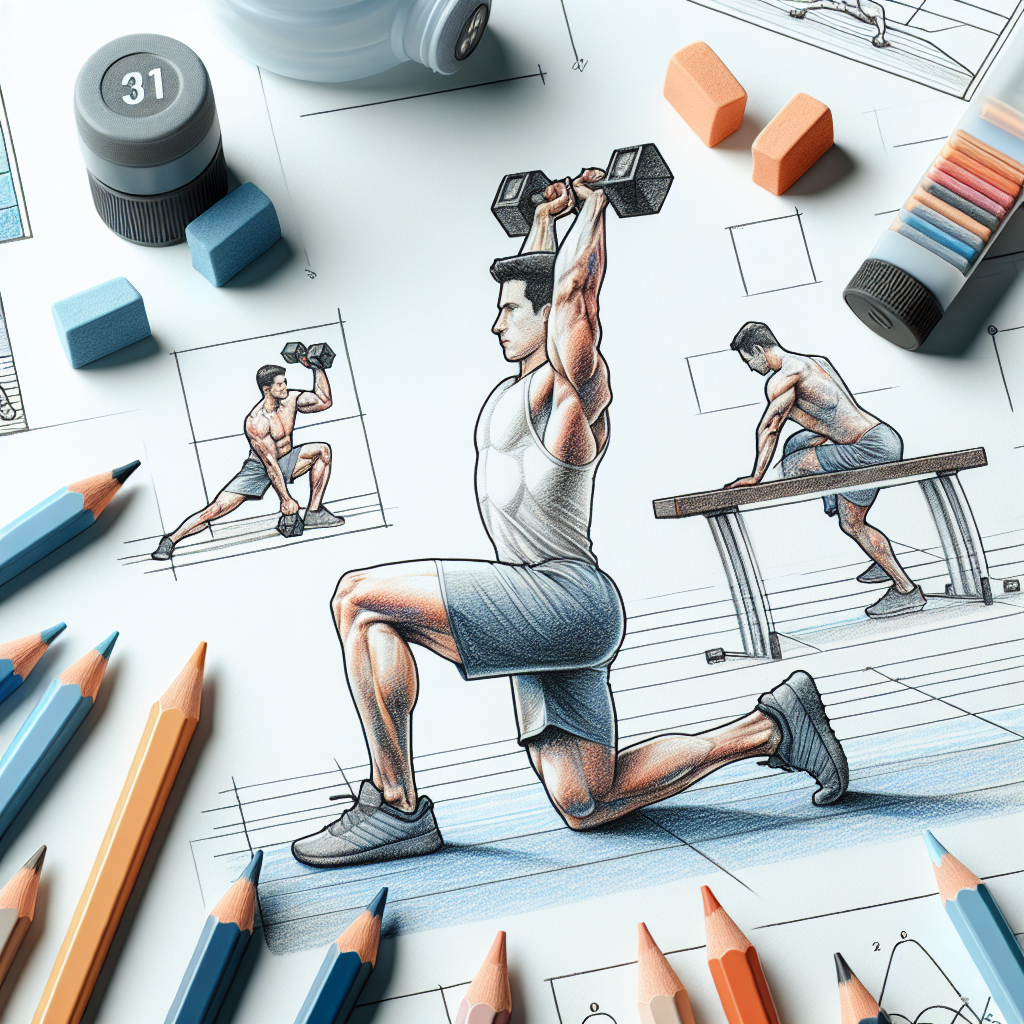
In today’s fast-paced world, finding time to exercise can be challenging. Fortunately, strength training does not require specialized equipment or a gym membership. This article will guide you through effective bodyweight exercises that can enhance muscle strength and overall fitness from the comfort of your own home. By incorporating just a few minutes of focused effort each day, you can achieve significant results. To assist you further, we invite you to register for a free 30-day exercise program that allows you to work out for just 6 minutes daily, yet attain results comparable to those from conventional gym routines: Register here.
- Understanding Bodyweight Exercises
- Benefits of Strength Training Without Equipment
- Essential Bodyweight Exercises for Strength
- Practical Implementation of Exercises
- When to Consult a Professional
- Common Myths and Mistakes in Bodyweight Training
- Frequently Asked Questions
- Conclusion
Understanding Bodyweight Exercises
Bodyweight exercises are those that use an individual’s own weight as resistance. This form of training engages multiple muscle groups simultaneously and can improve strength, flexibility, and endurance without the necessity of weights or machines. Familiarizing yourself with these exercises is the first step to embarking on a rewarding fitness journey.
Benefits of Strength Training Without Equipment
Exercising without equipment offers several key advantages:
- Convenience: You can perform these exercises anywhere at any time.
- Cost-effective: No need for gym memberships or expensive gear.
- Customizable: Exercises can be adjusted to any fitness level.
- Functional strength: Builds strength applicable to everyday activities.
Essential Bodyweight Exercises for Strength
Below is a selection of fundamental bodyweight exercises that will enhance your strength:
- Push-ups: Target the chest, shoulders, and triceps.
- Squats: Strengthen the legs and core.
- Planks: Focus on core stability and endurance.
- Lunges: Engage multiple lower body muscles.
- Burpees: Combine strength and cardiovascular training.
Practical Implementation of Exercises
To maximize the effectiveness of your workout routine, consider the following steps:
- Begin with a warm-up for 5-10 minutes (dynamic stretches or light cardio).
- Select 3-5 exercises from the list above.
- Perform each exercise for 30 seconds, resting for 15 seconds between each one.
- Repeat the circuit for 2-4 rounds, depending on your fitness level.
- Finish with a cool-down (static stretches focusing on all major muscle groups).
When to Consult a Professional
While bodyweight exercises are generally safe, certain situations warrant professional guidance. Consider seeking help if:
- You experience persistent pain during or after workouts.
- You have a pre-existing medical condition that may be affected by physical activity.
- You are unsure about proper form and technique.
- You have specific fitness goals that require personalized training programs.
Common Myths and Mistakes in Bodyweight Training
Many misconceptions surround bodyweight exercises that can lead to ineffective workouts:
- Myth: Bodyweight exercises are easy. Reality: They can be challenging and highly effective when done correctly.
- Myth: Only beginners should use bodyweight exercises. Reality: They can be beneficial for individuals at any fitness level.
- Myth: You cannot build significant muscle with bodyweight alone. Reality: Progressive variations can be used to increase difficulty and promote growth.
Frequently Asked Questions
Can bodyweight exercises help build muscle?
Yes, bodyweight exercises can build muscle by using your body weight as resistance and through progressive overload.
How often should I do bodyweight exercises?
Aiming for 2-4 times per week is generally effective, depending on your fitness goals and recovery time.
Are bodyweight exercises suitable for weight loss?
Yes, they can be part of an effective weight loss routine, especially when combined with cardiovascular activities and a healthy diet.
Do I need a warm-up before bodyweight exercises?
Yes, a proper warm-up helps prepare the muscles and joints, reducing the risk of injury.
Can I do bodyweight exercises with injuries?
It depends on the nature of the injury. Consulting with a healthcare professional is advisable before continuing exercise.
How can I increase the intensity of bodyweight exercises?
Increasing intensity can be achieved through adding more repetitions, shortening rest periods, or incorporating advanced variations of exercises.
Conclusion
In summary:
- Bodyweight exercises provide an accessible and effective way to build strength.
- They offer numerous benefits, including convenience and cost-effectiveness.
- Incorporating a variety of exercises will ensure a well-rounded workout.
- Consult a professional if you encounter pain or have specific health concerns.
- Be mindful of common myths to optimize your training routine.
To kickstart your journey towards enhanced fitness, consider engaging in a quick and effective routine. We encourage you to take advantage of our free 30-day exercise program, where you invest just 6 minutes daily for remarkable results: Register here.
Author: John Angel