
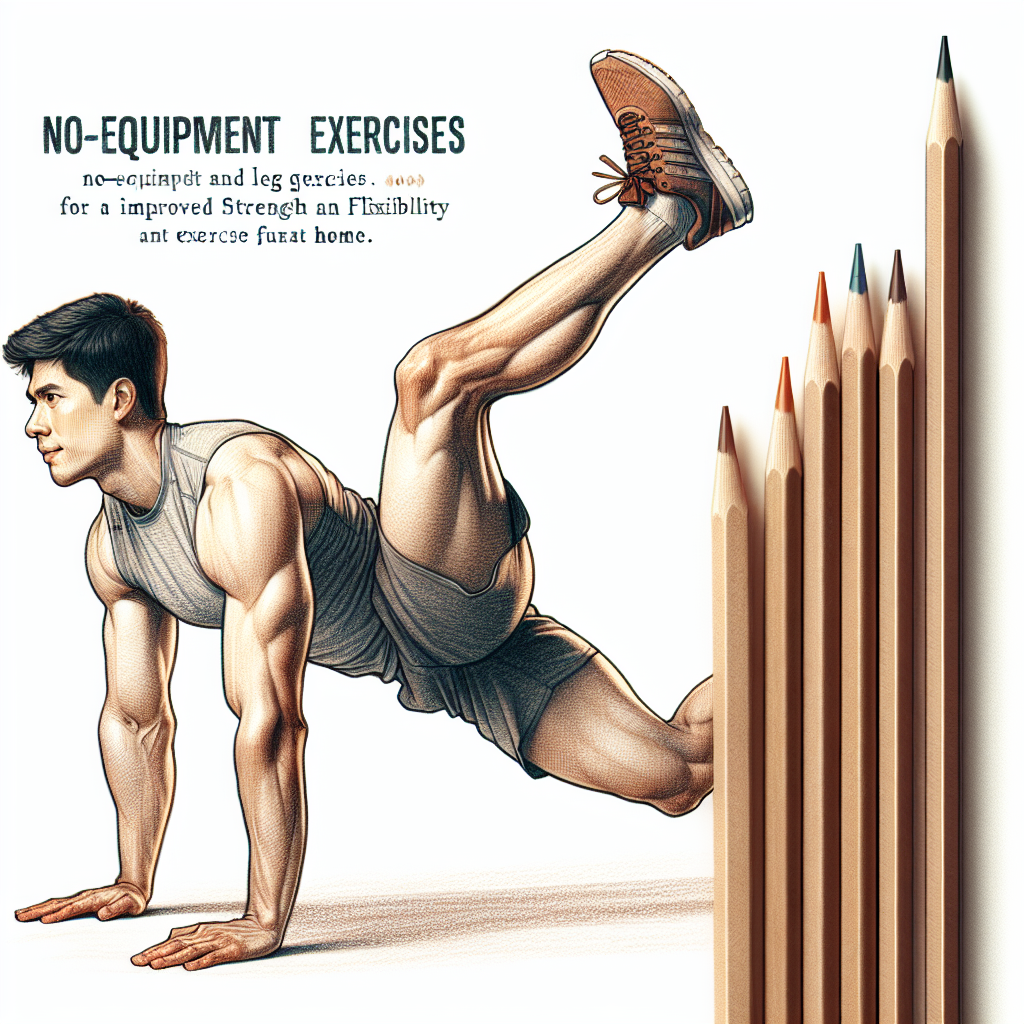
Leg Exercises Without Equipment: Strengthening Your Foundation
In today’s fast-paced world, finding time to exercise can pose a challenge, particularly when access to equipment is limited. However, leg exercises that require no equipment can effectively support muscle strength, flexibility, and overall fitness. By utilizing your body weight and gravity, you can develop stronger legs at home or in any environment. This article will guide you through a variety of effective leg exercises, highlight the benefits of each, and provide essential tips for maintaining proper form.
- Introduction
- Benefits of Leg Exercises
- Effective No-Equipment Leg Exercises
- Practical Steps to Implement
- Consulting a Professional: When to Seek Help
- Myths and Misconceptions About Leg Workouts
- Frequently Asked Questions
- Conclusion
Benefits of Leg Exercises
The legs comprise some of the largest muscle groups in the body, including the quadriceps, hamstrings, glutes, and calves. Engaging in leg exercises offers a multitude of benefits, including:
- Improved Strength: Enhancing leg strength supports better performance in various activities, from walking to running.
- Increased Stability: Strong legs contribute to overall body stability, reducing the risk of falls and injuries.
- Enhanced Flexibility: Stretching and strengthening the legs promotes better flexibility and range of motion.
- Caloric Burn: Leg workouts can elevate your heart rate and contribute to weight management and fat loss.
- Convenience: No equipment is necessary, making these exercises accessible anywhere, anytime.
Effective No-Equipment Leg Exercises
This section elaborates on a selection of leg exercises you can perform without any equipment. Each exercise targets various muscles within the legs.
1. Squats
Squats are fundamental exercises that engage the quadriceps, hamstrings, and glutes.
2. Lunges
Lunges are excellent for targeting the glutes, hamstrings, and quadriceps, while also improving balance.
3. Calf Raises
Calf raises focus on the calf muscles, promoting strength in the lower legs.
4. Glute Bridges
This exercise primarily engages the glutes and can improve hip flexibility and strength.
5. Step-Ups
Step-ups can be performed on any stable surface, working the quadriceps and glutes.
Practical Steps to Implement
To maximize the effectiveness of your leg workouts, consider following this structured approach:
- Warm-Up: Spend 5-10 minutes warming up with dynamic stretches or light cardio to prepare your muscles.
- Exercise Routine: Perform each exercise for 3 sets of 10-20 repetitions, depending on your fitness level. Take a 30-second rest between sets.
- Cool Down: Conclude your workout with static stretches focusing on the quadriceps, hamstrings, calves, and glutes to promote recovery.
- For a comprehensive program that requires just 6 minutes per day, consider registering for a free 30-day exercise program here.
Consulting a Professional: When to Seek Help
While exercising is beneficial, certain signs warrant professional consultation. Seek help from a qualified fitness trainer or healthcare professional if you experience:
- Persistent pain during exercise.
- Dizziness or extreme fatigue.
- Swelling or discomfort in your legs.
- Difficulty performing daily activities.
Myths and Misconceptions About Leg Workouts
Several misconceptions surround leg exercises that can deter individuals from engaging effectively. Here are a few common myths:
- Myth 1: Leg workouts lead to bulky legs. Truth: Strength training, combined with appropriate nutrition, can create toned rather than bulky muscles.
- Myth 2: Only gym workouts are effective for the legs. Truth: Bodyweight exercises can be equally effective in building strength and endurance.
- Myth 3: You should feel pain to see results. Truth: Discomfort can signal poor form or overexertion; focus on proper technique instead.
Frequently Asked Questions
What are some quick leg workouts that require no equipment?
Squats, lunges, calf raises, glute bridges, and step-ups are ideal for quick, effective leg workouts without equipment.
How often should I do leg exercises?
For best results, aim to perform leg workouts 2-3 times per week, allowing at least a day of rest between sessions.
Can I lose weight by performing leg exercises at home?
Yes, bodyweight leg exercises can support weight loss, especially when combined with a balanced diet and regular exercise.
What if I don’t feel any muscle fatigue during leg workouts?
Consider increasing repetitions, maintaining proper form, or adding variations to your exercises to effectively challenge your muscles.
Are leg exercises suitable for beginners?
Absolutely. Many leg exercises can be modified for all skill levels, allowing beginners to start safely and progressively increase intensity.
How can I improve my form during leg exercises?
Focus on maintaining proper posture, engaging your core, and moving through your full range of motion. Observing yourself in a mirror or asking for feedback can also help.
Conclusion
- Leg exercises without equipment are accessible and effective for all fitness levels.
- Strengthening the legs supports enhanced stability, flexibility, and overall fitness.
- Establishing a structured routine maximizes the benefits achieved through bodyweight exercises.
- Consulting a professional is advisable if persistent pain or discomfort arises during workouts.
- Addressing myths surrounding leg workouts encourages a more informed approach to fitness.
Embark on your leg workout journey today. Explore a 30-day exercise program requiring just 6 minutes each day to build strength and endurance effectively. Start your journey here!
Author: John Angel