
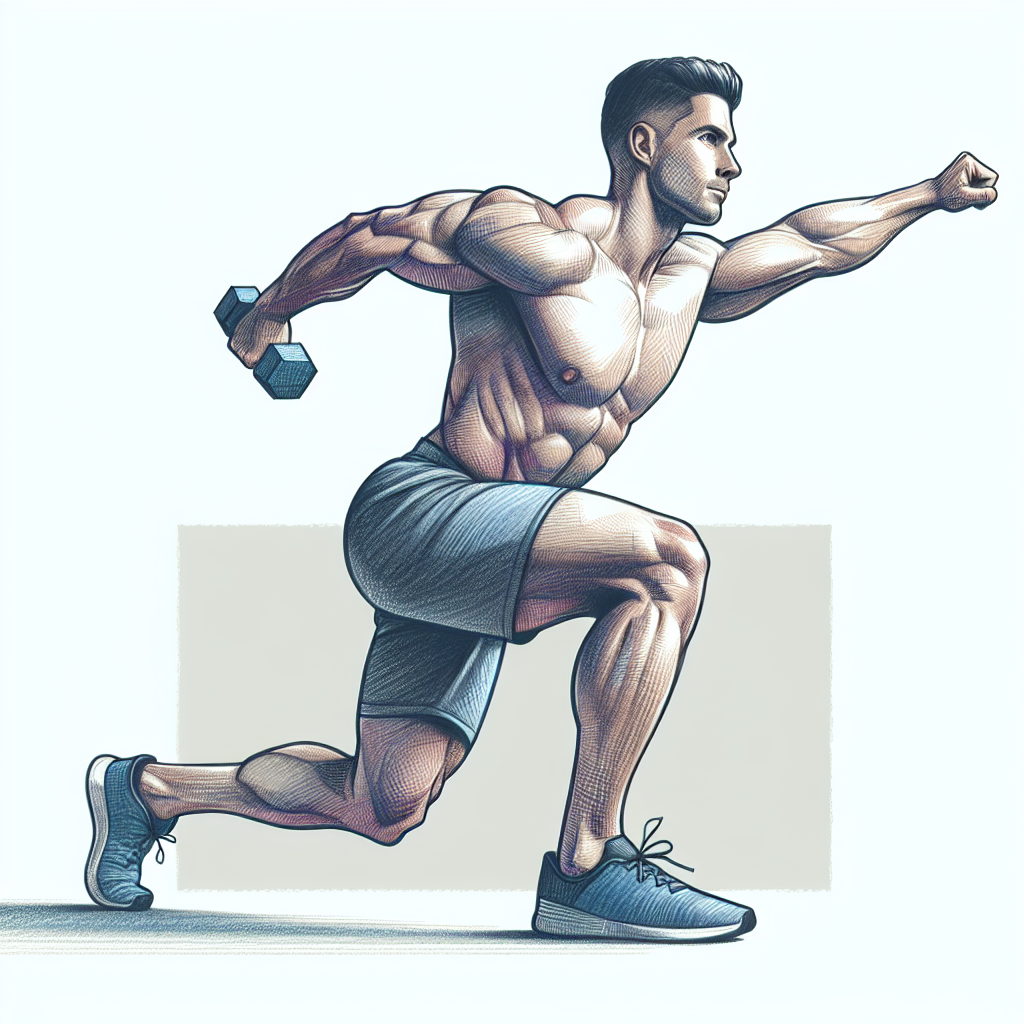
Strength Training at Home Without Equipment
Strength training is a vital component of personal fitness, proving essential for muscle building, weight management, and overall health. The great news is, you don’t need a gym or expensive equipment to get started. Strength training at home, utilizing just your body weight, can be incredibly effective. By dedicating a mere six minutes each day, you can achieve results equivalent to traditional gym workouts. If you’re curious about a simple program, consider registering for a 30-day exercise program designed for busy individuals.
- Understanding Bodyweight Exercises
- Key Benefits of Home Strength Training
- Practical Steps to Start
- Common Misconceptions
- When to Seek Professional Guidance
- Frequently Asked Questions
Understanding Bodyweight Exercises
Bodyweight exercises utilize your own weight as resistance to build strength and endurance. Common examples include push-ups, squats, lunges, and planks. These movements are not merely alternatives to weights; they target multiple muscle groups, promote stability, and enhance functional fitness. The beauty of bodyweight exercises lies in their versatility; they can be modified to cater to different fitness levels, making them accessible for beginners and challenging for more advanced individuals.
Key Benefits of Home Strength Training
Engaging in strength training at home offers numerous advantages:
- Cost-Effective: Eliminates the need for gym memberships or equipment purchases.
- Convenience: Exercise on your schedule without the need to travel to a gym.
- Time-Efficient: Short, effective workouts can fit into even the busiest of days.
- Enhanced Flexibility: Choose your workout location and time, making it easier to stick to a routine.
- Improved Confidence: Build strength in the comfort of your own home.
Practical Steps to Start
To embark on your at-home strength training journey, follow these actionable steps:
- Set Clear Goals: Determine what you wish to achieve—whether it’s muscle gain, weight loss, or overall fitness.
- Develop a Schedule: Allocate specific days and times to ensure consistency and dedication.
- Choose Your Exercises: Incorporate a variety of bodyweight exercises such as:
- Push-ups
- Squats
- Lunges
- Planks
- Burpees
When to Seek Professional Guidance
While home strength training can yield excellent results, there are instances where consultation with a qualified professional is advisable:
- If you experience persistent pain or discomfort during exercises.
- When you are recovering from an injury or have a pre-existing health condition.
- To ensure correct form and technique, especially if you are new to strength training.
- If you aim to advance your training routine and want tailored advice.
Common Misconceptions About Bodyweight Training
Despite the growing popularity of bodyweight exercises, several myths persist, potentially hindering individuals from harnessing their benefits:
- Myth 1: Bodyweight exercises are only for beginners. Fact: They can be adapted for any fitness level.
- Myth 2: Bodyweight training is less effective than weightlifting. Fact: It builds muscle and improves functional strength.
- Myth 3: You need to spend hours exercising to see results. Fact: Short, high-intensity workouts can be equally effective.
- Myth 4: Only cardio helps with weight loss. Fact: Strength training boosts metabolism, aiding in weight management.
Frequently Asked Questions
How often should I do bodyweight exercises?
It is recommended to perform strength training exercises at least two to three times a week for optimal results.
Are bodyweight exercises enough for muscle building?
Yes, bodyweight exercises can effectively build muscle, especially when performed in varied movements and intensities.
What are the best bodyweight exercises for beginners?
Push-ups, bodyweight squats, lunges, and planks are excellent starting points for beginners.
Can I combine bodyweight training with cardio?
Absolutely! Combining both forms of exercise can enhance overall fitness and accelerate weight loss.
How long should I rest between sets?
Aresting period of 30 to 60 seconds between sets is generally effective for maintaining intensity.
Do I need to warm up before starting strength training?
Yes, warming up before your workout is essential to prevent injuries and prepare your muscles for the activities ahead.
Conclusion
- Strength training at home is both effective and accessible.
- Bodyweight exercises help build muscle, improve endurance, and enhance functional fitness.
- Consistency and gradual progression are key to achieving desired results.
- Consult a professional if you encounter pain or seek advanced techniques.
- Debunking myths surrounding bodyweight training can encourage more people to start their fitness journey.
Now is the perfect time to begin your home strength training journey. With just a few dedicated minutes each day, you can build strength and enhance your overall well-being. Consider signing up for the 30-day exercise program for a structured approach that fits into your life.
Author: John Angel