Categories
Weight Loss

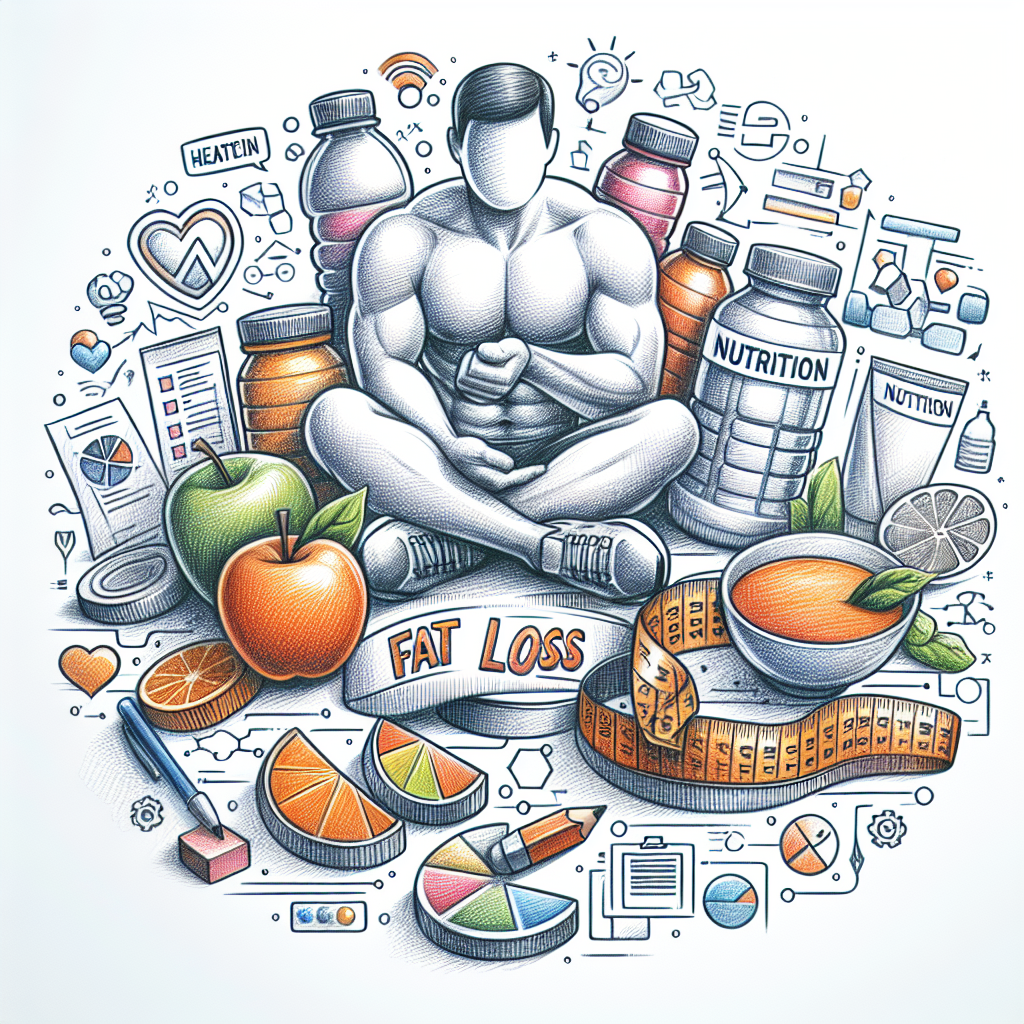
Effective Fat Loss Diet Strategies for Sustainable Weight Loss

Fat Loss Diet: Your Pathway to a Successful Weight Loss Journey

Embarking on a weight loss journey can be both daunting and exhilarating. Understanding how to effectively manage your dietary habits plays a pivotal role in achieving your fat loss goals. This article will illuminate the essentials of a fat loss diet, emphasizing practical advice for everyday living. Additionally, we will explore the benefits of short, efficient workouts from home and guide you towards a sustainable transformation.

  • Understanding the Fundamentals of a Fat Loss Diet
  • Key Vitamins and Minerals for Weight Loss
  • Developing a Meal Plan
  • Incorporating Short Workouts into Your Routine
  • Common Myths and Misconceptions
  • When to Consult a Professional
  • FAQ

Understanding the Fundamentals of a Fat Loss Diet

A fat loss diet is not merely about deprivation; it emphasizes nutrient density and balances caloric intake with expenditure. Focus on whole foods, such as fruits, vegetables, whole grains, lean proteins, and healthy fats. These foods can help regulate hunger and provide essential nutrients that your body needs for overall health.

Caloric Deficit Explained

The principle behind fat loss is fairly straightforward: consume fewer calories than you burn. This caloric deficit forces the body to utilize stored fat for energy, resulting in weight loss. However, it’s important to strike a balance; overly restrictive diets can lead to nutritional deficiencies and are often unsustainable.

Key Vitamins and Minerals for Weight Loss

Vitamins and minerals serve as catalysts for metabolic functions and energy production. Here are some essential nutrients to include in your diet:

  • Vitamin D: Supports fat metabolism and bone health.
  • Calcium: Linked to fat breakdown and may help regulate weight.
  • Zinc: Important for immune function and may assist in appetite regulation.
  • B Vitamins: Crucial for energy production and may improve metabolic rates.

Developing a Meal Plan

A structured meal plan simplifies the fat loss process and keeps you accountable. When developing your plan, consider the following steps:

  1. Determine your daily caloric needs using an online calculator.
  2. Set goals for macronutrient distribution (proteins, fats, carbohydrates).
  3. Plan meals and snacks that incorporate whole food options.
  4. Prep meals in advance to ensure adherence to your plan.
  5. Adjust as necessary based on progress and personal feedback.

Incorporating Short Workouts into Your Routine

It is often underestimated, but the magic of six-minute short workouts at home lies in their ability to be seamlessly integrated into a busy schedule. These high-intensity sessions can elevate your heart rate, burn calories, and improve overall fitness.

Here are some benefits of short workouts:

  • Time Efficiency: They fit into even the busiest of days.
  • Increased Metabolism: Stimulates the afterburn effect, leading to continued calorie burning post-exercise.
  • No Equipment Necessary: Many exercises can be done using body weight.
  • Enhanced Mood: Endorphin release contributes to an improved mental state.

To kickstart your fitness journey, consider registering for the 30-day free SixPack workout program, designed to maximize efficiency and effectiveness.

Common Myths and Misconceptions

Understanding common misconceptions can help flatten the learning curve in your weight loss journey:

  • Myth: Carbs are the enemy. Carbohydrates are essential for energy; opt for whole grains.
  • Myth: Skipping meals aids in weight loss. It can lead to overeating later; consistent meals are key.
  • Myth: Supplements replace a healthy diet. Whole foods provide a nutrient-rich foundation that supplements cannot.

When to Consult a Professional

While embarking on your fat loss journey, it’s vital to recognize when you should seek advice from a qualified professional. Consider consulting a healthcare provider if:

  • You experience drastic weight changes in a short period.
  • You have underlying health conditions affecting your diet.
  • Your weight loss efforts are accompanied by feelings of anxiety or depression.
  • You are uncertain about dietary supplements or medications.

FAQ

What is the best diet for fat loss?

A balanced diet rich in whole foods and a caloric deficit usually yields the best results for fat loss.

Can I lose weight without exercising?

While exercise is beneficial, weight loss can primarily be achieved through diet by creating a caloric deficit.

How fast can I expect to see results?

Results vary per individual; however, a healthy rate is typically 1-2 pounds per week.

Are fad diets effective for weight loss?

Most fad diets provide short-term results but can be unsustainable and unhealthy long-term.

How does hydration affect weight loss?

Staying hydrated aids in metabolic processes and can help control hunger.

Is it necessary to count calories?

While calorie counting is useful for some, many find success through portion control and mindful eating.

Conclusion

  • Understanding the fundamentals of a fat loss diet helps in creating a sustainable plan.
  • Incorporating key vitamins and minerals enhances metabolic efficiency.
  • A structured meal plan aids in accountability and clarity.
  • Short, intense workouts prove to be time-efficient and impactful.
  • Consulting professionals when necessary ensures safety and effectiveness in your weight loss journey.

As you embark on your journey, remember that progress takes time and patience. Every small step counts. Consider starting today with the motivating 30-day free SixPack workout program and embrace your transformative process.

Author: John Angel

Related articles

Categories
Fitness

Effective Workout Plans for Fat Loss and Health

Workout Plans for Fat Loss

Embarking on a weight loss journey can be a formidable challenge, especially when it comes to creating an effective workout plan for fat loss. The right strategy not only enhances your physical appearance but also promotes better health and overall well-being. This article will explore various workout plans tailored for fat loss, including the innovative approach of six-minute short workouts at home, which provide remarkable benefits even in a constrained schedule.

  • Understanding Fat Loss and Exercise
  • The Magic of Six-Minute Workouts
  • Types of Effective Workout Plans
  • Creating a Personalized Workout Plan
  • Common Myths and Misconceptions
  • When to Consult a Professional
  • Frequently Asked Questions

Understanding Fat Loss and Exercise

Fat loss is a multifaceted process largely driven by the combination of a balanced diet and regular physical activity. While caloric deficit remains essential—burning more calories than you consume—exercise plays a critical role in increasing metabolism and building muscle. As you engage in different forms of exercise, understanding how they contribute to fat loss can help you make informed decisions about your workout program.

The Magic of Six-Minute Workouts

Imagine transforming your day with just six minutes of focused effort. The allure of six-minute workouts lies in their efficiency; they are designed to elevate your heart rate, increase calorie burn, and strengthen muscles, all within a short timeframe. These workouts integrate High-Intensity Interval Training (HIIT) principles, which involve brief bursts of intense activity followed by short recovery periods.

The benefits extend beyond mere fat loss. Regularly incorporating these brief exercises can:

  • Boost energy levels throughout the day.
  • Enhance mood and cognitive function.
  • Improve cardiovascular health.
  • Offer flexibility in scheduling, accommodating even the busiest lifestyles.

To experience the transformative effects of these workouts, consider registering for the SixPack workout program for 30 days for free and unlock your potential for sustainable fat loss.

Types of Effective Workout Plans

Alleviating fat requires a diverse array of workout plans. Below are some effective strategies:

1. Resistance Training

Incorporating weights, resistance bands, or body-weight exercises builds muscle mass, which in turn increases resting metabolic rate. Resistance training enhances body composition and strengthens bones.

2. Cardio Workouts

Cardiovascular exercises such as running, cycling, and swimming elevate heart rate and aid in fat burning. These amplitude workouts should be integrated into your regimen at least three times a week.

3. HIIT

High-Intensity Interval Training alternates between intense activity and rest periods. It maximizes calorie burn in shorter durations, making it suitable for those with limited time.

4. Flexibility and Mobility

Integrating yoga or stretching routines improves mobility, decreases injury risk, and promotes recovery. It’s an essential aspect that supports all forms of exercise.

Creating a Personalized Workout Plan

Developing a customized workout plan ensures maximum effectiveness in your fat loss journey. Here are steps to consider:

  1. Assess Your Fitness Level: Understanding where you currently stand will help set realistic goals.
  2. Define Your Goals: Are you looking to lose weight, gain muscle, or improve endurance?
  3. Choose the Right Mix of Exercises: Incorporate a balance of resistance training, cardio, HIIT, and flexibility work.
  4. Schedule Your Workouts: Designate specific days and times each week to stay committed.
  5. Track Your Progress: Documenting workouts and results motivates improvements and adjustments.

Common Myths and Misconceptions

As you navigate your weight loss journey, it’s crucial to debunk prevalent myths that may hinder your progress:

Myth 1: You must exercise for hours to see results.

Short, intense workouts can be just as effective when structured properly.

Myth 2: Cardio is the only way to lose fat.

Resistance training also plays a vital role in fat loss by building muscles.

Myth 3: You can target fat loss in specific body areas.

Fat loss occurs throughout the body as you maintain a caloric deficit, not just in targeted areas.

Myth 4: Skipping meals will aid fat loss.

Skipping meals can slow metabolism and lead to overeating; it’s essential to maintain a balanced diet.

When to Consult a Professional

Although embarking on a fat loss journey is commendable, certain situations warrant the attention of a healthcare professional:

  • Persistent fatigue or loss of energy.
  • Unexplained weight fluctuations.
  • Injuries or chronic pain exacerbated by exercise.
  • Medical conditions affecting metabolism or weight (e.g., thyroid disorders).
  • Severe emotional distress or disordered eating patterns.

Frequently Asked Questions

What type of exercise is most effective for fat loss?

A combination of resistance training and high-intensity cardio is typically most effective, alongside a balanced diet.

How often should I work out for fat loss?

Aim for at least 150 minutes of moderate exercise or 75 minutes of vigorous exercise each week, plus strength training on two or more days.

Can I lose weight without exercising?

While weight loss is possible through diet alone, combining exercise with a balanced diet enhances results.

Are six-minute workouts effective for fat loss?

Yes, they can be an effective component of a fat loss strategy when performed with high intensity and consistency.

What should be my diet while exercising for fat loss?

Focus on whole foods, lean proteins, healthy fats, and plenty of fruits and vegetables while maintaining a caloric deficit.

What is the role of hydration in fat loss?

Staying well-hydrated is crucial for metabolism, appetite control, and overall health during fat loss efforts.

Conclusion

  • Fat loss requires a blend of exercise and a balanced diet.
  • Six-minute workouts can be effective for those with limited time.
  • Incorporate a mix of resistance training, cardio, and flexibility exercises.
  • Address common myths to stay focused on real strategies.
  • Consult a healthcare professional when health concerns arise.

With the right planning and dedication, achieving your weight loss goals is within reach. Consider trying the SixPack workout program for 30 days for free to start your journey today!

Author: John Angel

Related articles

Categories
Weight Loss

Effective Strategies for a Successful Fat Loss Challenge

Embarking on a fat loss challenge can be a transformative experience, enhancing both physical well-being and mental resilience. In today’s fast-paced world, incorporating effective methods for weight loss is essential, especially for those seeking to navigate their weight loss journey with ease. This article delves into the power of six-minute workouts that can be done at home, offering clear benefits suited for the daily routines of busy individuals.

  • Introduction
  • The Six-Minute Miracle
  • Strategies for Success in Your Weight Loss Journey
  • Understanding Your Body’s Needs
  • Common Misconceptions about Weight Loss
  • When to Consult a Professional
  • Frequently Asked Questions
  • Conclusion

The Six-Minute Miracle

Short workouts, particularly those that last just six minutes, may seem minimal on the surface, but they hold incredible potential. These brief yet intense sessions can elevate heart rates, boost metabolism, and enhance post-exercise calorie burn—all within the comfort of your home. The magic lies in their simplicity and flexibility, making it easier for individuals to incorporate physical activity into their daily lives, regardless of time constraints.

Strategies for Success in Your Weight Loss Journey

Participation in a structured program such as the SixPack workout program can facilitate your weight loss journey through guided training. Here are some effective strategies:

  • Set Specific Goals: Define clear, attainable objectives that serve as milestones throughout your journey.
  • Create a Routine: Establish a consistent schedule for your workouts and meal prep, reinforcing healthy habits over time.
  • Nutrition Awareness: Pay attention to your dietary choices, integrating more whole foods and reducing processed options.
  • Embrace Flexibility: Understand that a successful weight loss journey may require adjustments; adapt your routines and goals as necessary.
  • Monitor Your Progress: Keep track of your workouts, meals, and changes in your body, allowing for motivation and awareness of successes.

Understanding Your Body’s Needs

Everyone’s body responds differently to exercise and diet changes, making it essential to listen to your individual needs. Key considerations include:

  • Stay Hydrated: Water plays a crucial role in metabolic processes and can help control hunger.
  • Rest and Recovery: Adequate rest is vital for muscle recovery and overall health, reinforcing your weight loss efforts.
  • Mindful Eating: Pay attention to what you eat and how much, fostering a healthier relationship with food.

Common Misconceptions about Weight Loss

Addressing myths can clear confusion surrounding effective dieting and exercising. Here are some prevalent misconceptions:

  • Myth: ‘All calories are created equal.’ Truth: The source of calories matters; nutrient-dense foods provide better satiety and energy.
  • Myth: ‘You can spot-reduce fat.’ Truth: Overall body fat reduction through consistent exercise and diet is the most effective method.
  • Myth: ‘Short workouts are ineffective.’ Truth: Six-minute workouts can produce significant results when done consistently and at a high intensity.

When to Consult a Professional

Although many individuals can successfully manage a weight loss journey independently, certain signs indicate the need for professional guidance:

  • If you experience pain or discomfort during workouts.
  • Should your weight loss plateau or cause excessive fatigue.
  • When struggling with emotional issues related to food and body image.
  • If faced with underlying health conditions, consult a healthcare provider before initiating a significant lifestyle change.

Frequently Asked Questions

How often should I do six-minute workouts?

Aiming for at least five times a week can be beneficial, enhancing cardiovascular fitness and enhancing fat loss.

Can six-minute workouts really help me lose weight?

Yes, when paired with a balanced diet and consistent training, these short workouts can contribute significantly to fat loss.

What equipment do I need for the SixPack workout program?

Most exercises can be completed with body weight, but optional equipment such as dumbbells or resistance bands may enhance your workout.

How do I stay motivated during my fat loss challenge?

Setting achievable goals, tracking progress, and surrounding yourself with supportive individuals can help maintain your motivation.

Is it necessary to follow a specific diet while losing weight?

While it’s not mandatory, following a balanced and nutritious diet can substantially enhance results and promote overall health.

Can I join the program if I am a beginner?

Absolutely! The program accommodates all fitness levels, providing guidance to help beginners succeed.

Conclusion

  • Six-minute workouts offer a simple yet powerful approach to fat loss.
  • Navigating your weight loss journey requires specific, achievable goals.
  • Understanding and addressing personal needs through nutrition and hydration is vital.
  • Clearing up misconceptions surrounding weight loss can lead to more successful strategies.
  • Consulting a professional is crucial when faced with health concerns or plateauing progress.

Take the first step in transforming your fitness routine today by exploring the SixPack workout program, designed to elevate your workout experience and support your weight loss journey effortlessly!

Author: John Angel

Related articles

Categories
Fitness

30-Day Fat Burning Workout Plan for Effective Weight Loss

If you are looking for an effective way to embark on your weight loss journey, a structured 30-day fat-burning workout can be transformative. By committing to just six-minute workouts at home, you can ignite your metabolism, boost your energy levels, and achieve significant physical benefits with minimal time investment. This guide will explore the magic of these short workouts, the impact they can have on your daily routine, and the essential steps to get started.

  • Understanding the Science Behind Short Workouts
  • The 30-Day Workout Plan
  • Benefits of a Home Workout Approach
  • Common Myths and Misconceptions
  • When to Consult a Professional
  • FAQ
  • Conclusion

Understanding the Science Behind Short Workouts

Short, intense bursts of exercise, such as six-minute workouts, activate your body’s natural fat-burning processes. High-Intensity Interval Training (HIIT) has proven to be efficient in burning calories and fat in shorter durations compared to traditional workouts. This approach not only saves time but also enhances cardiovascular fitness and improves muscle strength, making it ideal for those with busy schedules.

The 30-Day Workout Plan

The following plan outlines a simple yet effective method for integrating six-minute workouts into your daily routine. Each session can be performed at home with minimal or no equipment.

  1. Warm-Up (1 minute): Engage in dynamic stretching to prepare your muscles.
  2. Workout (6 minutes):
    • 30 seconds of jumping jacks
    • 30 seconds of push-ups
    • 30 seconds of squats
    • 30 seconds of burpees
    • Repeat the circuit twice.
  3. Cool Down (1 minute): Stretch and focus on breathing to bring your heart rate down.

Repeat this plan daily for a month, progressively increasing the intensity as your fitness improves. To support your journey, consider registering for the SixPack workout program for 30 days for free, which offers guided sessions to maximize your results.

Benefits of a Home Workout Approach

Choosing home workouts, particularly short-duration sessions, offers numerous advantages:

  • Flexibility: Workouts can be done at any time that suits your schedule, ensuring consistency.
  • Accessibility: No need for a gym membership or expensive equipment.
  • Comfort: Familiar environment allows you to focus without distractions.
  • Community Support: Online programs often provide a community atmosphere for motivation and accountability.

Common Myths and Misconceptions

As with any fitness plan, misunderstandings can hinder progress. Here are some myths surrounding short workouts:

  • Myth 1: Short workouts are not effective.
  • Myth 2: You need long sessions to see results.
  • Myth 3: Only cardio burns fat effectively.

Short, high-intensity workouts have been shown to produce comparable results to longer exercises, provided that the intensity is adequately high.

When to Consult a Professional

While short workouts can benefit many individuals, certain conditions may warrant professional guidance:

  • Pre-existing health conditions (e.g., cardiovascular disease, joint issues).
  • New to exercise after a long hiatus or significant weight gain.
  • Experiencing persistent pain or discomfort during workouts.

Consulting a healthcare provider or fitness professional can provide personalized advice and make your weight loss journey safer and more effective.

FAQ

What results can I expect in 30 days?

Many individuals may experience improved endurance, enhanced muscle tone, and some weight loss, depending on diet and consistency.

Is it necessary to follow a specific diet during this program?

While not mandatory, a balanced diet rich in whole foods will optimize your results.

Can beginners participate?

Absolutely! The six-minute workouts can be adjusted to any fitness level, allowing beginners to ease into exercise.

How many days a week should I commit to this plan?

It is advisable to work out at least 5 days a week for optimal results, with rest days interspersed to allow recovery.

What if I miss a day?

Do not be discouraged. Simply continue with the program the next day without trying to “catch up.” Consistency is key.

What if I have limited space at home?

Many exercises can be performed in small spaces. Adjust movements to suit your environment, focusing on body-weight exercises.

Conclusion

  • Short workouts are effective for burning fat in minimal time.
  • Home workouts offer flexibility, accessibility, and comfort.
  • Consult professionals if pre-existing health issues exist.
  • Myths surrounding short workouts can deter progress; focus on intensity.
  • Consistent, focused training can yield positive results within 30 days.

Start your journey today by integrating six-minute workouts into your routine. For structured guidance, consider registering for the SixPack workout program for 30 days for free and unlock the full potential of your fitness efforts.

Author: John Angel

Related articles

Categories
Weight Loss

Comprehensive Guide to the Best Diet for Fat Loss

The Best Diet for Fat Loss: A Comprehensive Guide

Embarking on a weight loss journey can be both exciting and challenging. However, the right diet can significantly enhance fat loss, leading to improved health and well-being. This article delves into the optimal dietary approach for shedding excess fat while maintaining energy levels, ensuring that the process is sustainable and enjoyable.

  • Understanding Fat Loss
  • Key Principles of a Successful Diet
  • The Magic of Six-Minute Short Workouts
  • Practical Steps for Implementing a Fat Loss Diet
  • Consulting a Professional: When and Why
  • Common Myths and Mistakes in Dieting
  • Frequently Asked Questions

Understanding Fat Loss

Fat loss is a multifaceted process that involves more than simply consuming fewer calories. It requires a balanced approach wherein macronutrients, hydration, and meal timing coalesce to enhance metabolic health. A successful fat loss diet not only focuses on calorie restriction but also emphasizes nutrient density, ensuring your body receives essential vitamins and minerals.

Why Calories Matter

While it is crucial to consume fewer calories than you expend, quality matters. Empty calories from sugar and processed foods can lead to weight gain, while nutrient-rich foods provide energy and essential nutrients. Understanding the caloric needs specific to your body type, age, and activity level is fundamental for effective weight management.

Key Principles of a Successful Diet

An effective fat loss diet is built upon several key principles:

  • Caloric Deficit: Aim to consume fewer calories than your body burns.
  • Macronutrient Balance: Include a mix of proteins, fats, and carbohydrates.
  • Whole Foods Focus: Prioritize whole grains, fruits, vegetables, and lean proteins over processed options.
  • Regular Meals: Maintain a consistent meal schedule to stabilize metabolism.
  • Stay Hydrated: Drink plenty of water to support metabolic processes.

The Magic of Six-Minute Short Workouts

Incorporating short, intense workouts into your routine offers remarkable benefits. The six-minute workout concept epitomizes efficiency and effectiveness, allowing individuals to maximize fitness gains within constrained time frames. These workouts can easily be performed at home, making them accessible for anyone regardless of their schedule.

Six-minute workouts stimulate metabolic activity, promote fat burning, and can be easily woven into a typical day, such as during breaks or even while watching television. Engaging in these quick sessions not only maintains physical health but also boosts mental well-being, providing a surge of endorphins to counter stress.

To experience these benefits, consider trying the SixPack workout program for 30 days at no cost. You can register for the program here and initiate your fitness transformation.

Practical Steps for Implementing a Fat Loss Diet

  • Assess Your Baseline: Determine your current caloric intake and expenditure to establish a caloric deficit.
  • Plan Your Meals: Prepare weekly meal plans that incorporate a variety of food groups.
  • Keep a Food Diary: Track your food intake to identify patterns and areas for improvement.
  • Incorporate Snacks: Opt for healthy snacks between meals to prevent hunger and sustain energy levels.
  • Monitor Progress: Regularly review your weight and adjust your diet and exercise as necessary.

Consulting a Professional: When and Why

While many individuals can successfully navigate their weight loss journey with self-guided strategies, certain circumstances necessitate professional consultation. If you experience:

  • Unexplained weight changes
  • Severe fatigue or illness
  • Eating disorders or unhealthy relationships with food
  • Medical conditions affecting your ability to lose weight
  • Difficulty adhering to weight loss strategies

Consulting a registered dietitian or healthcare provider can equip you with personalized strategies and insights for safe weight loss.

Common Myths and Mistakes in Dieting

In navigating the plethora of information surrounding diets, it is essential to clarify prevalent misconceptions:

  • Myth: Carbohydrates are the Enemy: While refined carbs can hinder weight loss, whole grains and fruits provide essential nutrients.
  • Myth: Skipping Meals is Effective: Meal skipping often leads to overeating later and does not support sustained weight loss.
  • Mistake: Focus on Fad Diets: Quick-fix diets may yield short-term results but are seldom sustainable long-term.
  • Myth: All Fats are Bad: Healthy fats are required for energy and overall health; focus on sources like avocados and nuts.

Frequently Asked Questions

What is the most effective diet for fat loss?

The most effective fat loss diet is one that combines a caloric deficit with whole foods, balanced macronutrients, and sustainable habits.

How much weight can I realistically lose in a month?

A safe and sustainable weight loss goal is about 1-2 pounds (0.45-0.9 kg) per week, translating to approximately 4-8 pounds (1.8-3.6 kg) per month.

Are carbs necessary for fat loss?

Yes, carbohydrates are essential for energy and overall health. Focus on high-quality, complex carbs rather than refined choices.

How important is hydration in weight loss?

Hydration plays a crucial role in metabolism and appetite regulation; aim for adequate water intake to support weight loss efforts.

Is strength training beneficial for fat loss?

Absolutely. Strength training builds muscle, which increases metabolic rate and enhances fat loss.

Can I rely on supplements for weight loss?

While some supplements may aid in weight loss, they should not replace a healthy diet and exercise. Consult a healthcare provider before starting any supplement regimen.

Conclusion

  • Embark on a structured and balanced diet focusing on whole foods.
  • Incorporate short workouts for efficiency and enhanced motivation.
  • Maintain hydration and monitor your progress for better outcomes.
  • Consult professionals when facing challenges or health concerns.
  • Stay educated and aware of common dieting myths to avoid pitfalls.

In your weight loss journey, remember that each step forward matters. For an engaging introduction to fitness, consider trying the SixPack workout program for 30 days at no cost. You can register for the program here and kickstart your journey.

Author: John Angel

Related articles

Categories
Weight Management

A Comprehensive Guide to Effective Body Fat Loss

Body fat loss is not merely about shedding pounds; it encompasses a holistic approach to transforming one’s lifestyle for improved health and well-being. Whether you are on your weight loss journey or seeking to enhance your physical fitness, understanding the factors influencing body fat can significantly impact your results. This article aims to clarify the principles of body fat loss, highlight the effectiveness of short workouts, and provide actionable steps to facilitate your journey.

  • Understanding Body Fat
  • The Role of Nutrition in Fat Loss
  • Benefits of Short Workouts at Home
  • Practical Steps to Initiate Fat Loss
  • When to Seek Professional Help
  • Myths about Body Fat Loss
  • FAQs
  • Conclusion

Understanding Body Fat

Body fat serves multiple functions, from energy storage to protecting vital organs. However, an excess of body fat, particularly visceral fat, poses severe health risks, including cardiovascular disease and diabetes. Understanding the types of body fat and how they influence overall health is critical for effective weight management. Essential fat, which is necessary for life and reproductive functions, differs from excess fat which can contribute to obesity-related health issues.

The Role of Nutrition in Fat Loss

Nutrition is a cornerstone of any weight loss strategy. A well-rounded diet rich in whole grains, lean proteins, fruits, and vegetables can expedite fat loss. It’s essential to focus on portion control and eliminate processed foods high in added sugars and unhealthy fats. Additionally, understanding energy balance—calories consumed versus calories expended—plays a vital role in achieving desired body composition.

Benefits of Short Workouts at Home

The magic of six-minute short workouts at home lies in their efficiency. Busy schedules often make it challenging to maintain a regular workout regime. With six-minute workouts, individuals can engage in high-intensity interval training (HIIT) that maximizes caloric expenditure in minimal time. Incorporating this form of exercise can lead to significant fat loss while enhancing cardiovascular health and muscle tone.

Moreover, short workouts are conveniently adaptable to various fitness levels and require little to no equipment, making them accessible for everyone. Discover the transformative experience of a focused workout routine by exploring the SixPack workout program for 30 days for free.

Practical Steps to Initiate Fat Loss

The following steps can guide you in kicking off your weight loss journey:

  1. Establish Clear Goals: Define achievable and specific weight loss objectives.
  2. Monitor Food Intake: Keep a food diary to understand eating patterns and caloric intake.
  3. Engage in Regular Exercise: Aim for at least 150 minutes of moderate aerobic activity weekly, complemented with strength training.
  4. Stay Hydrated: Drink plenty of water, which aids in digestion and can help manage hunger.
  5. Focus on Sleep: Aim for 7-9 hours of quality sleep per night to regulate hormones associated with appetite.

When to Seek Professional Help

If you find that despite your efforts, body fat loss is stagnant, or if you are experiencing significant emotional distress related to weight, it may be time to consult a registered dietitian or a healthcare professional. Additionally, if you have underlying health conditions such as diabetes or cardiovascular diseases, professional guidance is crucial in formulating a tailored plan that ensures safety and efficiency.

Myths about Body Fat Loss

Understanding prevalent misconceptions is vital in your weight loss journey. Here are some common myths that can hinder progress:

  • Myth: Carbs are the enemy. Reality: Carbohydrates are necessary for energy; focus on complex carbs rather than refined ones.
  • Myth: Rapid weight loss is the goal. Reality: Slow, sustainable weight loss is more effective and healthy.
  • Myth: Strength training will bulk you up. Reality: Proper strength training can help tone and define muscles while aiding fat loss.
  • Myth: You can spot reduce fat. Reality: Fat loss occurs evenly across the body and cannot be targeted by exercising specific areas.

FAQs

What is the healthiest way to lose body fat?

A balanced approach combining a nutritious diet with regular exercise is the healthiest way to lose body fat.

Can I lose weight without exercising?

Yes, weight loss can occur through proper dietary changes, but exercise enhances results and overall health.

How quickly can I expect to see results?

Individual results vary, but a safe and reasonable expectation is to aim for a weight loss of 1-2 pounds per week.

Is it necessary to count calories?

While it’s not essential for everyone, tracking calorie intake can be a useful tool for understanding portions and making healthier food choices.

What types of foods should I avoid for fat loss?

Avoid processed foods, sugary beverages, and high-calorie snacks that provide little nutritional value.

How often should I work out for optimal fat loss?

Aim for a minimum of 150 minutes of moderate aerobic activity each week, combined with strength training twice a week.

Conclusion

  • Understanding body fat types is crucial for effective fat loss.
  • A balanced diet plays a significant role in weight management.
  • Six-minute short workouts offer an efficient means of exercise for busy individuals.
  • Consult a professional if challenges persist in your weight loss journey.
  • Dispelling myths can help streamline your approach to fat loss.

Embarking on a body fat loss journey is a commitment to improving your health and wellness. By understanding the principles discussed, you can pave the way for sustainable progress. Consider trying the SixPack workout program for 30 days for free to integrate these effective strategies into your routine.

Author: John Angel

Related articles

Categories
Health and Nutrition

Effective Nutrition Plans for Sustainable Fat Loss

Embarking on a weight loss journey can be both exciting and challenging. A well-structured nutrition plan is paramount in achieving sustainable fat loss while ensuring your overall health isn’t compromised. Beyond the calorie count, effective nutrition plans are tailored to individual needs, preferences, and realistic lifestyles. In this article, we will explore the essential elements of nutrition plans for fat loss, emphasizing the integration of short yet effective workouts that can be seamlessly incorporated into your daily routine.

  • Understanding Nutrition Basics
  • Creating a Tailored Nutrition Plan
  • The Role of Short Workouts in Fat Loss
  • Common Myths About Nutrition and Exercise
  • When to Consult a Professional
  • FAQs
  • Conclusion

Understanding Nutrition Basics

The foundation of any effective fat loss strategy hinges on understanding basic nutritional principles. Key components include macronutrients—proteins, fats, and carbohydrates—and micronutrients—vitamins and minerals. A balanced intake of these nutrients supports metabolism and overall bodily functions.

  • Proteins: Crucial for muscle repair and growth, proteins can increase satiety, helping to regulate hunger.
  • Healthy Fats: Essential for hormone production and nutrient absorption, healthy fats can be found in avocados, nuts, and olive oil.
  • Carbohydrates: The primary energy source, opting for complex carbohydrates found in whole grains, legumes, and vegetables can provide sustained energy.

Creating a Tailored Nutrition Plan

A personalized nutrition plan is more effective than a one-size-fits-all approach. Consider the following steps to create a plan that resonates with your lifestyle:

  1. Assess Your Current Diet: Track your eating patterns to identify areas for improvement.
  2. Set Realistic Goals: Establish attainable weight loss targets, focusing on gradual changes.
  3. Incorporate Variety: Include a diverse range of foods to prevent boredom and ensure nutrient adequacy.
  4. Plan Your Meals: Preparing meals in advance can help avoid impulsive food choices.
  5. Monitor Progress: Regularly review your plan and adjust as necessary to stay on track.

The Role of Short Workouts in Fat Loss

One of the most transformative aspects of incorporating short workouts—such as six-minute sessions—into your routine lies in their accessibility and time efficiency. These brief yet intense workouts can easily be performed at home, allowing for flexibility in your schedule. Here are some benefits:

  • Increases Metabolism: Short bursts of high-intensity exercises can elevate your metabolic rate, leading to increased fat burning.
  • Saves Time: Busy individuals can fit in effective workouts without disrupting their daily activities.
  • Improves Mood: Exercise releases endorphins, promoting a positive mood, which is crucial during a weight loss journey.

To experience the magic of six-minute workouts, consider registering for the SixPack workout program for 30 days for free, and witness how even the shortest exercise routine can dramatically impact your fat loss journey.

Common Myths About Nutrition and Exercise

During your weight loss journey, disregarding prevalent myths is crucial. Here are a few common misconceptions:

  • All Fats Are Bad: Healthy fats are vital for your body and can aid in fat loss when consumed in moderation.
  • Carbs Should Be Avoided: The type and timing of carbohydrates matter; focus on consumption of complex carbs rather than simple sugars.
  • Fast Weight Loss is Sustainable: Rapid weight loss can lead to muscle loss and rebound weight gain. Aim for gradual changes instead.

When to Consult a Professional

While self-directed dieting and exercise can lead to positive changes, certain situations warrant professional guidance. Seek help from a qualified professional if:

  • You struggle to achieve your weight loss goals despite diligent efforts.
  • You have existing medical conditions or take medications that may affect your diet or exercise routine.
  • You experience disordered eating patterns or have concerns about body image.

FAQs

What is the best diet for fat loss?

There is no universally best diet; a sustainable plan should focus on whole foods, balanced macronutrients, and personal preferences.

How much exercise is necessary for fat loss?

A minimum of 150 minutes of moderate-intensity exercise per week, combined with resistance training, is recommended for optimal fat loss.

Can I lose weight without exercising?

While it is possible to lose weight through diet alone, combining exercise with a healthy eating plan enhances results and improves overall health.

Are meal replacement shakes effective for weight loss?

Meal replacements can aid in calorie control, but they should not replace whole foods entirely for long-term health and satisfaction.

How can I stay motivated during my weight loss journey?

Set realistic goals, track your progress, and celebrate small victories; joining a supportive community can also boost motivation.

What are the signs I need to consult a professional?

Consult a professional if you experience persistent fatigue, irregular eating habits, or if your weight loss strategy seems unhealthy or unmanageable.

Conclusion

  • Understanding nutrition fundamentals is key for effective fat loss.
  • Creating a personalized nutrition plan ranges from assessing your diet to setting achievable goals.
  • Short workouts like six-minute sessions provide flexibility and can enhance fat burning with minimal time commitment.
  • Dispel common myths around nutrition and exercise to create a healthier mindset.
  • Consulting a professional is beneficial when faced with persistent challenges.

As you navigate your weight loss journey, remember that sustainable changes yield the best results. Start by evaluating your nutrition and exercise routines, and consider incorporating innovative workout programs to keep your motivation high. For a transformative experience, register for the SixPack workout program for 30 days for free and discover the power of effective, short workouts.

Author: John Angel

Related articles

Categories
Fitness

Effective Fat Loss Guide: Achieve Results in 30 Days

Lose Fat in 30 Days: Your Comprehensive Guide

Embarking on a weight loss journey often feels overwhelming, yet it can also be one of the most rewarding experiences. This guide provides practical insights and methods to help you effectively lose fat in 30 days. By embracing short, intense workouts and balanced nutrition, you can achieve noticeable results in just a month. Additionally, consider engaging in our free 30-day SixPack workout program to elevate your journey.

  • Understanding Fat Loss
  • The Power of Short Workouts
  • Nutrition: Your Secret Weapon
  • Creating a Sustainable Routine
  • When to Consult a Professional
  • Common Myths and Mistakes
  • FAQs about Fat Loss
  • Conclusion

Understanding Fat Loss

Fat loss, fundamentally, revolves around creating a caloric deficit—burning more calories than you consume. However, this process is not merely about cutting calories indiscriminately. Understanding the nuances of your body’s metabolism, meal composition, and exercise is essential. A balanced mix of macronutrients, primarily proteins, fats, and carbohydrates, supports sustainable fat loss.

The Power of Short Workouts

One of the most effective ways to lose fat in a constrained timeframe is through short, intense workouts. The “magic” of six-minute workouts lies in their ability to stimulate your metabolism significantly while fitting seamlessly into your daily routine. These workouts can be tailored to include high-intensity interval training (HIIT), bodyweight exercises, or resistance training, making them accessible for anyone, regardless of fitness level.

Integrating short workouts into your day promotes not just fat loss but also enhances cardiovascular health, boosts mood, and increases energy levels. Consider using your lunch break or dedicating a few minutes right after waking up to engage in these workouts, making them both practical and beneficial.

Benefits of Short Workouts

  • Time-efficient: Easily fit into a busy schedule.
  • Boosted metabolism: Higher afterburn effect.
  • Improved mood: Natural endorphin release.
  • Minimal equipment needed: Can be performed anywhere.
  • Varied routines: Keeps workouts interesting and engaging.

Nutrition: Your Secret Weapon

Pairing nutrition with your exercise routine is crucial for optimal fat loss. Focus on creating balanced meals that incorporate whole, nutrient-dense foods. Here are a few dietary recommendations:

  • Increase Protein Intake: Helps maintain muscle mass while losing fat.
  • Prioritize Whole Foods: Incorporate vegetables, fruits, whole grains, and healthy fats.
  • Stay Hydrated: Water aids in metabolic processes and curbs excessive snacking.
  • Control Portion Sizes: Mindful eating can prevent overeating.

Creating a Sustainable Routine

Consistency is key when it comes to fat loss. Establishing a sustainable routine helps you adhere to your weight loss journey. Here are some steps to consider:

  1. Set realistic goals: Aim for 1-2 pounds of weight loss per week.
  2. Establish a workout schedule: Commit at least 4-5 times a week for 20-30 minutes.
  3. Create a meal plan: Prepare meals ahead of time to avoid unhealthy choices.
  4. Track progress: Regularly monitor your weight and measurements to adjust your approach.

When to Consult a Professional

While self-guided weight loss programs can be effective, there are situations where consulting with a healthcare professional is advisable. Consider seeking help if:

  • You experience significant weight changes unrelated to your efforts.
  • You have underlying health conditions that affect your diet or physical activity.
  • You feel overwhelmed or anxious about your weight loss journey.
  • You are unsure about creating a suitable weight loss plan tailored to your needs.

Common Myths and Mistakes

The landscape of fat loss is often clouded by misconceptions. Understanding and debunking these myths can clarify your path. Here are some prevalent myths:

  • All calories are equal: Quality matters; nutrient-dense foods support fat loss better than empty calories.
  • Extreme diets yield fast results: Sustainable changes are more effective than drastic measures.
  • Carbs are the enemy: Carbohydrates are essential; focus on the type and quantity.
  • Spot reduction is possible: Fat loss occurs uniformly, not in specific areas.

FAQs about Fat Loss

How much weight can I realistically lose in 30 days?

Most individuals can expect to lose between 4-8 pounds, depending on various factors like starting weight and adherence to diet and exercise.

Do I need a gym membership for effective workouts?

No, short bodyweight exercises can be performed at home without any gym equipment.

Is it necessary to count calories?

While not strictly necessary, tracking can provide valuable insights into dietary habits and help maintain a caloric deficit.

Can I indulge occasionally while losing fat?

Yes, moderation is key. An occasional treat can be part of a balanced diet if it aligns with your overall caloric goals.

How does sleep affect fat loss?

Adequate sleep is crucial for recovery and hormone balance, impacting appetite regulation and fat loss efficiency.

What should I do if I hit a plateau?

Reassess your caloric intake and workout intensity, and consider varying your routine to reignite progress.

Conclusion

  • Fat loss is achievable with proper guidance and flexibility in your approach.
  • A combination of focused nutrition and short workouts can yield significant results.
  • Establishing sustainable routines enhances long-term success.
  • Consulting with professionals can provide tailored advice when necessary.
  • Stay informed and aware of common myths to navigate your weight loss journey effectively.

To embark on this transformative journey, engage in our free 30-day SixPack workout program and witness the changes unfold!

Author: John Angel

Related articles

Categories
Fitness

Effective Fat Loss Exercises for Busy Lifestyles

Embarking on a weight loss journey can be a daunting task, but integrating fat loss exercises into your daily routine can yield remarkable results. Short home workouts, lasting as little as six minutes, present an innovative approach that fits seamlessly into various lifestyles. This article outlines the benefits of fat loss exercises, particularly focusing on their practicality and efficiency, ensuring you remain motivated while working toward your fitness goals.

  • Understanding Fat Loss Exercises
  • Benefits of Short Home Workouts
  • Effective Strategies for Daily Incorporation
  • When to Consult a Professional
  • Common Myths and Misconceptions
  • Frequently Asked Questions
  • Conclusion: Recap and Next Steps

Understanding Fat Loss Exercises

Fat loss exercises are activities specifically designed to increase metabolism and burn calories efficiently. They can range from high-intensity interval training (HIIT) to strength training, offering various modalities to engage different muscle groups. Importantly, these exercises can be tailored to suit individual fitness levels, making them accessible to everyone.

Benefits of Short Home Workouts

The magic of six-minute short workouts at home lies in their ability to significantly enhance your productivity and health without requiring substantial time commitment. Here are some benefits associated with these workouts:

  • Time-Efficient: Six minutes can easily fit into even the busiest of schedules, allowing you to prioritize fitness without sacrificing other responsibilities.
  • Increased Metabolism: Short bursts of intense activity can elevate your metabolic rate for hours post-exercise, contributing to overall fat loss.
  • Convenience: Working out at home eliminates travel time and the stress of gym environments, making it easier to stay consistent.
  • Improved Mood: Physical activity releases endorphins that can uplift your mood, combating stress and anxiety effectively.
  • Accessible to All: No special equipment is needed; bodyweight exercises can provide significant benefits.

Effective Strategies for Daily Incorporation

Integrating fat loss exercises into a modern lifestyle can be straightforward. Here are some practical strategies:

  1. Set Specific Goals: Define what you wish to achieve with your six-minute workouts. Having a clear objective keeps you focused.
  2. Schedule Your Workouts: Treat these exercise sessions as appointments. Allocating specific times ensures consistency and commitment.
  3. Utilize Online Resources: Consider programs like the SixPack workout program for 30 days for free to guide your exercise choices.
  4. Engage in Active Breaks: Incorporate quick workouts into breaks during your day; this fosters a habit of regular physical activity.
  5. Track Your Progress: Keeping a journal or using an app to monitor your achievements can enhance motivation and accountability.

When to Consult a Professional

While exercising is often beneficial, it is crucial to recognize when to consult a healthcare professional. Seek guidance when:

  • You experience persistent pain or discomfort that doesn’t improve with rest.
  • You have pre-existing health conditions or concerns that might compound the effects of exercise.
  • You are unsure about how to begin or structure your workouts for maximum efficacy.

Common Myths and Misconceptions

Despite the growing interest in fat loss exercises, several myths persist that can hinder progress. Here are some common misconceptions:

  • Myth 1: Short workouts cannot be effective. Truth: Research suggests that high-intensity short exercises can yield impressive results.
  • Myth 2: You must exercise for hours to lose weight. Truth: Six minutes of intense activity can significantly boost metabolic rates.
  • Myth 3: All exercise must be strenuous to be beneficial. Truth: Incorporating lighter activities can complement your workouts and aid recovery.

Frequently Asked Questions

What types of exercises can I do in six minutes?

You can perform bodyweight exercises such as push-ups, squats, lunges, or high knees, among others, all of which can be effective in promoting fat loss.

How often should I perform these short workouts?

Aim for at least 3-5 times per week to maximize fat loss and retention of lean muscle mass.

Can I combine these workouts with other fitness routines?

Yes, incorporating short workouts into your existing fitness regimen can diversify your routine and enhance results.

Do I need any special equipment for home workouts?

No, many effective exercises require minimal to no equipment, making them ideal for home use.

How soon can I expect to see results?

Results can vary based on individual effort and consistency but expect to notice improvements within a few weeks of regular workouts.

Is it okay to skip days for rest?

Yes, incorporating rest days is essential to give your body time to recover and prevent burnout.

Conclusion: Recap and Next Steps

  • Fat loss exercises are achievable and highly beneficial for those on a weight loss journey.
  • Short home workouts are time-efficient and conducive to a busy lifestyle.
  • Setting specific goals and tracking progress enhances commitment and motivation.
  • Avoiding common myths and misconceptions can optimize your fat loss strategy.
  • Consulting healthcare professionals is recommended when health concerns arise.

For those serious about maximizing their fitness potential, consider registering for the SixPack workout program for 30 days for free. Begin your journey today and discover the transformative power of exercise.

Author: John Angel

Related articles

Categories
Fitness

Effective Fat Loss Workout Program for Busy Lifestyles

Embarking on a fat loss journey can feel daunting, but it doesn’t have to be. A well-structured fat loss workout program can not only help you shed unwanted pounds but also enhance your quality of life in just a fraction of your day. This article will explore the transformative power of six-minute short workouts at home, offering practical guidance on integrating them into your routine for effective weight management.

  • Introduction to the Fat Loss Journey
  • Understanding Short Workouts
  • Benefits of a Six-Minute Workout
  • Creating Your Fat Loss Workout Program
  • Common Myths and Mistakes
  • When to Consult a Professional
  • Frequently Asked Questions (FAQ)
  • Conclusion and Next Steps

Understanding Short Workouts

Short workouts have gained popularity in recent years due to their efficiency and effectiveness. These sessions typically focus on high-intensity interval training (HIIT), allowing participants to maximize the benefits of physical activity in a condensed timeframe.

What Makes a Six-Minute Workout Effective?

Short bursts of exercise can elevate your heart rate, promote calorie burn, and boost metabolism. By combining strength training and cardio exercises, these workouts help increase muscle mass while supporting fat loss. The beauty lies in their simplicity—just six minutes can fit seamlessly into your busy lifestyle.

Benefits of a Six-Minute Workout

Incorporating six-minute workouts into your daily routine offers numerous benefits:

  • Time Efficiency: Easily squeezed into hectic schedules, making it easier to prioritize fitness.
  • Accessibility: Perfect for home workouts; no special equipment is necessary.
  • Increased Energy: Quick bursts of exercise boost energy levels throughout the day.
  • Improved Mood: Exercise releases endorphins, enhancing mental well-being.
  • Flexible Options: Choose workouts that match your preference, from strength training to cardio.

Creating Your Fat Loss Workout Program

Designing your own fat loss workout program can be straightforward. Here’s how to get started:

  1. Assessment: Evaluate your current fitness level and set realistic goals.
  2. Select Exercises: Choose exercises that you enjoy and align with your goals, such as burpees, squats, or jumping jacks.
  3. Schedule Sessions: Commit to performing these short workouts multiple times a week, ideally starting with three sessions.
  4. Monitor Progress: Keep track of your performance and make adjustments as needed.
  5. Incorporate Variety: Mix different workouts to challenge yourself and avoid burnout.

To enhance your experience, consider registering for the SixPack workout program for 30 days for free, which offers a structured approach to achieving your fitness goals.

Common Myths and Mistakes

While embarking on a fat loss journey, it’s essential to dispel some common myths:

  • Myth 1: Longer workouts are always better. Short workouts can be just as effective when done correctly.
  • Myth 2: You need expensive equipment to achieve results. Bodyweight exercises are highly effective.
  • Myth 3: Fat loss is only about exercise. Nutrition plays a pivotal role alongside physical activity.
  • Myth 4: Spot reduction is possible. Fat loss occurs uniformly throughout the body.

When to Consult a Professional

Consulting a healthcare or fitness professional may be necessary under the following circumstances:

  • Experiencing unusual pain or discomfort during exercise.
  • Having any pre-existing medical conditions that could affect your ability to exercise safely.
  • Struggling to see progress despite consistent efforts in your exercise routine.
  • Feeling overwhelmed or unsure about where to begin your fitness journey.

Frequently Asked Questions (FAQ)

How often should I do six-minute workouts?

Starting with three times a week is ideal, progressively increasing frequency as you grow more comfortable.

Can beginners perform these workouts?

Absolutely! Modifications can be made to suit any fitness level.

What exercises are best for fat loss?

High-intensity exercises like burpees, jump squats, and push-ups can be very effective for fat loss.

Is nutrition important in conjunction with working out?

Yes, a balanced diet is crucial for sustainable fat loss and overall health.

How long will it take to see results?

Results may vary, but consistency over several weeks will typically yield noticeable changes.

Are there any risks associated with short workouts?

Potential risks include injuries from improper form or over-exertion; always listen to your body.

Conclusion and Next Steps

  • Short, intense workouts can be effective for fat loss.
  • Creating a personal workout plan is integral for tracking progress.
  • Debunking myths regarding exercise can foster a healthier mindset.
  • Consulting professionals can prevent injuries and optimize outcomes.
  • Embrace the journey, and consider starting with the free SixPack workout program.

Author: John Angel

Related articles

Website analytics information

We use Google Analytics 4 for visitor statistics. Analytics cookies require your consent, which you can change using the button above. The data controller is ZDRAVÍ S ÚSMĚVEM s.r.o., company ID 29283329, contact podpora@revolucnicviceni.cz. Google processes browser, device and page visit information. We do not send form field values to Analytics. How Google uses information · Google Privacy Policy.