Categories
Fitness

Effective Home Workouts: No Equipment Needed

Exercises to Do at Home Without Equipment

In an increasingly busy world, finding time to exercise can be a challenge. However, home workouts that require no equipment can be a convenient and effective solution. These exercises allow you to enhance your physical fitness, improve your mood, and maintain a healthy lifestyle without the need for a gym membership. This article will provide you with a comprehensive guide to effective at-home workouts, along with practical advice on how to get started.

  • Understanding Bodyweight Exercises
  • Benefits of Exercising at Home
  • Specific Exercises to Try
  • Creating a Workout Routine
  • When to Seek Professional Advice
  • Common Myths About Home Workouts
  • Frequently Asked Questions

Understanding Bodyweight Exercises

Bodyweight exercises utilize one’s own weight as resistance, making them accessible for individuals of all fitness levels. These exercises can effectively build strength, improve flexibility, and enhance cardiovascular endurance without requiring any special equipment. Common examples include push-ups, squats, and lunges.

Benefits of Exercising at Home

Exercising at home carries a multitude of advantages:

  • Convenience: Home workouts eliminate the need for travel, saving time and effort.
  • Cost-effective: There are no membership fees or equipment costs.
  • Customization: You can tailor your workouts according to your personal goals and preferences.
  • Comfort: You can exercise in a familiar and private environment.
  • Flexibility: Workouts can be scheduled at your convenience, accommodating other life commitments.

Specific Exercises to Try

Here are some highly effective bodyweight exercises you can perform at home:

  • Push-Ups: Targets the chest, shoulders, and triceps. Start in a plank position and lower your body until your chest nearly touches the ground, then push back up.
  • Squats: Works the quadriceps, hamstrings, and glutes. Stand with your feet shoulder-width apart and lower your body as if you are sitting in a chair, then return to standing.
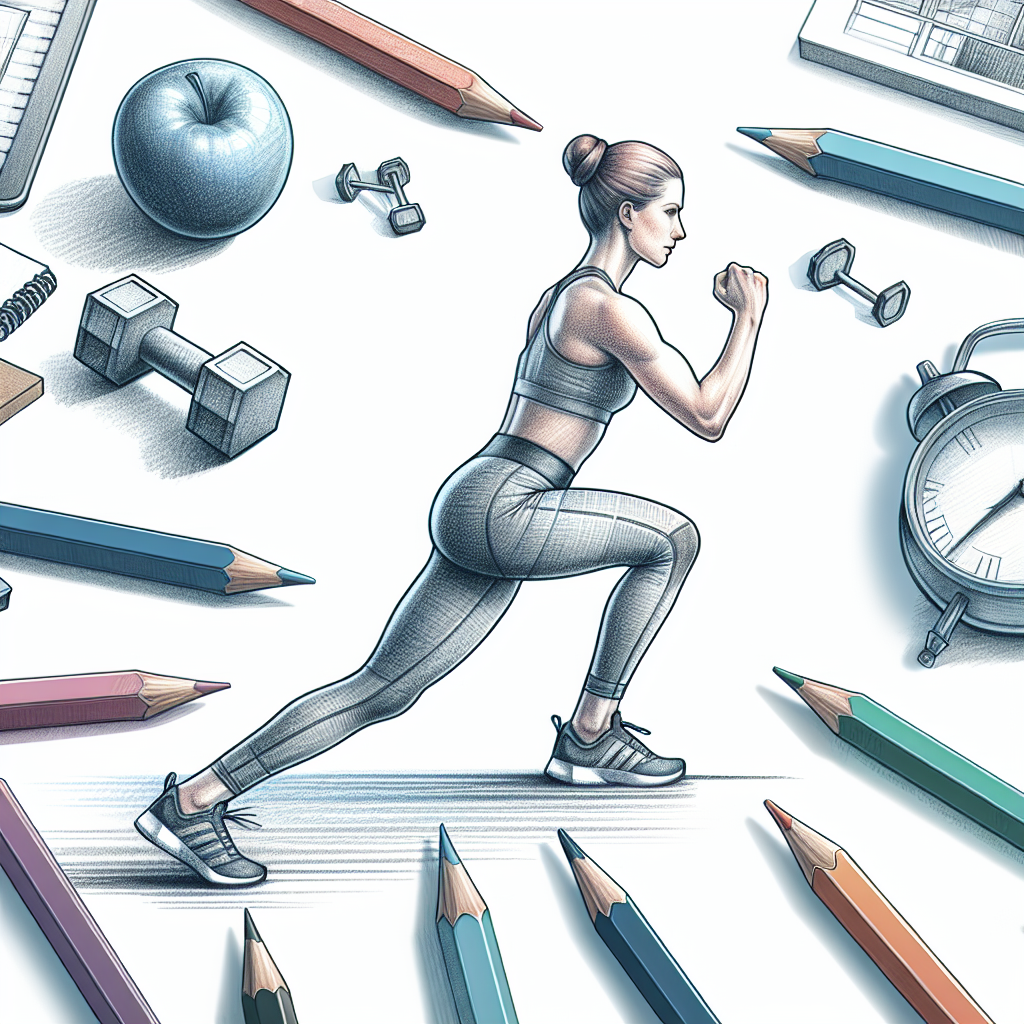
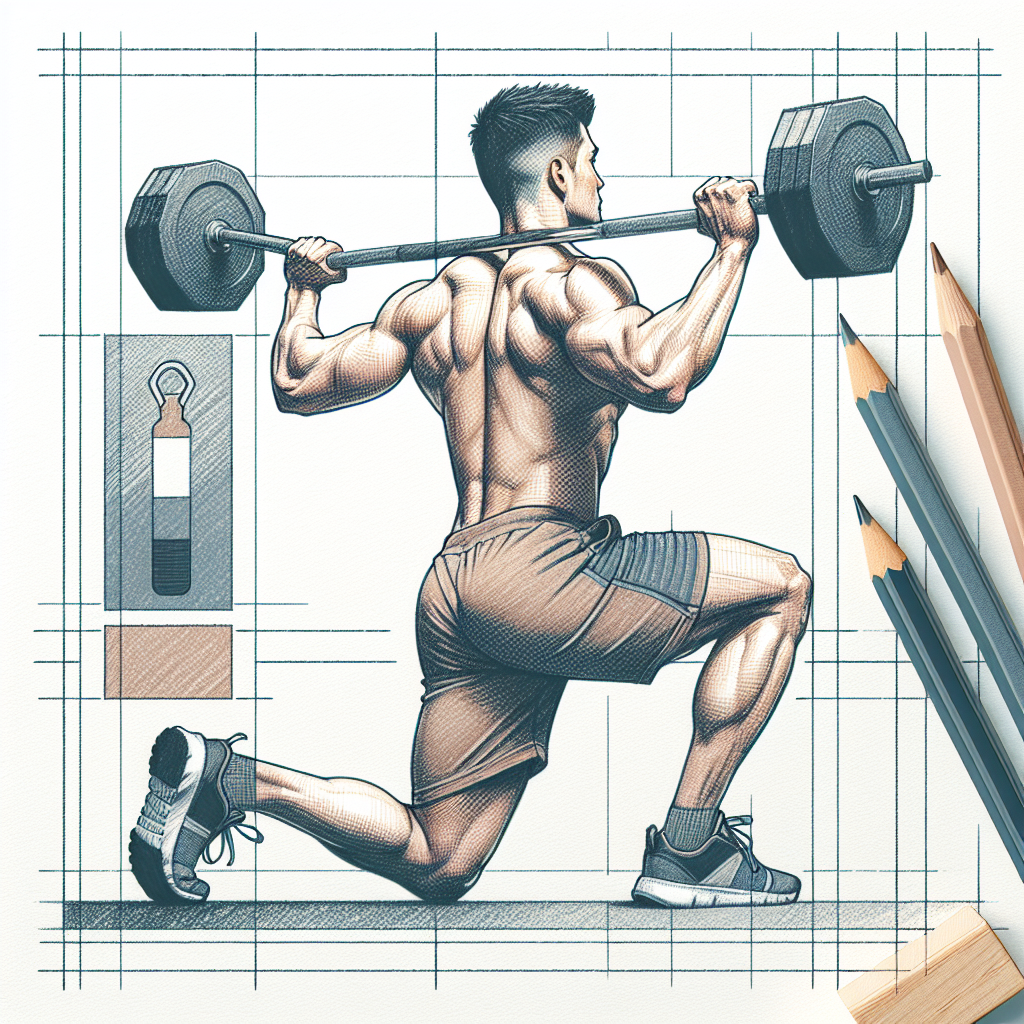
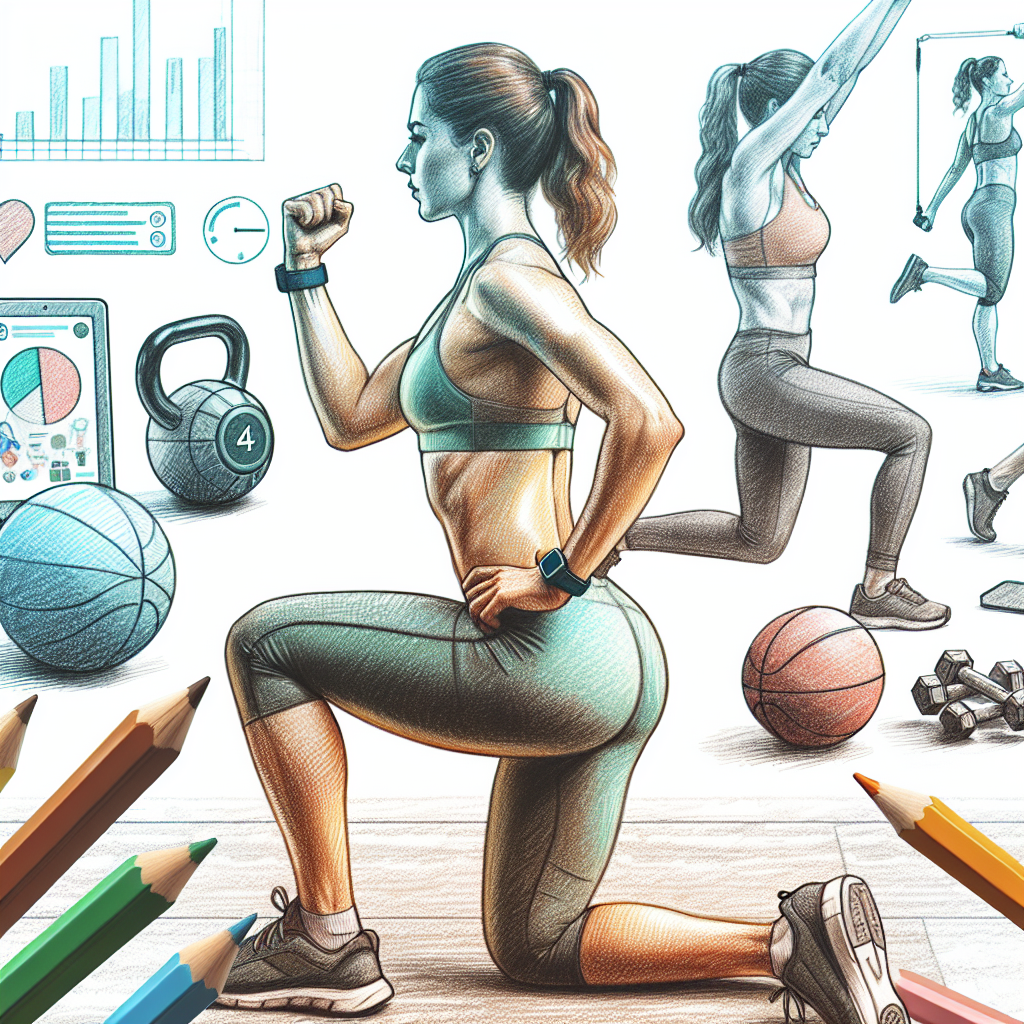
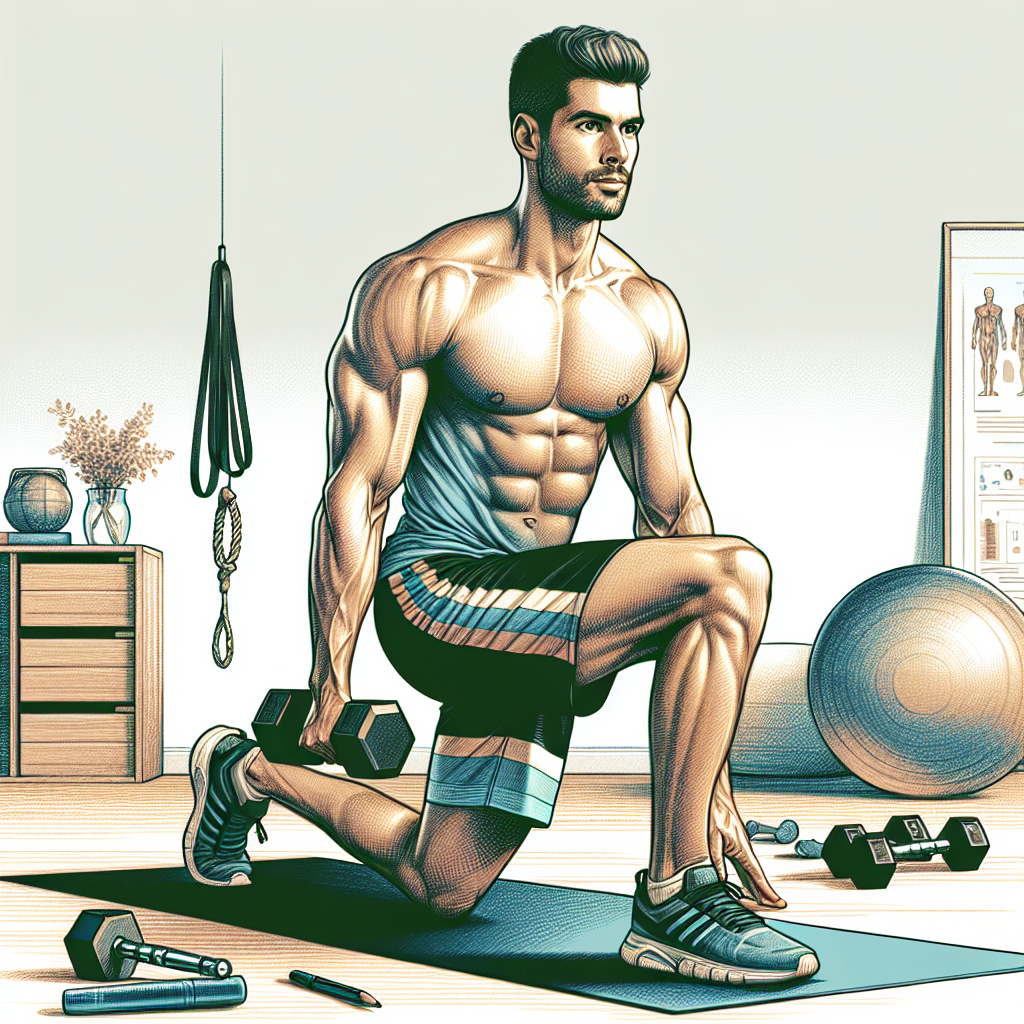
  • Lunges: Engages the legs and core. Step forward with one leg, lowering your hips until both knees are bent at about a 90-degree angle, then push back to the starting position.
  • Plank: Strengthens the core. Position yourself face down, balancing on your forearms and toes, keeping your body straight.
  • Burpees: A full-body exercise that increases endurance. Start standing, drop into a squat, kick your feet back to a plank, perform a push-up, return to squat, and jump upwards.

Creating a Workout Routine

Establishing a consistent workout routine is crucial for achieving results. Here are some steps to develop your plan:

  1. Set Your Goals: Define what you want to achieve, whether it’s weight loss, muscle gain, or overall fitness.
  2. Choose Your Exercises: Incorporate a variety of exercises that target different muscle groups.
  3. Schedule Workouts: Allocate specific days and times for your sessions to ensure consistency.
  4. Monitor Progress: Track your workouts and adjust your routine as needed to continue challenging yourself.
  5. 30-Day Program: For a guided experience, consider registering for a 30-day exercise program that requires only 6 minutes of exercise daily, designed to deliver results comparable to traditional gym workouts.

When to Seek Professional Advice

While home exercises can benefit most individuals, certain situations warrant consulting a healthcare or fitness professional:

  • If you experience persistent pain or discomfort during or after exercise.
  • Before starting any new workout routine, especially if you have pre-existing health conditions.
  • If you are unsure about the proper form or technique for bodyweight exercises.
  • If you have specific fitness goals that require personalized guidance.

Common Myths About Home Workouts

Many misconceptions surround the efficacy of home workouts. Here are a few myths debunked:

  • Myth 1 – You Need Equipment: Bodyweight exercises can be as effective as those using equipment, often modifying exercises offers similar benefits.
  • Myth 2 – No Pain, No Gain: Discomfort is common, but pain can indicate injury. Listen to your body.
  • Myth 3 – Home Workouts Aren’t Effective: Consistency and proper technique are key; many people achieve remarkable results at home.
  • Myth 4 – You Can’t Lose Weight Without Cardio Machines: Bodyweight exercises can effectively burn calories and promote weight loss.
  • Myth 5 – One Exercise Is Enough: A balanced routine involving various exercises is essential for overall fitness.

Frequently Asked Questions

Can I build muscle with bodyweight exercises?

Yes, bodyweight exercises can increase muscle strength, especially when performed with sufficient intensity and volume.

How often should I work out at home?

Aim for at least three to five days a week, depending on your fitness level and goals.

Is it safe for beginners to start exercising at home?

Yes, beginners can safely start home workouts by focusing on proper form and gradually increasing exercise intensity.

What if I only have a small space at home?

Many bodyweight exercises require minimal space; selecting those that can be done in small areas is key.

Do I need to warm up before a home workout?

Yes, warming up prepares your body for exercise and reduces the risk of injury. Simple movements or stretches are effective.

How can I stay motivated to exercise at home?

Setting realistic goals, tracking progress, and varying your routine can help maintain motivation.

Conclusion

  • Bodyweight exercises provide a convenient way to enhance fitness without equipment.
  • Establishing a routine and setting realistic goals are key to success.
  • Consult professionals for personalized guidance as needed.
  • Avoid common misconceptions to maximize the effectiveness of your home workouts.
  • Consider joining a structured program for more guidance and motivation.

Embrace the opportunity to exercise from the comfort of your home. Start with bodyweight workouts today and take the first step towards achieving your fitness goals!

Author: John Angel

Related articles

Categories
Fitness

Effective No Weight Workout: Get Fit Anywhere

Best No Weight Workout: Achieving Fitness with Minimal Equipment

In an era where time is often a luxury, many individuals seek effective ways to maintain their fitness without the constraints of traditional weight lifting. The best no weight workouts enable you to achieve substantial fitness results utilizing only your body weight. This article explores various no weight exercises, their benefits, and how to incorporate them into a daily routine for optimal health.

  • Introduction
  • What is a No Weight Workout?
  • Benefits of No Weight Workouts
  • Effective No Weight Exercises
  • Creating a Comprehensive No Weight Routine
  • When to Consult a Professional
  • Common Myths and Misconceptions
  • FAQ
  • Conclusion

What is a No Weight Workout?

A no weight workout involves exercises that utilize an individual’s body weight to build strength, endurance, and flexibility without the use of external weights or resistance bands. These workouts are versatile, requiring minimal space and time, making them suitable for various fitness levels.

Benefits of No Weight Workouts

  • Convenience: No equipment is needed, allowing for workouts anywhere—at home, outdoors, or while traveling.
  • Reduced Injury Risk: Bodyweight exercises generally carry a lower risk of injury compared to heavy lifting, particularly for beginners.
  • Improved Functional Strength: Many no weight exercises enhance coordination and strengthen muscles used in daily activities.
  • Cost-Effective: No need for a gym membership or expensive equipment, making fitness accessible to all.
  • Time-Efficient: Brief 6-minute sessions can yield substantial results; consider taking advantage of programs that emphasize this approach, such as the one found here.

Effective No Weight Exercises

1. Push-Ups

This classic exercise targets the chest, shoulders, and triceps. Aim for 3 sets of 10-15 repetitions. Modify by performing it on your knees if necessary.

2. Squats

A comprehensive lower body workout, squats engage the quads, hamstrings, and glutes. Strive for 3 sets of 15-20 repetitions.

3. Planks

A vital core-strengthening exercise, planks can be held for 30 seconds to 1 minute. Progress by side planks or variations on stability.

4. Lunges

Lunges effectively engage the legs and glutes. Focus on 3 sets of 10-12 lunges per leg.

5. Burpees

This full-body exercise boosts cardiovascular fitness and strength, making it ideal for short, intense workouts. Attempt 5-10 repetitions.

Creating a Comprehensive No Weight Routine

Designing a balanced no weight workout regimen involves focusing on strength, flexibility, and cardiovascular health. Here’s a suggested weekly plan:

  1. Day 1: Upper Body (Push-Ups, Planks)
  2. Day 2: Lower Body (Squats, Lunges)
  3. Day 3: Cardio (Burpees, High Knees)
  4. Day 4: Core (Planks, Side Planks)
  5. Day 5: Full Body (Combination of above exercises)
  6. Day 6: Flexibility (Yoga or Stretching)
  7. Day 7: Rest and Recovery

When to Consult a Professional

Engaging in a no weight workout is generally safe for most individuals. However, it is advisable to consult a healthcare professional if you experience any of the following:

  • Sudden pain during exercise
  • Chronic joint or muscle pain
  • Difficulty in completing basic movements
  • Previous injuries or health conditions
  • Uncertainty regarding proper form or exercise selection

Common Myths and Misconceptions

1. No Weight Workouts Are Ineffective

Many believe that without weights, comprehensive results cannot be achieved. However, bodyweight exercises can provide significant strength and conditioning benefits.

2. Only Advanced Athletes Can Perform Bodyweight Exercises

No weight workouts can be tailored to suit any fitness level, making them accessible for beginners and experienced fitness enthusiasts alike.

3. Bodyweight Workouts Are Boring

Incorporating a variety of exercises and formats (like circuits or interval training) can make no weight workouts engaging.

4. You Must Work Out for Hours to See Results

Quality often outweighs quantity. Short, focused workouts can produce considerable benefits, particularly with consistency.

5. All No Weight Workouts Are the Same

There are countless variations and progressions for bodyweight exercises, allowing for a personalized and dynamic workout experience.

FAQ

What is the best way to start a no weight workout?

Begin with basic exercises such as push-ups and squats, focusing on form and gradually increasing repetitions.

How long should a no weight workout last?

A 6-minute daily session can be effective, especially when focused on high-intensity intervals.

Can no weight workouts improve my cardiovascular fitness?

Yes, exercises like burpees and jumping jacks elevate your heart rate and enhance cardiovascular health.

Is it safe to perform no weight workouts every day?

Yes, but ensure to include rest days and vary your routine to prevent overuse injuries.

How do I ensure proper form during bodyweight exercises?

Focus on alignment and slow movements; consider tutorials or personal trainers for guidance.

Are no weight workouts suitable for older adults?

Yes, they can be adjusted to fit varying fitness levels, making them suitable for older adults aiming to improve their strength and mobility.

Conclusion

  • No weight workouts are a highly effective way to build strength and enhance fitness without relying on equipment.
  • Bodyweight exercises offer convenience, reducing the need for a gym or special equipment.
  • A diverse routine can be crafted through various exercises, targeting multiple muscle groups.
  • Regular engagement in no weight workouts can lead to substantial health benefits.
  • Consult a healthcare professional if pain or injury occurs while exercising.

Embrace the flexibility and convenience of no weight workouts today. Consider signing up for a structured program that requires just 6 minutes a day to achieve lasting results—explore the opportunity here.

Author: John Angel

Related articles

Categories
Fitness

Top Bodyweight Workouts for Effective Fitness

In an age where gym memberships can be costly and necessitate travel, the appeal of equipment-free workouts has dramatically increased. Engaging in effective exercise without the need for any apparatus not only saves time and money but also enhances accessibility for individuals from all walks of life. This article delves into the best workouts that require no equipment, highlighting both their benefits and practical applications. You will discover how to achieve remarkable fitness results in brief, effective sessions.

  • Introduction
  • Benefits of Equipment-Free Workouts
  • Essential Bodyweight Exercises
  • Structuring Your No-Equipment Workout
  • When to Consult a Professional
  • Common Myths about Bodyweight Training
  • FAQs
  • Conclusion

Benefits of Equipment-Free Workouts

One of the primary advantages of bodyweight exercises is that they can be performed anywhere — in your home, at a park, or even while traveling. This type of training promotes functional strength, enhances flexibility, and improves cardiovascular health while emphasizing the use of one’s own body weight as resistance. Additionally, equipment-free workouts can be modified to fit different fitness levels, making them inclusive and adaptable.

Essential Bodyweight Exercises

Incorporating a variety of exercises into your routine is crucial for overall fitness. Below are some key bodyweight exercises that deliver excellent results:

  • Push-Ups: Targeting the chest, shoulders, and triceps, push-ups are a staple bodyweight exercise that can be easily modified.
  • Squats: This lower-body exercise emphasizes the quadriceps, hamstrings, and glutes, promoting strength and stability.
  • Burpees: A full-body workout, burpees increase heart rate and strengthen various muscle groups simultaneously.
  • Lunges: By engaging multiple muscles, lunges improve balance and coordination while working the legs and glutes.
  • Planks: A pivotal core-strengthening exercise, planks enhance stability and posture.
  • Mountain Climbers: This dynamic exercise boosts cardiovascular fitness while targeting the core and lower body.

Structuring Your No-Equipment Workout

The effectiveness of your workout hinges on a well-structured routine. Here’s how you can create a concise and powerful workout plan:

  1. Warm-Up: Five minutes of light cardio (e.g., jogging in place or dynamic stretches) to prepare your body.
  2. Workout: Select 5-7 exercises (like the ones listed above) and perform each for 30-60 seconds, followed by a short rest.
  3. Cool Down: Dedicate 5 minutes to stretching to enhance recovery and improve flexibility.

For those seeking additional structure, consider trying a free 30-day exercise program where just six minutes of daily exercise can yield results comparable to a traditional gym routine. You can register here.

When to Consult a Professional

While bodyweight training is generally safe and beneficial, signs of potential injury or health concerns warrant professional attention. Consider consulting a healthcare provider or fitness professional if you experience:

  • Persistent pain or discomfort that interferes with movement.
  • Sharp or acute pain during exercise.
  • Unexplained swelling or bruising.
  • Significant fatigue or diminished performance.
  • A history of injuries that may affect your ability to exercise.
  • Pre-existing health conditions that could be exacerbated by physical activity.

Common Myths about Bodyweight Training

Despite its numerous benefits, several misconceptions about bodyweight workouts persist. Addressing these myths can enhance understanding and efficacy in exercise routines:

  • Myth 1: Bodyweight exercises are only for beginners. In reality, they can be modified to suit all fitness levels, from novice to advanced.
  • Myth 2: Equipment is necessary for an effective workout. Bodyweight training can be highly effective and comprehensive without any external tools.
  • Myth 3: You cannot build muscle with bodyweight exercises. With sufficient intensity and progression, muscle growth is certainly achievable.
  • Myth 4: Cardio is separate from strength training. Many bodyweight exercises also provide cardiovascular benefits, merging the two forms of exercise.
  • Myth 5: Flexibility and mobility are secondary to strength. The reality is that many bodyweight exercises inherently promote flexibility along with strength.

FAQs

Can bodyweight exercises help with weight loss?

Yes, bodyweight exercises can aid in weight loss by increasing heart rate and promoting muscle engagement, ultimately leading to calorie burn.

How often should I perform bodyweight workouts?

For optimal results, aim for 3-5 days of bodyweight workouts per week, allowing for rest and recovery between sessions.

Are bodyweight exercises suitable for everyone?

Generally, bodyweight exercises are suitable for individuals of varying fitness levels. However, those with injuries or health concerns should consult a professional.

Can I gain muscle mass with bodyweight workouts?

Yes, you can build muscle mass with bodyweight workouts by emphasizing progressive overload through variations and added intensity.

Is it necessary to warm up beforehand?

Yes, warming up is essential to prepare your body for exercise, reduce the risk of injury, and enhance performance.

How can I make bodyweight exercises more challenging?

You can increase intensity by extending the duration, reducing rest periods, or incorporating variations that target your muscles differently.

Conclusion

  • Equipment-free workouts are versatile and accessible, accommodating various fitness levels.
  • A structured workout regimen enhances effectiveness and results.
  • Recognizing when to seek professional advice is critical for safe exercise.
  • Debunking common myths fosters a better understanding of bodyweight training.
  • With commitment and proper execution, impressive results can be achieved without the need for gym equipment.

If you are looking to elevate your fitness journey, consider participating in the free 30-day exercise program that requires just six minutes of your day. Sign up for it here.

Author: John Angel

Related articles

Categories
Fitness

Bodyweight Exercises: Effective Workouts Without Equipment

Bodyweight Exercise: No Equipment Needed

In an age where fitness is increasingly prioritized, the ability to achieve significant results without equipment presents a remarkable opportunity for individuals of all fitness levels. Bodyweight exercises specifically utilize one’s own weight as resistance, enabling efficient workouts that can be adapted to individual strength and endurance. This flexibility is particularly beneficial for those with time constraints, such as busy professionals or parents. Furthermore, if you’re looking for a structured and effective approach, consider registering for a 30-day exercise program that allows you to exercise for only 6 minutes daily while attaining remarkable results akin to those achieved in a gym setting.

  • Understanding Bodyweight Exercises
  • Benefits of No-Equipment Workouts
  • Effective Bodyweight Exercises
  • Practical Tips for Success
  • When to Consult a Professional
  • Common Myths and Misconceptions
  • Frequently Asked Questions

Understanding Bodyweight Exercises

Bodyweight exercises are physical activities that leverage one’s own weight to build strength, flexibility, and endurance. Unlike traditional gym workouts that require machines or free weights, these exercises can be performed virtually anywhere — be it at home, in a park, or even in a hotel room. Common examples include push-ups, squats, and planks.

Benefits of No-Equipment Workouts

Engaging in bodyweight exercises comes with a myriad of benefits, which may include:

  • Accessibility: No special gym equipment or memberships are required.
  • Cost-Effectiveness: Free from the financial burden associated with gym fees or gear purchases.
  • Time-Efficiency: Workouts can be tailored to fit even the most hectic schedules.
  • Increased Functional Strength: Improves core and overall body strength through natural movement patterns.
  • Enhanced Flexibility: Many bodyweight exercises naturally increase flexibility and balance.

Effective Bodyweight Exercises

Here is a compilation of effective bodyweight exercises categorized by their focus:

Upper Body

  • Push-Ups: Target the chest, shoulders, and triceps.
  • Tricep Dips: Engage the triceps using a chair or low surface.

Core

  • Planks: Strengthen the entire core by maintaining a stable position.
  • Mountain Climbers: Improve core strength and cardiovascular fitness simultaneously.

Lower Body

  • Squats: Enhance strength in the thighs and glutes.
  • Lunges: Develop balance and engage multiple leg muscles.

Practical Tips for Success

To maximize the effectiveness of your bodyweight workouts, consider the following strategies:

  • Set Clear Goals: Establish fitness goals to keep yourself motivated.
  • Maintain Proper Form: Prioritize form over quantity to prevent injury.
  • Stay Consistent: Commit to regular workouts for lasting results.
  • Mix It Up: Incorporate a variety of exercises to keep your routine engaging.
  • Track Progress: Document your workouts to monitor improvements.

When to Consult a Professional

Consultation with a fitness professional should be prioritized in the following circumstances:

  • If you are new to exercise and unsure of where to begin.
  • In the presence of any medical conditions that may affect your ability to exercise.
  • If you experience persistent pain or discomfort during workouts.
  • When contemplating significant changes to your fitness regimen.

Common Myths and Misconceptions

Understanding common myths related to bodyweight exercises can prevent misapprehensions:

  • Myth 1: Bodyweight exercises are only for beginners. Fact: They can be modified for all fitness levels.
  • Myth 2: You can’t build muscle without weights. Fact: Advanced variations and proper progression can develop muscle effectively.
  • Myth 3: Cardio is more important than strength training. Fact: Both play critical roles in overall fitness.

Frequently Asked Questions

Can bodyweight exercises help me lose weight?

Yes, when combined with a balanced diet, bodyweight exercises can contribute to weight loss through increased calorie expenditure and improved muscle tone.

How often should I perform bodyweight workouts?

Generally, committing to at least three to five sessions per week is recommended for optimal results.

Are bodyweight exercises suitable for all ages?

Yes, bodyweight exercises can be safely performed by individuals of varying ages, but modifications may be necessary for different fitness levels and physical capabilities.

Can bodyweight workouts improve athletic performance?

Absolutely, bodyweight exercises can enhance functional strength, power, agility, and endurance, all of which contribute to improved athletic performance.

How can I progress my bodyweight workouts?

Progressions can include increasing repetitions, reducing rest time, or incorporating more challenging variations of exercises.

Is flexibility important for bodyweight training?

Yes, flexibility is crucial as it helps in performing exercises correctly and reduces the risk of injury.

Conclusion

  • Bodyweight exercises are a versatile and effective way to achieve fitness goals without equipment.
  • They offer a range of physical benefits, including strength, flexibility, and increased endurance.
  • Proper form and consistency are key to maximizing results.
  • Consulting with a professional may be necessary depending on individual circumstances.
  • Understanding myths and ensuring a diversified routine will enhance effectiveness.

Embark on your fitness journey today by exploring the potential of bodyweight exercises, and consider registering for a 30-day exercise program that can guide you to quick, effective workouts for maximum results.

Author: John Angel

Related articles

Categories
Fitness

Effective Daily Workouts Without Equipment

In our fast-paced lives, the idea of maintaining a workout routine could easily feel daunting. However, the absence of gym equipment does not inhibit the achievement of significant fitness results. Daily workouts that require no equipment can be effectively integrated into your schedule, providing a pathway to improved strength, flexibility, and overall well-being. Whether you are a busy professional, a parent, or someone simply looking to enhance your physical fitness, this guide will explore how you can achieve meaningful workouts on a daily basis without any equipment.

  • Understanding Bodyweight Exercises
  • Designing Your Daily Workout Routine
  • Practical Steps for Effective Workouts
  • When to Consult a Professional
  • Common Myths and Mistakes
  • Frequently Asked Questions
  • Conclusion

Understanding Bodyweight Exercises

Bodyweight exercises are physical movements that utilize the weight of your own body as resistance. This method of training is highly effective for building strength and endurance. These exercises can be modified to suit all fitness levels, making them accessible for beginners and advanced athletes alike. Popular bodyweight exercises include push-ups, squats, lunges, and planks.

Designing Your Daily Workout Routine

Creating an effective workout routine requires some strategic planning. Here are key points to consider:

  • Frequency: Aim for at least five days of activity each week.
  • Duration: You can achieve benefits by dedicating as little as six minutes each day. For a more gradual approach, try a combination of short sessions throughout the week.
  • Variety: Incorporate a range of exercises targeting different muscle groups.

Practical Steps for Effective Workouts

To maximize your workout efficacy, follow these steps:

  1. Warm-Up: Spend at least one minute performing dynamic stretches or light cardio to prepare your muscles.
  2. Choose 4-6 Exercises: Select from a variety of bodyweight exercises you enjoy, ensuring they target different areas of the body.
  3. Set Time Intervals: For a quick six-minute workout, dedicate 30 seconds to each exercise followed by a 15-second rest.
  4. Cool Down: After your workout, take time to stretch and lower your heart rate gradually.
  5. Stay Consistent: Incorporate these short sessions into your daily routine to foster habit and motivation.

If you’re looking for a structured approach, consider registering for a 30-day exercise program that guarantees results in just six minutes per day.

When to Consult a Professional

While bodyweight workouts are generally safe, there are instances where seeking professional advice becomes essential:

  • If you experience persistent pain or discomfort during exercise.
  • If you have existing medical conditions or physical limitations that may restrict your activity.
  • If you are unsure about how to perform certain exercises safely.

Common Myths and Mistakes

There are several common misconceptions about bodyweight workouts that can hinder progress:

  • Myth 1: Bodyweight exercises are only for beginners. – In reality, they can be easily modified for all fitness levels.
  • Myth 2: You cannot build muscle without weights. – Bodyweight exercises can effectively build strength and muscle endurance.
  • Mistake 1: Neglecting proper form. – Prioritizing form over quantity is essential to prevent injuries.
  • Mistake 2: Inconsistency in workouts. – A regular routine is key to seeing results.

Frequently Asked Questions

What are bodyweight exercises?

Bodyweight exercises use your own body weight as resistance. Examples include push-ups, squats, and planks.

Can I really see results with no equipment?

Yes, consistent bodyweight exercises can lead to improved fitness levels, strength, and endurance.

How often should I work out?

Aim to exercise at least five times per week for optimal results.

Is six minutes enough for a workout?

Yes, six minutes can be effective if properly structured and executed efficiently.

Do I need to warm up before a workout?

Yes, warming up prepares your muscles and reduces the risk of injury.

What if I feel pain during an exercise?

Stop the exercise and consult a professional if the pain persists, as this could indicate an injury.

Conclusion

  • Daily workouts without equipment are accessible and effective.
  • Bodyweight exercises can help build strength, endurance, and flexibility.
  • Creating a structured routine is vital for consistency and results.
  • Consult a professional when experiencing pain or if you have specific health concerns.
  • Being informed about myths and mistakes can enhance your training experience.

Integrate these simple steps into your daily routine to promote a healthier lifestyle. Challenge yourself to start today and consider exploring our 30-day exercise program designed to help you achieve results in just six minutes each day.

Author: John Angel

Related articles

Categories
Fitness

Effective Weight Loss: No Equipment Workout Guide

Weight Loss No Equipment Workout

In today’s fast-paced world, finding time for a workout can be challenging. However, effective weight loss doesn’t necessarily require a gym membership or specialized equipment. This article aims to guide you through a no-equipment workout routine that can help you shed those extra pounds while enhancing your overall fitness. The convenience of exercising at home or wherever you are means that you can easily integrate these routines into your daily life.

  • Understanding No-Equipment Workouts
  • The Science Behind Weight Loss
  • Essential No-Equipment Exercises
  • Creating a Balanced Routine
  • When to Consult a Professional
  • Common Misconceptions
  • FAQs
  • Conclusion

Understanding No-Equipment Workouts

No-equipment workouts are exercises that utilize your body weight to build strength and endurance. These routines are incredibly effective for weight loss, as they can elevate your heart rate, promote muscle engagement, and burn calories without the need for weights or machines. Additionally, they offer flexibility, allowing you to work out anywhere, from your living room to a park.

The Science Behind Weight Loss

Weight loss occurs when there is a caloric deficit, meaning you burn more calories than you consume. Engaging in physical activities, such as exercises that can be performed without equipment, helps you achieve this deficit. When paired with a balanced diet, these workouts contribute to significant health improvements, including enhanced metabolism and increased energy levels.

Essential No-Equipment Exercises

Below are some effective no-equipment exercises that target different muscle groups and promote weight loss:

  • Push-ups: Target the upper body and core.
  • Squats: Engage the legs and glutes.
  • Lunges: Strengthen both the legs and core.
  • Plank: Focus on the core and stability.
  • Burpees: Combine strength and cardio for an intense workout.
  • Jumping Jacks: Great for cardiovascular fitness and calorie burning.

Creating a Balanced Routine

To maximize the benefits of your no-equipment workout, it is crucial to create a balanced routine. Consider the following steps:

  1. Warm-Up: Always start with a 5-10 minute warm-up to prepare your body.
  2. Select Exercises: Choose at least 4-6 exercises to incorporate into your routine.
  3. Repetitions and Sets: Aim for 2-3 sets of 10-15 repetitions for each exercise.
  4. Cool Down: Finish with 5-10 minutes of stretching to promote recovery.
  5. Consistency: Aim to work out at least 4-5 days a week.

For those looking for a structured approach, consider joining a free 30-day exercise program where you only exercise for 6 minutes each day yet achieve results comparable to a traditional gym routine. You can register here.

When to Consult a Professional

It is essential to recognize when it may be necessary to consult with a healthcare provider or fitness professional. Consider seeking guidance if you experience:

  • Unexplained weight changes
  • Persistent fatigue or lethargy
  • Physical pain that persists beyond normal muscle soreness
  • Difficulty managing stress or emotional eating habits

Common Misconceptions About No-Equipment Workouts

There are several myths surrounding no-equipment workouts that can lead to confusion. Here are a few clarifications:

  • Myth: You cannot build muscle without weights.
  • Truth: Bodyweight exercises can effectively build strength and endurance.
  • Myth: Cardio is the only way to lose weight.
  • Truth: A combination of strength and cardio workouts will yield greater results.
  • Myth: You need to work out for hours to see results.
  • Truth: Short, intense workouts can also be effective.

FAQs

Can I lose weight with just bodyweight exercises?

Yes, bodyweight exercises can effectively help you lose weight as they promote calorie burning and muscle engagement.

How often should I perform no-equipment workouts?

Aim to engage in no-equipment workouts at least 4-5 times a week for optimal results.

Do I need to warm up before starting the workout?

Yes, warming up is essential to prepare your body and prevent injuries.

How long should a no-equipment workout last?

A no-equipment workout can be effective in as little as 15-30 minutes, depending on your routine.

Can beginners perform these exercises?

Absolutely. Many no-equipment exercises can be modified for beginners to ensure safety and effectiveness.

Is it necessary to follow a diet while working out?

While working out is crucial, a balanced diet also plays a significant role in achieving weight loss goals. Combining both will yield the best results.

Conclusion

  • No-equipment workouts are effective and flexible, making them accessible for everyone.
  • A caloric deficit is vital for weight loss; physical activity aids in achieving this.
  • Incorporate a variety of exercises to engage multiple muscle groups.
  • Seek professional advice if you experience concerning symptoms.
  • Challenge common misconceptions to optimize your workout efficiency.

If you are ready to embrace a healthier lifestyle and shed those extra pounds using simple, effective workouts, consider signing up for the 30-day exercise program mentioned earlier. With just 6 minutes of daily investment, you can achieve results akin to a traditional gym experience. Start your journey today!

Author: John Angel

Related articles

Categories
Fitness

Effective At-Home Workout Program Without Equipment

In today’s fast-paced world, finding time to maintain a regular fitness routine can often feel overwhelming. However, a highly effective solution exists in the form of at-home workouts that require no equipment. This approach not only saves time but also makes fitness accessible to everyone, regardless of their budget or space constraints. With a commitment of just six minutes a day, you can achieve significant results, similar to traditional gym workouts. For a free registration to a 30-day exercise program where you can benefit from this promising approach, click here.

  • Understanding No-Equipment Workouts
  • Benefits of Working Out at Home
  • Key Components of an Effective At-Home Workout Program
  • Practical Steps to Get Started
  • Common Myths and Misconceptions
  • When to Consult a Professional
  • Frequently Asked Questions
  • Conclusion

Understanding No-Equipment Workouts

No-equipment workouts are designed to leverage your body weight and functional movements for building strength, endurance, and flexibility. Such programs can embody a variety of exercise types, including aerobics, strength training, yoga, and high-intensity interval training (HIIT). By eliminating the need for gym equipment, these workouts emphasize natural body movements, making fitness achievable without external tools.

Benefits of Working Out at Home

The advantages of home workouts are numerous and impactful:

  • Convenience: You can exercise at any time, which is especially beneficial for those with unpredictable schedules.
  • Cost-Effective: Eliminating gym membership fees or travel expenses allows anyone to fit fitness into their budget.
  • Privacy: Working out at home can be less intimidating for beginners and those uncomfortable in public gym settings.
  • Flexibility: You can customize your workout environment to suit your preferences, from music to lighting.
  • Time Efficiency: Short, focused sessions can easily fit into a busy day.

Key Components of an Effective At-Home Workout Program

To maximize the effectiveness of your no-equipment workouts, it is crucial to include several essential components:

  • Warm-Up: Preparation is vital to reduce the risk of injury. Incorporate dynamic stretches and light cardio to elevate your heart rate.
  • Strength Training: Focus on exercises that target major muscle groups such as push-ups, squats, and lunges.
  • Cardiovascular Training: Incorporate bursts of high-intensity exercises like jumping jacks or burpees to enhance your endurance.
  • Flexibility and Mobility: Conclude with static stretches to improve flexibility and aid recovery.

Practical Steps to Get Started

Embarking on an at-home workout routine can be straightforward with the following steps:

  1. Set Goals: Establish specific and realistic fitness goals for yourself to maintain motivation.
  2. Create a Schedule: Designate specific times during the week devoted to your workouts to foster consistency.
  3. Choose Your Exercises: Select a variety of no-equipment exercises to keep your routine diverse and engaging.
  4. Start Small: If you’re new to exercise, begin with shorter sessions and gradually increase the duration and intensity.
  5. Track Your Progress: Keep a record of your workouts and achievements to stay motivated and adjust your goals as needed.
  6. Join a Community: Engage with online fitness groups or friends for support and encouragement.

When to Consult a Professional

While at-home workouts can be highly effective, certain conditions may necessitate professional guidance:

  • If you have pre-existing health conditions, consult your physician before starting a new exercise regimen.
  • Seek advice from a certified personal trainer if you are uncertain about proper exercise techniques or want to tailor a specific program to meet your needs.
  • If you experience severe pain or discomfort during exercise, it may be prudent to consult a healthcare provider.

Common Myths and Misconceptions

Numerous myths surrounding at-home workouts can hinder your journey. Here are a few clarifications:

  • Myth 1: No-equipment workouts are less effective. Reality: With proper intensity and variety, you can achieve profound results.
  • Myth 2: You need a lot of space to workout at home. Reality: Many effective exercises require minimal space.
  • Myth 3: At-home workouts are only for beginners. Reality: They can be adapted for any fitness level.
  • Myth 4: All workouts require a significant time commitment. Reality: Short, high-intensity sessions can be very effective.

Frequently Asked Questions

Can I get fit with just bodyweight exercises?

Yes, bodyweight exercises can effectively build strength, endurance, and flexibility.

How often should I work out at home?

Aim for 3-5 times per week, allowing for adequate rest and recovery.

Is it necessary to warm up before exercising?

Yes, warming up is essential to prepare your body and reduce the risk of injury.

Can I lose weight with at-home workouts?

Yes, when paired with a balanced diet, at-home workouts can aid in weight loss.

What if I don’t know how to perform an exercise correctly?

Consider seeking guidance from online resources or a personal trainer to ensure proper technique.

Do I need a lot of time to see results?

Consistent, focused workouts—even in short durations—can lead to noticeable improvements over time.

Conclusion

  • No-equipment workouts are convenient and highly effective.
  • Consistency and commitment are crucial for achieving fitness goals.
  • Effective home workouts can be tailored to various fitness levels.
  • Address any health concerns with a professional prior to starting a new exercise program.
  • Utilize available resources, including free programs, to enhance your fitness journey.

Take the first step towards a healthier you today. Explore the benefits of a six-minute daily exercise program that can deliver results akin to traditional workouts—sign up for free here.

Author: John Angel

Related articles

Categories
Fitness

Transform Your Fitness: 30-Day No Equipment Challenge

30 Day No Equipment Workout Challenge

In our increasingly sedentary world, finding time to exercise can often feel like a daunting task. However, for those seeking a more accessible path to improved fitness, a 30-day no equipment workout challenge offers an ideal solution. With just six minutes a day, participants can experience significant results comparable to traditional gym routines. This challenge is designed not only to foster physical strength but also to promote consistency and motivation.

  • Introduction
  • Understanding the Challenge
  • Daily Workout Structure
  • The Benefits of No Equipment Workouts
  • Common Myths and Misconceptions
  • When to Seek Professional Guidance
  • Frequently Asked Questions
  • Conclusion

Understanding the Challenge

The 30-day no equipment workout challenge is a self-paced exercise regimen designed to be completed at home or any convenient location, eliminating the need for gym membership or specialized equipment. The agenda is simple: commit to exercising for just six minutes each day for a month. This manageable time frame encourages individuals at all fitness levels to participate without feeling overwhelmed.

How It Works

The program typically includes a variety of exercises targeting different muscle groups, utilizing bodyweight movements to maximize effectiveness. Here, participants can expect to engage in activities such as squats, lunges, push-ups, planks, and burpees. Each day introduces a new set of routines or variations to maintain engagement and challenge the body progressively.

You can register for a comprehensive and guided 30-day exercise program that embodies this philosophy at this link.

Daily Workout Structure

Each session in this challenge is meticulously structured to ensure a balanced workout. While the total time commitment is only six minutes, each moment is skillfully allocated to maximize results. Below is a suggested daily structure:

  1. Warm-Up (1 Minute): Begin with dynamic stretches to prepare your muscles.
  2. Exercise Circuit (4 Minutes): Perform a sequence of exercises, focusing on form and intensity. For example, alternate between squats and push-ups.
  3. Cool Down (1 Minute): End with static stretches to promote flexibility and prevent soreness.

The Benefits of No Equipment Workouts

No equipment workouts come with a plethora of advantages, particularly in terms of accessibility and adaptability. Some key benefits include:

  • Cost-Effectiveness: Eliminate gym fees and equipment costs.
  • Flexibility: Workouts can be done anywhere, making it easier to fit into busy schedules.
  • Time Efficiency: Just six minutes a day can lead to substantial improvements in overall health.
  • Employing Functional Movements: Bodyweight exercises promote functional strength, crucial for everyday activities.
  • Catering to All Levels: Exercises can be easily modified to accommodate beginners or challenge advanced practitioners.

Common Myths and Misconceptions

Although no equipment workouts are gaining popularity, certain misconceptions persist. Addressing these myths is essential for encouraging participation:

  • Myth 1: You need a gym to achieve fitness goals.
  • Myth 2: Short workouts are ineffective for weight loss.
  • Myth 3: Bodyweight exercises won’t build strength.
  • Myth 4: You cannot progress without equipment.

It is important to understand that fitness results stem from consistency, effort, and a sound approach rather than specific equipment.

When to Seek Professional Guidance

While a no equipment workout allows significant flexibility, there are scenarios when consulting a fitness professional may be necessary:

  • If you have pre-existing health conditions or concerns.
  • When experiencing persistent pain or discomfort during exercises.
  • If you are uncertain about exercise techniques or proper form.
  • In case of injuries that require specialized rehabilitation guidance.

Seeking support from experts can enhance your understanding and implementation of a successful exercise routine.

Frequently Asked Questions

1. Can I really get fit in just six minutes a day?

Yes, with high-intensity functional exercises, six minutes can be enough to enhance strength, endurance, and flexibility when performed consistently.

2. Do I need prior fitness experience to join this challenge?

No, the challenge is designed to be accessible for individuals at all levels, with modifications available for new participants.

3. How do I stay motivated throughout the challenge?

Set personal goals, track your progress, and consider sharing your journey with friends or online communities for added support.

4. Are there specific days for rest in the challenge?

While the challenge encourages daily workouts, listening to your body is crucial. If you need rest, take it, and resume when you feel ready.

5. Can I combine this challenge with other forms of exercise?

Absolutely! Integrating other forms of physical activity enhances fitness and keeps your routine varied and engaging.

6. What should I do if I find an exercise too difficult?

Modify the movement to suit your ability, reduce repetitions, or consult tutorials to improve your form and confidence gradually.

Conclusion

  • Participating in a 30-day no equipment workout challenge can significantly enhance your fitness.
  • The program requires only six minutes a day, making it accessible to all.
  • No equipment workouts eliminate financial barriers and allow flexibility.
  • Understanding myths can help participants embrace these workouts with confidence.
  • Consulting professionals is advisable in specific scenarios to ensure safety and effectiveness.

If you’re ready to take the plunge, consider joining the 30-day no equipment exercise program at this link. Embrace the opportunity to transform your fitness journey today!

Author: John Angel

Related articles

Categories
Fitness

Top Home Workout Programs: No Equipment Needed

In today’s fast-paced world, finding the time and resources to maintain a fitness regimen can be challenging. Fortunately, efficient home workout programs exist that require no equipment and can deliver impressive results. This article is designed to explore the best home workout programs, providing you with guidance that caters to various fitness levels and schedules.

  • Introduction
  • Benefits of Home Workouts
  • Effective Bodyweight Exercises
  • Constructing Your Workout Program
  • How to Stay Motivated
  • Consulting a Professional: When and Why
  • Common Myths About Home Workouts
  • Frequently Asked Questions
  • Conclusion

Benefits of Home Workouts

Engaging in home workouts offers a myriad of benefits. First and foremost, they provide convenience—a fundamental advantage. You can exercise whenever it fits into your schedule, eliminating travel time and gym memberships. Moreover, home workouts can be adapted to various fitness levels, allowing beginners and seasoned athletes alike to benefit without the intimidation sometimes felt in a gym setting. This flexibility can lead to increased adherence to a fitness routine.

Effective Bodyweight Exercises

Bodyweight exercises form the cornerstone of most effective home workout programs. Here are some examples:

  • Push-ups: Excellent for upper body strength, targeting the chest, shoulders, and triceps.
  • Squats: A fundamental exercise for lower body strength, engaging the quadriceps, hamstrings, and glutes.
  • Planks: An isometric hold that strengthens the core, shoulders, and back.
  • Burpees: A full-body exercise that combines strength and cardio, improving endurance and muscular strength.
  • Lunges: Increases lower body strength and stability, beneficial for daily activities.

Constructing Your Workout Program

To create an effective workout program without equipment, consider the following steps:

  1. Define Your Goals: Are you aiming for weight loss, muscle gain, or overall fitness? Defining your goals will help tailor your workouts.
  2. Create a Schedule: Aim for consistency. Choose a specific time each day, even if it is just 6 minutes, to engage in your workout. A great option is this 30-day exercise program requiring only 6 minutes daily.
  3. Warm Up: Always begin with a 3-5 minute warm-up to prepare your body and prevent injury.
  4. Mix It Up: Incorporate a variety of exercises to target different muscle groups and keep your routine interesting.
  5. Cool Down: Finish with a cool-down session to enhance recovery and flexibility.

How to Stay Motivated

Staying motivated in a home workout routine can be challenging. To maintain enthusiasm:

  • Set achievable, short-term goals and celebrate your progress.
  • Find a workout buddy, even virtually, to encourage each other.
  • Track your workouts to visualize improvement over time.
  • Experiment with different workout formats or styles to keep things fresh.
  • Reward yourself after reaching specific milestones.

Consulting a Professional: When and Why

Although home workouts can be highly effective, certain circumstances warrant consultation with a fitness professional or healthcare provider. Consider seeking professional advice if:

  • You have pre-existing health conditions or concerns.
  • You are recovering from an injury and unsure about safe exercises.
  • You experience persistent pain during workouts.
  • You seek personalized training programs to meet specific fitness goals.
  • You want nutritional guidance to complement your fitness routine.

Common Myths About Home Workouts

There are several misconceptions surrounding home workouts that may deter individuals from pursuing their fitness goals:

  • Myth 1: Home workouts are ineffective compared to gym workouts. Truth: Numerous studies show body-weight exercises can be equally effective for building strength and improving cardiovascular health.
  • Myth 2: You need expensive equipment to succeed. Truth: Bodyweight exercises yield significant benefits without any equipment.
  • Myth 3: You have to spend hours working out to see results. Truth: Short, intense workouts can be highly effective, especially when done consistently.
  • Myth 4: Home workouts lack variety. Truth: There are countless exercises and workout frameworks to keep routines fresh and engaging.
  • Myth 5: Only high-intensity workouts are beneficial. Truth: Low-impact exercises can be highly effective for beginners or those with health constraints.

Frequently Asked Questions

1. Can I achieve significant fitness results with only bodyweight exercises?

Yes, bodyweight exercises can build strength, improve endurance, and promote overall fitness effectively when performed regularly.

2. How much time do I need to dedicate each day?

Even just 6 minutes per day can lead to benefits if the workouts are structured correctly and tailored to your goals.

3. Are home workouts suitable for beginners?

Absolutely! Home workouts can be easily modified to fit any fitness level, making them ideal for beginners.

4. How can I track my progress at home?

User-friendly apps and journals can help you log workouts, track improvements, and adjust goals over time.

5. What if I get bored with my home workout routine?

Mixing up your exercises, trying new workout formats, or joining online classes can help maintain interest and motivation.

6. Is it necessary to warm up before a home workout?

Yes, warming up is crucial to prepare your body for physical activity and to reduce the risk of injury.

Conclusion

  • Home workouts are convenient and adaptable to various fitness levels.
  • Bodyweight exercises can be immensely effective for strength and cardiovascular health.
  • Structure your workouts to include variety, consistency, and goal-orientation.
  • Stay motivated by tracking progress and engaging with community support.
  • Consult a professional for guidance when necessary to ensure safety and efficacy.

If you’re ready to kick-start your home fitness journey, consider exploring structured programs that fit your lifestyle. Take the leap today and enjoy the benefits of a healthier, more active life!

Author: John Angel

Related articles

Categories
Home Workouts

Effective At-Home Exercises Without Equipment

At-Home Exercises: No Equipment Needed

In today’s fast-paced world, finding time for physical activity can be challenging. However, engaging in regular exercise is crucial for maintaining overall health and well-being. At-home exercises that require no equipment offer a convenient and effective way to stay fit and active. This article will explore various bodyweight exercises that can be performed in the comfort of your home, guiding you on how to incorporate them seamlessly into your daily routine.

  • Introduction
  • Benefits of No-Equipment Exercises
  • Effective Bodyweight Exercises
  • Creating a Routine
  • When to Consult a Professional
  • Common Myths and Mistakes
  • Frequently Asked Questions
  • Conclusion

Benefits of No-Equipment Exercises

Exercising at home without equipment offers several advantages:

  • Accessibility: Exercises can be performed anywhere, enabling you to schedule workouts around your daily commitments.
  • Cost-effective: Eliminating the cost of gym memberships or equipment purchases allows you to save money.
  • Flexibility: You can easily adjust the duration and intensity of workouts to match your fitness level and schedule.
  • Minimal Time Commitment: Short bouts of exercise can yield significant benefits, making it easier to incorporate physical activity into busy days.

Effective Bodyweight Exercises

Below is a list of effective bodyweight exercises that target various muscle groups, helping you build strength, enhance endurance, and improve flexibility:

1. Push-Ups

Targeting the chest, shoulders, and triceps, push-ups are a classic exercise for building upper body strength.

2. Squats

Squats engage major muscle groups in the lower body, including the quadriceps, hamstrings, and glutes, promoting strength and stability.

3. Lunges

Lunges are an excellent way to enhance lower body strength and balance, effectively working the legs and glutes.

4. Planks

Planks are effective for building core strength, stability, and overall body endurance.

5. Burpees

This full-body exercise elevates heart rate and improves strength, agility, and endurance.

Creating a Routine

To maximize the benefits of bodyweight exercises, develop a structured weekly routine that includes a variety of exercises. Here’s a suggested plan:

  1. Warm-Up: Start with 5-10 minutes of dynamic stretching or light cardio (e.g., jogging in place).
  2. Workout: Perform 2-3 sets of the following exercises, with 30-60 seconds of rest between sets:
    • Push-Ups: 10-15 repetitions
    • Squats: 15-20 repetitions
    • Lunges: 10-15 repetitions (each leg)
    • Plank: Hold for 30-60 seconds
    • Burpees: 5-10 repetitions
  3. Cool Down: Conclude with 5-10 minutes of stretching, focusing on the muscles used during your workout.

For further efficiency and results, consider joining a structured program where you can exercise for just 6 minutes a day and achieve results comparable to going to the gym. You can register for a free 30-day exercise program here.

When to Consult a Professional

While bodyweight exercises are generally safe, it’s essential to consult a qualified professional if:

  • You experience persistent pain during or after exercise.
  • You have existing health conditions that may affect your ability to exercise.
  • Your physical abilities are limited or you are recovering from an injury.
  • You are unsure how to perform an exercise correctly to avoid injury.

Common Myths and Mistakes

Understanding the common misconceptions surrounding bodyweight exercises can enhance your workout experience:

Myth 1: Bodyweight Exercises Are Ineffective

Many believe that only weightlifting can build muscle. In reality, bodyweight exercises can be just as effective, particularly when performed with proper technique and intensity.

Myth 2: You Need a Lot of Space

Contrary to popular belief, bodyweight exercises can be executed effectively in small spaces, making them perfect for home workouts.

Myth 3: Only Beginners Should Do Bodyweight Exercises

Bodyweight workouts can be adapted to any fitness level, from beginners to advanced athletes, through variations in intensity and complexity.

Myth 4: Warm-Up Isn’t Necessary

Skipping a warm-up can lead to injuries. Always allocate time for dynamic stretching to prepare your body for exercise.

Myth 5: All You Need is Cardio

A well-rounded fitness regimen includes strength training, flexibility exercises, and cardiovascular workouts for balanced health benefits.

Frequently Asked Questions

What are the benefits of at-home exercises?

At-home exercises offer convenience, cost-effectiveness, and flexibility, enabling you to stay active without gym commitments.

Can I build muscle with no equipment?

Yes, bodyweight exercises can effectively build muscle when performed with the right intensity and volume.

How long should I exercise at home?

A daily commitment of just 6 minutes can yield significant results, especially when focused and deliberate.

Is it safe to exercise without professional supervision?

For most individuals, yes. However, those with health concerns should seek professional guidance.

How often should I work out at home?

Aiming for at least three to five times per week can help maintain fitness levels and improve health.

Are there risks associated with bodyweight exercises?

Like any exercise, risks exist, especially if performed incorrectly. Proper form and gradual progression can minimize risks.

Conclusion

  • At-home exercises offer a practical solution for staying fit without equipment.
  • Variety in bodyweight exercises provides comprehensive fitness benefits.
  • Creating a structured routine enhances accountability and effectiveness.
  • Consulting a professional is essential when facing persistent pain or health issues.
  • Understanding common myths can help you maximize the effectiveness of your workouts.

To enhance your at-home fitness journey, I encourage you to take action today with structured, short workouts and to explore the free 30-day exercise program available here.

Author: John Angel

Related articles

Website analytics information

We use Google Analytics 4 for visitor statistics. Analytics cookies require your consent, which you can change using the button above. The data controller is ZDRAVÍ S ÚSMĚVEM s.r.o., company ID 29283329, contact podpora@revolucnicviceni.cz. Google processes browser, device and page visit information. We do not send form field values to Analytics. How Google uses information · Google Privacy Policy.