
Categories
Health and Nutrition

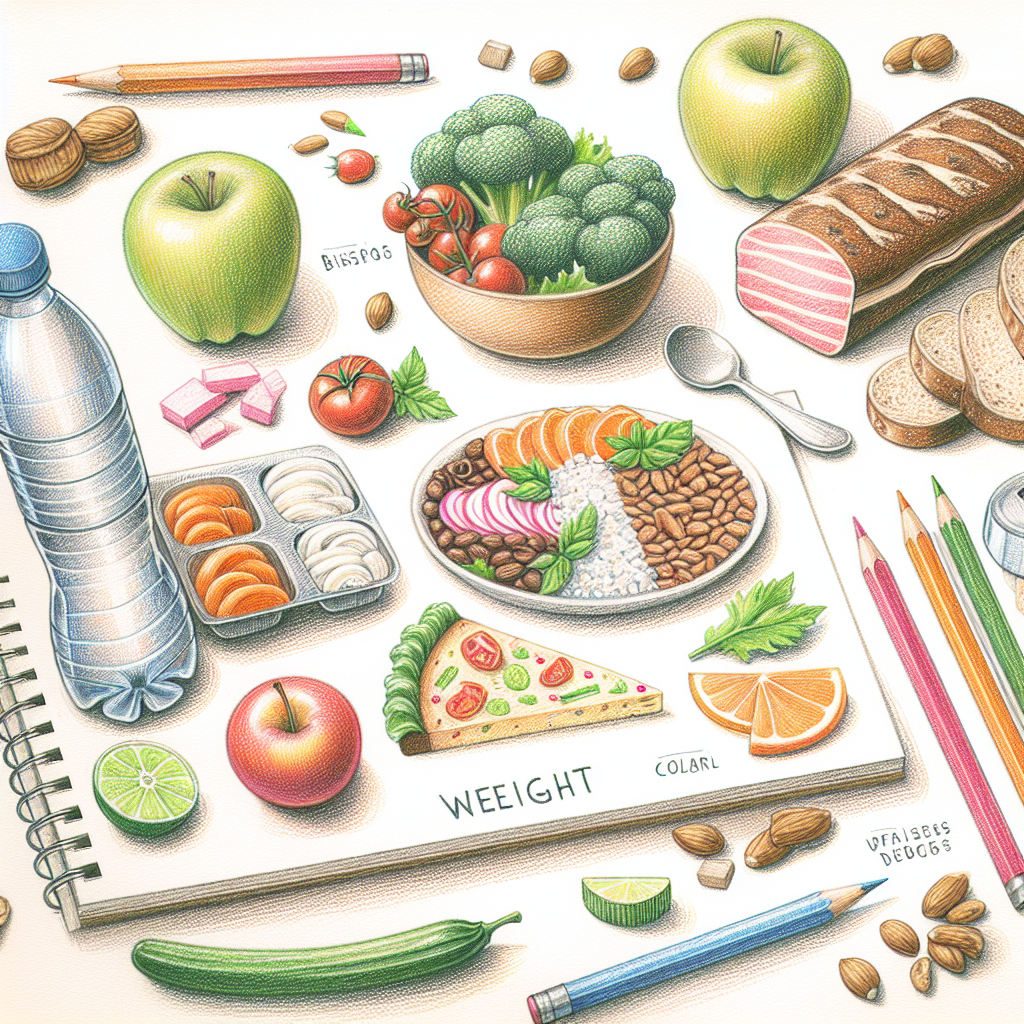
Best Healthy Meal Plans for Effective Weight Loss

Embarking on a weight loss journey is often a challenging yet rewarding experience. To ensure success, a carefully structured meal plan is essential, as it not only promotes healthy eating habits but also facilitates effective weight loss. This article delves into the best healthy meal plans for weight loss, providing practical guidance and insights designed for all individuals determined to achieve their health goals.

  • Understanding the Basics of Healthy Meal Plans
  • Best Healthy Meal Plans for Weight Loss
  • Practical Steps to Design Your Meal Plan
  • When to Consult a Professional
  • Common Myths About Meal Plans
  • FAQs
  • Conclusion

Understanding the Basics of Healthy Meal Plans

A healthy meal plan for weight loss focuses on balanced nutrition, portion control, and mindful eating. It emphasizes whole foods, minimizes processed items, and ensures adequate macronutrient intake—carbohydrates, proteins, and fats. Such a plan not only assists in shedding those extra pounds but also fosters enduring lifestyle changes.

Best Healthy Meal Plans for Weight Loss

Here are a few meal plans that have proven effective in promoting weight loss:

1. Mediterranean Diet

This diet emphasizes fruits, vegetables, whole grains, lean proteins, and healthy fats such as olive oil and nuts. It has been associated with numerous health benefits, including weight management.

2. Plant-Based Diet

A focus on plant foods—vegetables, fruits, legumes, and whole grains—can decrease calorie intake while providing the necessary nutrients. Research shows that plant-based diets can support significant weight loss.

3. High-Protein Diet

Incorporating high-protein foods such as eggs, lean meats, and legumes can increase satiety, helping to control appetite and reduce calorie intake overall.

4. Low-Carb Diet

Limiting carbohydrates and opting for proteins and fats can lead to rapid initial weight loss while stabilizing blood sugar levels.

5. Intermittent Fasting

This approach alternates between eating and fasting periods, which can help reduce calorie intake without requiring drastic diet changes.

Practical Steps to Design Your Meal Plan

Creating a personalized meal plan involves several key actions:

  • Identify Your Caloric Needs: Use online tools to determine your daily caloric intake for weight loss.
  • Choose Your Food Groups: Decide which meal plan (Mediterranean, plant-based, etc.) fits your lifestyle and preferences.
  • Create a Weekly Menu: Plan your meals for the week, ensuring a balance of proteins, fats, and carbohydrates.
  • Grocery Shopping: Compile a shopping list based on your meal plan to avoid impulse purchases.
  • Prep and Cook: Dedicate time to prepare meals in advance, facilitating adherence to your plan.
  • Track Your Progress: Monitor your weight loss and adjust the plan as needed to meet your goals.

When to Consult a Professional

When embarking on a weight loss journey, consulting a healthcare professional is advisable under the following circumstances:

  • You have underlying medical conditions that could be affected by dietary changes.
  • You experience drastic weight fluctuations without clear reasons.
  • You find it challenging to initiate or maintain a meal plan.
  • You have disordered eating behaviors that require professional intervention.

Common Myths About Meal Plans

There are various misconceptions regarding meal plans:

Myth 1: Meal Plans are Too Restrictive

Contrary to beliefs, healthy meal plans focus on moderation and variety, not deprivation.

Myth 2: All Carbs are Bad

Not all carbohydrates are harmful; whole grains and fruits provide essential nutrients.

Myth 3: You Must Eliminate Foods Completely

Success lies in moderation rather than complete elimination of favorite foods.

Myth 4: Meal Plans Don’t Allow for Flexibility

Effective meal plans can be adapted based on personal preferences and lifestyle changes.

Myth 5: Following a Meal Plan is Enough for Weight Loss

While essential, meal plans should be complemented with physical activity for optimal results.

Frequently Asked Questions (FAQs)

What should I include in a healthy meal plan?

A healthy meal plan should include whole foods like fruits, vegetables, lean proteins, whole grains, and healthy fats.

How do I know how many calories I need to lose weight?

Calculating your Basal Metabolic Rate (BMR) and factoring in your activity level can help estimate your caloric needs for weight loss.

Can I lose weight without a meal plan?

While a meal plan can aid in weight loss, maintaining portion control and making healthier food choices are crucial.

How often should I change my meal plan?

It’s advisable to reassess and adjust your meal plan every few weeks based on your progress and nutritional needs.

Is meal prepping necessary for success?

Meal prepping can facilitate adherence to a meal plan by saving time and reducing impulsive eating choices.

What are the best snacks for weight loss?

Healthy snacks include vegetables and hummus, fruits, nuts, and yogurt.

Conclusion

  • Effective weight loss requires a carefully structured meal plan.
  • Variety in food choices and moderation are key to long-term success.
  • Incorporating physical activity enhances the effectiveness of your weight loss journey.
  • Consulting a healthcare professional can provide personalized insights and support.
  • Staying informed and adaptable ensures sustained motivation and progress.

If you’re keen on enhancing your fitness journey, consider exploring the SixPack workout program for 30 days for free. Experience the magic of six-minute short workouts at home, which can effortlessly fit into a busy lifestyle while offering remarkable benefits for both physical health and mental well-being. Embrace the challenge today!

Author: John Angel

Related articles

Categories
Weight Loss

Effective Weight Loss Programs with Six-Minute Workouts

Embarking on a weight loss journey can often feel overwhelming, with countless programs and methods available. Among these, the most effective weight loss program combines structured exercise, balanced nutrition, and sustainable lifestyle changes. The transformative power of incorporating short, six-minute workouts into your daily routine can be a game-changer. These efficient workouts are not only manageable for busy individuals but also highly effective in accelerating fat loss and improving overall fitness levels.

  • Understanding the Six-Minute Workout
  • Key Components of an Effective Weight Loss Program
  • Practical Steps to Incorporate Short Workouts
  • When to Consult a Professional
  • Common Myths and Mistakes in Weight Loss
  • Frequently Asked Questions
  • Conclusion: Your Path Forward

Understanding the Six-Minute Workout

The magic of six-minute short workouts lies in their simplicity and accessibility. These quick bursts of high-intensity exercise can be performed at home without any specialized equipment, making them perfect for those with tight schedules. The idea is to maximize effort within a brief training window, leading to increased heart rate and calorie expenditure. This can be particularly advantageous for busy professionals or parents who struggle to find time for longer workouts.

Key Components of an Effective Weight Loss Program

To achieve successful weight loss, it is crucial to integrate several key components into your program:

  • Balanced Nutrition: Consuming a variety of whole foods, including fruits, vegetables, lean proteins, and whole grains, can help manage hunger and foster sustainable changes.
  • Regular Physical Activity: Incorporating both aerobic and strength-training exercises will enhance metabolism and promote fat loss.
  • Mindful Eating: Developing awareness around food choices can prevent overeating and unwanted snacking.
  • Hydration: Drinking plenty of water enhances metabolic processes and supports overall health.
  • Sufficient Rest and Recovery: Quality sleep is essential for recovery and hormonal balance, both of which play significant roles in weight management.

Practical Steps to Incorporate Short Workouts

Here are actionable steps to start incorporating six-minute workouts into your daily routine:

  1. Choose Your Time: Identify pockets in your day, such as early mornings or lunch breaks.
  2. Design a Quick Workout: Consider exercises like jumping jacks, push-ups, or squats. Aim for high intensity.
  3. Set a Timer: Use your phone or a stopwatch to keep the workouts concise.
  4. Stay Consistent: Try to incorporate these workouts into your daily routine, aiming for at least five days a week.
  5. Join a Program: For structure and variety, consider signing up for a fitness program. You can register for the SixPack workout program for 30 days for free.

When to Consult a Professional

While many individuals can successfully navigate their weight loss journeys independently, certain situations warrant professional consultation:

  • If you have underlying health conditions that could affect exercise or dietary choices, such as diabetes or heart disease.
  • If you experience significant emotional distress related to food or body image.
  • If weight loss is not occurring despite consistent efforts over an extended period.
  • If you find yourself frequently feeling fatigued or unwell during workouts.

Common Myths and Mistakes in Weight Loss

Navigating the landscape of weight loss can be challenging, with many myths and misconceptions potentially obstructing progress. Here are some common pitfalls:

  • Myth 1: “All calories are equal.” Quality matters; prioritize nutrient-dense foods.
  • Myth 2: “You must work out for an hour to see results.” Short, high-intensity workouts can be equally effective.
  • Mistake 1: “Skipping meals aids weight loss.” This can lead to overeating later and negatively impacts metabolism.
  • Mistake 2: “Focusing solely on cardio is enough.” Including strength training is vital for muscle maintenance.

Frequently Asked Questions

What are six-minute workouts?

Six-minute workouts consist of high-intensity exercises performed for short durations, designed to be effective while requiring minimal time commitment.

Can I lose weight with just six-minute workouts?

Yes, when combined with a balanced diet and healthy lifestyle changes, six-minute workouts can effectively contribute to weight loss.

How often should I do six-minute workouts?

For optimal results, aim for at least five short workouts each week, gradually increasing intensity as your fitness improves.

Are six-minute workouts suitable for beginners?

Absolutely! Six-minute workouts can be tailored for any fitness level, starting with modified exercises as needed.

Do I need special equipment for these workouts?

No, most six-minute workouts can be performed using only your body weight or minimal equipment, such as dumbbells or resistance bands.

Can I combine six-minute workouts with other exercises?

Indeed! Integrating these short workouts with longer sessions of strength training or cardio can enhance your overall fitness and results.

Conclusion: Your Path Forward

  • Start with short, high-intensity workouts to make exercising more manageable.
  • Focus on balanced nutrition alongside physical activity for effective weight loss.
  • Be consistent and integrate these workouts into your daily routine.
  • Consult a professional if you face obstacles or health concerns.
  • Ignore common myths that may derail your weight loss journey.

Embarking on your weight loss journey can be rewarding and successful with the right approach. Take the first step today by exploring a structured program tailored for your needs; you can register for the SixPack workout program for 30 days for free.

Author: John Angel

Related articles

Categories
Fitness

Effective Weight Loss Strategies: Six-Minute Workouts & Nutrition

Embarking on a weight loss journey can often feel overwhelming; however, it does not have to be. The key elements often boil down to understanding effective strategies and integrating manageable habits into daily life. One innovative solution gaining traction is the SixPack workout program, which leverages six-minute short workouts at home to maximize efficiency and results. The unique charm of these brief sessions lies in their simplicity and accessibility, allowing individuals to fit fitness seamlessly into their busy routines.

  • Understanding the Concept of Weight Loss
  • The Magic Behind Short Workouts
  • The Role of Nutrition
  • Setting Realistic Goals
  • When to Consult a Professional
  • Common Myths and Misconceptions
  • Frequently Asked Questions
  • Conclusion and Call to Action

Understanding the Concept of Weight Loss

Fundamentally, weight loss occurs when you burn more calories than you consume. This calorie deficit is essential for shedding pounds. However, the journey encompasses more than just counting calories; it incorporates an intricate balance of nutrition, physical activity, and lifestyle changes. Effective weight management requires attention to various components, including diet quality, exercise consistency, and psychological factors.

The Magic Behind Short Workouts

Short workouts, particularly six-minute sessions, have emerged as a game-changer for many on their weight loss journey. The enchantment lies in their ability to deliver substantial results within a minimal time commitment. Here are some benefits to consider:

  • Time Efficiency: With busy schedules, dedicating even a few minutes to exercise often proves more feasible than lengthy workout sessions.
  • Increased Consistency: Short, manageable workouts are easier to incorporate regularly, enhancing adherence to fitness regimes.
  • Boosted Metabolism: Engaging in short bursts of intense activity can elevate metabolism, promoting fat burning even after the session ends.
  • Convenience: Such workouts can be performed anywhere, eliminating barriers related to gym access or equipment.
  • Variety: Short sessions can easily blend various types of exercises, preventing boredom while ensuring a comprehensive workout.

To experience the benefits of these six-minute workouts, consider exploring the 30-day free trial of the SixPack workout program. This program is designed to keep you engaged and motivated, making it easier to stick to your goals.

The Role of Nutrition

While exercise is crucial, nutrition plays an equally pivotal role in successful weight loss. A balanced diet, rich in whole foods, is essential for providing the necessary nutrients while maintaining a calorie deficit. Focus on incorporating:

  • Proteins: Essential for muscle repair and satiety, lean meats, fish, legumes, and dairy are excellent choices.
  • Healthy Fats: Include sources such as avocados, nuts, and olive oil which support overall health.
  • Complex Carbohydrates: Opt for whole grains, vegetables, and fruits to fuel your workouts and ensure energy levels remain stable.

Moreover, staying hydrated is crucial, as water helps metabolize fat and stave off hunger.

Setting Realistic Goals

Setting realistic, achievable goals is fundamental to any weight loss journey. Goals should be specific, measurable, attainable, relevant, and time-bound (SMART). For instance:

  • Specific: Instead of saying “I want to lose weight,” specify “I aim to lose 10 pounds in three months.”
  • Measurable: Track progress weekly to see if you’re on the right path.
  • Attainable: Set a realistic daily or weekly calorie deficit that aligns with your lifestyle.
  • Relevant: Ensure your goals reflect what is important to you personally.
  • Time-Bound: Assign a deadline to evaluate progress effectively.

When to Consult a Professional

Recognizing the Right Time for Help

While embarking on a weight loss journey, there may be occasions when professional guidance is necessary. Consider seeking assistance from a registered dietitian, nutritionist, or personal trainer if:

  • You feel overwhelmed by dietary choices or confused about nutritional information.
  • You have underlying health conditions affecting your ability to lose weight.
  • You struggle with emotional eating or body image issues.
  • Your weight loss goals are not being met despite efforts, indicating potential underlying issues.

Common Myths and Misconceptions

Debunking Weight Loss Misconceptions

Several myths can cloud judgment during the weight loss journey. Here are a few prevalent misconceptions:

  • Carbs Are the Enemy: While excess refined carbohydrates can contribute to weight gain, whole grains are essential for energy and should not be entirely eliminated.
  • Spot Reduction is Possible: Targeting fat loss in specific areas through exercise is largely ineffective; overall body fat reduction is necessary.
  • All Calories are Equal: Quality matters. Nutrient-dense foods generally provide more health benefits than empty calories.
  • Weight Loss Equals Starvation: Sustainable weight loss is achieved through balanced eating, not extreme restriction.

Frequently Asked Questions

What is the most effective exercise for weight loss?

The best exercise for weight loss combines cardiovascular activities, strength training, and flexibility exercises for comprehensive fitness.

How many calories should I consume daily to lose weight?

Caloric needs vary based on factors such as age, gender, and activity level. A registered dietitian can help determine an appropriate range.

Can I lose weight without exercising?

While exercise is beneficial, weight loss primarily depends on dietary changes. However, incorporating physical activity enhances results.

What is a healthy rate of weight loss?

Aim for 1-2 pounds per week, which is considered a safe and sustainable rate of weight loss.

Are meal replacement shakes effective for weight loss?

Meal replacement shakes can be useful but should not replace all meals long-term. Whole foods provide necessary nutrients often lacking in shakes.

How can I stay motivated during my weight loss journey?

Set small milestones, track progress, reward yourself for achievements, and engage with supportive communities to maintain motivation.

Conclusion

  • Weight loss is achievable through a combination of proper nutrition, consistent exercise, and realistic goal-setting.
  • Short six-minute workouts offer an effective and time-efficient way to integrate fitness into busy lives.
  • Nutrition is key; focus on whole, nutrient-dense foods for optimal health and weight loss.
  • Seek professional advice when facing challenges, emotional barriers, or health concerns.
  • Be aware of myths that can derail your progress; focus on evidence-based strategies.

As you embark on your weight loss journey, remember that small, consistent changes can lead to significant results over time. Consider trying out the 30-day free trial of the SixPack workout program to discover how short, efficient workouts can enhance your daily routine and help you stay committed to your goals.

Author: John Angel

Related articles

Website analytics information

We use Google Analytics 4 for visitor statistics. Analytics cookies require your consent, which you can change using the button above. The data controller is ZDRAVÍ S ÚSMĚVEM s.r.o., company ID 29283329, contact podpora@revolucnicviceni.cz. Google processes browser, device and page visit information. We do not send form field values to Analytics. How Google uses information · Google Privacy Policy.