Categories
Fitness

Effective No-Weight Back Exercises for Home Workouts

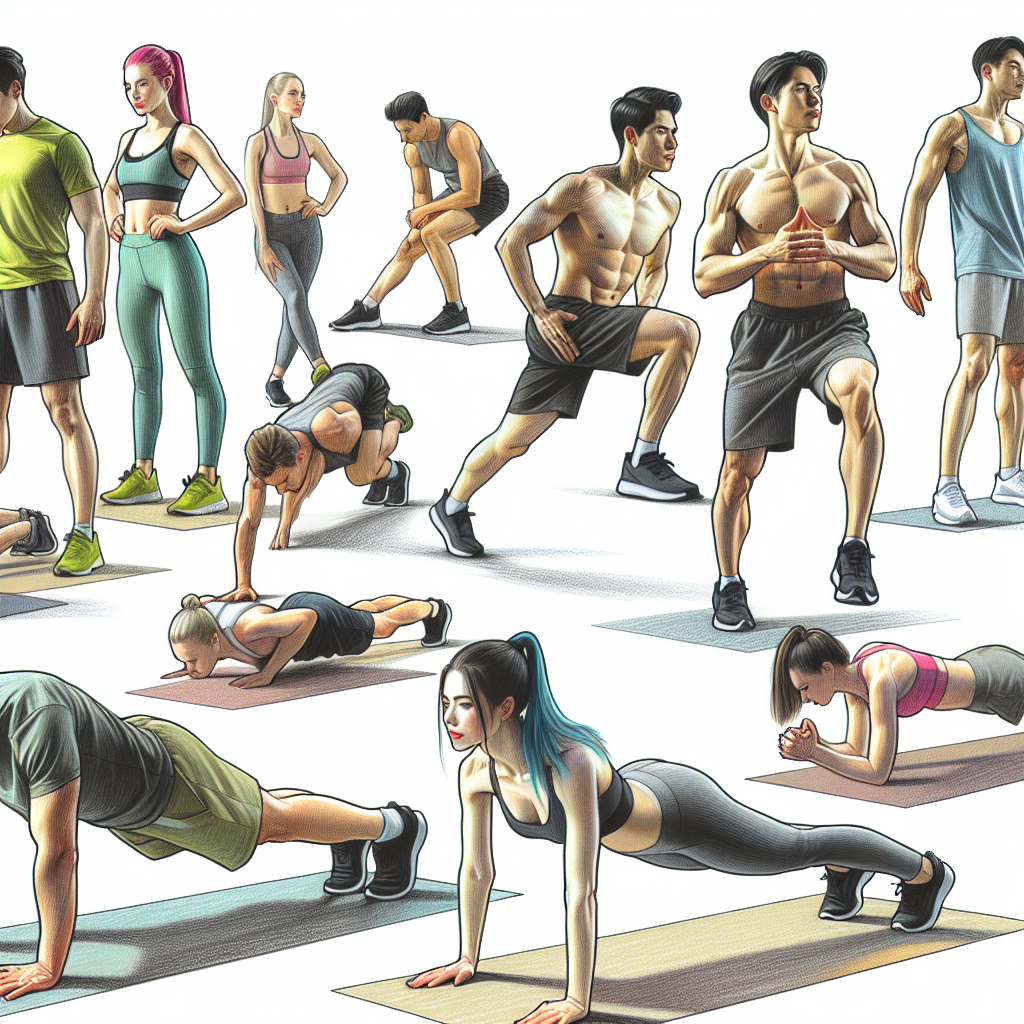
Embarking on a fitness journey does not necessarily require a gym membership or specialized equipment. Home-based exercises can effectively build strength and endurance without the added weight. This approach is particularly beneficial for those who prefer the comfort of their home environment, or for individuals seeking to incorporate exercise into a busy schedule. In this article, we will explore various no-weight back exercises that can be performed at home, addressing their benefits, techniques, and when it may be advisable to seek professional guidance.

  • Understanding the Importance of Back Exercises
  • Benefits of No-Weight Exercises
  • Effective No-Weight Back Exercises
  • Common Mistakes to Avoid
  • When to Consult a Professional
  • Frequently Asked Questions

Understanding the Importance of Back Exercises

The back comprises a complex network of muscles that support posture, facilitate movement, and protect the spine. A strong back contributes to overall body stability and can prevent injuries. Engaging in regular back exercises can enhance daily functioning and athletic performance.

Benefits of No-Weight Exercises

No-weight exercises, often referred to as bodyweight exercises, utilize an individual’s own weight for resistance. This method offers numerous benefits, such as:

  • Accessibility: No equipment is required, making exercises easy to perform at home or anywhere.
  • Reduced Risk of Injury: Training with lighter resistance lowers the chance of strain and injury compared to lifting weights.
  • Improvement in Stability: Bodyweight exercises promote core strength, essential for overall stability and balance.
  • Enhanced Functional Fitness: These exercises mimic everyday movements, improving overall functional strength.
  • Flexibility and Mobility: Many no-weight exercises improve flexibility and mobility in the back, contributing to better overall physical health.

Effective No-Weight Back Exercises

Engaging in no-weight back exercises can easily fit into a daily routine. The following exercises can be performed at home and yield significant results:

1. Superman Exercise

Lie face down on a mat with arms extended in front. Simultaneously lift your arms, chest, and legs off the ground, holding for a few seconds before lowering.

2. Bird-Dog

Start in a tabletop position. Extend one arm forward and the opposite leg back while maintaining core stability. Hold briefly, then switch sides.

3. Bridge

Lie on your back with knees bent and feet flat. Push through your heels to lift your hips, engaging your glutes and lower back. Hold and lower back down.

4. Plank

In a push-up position, hold your body straight, engaging your core and back muscles. Start with a 20-30 second hold and gradually increase as strength improves.

5. Cat-Cow Stretch

In the tabletop position, alternate between arching your back (cat) and allowing it to sag (cow). This helps improve flexibility and relieve tension.

For a structured approach to exercising at home, consider joining a 30-day exercise program where you only need 6 minutes a day to achieve results comparable to a full gym workout. You can register for free at this link.

Common Mistakes to Avoid

While bodyweight exercises are highly beneficial, certain mistakes can hinder effectiveness and potentially lead to injuries:

  • Poor Form: Neglecting proper form can cause strain. Focus on maintaining correct posture through each movement.
  • Rushing Exercises: Take your time with each exercise to maximize benefits; hurried movements increase injury risk.
  • Ineffective Breathing: Remember to breathe throughout the exercises. Exhale during exertion and inhale during relaxation.
  • Skipping Warm-up: Always perform a warm-up to prepare your muscles and reduce injury risk.

When to Consult a Professional

Self-guided exercise can be effective for many; however, there are instances where seeking professional advice is warranted:

  • Persistent Pain: If you experience ongoing or severe discomfort in your back during or after exercising, consult a healthcare provider.
  • Previous Injuries: Individuals with a history of back injuries should seek guidance before starting any exercise program.
  • Limited Mobility or Flexibility: If you notice limitations in your range of motion, it may be beneficial to consult a physical therapist.
  • Uncertainty About Proper Technique: Professionals can provide tailored advice on maintaining proper form and technique.

Frequently Asked Questions

Can I build muscle without weights?

Yes, bodyweight exercises can build muscle by utilizing your own weight as resistance.

How often should I perform no-weight exercises?

For optimal results, aim for 3-5 times a week with rest days in between to allow for recovery.

Are no-weight exercises suitable for beginners?

Absolutely; no-weight exercises are accessible and can be modified to suit varying fitness levels.

Can I hurt myself doing no-weight exercises?

Injury can occur if proper form is not maintained, so it’s essential to focus on technique and avoid overexertion.

How can I progress in no-weight exercises?

Increase the number of repetitions or sets, extend hold times, or reduce rest time between exercises to progress.

Is it sufficient to only do no-weight exercises for back strength?

While no-weight exercises can be effective, it’s beneficial to incorporate a variety of exercises for overall strength and balance.

Conclusion

  • No-weight back exercises are effective for building strength and stability.
  • They offer flexibility in scheduling and accessibility for all fitness levels.
  • Proper form and technique are crucial to avoid injury and maximize benefits.
  • Consult a professional if experiencing pain or having a history of injuries.
  • Consider a structured exercise program for guided support and motivation.

Take the first step towards strengthening your back today. Explore the potential of no-weight exercises and consider joining a concise 30-day program tailored to your needs at this link.

Author: John Angel

Related articles

Categories
Fitness

Effective No-Weight Workouts for All Fitness Levels

In today’s fast-paced world, finding time for physical fitness can be challenging. Fortunately, an effective workout can be achieved without the use of weights, thereby making it accessible to anyone, regardless of their fitness level. An easy no-weight workout can help you enhance strength, improve flexibility, and increase overall well-being—all while requiring minimal time commitment. This article will delve into the benefits, practical steps, and common misconceptions regarding no-weight workouts.

  • Introduction
  • Benefits of No-Weight Workouts
  • Essential No-Weight Exercises
  • Creating a No-Weight Routine
  • Common Misconceptions
  • When to Consult a Professional
  • FAQ
  • Conclusion

Benefits of No-Weight Workouts

No-weight workouts offer various advantages suitable for diverse fitness enthusiasts. Primarily, they can enhance muscular strength, balance, and flexibility, all of which contribute to overall fitness.

Accessibility

No-weight workouts are particularly appealing due to their convenience. They can be performed anywhere—at home, in the park, or while traveling—eliminating the need for a gym membership or specialized equipment.

Reduced Injury Risk

Engaging in body-weight exercises diminishes the likelihood of injury, especially for beginners. For many, the use of weights can lead to improper form and increased strain on the body, particularly when performed without guidance.

Essential No-Weight Exercises

Several foundational exercises can be effectively incorporated into a no-weight workout routine. Here are a few essential movements:

  • Push-Ups: Engage your chest, shoulders, and triceps.
  • Squats: Target the legs and glutes while promoting stability.
  • Lunges: Foster coordination and strengthen leg muscles.
  • Planks: Focus on core stability and overall body strength.
  • Burpees: Offer a full-body workout with a cardiovascular challenge.
  • Mountain Climbers: Elevate heart rate while building core strength.

Creating a No-Weight Routine

To experience optimal results, structuring a no-weight workout routine is essential. The following steps may aid in crafting an effective regimen:

  1. Set Clear Goals: Define what you wish to achieve, such as improved strength or endurance.
  2. Design Your Workout: Select 5-6 exercises and allocate time for each, striving for a total of 30-45 minutes.
  3. Establish Frequency: Aim to work out 3-5 times per week for consistency.
  4. Measure Progress: Keep track of improvements in endurance, strength, and flexibility.
  5. Join a Program: Consider participating in beneficial programs such as one where you only exercise for six minutes daily to achieve results similar to regular gym sessions. You can register for this free 30-day exercise program [here](https://app.revolucnicviceni.cz/en/registration).

When to Consult a Professional

While no-weight workouts are beneficial for many, certain circumstances may warrant professional guidance. Consult a healthcare provider or a certified fitness trainer if you experience:

  • Persistent pain during exercises.
  • Difficulty maintaining proper form.
  • Existing health conditions that may be exacerbated by physical activity.
  • Questions regarding exercise suitability for your specific situation.

Common Misconceptions About No-Weight Workouts

Despite their many advantages, no-weight workouts are often misunderstood. Here are a few common misconceptions:

Myth: No-Weight Workouts Are Not Challenging

Many believe that workouts without weights are ineffective. In reality, body-weight exercises can be incredibly demanding, especially when variations or combinations are introduced.

Myth: Results Take Longer with No-Weight Workouts

While it may seem that weight training yields quicker results, no-weight workouts can achieve comparable outcomes, provided they are performed consistently and progressively.

Myth: You Cannot Build Muscle Without Weights

Contrary to this belief, muscle growth is possible with body-weight workouts. The key lies in increasing the intensity through more repetitions, longer durations, or advanced variations.

Myth: No-Weight Workouts Are Only for Beginners

No-weight workouts can be tailored to all fitness levels, making them suitable for not just beginners but also for seasoned athletes seeking to enhance flexibility and core strength.

FAQ

Can I lose weight with no-weight workouts?

Yes, no-weight workouts can contribute to weight loss when combined with a balanced diet and consistent exercise regimen.

How long should a no-weight workout last?

Aiming for 30-45 minutes is ideal, although shorter workouts can also be effective.

Can I do no-weight workouts every day?

Yes, as long as you listen to your body and allow time for rest and recovery when necessary.

What if I’m a complete beginner?

Begin with simpler exercises and gradually progress to more challenging variations, ensuring you’re comfortable and safe.

How can I make no-weight workouts more challenging?

Increase the number of repetitions, reduce rest time between exercises, or try advanced variations to enhance difficulty.

Are no-weight workouts suitable for seniors?

Yes, no-weight workouts can be adapted to suit seniors, focusing on balance, flexibility, and strength without excess strain.

Conclusion

  • No-weight workouts provide an accessible and effective means to enhance physical fitness.
  • The incorporation of body-weight exercises can yield significant strength, flexibility, and endurance benefits.
  • Creating a structured routine tailored to your goals is fundamental for achieving desired outcomes.
  • Professional consultation is advised if experiencing pain or uncertainty regarding your exercises.
  • Dispelling myths surrounding no-weight workouts can foster greater participation and appreciation of their benefits.

If you’re ready to embark on a transformative fitness journey, consider exploring our free 30-day exercise program. A commitment of just six minutes each day can lead to substantial results. Start your journey today!

Author: John Angel

Related articles

Categories
Fitness

Effective No Weight Exercises for All Fitness Levels

Best No Weight Exercises

The pursuit of fitness does not necessitate the use of weights or cumbersome equipment. No weight exercises provide an accessible pathway to enhance strength, flexibility, and cardiovascular fitness. These exercises can be performed anytime and anywhere, accommodating various fitness levels while minimizing the risk of injury. In this article, we will explore the most effective no weight exercises, their benefits, and practical advice for incorporating them into your daily routine.

  • Understanding No Weight Exercises
  • Key Benefits of No Weight Workouts
  • Essential No Weight Exercises
  • Creating Your No Weight Workout Routine
  • When to Consult a Professional
  • Common Myths about No Weight Exercises
  • FAQ
  • Conclusion

Understanding No Weight Exercises

No weight exercises are physical activities that leverage the body’s own mass as resistance to build strength, improve endurance, and enhance flexibility. These exercises are particularly appealing for beginners or anyone who may not have access to gym facilities or equipment. They can be easily adapted to suit your fitness level, and many can be performed with minimal time commitment.

Key Benefits of No Weight Workouts

  • Accessibility: No need for specialized equipment.
  • Flexibility: Exercises can be performed anywhere.
  • Reduced Injury Risk: Lower impact on joints compared to weighted exercises.
  • Enhancement of Core Strength: Many no weight exercises engage core muscles effectively.
  • Time Efficiency: Short, intense workouts can yield significant results.

Essential No Weight Exercises

  • Push-Ups: Targets the chest, shoulders, and triceps. Variations include knee push-ups and incline push-ups.
  • Squats: Strengthens the legs and glutes. Variations include jump squats and sumo squats.
  • Lunges: Works the legs and improves balance. Variations include walking lunges and reverse lunges.
  • Planks: Excellent for core stability. Variations include side planks and forearm planks.
  • Burpees: A full-body exercise that boosts cardiovascular endurance.
  • Mountain Climbers: Engages multiple muscle groups while enhancing aerobic capacity.

Creating Your No Weight Workout Routine

To effectively incorporate no weight exercises into your fitness regimen, consider the following steps:

  1. Assess Your Fitness Level: Determine your starting point to select appropriate exercises.
  2. Choose a Variety of Exercises: Include a mix of strength, flexibility, and endurance activities.
  3. Set Realistic Goals: Define what you wish to achieve, such as improved strength or increased energy.
  4. Establish a Schedule: Aim for consistency; consider a daily routine or specific workout days.
  5. Stay Motivated: Set milestones and celebrate small victories to maintain enthusiasm.
  6. Try a Quick Routine: Consider a 30-day exercise program where you only need to exercise for 6 minutes daily. Register for free at this link.

When to Consult a Professional

While many can benefit from no weight exercises, certain situations may warrant professional guidance:

  • If you have pre-existing medical conditions or injuries.
  • Experience persistent pain during or after exercising.
  • Are unsure how to perform exercises correctly.
  • Seek guidance on creating personalized workout plans.
  • Wish to enhance athletic performance or prepare for competitions.

Common Myths about No Weight Exercises

Several misconceptions exist regarding no weight exercises that can deter individuals from including them in their fitness routine. Here are a few:

  • Myth 1: No weight exercises are less effective than weighted exercises.
  • Myth 2: You need weights to build significant muscle mass.
  • Myth 3: No weight workouts are only for beginners.
  • Myth 4: You cannot get a good workout without gym equipment.
  • Myth 5: All bodyweight exercises are easy and lack challenge.

FAQ

Can no weight exercises help in muscle building?

Yes, consistent bodyweight exercises can contribute to muscle growth, especially for beginners.

How often should I perform no weight exercises?

It’s generally recommended to engage in no weight exercises at least three to five times a week for optimal benefits.

Are no weight exercises suitable for all ages?

Yes, many no weight exercises can be adapted for different age groups and fitness levels.

Can I lose weight with no weight exercises?

Effective no weight exercises can aid weight loss when combined with a balanced diet and an active lifestyle.

How long should I work out each day?

Even 6 minutes of focused no weight exercises can yield significant results when done consistently.

Do I need to warm up before no weight exercises?

Yes, a brief warm-up is recommended to prepare your muscles and reduce injury risk.

Conclusion

  • No weight exercises are a versatile and effective way to strengthen the body.
  • They offer a range of benefits, including accessibility and reduced injury risk.
  • A diverse routine can enhance motivation and stimulate progress.
  • Professional guidance may be necessary for individuals with specific concerns.
  • Be wary of common myths that may misrepresent the effectiveness of no weight training.

As you embark on your fitness journey, consider integrating no weight exercises into your routine. Explore the possibilities that come with bodyweight workouts and take a proactive step toward your health. For a quick, impactful fitness regimen, sign up for our free 30-day exercise program where you only need 6 minutes a day to see results at this link.

Author: John Angel

Related articles

Categories
Fitness

Beginner’s Guide to No Weight Workouts for Fitness Improvement

Exercising without weights can be an excellent starting point for beginners looking to improve their fitness levels. No weight workouts are versatile, easy to execute, and can provide substantial benefits with minimal to no equipment. This approach allows individuals to focus on bodyweight exercises that enhance strength, flexibility, and cardiovascular health. Furthermore, it can be undertaken in the comfort of your home or any space, making it highly accessible. Here, we will explore the essentials of beginning a no weight workout regimen, including various exercises, practical tips, and when to seek professional advice.

  • What are No Weight Workouts?
  • Benefits of No Weight Workouts
  • Key No Weight Exercises
  • Creating a Structured Routine
  • Common Myths and Misconceptions
  • When to Consult a Professional
  • Frequently Asked Questions

What are No Weight Workouts?

No weight workouts, often referred to as bodyweight exercises, utilize the individual’s own weight as resistance to build strength and endurance. These exercises can range from simple movements like squats and push-ups to more complex movements like planks and burpees. The primary goal is to engage multiple muscle groups without the need for external weights, focusing instead on proper form and technique.

Benefits of No Weight Workouts

The adoption of no weight workouts can yield a myriad of benefits:

  • Accessibility: No special equipment is required, making it easier to start.
  • Cost-Effective: Eliminates the cost associated with gym memberships or purchasing weights.
  • Improved Flexibility: Many bodyweight exercises promote flexibility and joint mobility.
  • Enhanced Functional Fitness: Mimics everyday activities, improving overall movement efficiency.
  • Customizable Intensity: Workouts can be tailored in terms of intensity and duration to suit individual fitness levels.

Key No Weight Exercises

For those new to no weight workouts, here are some foundational exercises to incorporate:

  • Push-Ups: Great for upper body strength, targeting chest, shoulders, and triceps.
  • Squats: Effective for strengthening leg muscles and enhancing mobility.
  • Planks: Excellent for core stability and endurance.
  • Lunges: Target multiple lower body muscles while improving balance.
  • Burpees: A full-body exercise that enhances cardiovascular fitness and muscular strength.

Creating a Structured Routine

To achieve maximum benefits from no weight workouts, a structured routine is essential. Here’s a simple guide to help you get started:

  1. Warm-Up: Spend 5-10 minutes engaging in light cardio and dynamic stretching.
  2. Choose Your Exercises: Select 4-5 exercises from the list provided.
  3. Determine Sets and Reps: Perform each exercise for 2-3 sets of 8-15 repetitions, depending on fitness levels.
  4. Incorporate Rest: Take 30-60 seconds of rest between sets.
  5. Cool Down: Finish with static stretching to promote recovery.

For those seeking a flexible approach, consider enrolling in a free 30-day exercise program where you can exercise for just 6 minutes each day yet achieve results comparable to a traditional gym setting. For more details, click here: 30-Day Exercise Program.

Common Myths and Misconceptions

Despite the growing popularity of no weight workouts, several misconceptions prevail:

  • Myth 1: Bodyweight training is not effective for building muscle. Fact: Bodyweight exercises can build muscle and improve endurance.
  • Myth 2: You can’t get a good workout without weights. Fact: Many bodyweight exercises can be incredibly challenging.
  • Myth 3: Only advanced athletes can perform effective bodyweight workouts. Fact: Beginners can adapt exercises to their skill level.

When to Consult a Professional

While no weight workouts are generally safe, certain circumstances necessitate consulting a health or fitness professional:

  • If you’re managing a chronic illness or injury.
  • When experiencing unusual pain or discomfort during exercise.
  • If you’re unsure about how to perform an exercise correctly.
  • When significant lifestyle changes are considered.

Frequently Asked Questions

Can I lose weight with no weight workouts?

Yes, no weight workouts contribute to calorie expenditure and can aid in weight loss when combined with a balanced diet.

How often should I do no weight workouts?

Aim for at least 3-4 times a week, allowing adequate recovery time between sessions.

Are there any disadvantages to no weight workouts?

While effective, they may not provide the same level of resistance as weightlifting; combining both approaches can be beneficial.

What’s the best way to progress in no weight workouts?

Increase the number of repetitions, sets, or shorten rest periods for a greater challenge.

Can beginners start no weight workouts immediately?

Yes, beginners can start right away, focusing on form, technique, and gradually increasing intensity.

Do I need to warm up before starting?

Yes, warming up prepares your muscles and reduces the risk of injury.

Conclusion

  • No weight workouts are accessible and cost-effective for beginners.
  • Bodyweight exercises enhance strength, flexibility, and cardiovascular health.
  • A structured routine is vital for maximizing benefits.
  • Several myths surround bodyweight training that can deter participants.
  • Always consult a professional if dealing with health issues or injury concerns.

Embark on your fitness journey today with no weight workouts and consider exploring the 30-Day Exercise Program for a structured yet manageable approach. Start small, stay consistent, and watch your strength and confidence grow!

Author: John Angel

Related articles

Categories
Fitness

30-Day No Weight Workout for Effective Fitness Goals

30 Day No Weight Workout: The Path to Your Fitness Goals

Embarking on a 30-day no-weight workout program can be an empowering journey toward effective weight loss and improved fitness. By integrating short, six-minute workouts into your daily routine, you can enhance your physical health without the need for expensive gym memberships or cumbersome equipment. This blog will detail the transformative benefits of these workouts, guide you through practical steps to get started, and highlight how you can seamlessly incorporate them into your day-to-day life.

  • Introduction to No Weight Workouts
  • The Magic of Six-Minute Workouts
  • Effective Strategies for Daily Integration
  • When to Seek Professional Guidance
  • Common Myths and Mistakes
  • Frequently Asked Questions
  • Conclusion and Call to Action

The Magic of Six-Minute Workouts

The charm of six-minute workouts lies in their ability to deliver maximum benefits in a minimal time frame. These quick yet intense sessions can elevate your heart rate and engage multiple muscle groups, making them an efficient way to burn calories and build strength. The best part? They can fit seamlessly into even the busiest of schedules. Whether you are at home, at work, or traveling, these short bursts of exercise can offer a refreshing break and energize your day.

Effective Strategies for Daily Integration

To cultivate a lasting habit of exercising, consider the following steps:

  • **Set Clear Goals**: Define what you want to achieve—be it weight loss, muscle toning, or overall fitness improvement.
  • **Schedule Your Workouts**: Designate specific times for your six-minute workouts. Early mornings or during lunch breaks can be ideal.
  • **Stay Consistent**: Consistency is key. Commit to working out every day for thirty days to make it a habit.
  • **Track Your Progress**: Keep a journal or use an app to record your workouts and track your improvements.
  • **Join a Community**: Engaging with others on a similar fitness journey can provide motivation and accountability.

To kickstart your journey, consider participating in the SixPack workout program for 30 days free.

When to Seek Professional Guidance

While home-based workouts can be beneficial, there are times when consulting a fitness professional may be necessary. If you experience any of the following issues, it’s advisable to seek expert guidance:

  • Persistent pain or discomfort during or after workouts.
  • Difficulty in maintaining proper form, which may lead to injuries.
  • Health conditions that may be exacerbated by physical activity, such as heart conditions or joint issues.
  • Desire for a personalized fitness program tailored to your unique needs and goals.

Common Myths and Mistakes

When embarking on a no-weight workout journey, it is crucial to be aware of prevalent myths and mistakes that can hinder progress:

  • **“No Weights Means No Gains”**: Many believe that weights are necessary for effective workouts. However, bodyweight exercises can build strength and endurance just as effectively.
  • **“Short Workouts Are Less Effective”**: Six-minute workouts may seem insufficient, yet scientific research supports their efficacy in improving fitness levels.
  • **“One Size Fits All”**: Every individual is at a different fitness level. Tailoring workouts to your specific capabilities is crucial for success.
  • **“Avoiding Cardio Is Keeping You From Losing Weight”**: While cardio is essential, combining it with strength training—even with bodyweight exercises—provides comprehensive health benefits.

Frequently Asked Questions

What can I achieve in 30 days with no weight workouts?

You can expect to experience improved strength, greater endurance, increased flexibility, and potential weight loss, depending on your diet and consistency.

How many six-minute workouts should I do per day?

Start with one or two six-minute sessions daily, gradually increasing as your fitness level improves.

Are these workouts suitable for beginners?

Yes, six-minute workouts can be easily modified to accommodate all fitness levels, including beginners.

Can I combine these workouts with other forms of exercise?

Absolutely! These workouts can complement other activities like walking, jogging, or yoga.

What types of exercises can I expect in a no-weight workout program?

Common exercises include squats, lunges, push-ups, planks, and other bodyweight movements that target multiple muscle groups.

Is it possible to see results without weights?

Yes, bodyweight exercises are effective for strengthening muscles, enhancing endurance, and promoting fat loss.

Conclusion

  • Integrating six-minute no-weight workouts into your daily routine is a practical approach to fitness.
  • These workouts can effectively enhance strength, endurance, and overall well-being.
  • Establishing and tracking your fitness goals is crucial for maintaining progress.
  • It is essential to recognize when to consult a professional for personalized guidance.
  • Dispelling common myths about fitness can encourage a healthier, more effective exercise regimen.

As you embark on your weight loss journey, consider registering for the SixPack workout program for 30 days free. It may just be the catalyst you need for lasting progress and success.

Author: John Angel

Related articles

Website analytics information

We use Google Analytics 4 for visitor statistics. Analytics cookies require your consent, which you can change using the button above. The data controller is ZDRAVÍ S ÚSMĚVEM s.r.o., company ID 29283329, contact podpora@revolucnicviceni.cz. Google processes browser, device and page visit information. We do not send form field values to Analytics. How Google uses information · Google Privacy Policy.