
Categories
Fitness

Effective Bodyweight Exercises for Strength Training

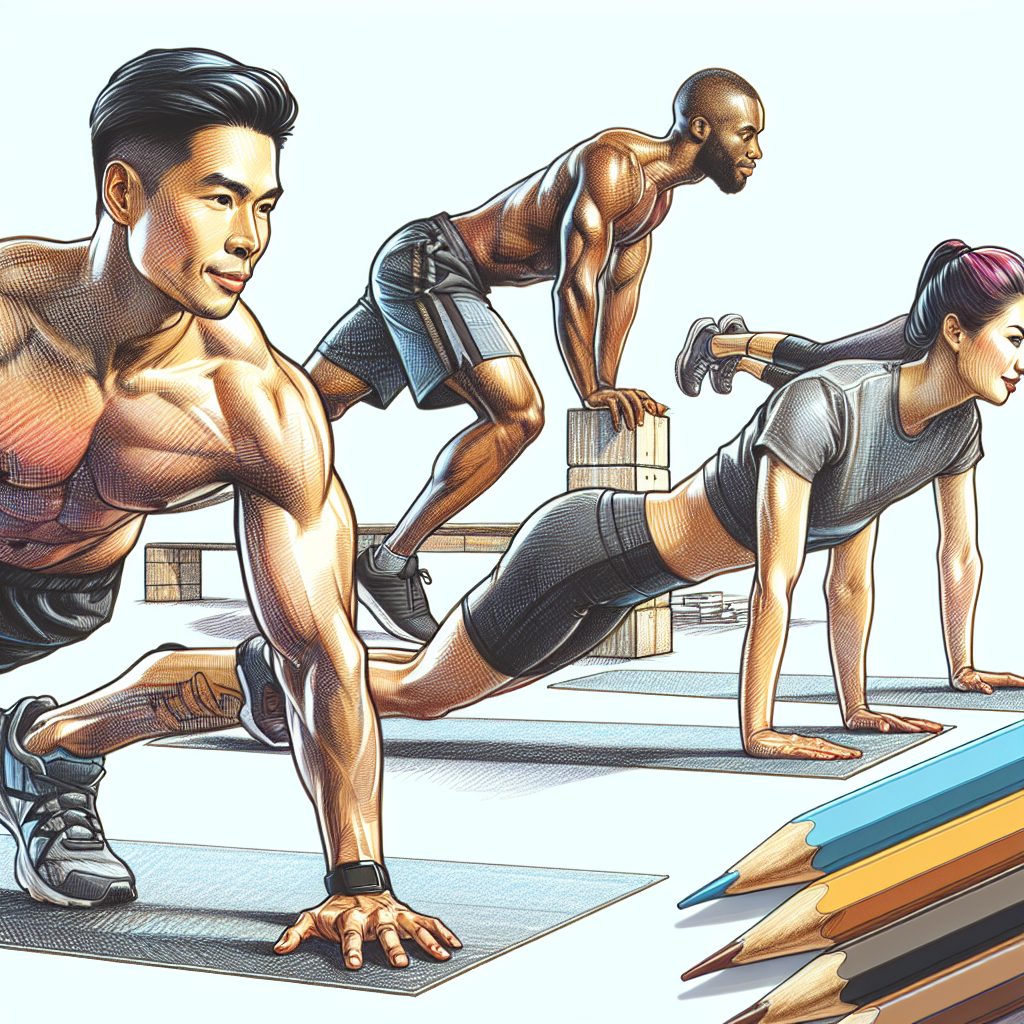
Engaging in strength training is essential for enhancing physical fitness, and one doesn’t always need access to a gym or specialized equipment to reap its benefits. Weight exercises using one’s own body weight can be highly effective in building strength, improving muscle tone, and boosting overall health. This article will discuss various weight exercises that can be performed without any equipment, offering clear guidance on how to incorporate them into your daily routine.

  • Introduction
  • The Benefits of Bodyweight Exercises
  • Essential Bodyweight Exercises
  • Structuring Your Workout Routine
  • When to Consult a Professional
  • Common Myths About Weight Training
  • FAQ
  • Conclusion

The Benefits of Bodyweight Exercises

Bodyweight exercises utilize the weight of your own body to develop strength. They are not only cost-effective but also accessible and versatile. Some key benefits include:

  • Convenience: No need for a gym or special equipment.
  • Functional strength: Improves everyday movements.
  • Versatility: Can be modified to match any fitness level.
  • Increased mobility: Enhances overall body movement.

Essential Bodyweight Exercises

The following exercises can be performed anywhere, making them perfect for home workouts or on the go:

  • Push-Ups: Targets the chest, shoulders, and triceps.
  • Squats: Strengthens the lower body and core.
  • Lunges: Improves balance and coordination while targeting multiple muscle groups.
  • Plank: Builds core strength and stability.
  • Burpees: A full-body workout that enhances endurance.
  • Mountain Climbers: Engages the core and improves cardiovascular fitness.

Detailed Exercise Descriptions

To help you execute these exercises correctly, here’s a more detailed breakdown:

  1. Push-Ups: Start in a plank position, lower your body until your chest nearly touches the ground, then push back up. Aim for 3 sets of 8-12 repetitions.
  2. Squats: Stand with feet shoulder-width apart, lower your body as if sitting back into a chair, then return to standing. Aim for 3 sets of 10-15 repetitions.
  3. Lunges: Step forward with one leg, lowering your hips until both knees are bent at about a 90-degree angle. Alternate legs for 3 sets of 10-12 repetitions.
  4. Plank: Hold a plank position for 20-60 seconds; ensure your body forms a straight line from head to heels.
  5. Burpees: Start standing, drop into a squat, kick your feet back into a plank, return to squat, and then jump up. Perform 3 sets of 5-10 burpees.
  6. Mountain Climbers: Start in a plank position, bring one knee to your chest, then quickly switch legs. Aim for 3 sets of 30 seconds.

Structuring Your Workout Routine

Incorporating bodyweight exercises into a structured routine can enhance the effectiveness of your workouts. Here’s a suggested format:

  • Warm-Up: 5 minutes of dynamic stretching.
  • Strength Training: Select 3-5 exercises and perform 3 sets of each.
  • Cardio: Include intervals or a circuit of exercises like burpees or mountain climbers.
  • Cool Down: Stretch and recover for 5-10 minutes.

For an easy way to kickstart your exercise routine, consider registering for a free 30-day program that allows you to exercise for just six minutes each day, achieving results like going to the gym: Join Here.

When to Consult a Professional

Although bodyweight exercises are generally safe, you should consider consulting a qualified fitness professional if:

  • You are new to exercising.
  • You have existing injuries or medical conditions.
  • You experience pain or discomfort during exercise.
  • You are unsure about proper form and technique.

Common Myths About Weight Training

There are several misconceptions surrounding bodyweight exercises that may deter individuals from incorporating them into their fitness regimen:

  • Myth 1: Bodyweight exercises are ineffective for building strength. Truth: They can be just as effective when done correctly and progressively.
  • Myth 2: Only heavier weights lead to muscle growth. Truth: Increasing resistance through body weight can also stimulate muscle growth.
  • Myth 3: Bodyweight training lacks variety. Truth: There are numerous exercises and variations to keep workouts engaging.

FAQ

Can I build muscle with bodyweight exercises?

Yes, bodyweight exercises can effectively build muscle when performed with proper intensity and progression.

How often should I do bodyweight exercises?

Ideally, aim for at least 2-3 times a week, allowing for recovery between sessions.

Do I need a warm-up before starting?

Yes, warming up is essential to prepare your body and prevent injuries.

Is it safe for beginners?

Yes, bodyweight exercises are generally safe for beginners; however, starting slowly is advised.

How do I ensure proper form?

Focus on technique over quantity; consider watching instructional videos or consulting a trainer.

Can I combine bodyweight exercises with other training?

Absolutely! They can complement cardiovascular training or weight lifting for a balanced routine.

Conclusion

  • Bodyweight exercises are an efficient way to build strength without equipment.
  • They offer numerous health benefits, including improved mobility and muscle tone.
  • Establishing a structured workout routine can enhance your fitness journey.
  • Consult a professional if you have any concerns or pre-existing conditions.
  • Debunking common myths can help motivate individuals to explore bodyweight training.

Incorporating weight exercises without equipment into your routine is both practical and beneficial. Start today, and consider exploring a free 30-day program aimed at achieving significant results in just six minutes a day by clicking here: Join Here.

Author: John Angel

Related articles

Categories
Fitness

Effective Bodyweight Leg Workouts for Strength and Tone

Best Leg Workouts No Weights

Strengthening your legs without the use of weights can yield impressive results and significantly improve your overall fitness. Bodyweight exercises not only build muscle but also enhance flexibility, balance, and endurance. This article will explore some of the most effective leg workouts that require no equipment, enabling you to sculpt powerful legs right at home.

  • Benefits of Leg Workouts Without Weights
  • Key Bodyweight Exercises for Legs
  • Creating Your Effective Workout Routine
  • Common Mistakes in Bodyweight Leg Workouts
  • When to Consult a Professional
  • FAQs
  • Conclusion

Benefits of Leg Workouts Without Weights

Leg workouts that do not require weights provide numerous benefits:

  • Accessibility: You can perform these exercises at home or any convenient location.
  • Cost-effectiveness: No need for expensive gym memberships or equipment.
  • Improved Muscle Tone: Bodyweight exercises target multiple muscle groups, enhancing muscle definition.
  • Enhanced Flexibility: Many bodyweight exercises improve your range of motion.
  • Reduced Risk of Injury: Bodyweight exercises can help improve balance and coordination, decreasing injury risk.

Key Bodyweight Exercises for Legs

Squats

Squats are a fundamental exercise that targets your quadriceps, hamstrings, and glutes.

  • Stand with feet shoulder-width apart.
  • Lower your body as if sitting back into a chair until your thighs are parallel to the ground.
  • Keep your chest up and knees behind your toes, then return to the starting position.

Lunges

Lunges engage the same muscle groups as squats but also work on stability.

  • Stand tall, take a big step forward, and lower your back knee towards the ground without touching it.
  • Push back to the starting position and repeat on the other leg.

Glute Bridges

This exercise focuses on your glutes and lower back.

  • Lie on your back with knees bent and feet flat on the floor.
  • Lift your hips until your body forms a straight line from knees to shoulders.
  • Hold for a moment before lowering back down.

Calf Raises

Calf raises strengthen the calf muscles and improve ankle stability.

  • Stand with feet hip-width apart, then rise onto your toes and lower back down.
  • You can perform this exercise on stairs for increased range of motion.

Wall Sits

This static exercise builds endurance in the thigh muscles.

  • Lean against a wall and slide down until your thighs are parallel to the ground.
  • Hold the position as long as you can, aiming for at least 30 seconds.

Creating Your Effective Workout Routine

To achieve optimal results, it is advisable to create a structured workout routine encompassing various exercises. Here is a sample outline:

  1. Warm-up (5 minutes) – Include light cardio like marching in place.
  2. Perform each exercise for 30–60 seconds, resting for 15 seconds in between.
  3. Complete three rounds of the following exercises:
  • Squats
  • Lunges
  • Glute Bridges
  • Calf Raises
  • Wall Sits
  • Cool down with stretches focused on the legs (5 minutes).
  • For those seeking further guidance, consider exploring a free 30-day exercise program where you will only need to exercise for 6 minutes each day to see substantial results, akin to traditional gym workouts. Register here.

    Common Mistakes in Bodyweight Leg Workouts

    When performing leg workouts without weights, individuals often fall into certain common pitfalls:

    • Improper form: Pay close attention to your body alignment to prevent injury.
    • Rushing through exercises: Perform each movement slowly and with control for maximum effectiveness.
    • Lack of variety: Include different exercises to prevent muscle adaptation.
    • Ignoring warm-up and cooldown: These are crucial for preventing injuries and enhancing flexibility.

    When to Consult a Professional

    While bodyweight exercises are generally safe, there are instances where consulting a qualified professional is advisable. Seek guidance if:

    • You experience persistent pain or discomfort while exercising.
    • There are previous injuries or medical conditions affecting your mobility.
    • Your progress stagnates despite consistent effort.
    • You have concerns regarding your exercise form or technique.

    FAQs

    Can I build muscle with bodyweight exercises?

    Yes, bodyweight exercises can effectively build muscle by emphasizing resistance through your own body weight.

    How often should I do leg workouts without weights?

    For optimal results, aim to perform leg workouts 2–3 times a week, allowing for rest and recovery.

    Are bodyweight leg exercises suitable for beginners?

    Absolutely! Bodyweight exercises are adaptable and suitable for individuals at all fitness levels.

    Can I lose weight with no-weight leg workouts?

    Yes, incorporating bodyweight leg workouts into a balanced fitness regimen can aid in weight loss while increasing muscle tone.

    How long should I hold a wall sit?

    Start with 20–30 seconds and gradually increase your duration as your strength improves.

    Is it normal to feel sore after these workouts?

    Mild soreness is common, especially when starting a new exercise routine, but it should not be debilitating.

    Conclusion

    • Leg workouts without weights are an effective way to strengthen and tone your legs.
    • No equipment is necessary, making these workouts accessible to everyone.
    • Variety in your routine can improve results and prevent injuries.
    • Monitor your form to maximize effectiveness and reduce injury risk.
    • Consult a professional if you encounter persistent pain or have specific fitness concerns.

    Take the first step towards achieving strong, sculpted legs through these effective bodyweight exercises. Consider joining the free 30-day exercise program that empowers you to reach your fitness goals with just 6 minutes of daily effort. Explore options here.

    Author: John Angel

    Related articles

    Categories
    Fitness

    Effective Leg Exercises Without Equipment for Strength and Stability

    Best Leg Exercises Without Equipment

    Engaging your leg muscles is vital for overall strength, stability, and mobility. However, one does not need specialized equipment or a gym membership to achieve effective workouts. This article provides a comprehensive guide on the best leg exercises that can be performed anywhere, enhancing muscle tone and endurance. Additionally, you’ll find a link to a free 30-day exercise program that demands only six minutes of your daily commitment yet promises results comparable to traditional gym workouts.

    • Understanding the Importance of Leg Workouts
    • Best Exercises for Strong Legs
    • Step-by-Step Guide to Each Exercise
    • Consulting a Professional: When Is It Necessary?
    • Common Misconceptions About Leg Workouts
    • FAQs
    • Conclusion: Key Takeaways

    Understanding the Importance of Leg Workouts

    Leg workouts function as the cornerstone of physical fitness, serving multiple purposes that transcend aesthetics. Strong legs support daily activities, enhance athletic performance, and prevent injury. Engaging in regular leg exercises can improve core stability and overall body strength, which are essential for any fitness regimen.

    Best Exercises for Strong Legs

    The following exercises will target various muscle groups in the legs, including the quadriceps, hamstrings, calves, and glutes:

    • Squats
    • Lunges
    • Calf Raises
    • Side Leg Raises
    • Glute Bridges
    • Wall Sits

    Step-by-Step Guide to Each Exercise

    Below is a practical breakdown of each exercise to ensure proper execution and maximize benefits:

    1. Squats:
      • Stand with your feet shoulder-width apart.
      • Lower your body by bending your knees, as if sitting back into a chair.
      • Keep your back straight and chest up; descend until your thighs are parallel to the ground.
      • Return to the starting position. Repeat for 10–15 reps.
    2. Lunges:
      • Step forward with one leg, keeping your knee over your ankle.
      • Lower your body until both knees are bent at a 90-degree angle.
      • Push back to the starting position and switch legs. Do 10–12 reps per leg.
    3. Calf Raises:
      • Stand tall with your feet hip-width apart.
      • Lift your heels off the ground, balancing on the balls of your feet.
      • Hold for a moment and lower back down. Aim for 15–20 reps.
    4. Side Leg Raises:
      • Lie on one side with your legs straight.
      • Lift the top leg toward the ceiling while keeping the bottom leg on the ground.
      • Lower back down. Complete 10–15 reps before switching sides.
    5. Glute Bridges:
      • Lie on your back with knees bent and feet flat on the floor.
      • Lift your hips toward the ceiling, squeezing your glutes at the top.
      • Lower back down. Aim for 12–15 reps.
    6. Wall Sits:
      • Lean against a wall and position your feet shoulder-width apart.
      • Slide down until your thighs are parallel to the ground.
      • Hold the position for 20–60 seconds.

    For a structured approach to these exercises, consider joining a 30-day exercise program where you only need six minutes each day to see substantial results. You can sign up for the program here.

    Consulting a Professional: When Is It Necessary?

    While leg exercises can often be performed safely by individuals of various fitness levels, the need for expert consultation may arise in certain situations:

    • If you experience persistent pain while exercising.
    • Before initiating a new exercise program, especially if you have existing health conditions.
    • If you are recovering from an injury that involves the legs.
    • When unsure about executing exercises correctly to avoid potential injury.

    Common Misconceptions About Leg Workouts

    There are several myths that can deter individuals from engaging in leg workouts:

    • Myth 1: You need gym equipment for effective leg workouts. (False; bodyweight exercises are sufficient.)
    • Myth 2: Leg workouts will make your legs bulky. (In reality, they help tone and strengthen muscle.)
    • Myth 3: Leg exercises are only for athletes. (They are beneficial for everyone, regardless of fitness level.)
    • Myth 4: You can spot-reduce fat in the legs. (Fat loss occurs throughout the body with a balanced approach.)

    FAQs

    What are the best leg exercises without equipment?

    Some of the best leg exercises include squats, lunges, calf raises, and glute bridges.

    How often should I do leg exercises?

    Aim for at least two to three times a week to gain optimal results.

    Can I get strong legs without weights?

    Yes, bodyweight exercises can effectively build strength and muscle tone.

    Should I feel sore after leg workouts?

    It is common to experience mild soreness; however, intense pain may indicate overexertion or injury.

    How long should each workout session be?

    Each workout can be as short as 15–30 minutes, focusing on multiple exercises.

    Is it necessary to warm up before leg exercises?

    Yes, warming up prepares your muscles and reduces the risk of injury.

    Conclusion: Key Takeaways

    • Leg exercises can be effectively performed without equipment.
    • Routine leg workouts improve overall strength, stability, and performance.
    • Seek professional guidance for pain or uncertainty in exercise execution.
    • Regular adherence to leg workouts can enhance daily activities.
    • Join a structured program to achieve substantial results in minimal time.

    Start your journey towards stronger legs today! For a free 30-day exercise program that requires just six minutes a day, sign up here.

    Author: John Angel

    Related articles

    Categories
    Fitness

    Effective 30-Minute No-Equipment Weight Loss Workout

    In today’s fast-paced world, finding time for fitness can be challenging. However, a 30-minute weight loss workout requiring no equipment is not only achievable but extraordinarily effective. This approach facilitates substantial calorie burning and enhances muscle tone, all from the comfort of your home. The simplicity of bodyweight exercises means that anyone, regardless of fitness level, can participate. Let us explore how you can optimize your weight loss journey with minimal time investment.

    • Understanding the Importance of Body Weight Workouts
    • A Sample 30-Minute Routine
    • Benefits of High-Intensity Intervals
    • Common Mistakes to Avoid
    • Consulting a Professional: When to Make the Call
    • Frequently Asked Questions

    Understanding the Importance of Body Weight Workouts

    Body weight workouts are advantageous for several reasons. They promote muscular endurance and strength while improving cardiovascular health without necessitating any gym equipment. This makes them accessible to everyone, regardless of their fitness background. Additionally, these workouts can be easily adjusted to suit individual needs, providing a flexible workout option.

    A Sample 30-Minute Routine

    Here is a straightforward yet effective workout routine you can follow:

    1. Warm-Up (5 minutes)
      • Jumping jacks – 1 minute
      • Arm circles – 1 minute
      • Leg swings – 1 minute (30 seconds each leg)
      • High knees – 1 minute
      • Dynamic stretches – 1 minute
    2. Main Workout (20 minutes)
      • Push-ups – 3 sets of 10-15 reps
      • Bodyweight squats – 3 sets of 15-20 reps
      • Lunges – 3 sets of 10 reps each leg
      • Plank – 3 sets of 30-45 seconds
      • Burpees – 3 sets of 5-10 reps
      • Mountain climbers – 3 sets of 30 seconds
    3. Cool Down (5 minutes)
      • Standing quadriceps stretch – 1 minute (30 seconds each leg)
      • Seated forward bend – 1 minute
      • Child’s pose – 1 minute
      • Cat-cow stretch – 1 minute
      • Deep breathing exercises – 1 minute

    For those who desire a more streamlined approach, consider joining a free 30-day exercise program that only requires 6 minutes of exercise each day, yet yields impressive results comparable to gym workouts. Sign up here: Free 30-Day Exercise Program.

    Benefits of High-Intensity Intervals

    Incorporating high-intensity intervals into your routine can significantly enhance weight loss. By alternating between short bursts of intense activity and brief periods of rest, you can increase your metabolic rate even after the workout has concluded. This method not only saves time but also maximizes efficiency in fat burning.

    Common Mistakes to Avoid

    It is vital to stay informed about common pitfalls in bodyweight training:

    • Poor Form: Acknowledge the importance of maintaining proper form to prevent injuries.
    • Neglecting Warm-Up: Skipping warm-up routines can lead to muscle strain.
    • Consistent Pace: Sticking to a consistent pace can diminish the workout’s intensity—vary your speed.
    • Overtraining: Give your muscles ample time to recover to avoid burnout or injury.

    Consulting a Professional: When to Make the Call

    If you experience persistent pain, undue fatigue, or any symptoms that seem unusual during or after workouts, it is advisable to consult a healthcare professional. Additionally, if you have pre-existing health conditions or prior injuries, a tailored fitness plan designed by a certified professional can help you achieve your goals safely.

    Frequently Asked Questions

    Can I lose weight with bodyweight exercises?

    Yes, bodyweight exercises can effectively aid in weight loss when combined with a balanced diet and consistent routine.

    How often should I perform this workout?

    Aiming for at least 3-5 times a week can optimize your weight loss efforts.

    Is 30 minutes enough to see results?

    Yes, with high-intensity efforts, 30 minutes can be sufficient for calorie burning and muscle toning.

    What if I can’t do a full push-up?

    You can modify push-ups by performing them on your knees or against a wall until you build strength.

    Do I need to follow these workouts strictly?

    While consistency is key, feel free to adjust exercises or substitute equivalent movements based on your comfort and ability.

    Are there dietary changes I need to make?

    Incorporating a balanced diet rich in whole foods can significantly enhance your weight loss journey.

    Conclusion

    • 30-minute workouts can be effective for weight loss and fitness improvement.
    • Focus on bodyweight exercises to eliminate the need for equipment.
    • High-intensity intervals maximize calorie burning and metabolic health.
    • Avoid common workout mistakes to enhance safety and effectiveness.
    • Seek professional guidance if dealing with medical concerns or persistent pain.

    Embarking on a weight loss journey does not require extensive resources or time commitments. By adopting a structured 30-minute workout and maintaining your motivation, you can achieve significant results. Consider joining a free 30-day exercise program today and take a step towards a healthier you.

    Author: John Angel

    Related articles

    Website analytics information

    We use Google Analytics 4 for visitor statistics. Analytics cookies require your consent, which you can change using the button above. The data controller is ZDRAVÍ S ÚSMĚVEM s.r.o., company ID 29283329, contact podpora@revolucnicviceni.cz. Google processes browser, device and page visit information. We do not send form field values to Analytics. How Google uses information · Google Privacy Policy.