
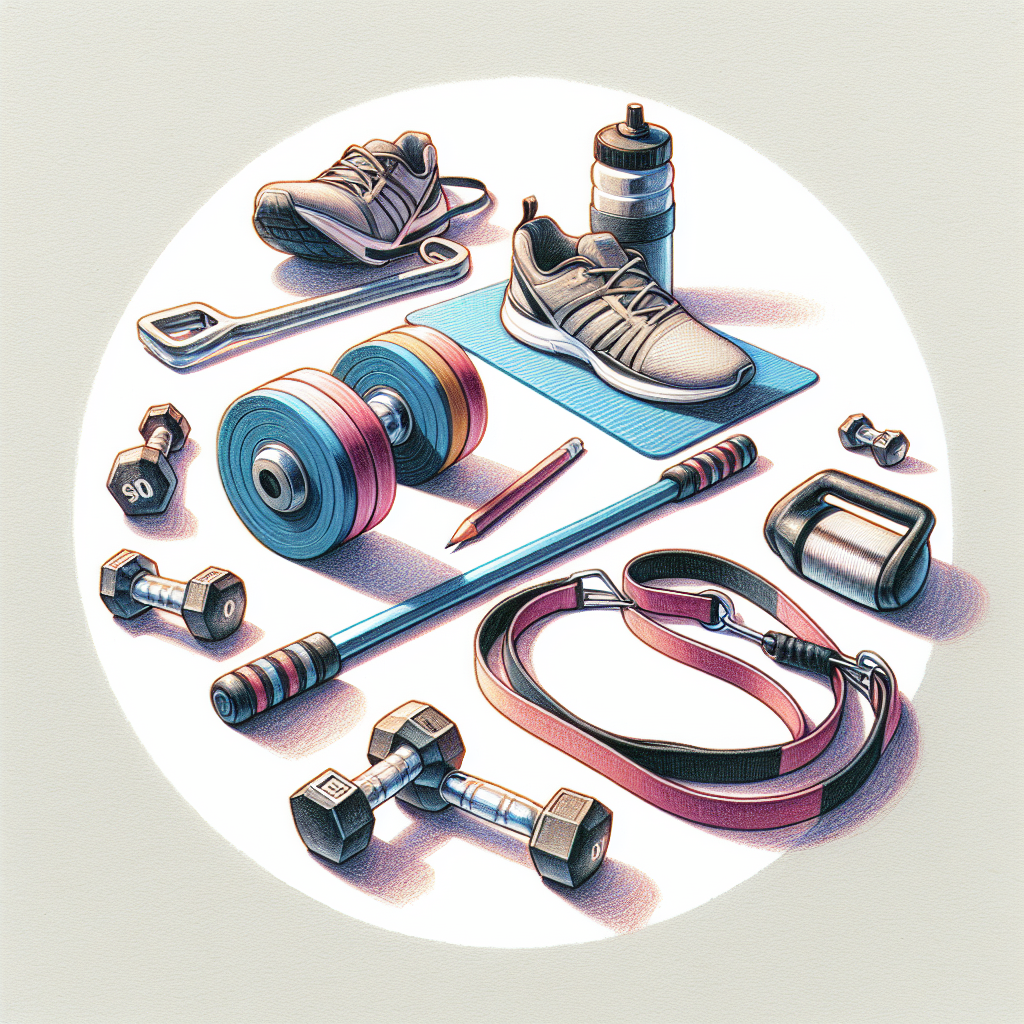
In today’s fast-paced world, finding time to exercise can be a challenge. Utilizing minimal equipment can prove highly effective, allowing individuals to maintain their fitness without the need for a gym membership or elaborate setup. This article provides practical guidance on how to design an efficient workout regimen with minimal resources while achieving maximum results.
- Introduction
- Benefits of Minimal Equipment Workouts
- Types of Minimal Equipment
- Effective Workout Strategies
- When to Consult a Professional
- Misperceptions about Minimal Equipment Workouts
- Frequently Asked Questions
- Conclusion
Benefits of Minimal Equipment Workouts
Working out with minimal equipment offers a variety of advantages. Firstly, it is cost-effective, eliminating the financial burden of purchasing gym memberships and bulky fitness machines. Secondly, these workouts are incredibly versatile, allowing for exercise in various settings, from the comfort of your home to local parks. Furthermore, minimal equipment often leads to enhanced body weight exercises that improve strength, flexibility, and balance, promoting overall functional fitness.
Types of Minimal Equipment
When considering minimal equipment workouts, a few basic items can significantly enhance the effectiveness of your regime:
- Resistance Bands: Lightweight and portable, resistance bands provide adjustable resistance for strength training.
- Dumbbells: A pair of dumbbells increases the variety of exercises and targets different muscle groups.
- Yoga Mat: Essential for floor exercises and stretching, a mat offers comfort and stability.
- Stability Ball: This versatile piece of equipment aids in balance and core workouts.
- Jump Rope: An excellent tool for cardiovascular training, promoting agility and coordination.
Effective Workout Strategies
For effective workouts with minimal equipment, it is essential to focus on high-utility strategies. Consider following these concrete steps:
- Define Your Goals: Determine whether your primary aim is to lose weight, build muscle, or improve endurance. Your approach will vary based on your goals.
- Schedule Consistency: Aim for regular intervals in your training, such as dedicating 15-30 minutes, three to five times a week. Consistent patterns produce better outcomes than sporadic efforts.
- Compound Exercises: Prioritize movements that engage multiple muscle groups, such as squats, push-ups, and lunges. These exercises maximize efficiency and effectiveness.
- Incorporate Interval Training: Alternating between high-intensity bursts and low-intensity recovery fosters enhanced cardiovascular fitness and greater calorie burn.
- Monitor Progress: Maintain a journal or use fitness apps to keep track of your workouts and progress, which can provide motivation and accountability.
- Join a Program: Consider enrolling in structured programs like this 30-day exercise program that promises results in just 6 minutes of daily exercise.
When to Consult a Professional
While minimal equipment workouts can be initiated independently, specific circumstances may require professional consultation. Seek guidance from a qualified fitness professional if you experience:
- Persistent pain during or after exercise
- Difficulty performing basic movements
- Unexplained fatigue or a significant decline in performance
- Medical conditions that might affect your ability to exercise safely
- A desire for tailored programs that cater to specific fitness goals
Misperceptions about Minimal Equipment Workouts
It is essential to address some common myths surrounding minimal equipment workouts:
- Myth 1: Minimal equipment cannot provide a thorough workout. Reality: Effective routines can be designed utilizing just bodyweight and a few tools.
- Myth 2: Only heavy weights lead to muscle growth. Reality: Resistance training using lighter weights or bands can stimulate muscle growth effectively.
- Myth 3: Minimal workouts lack intensity. Reality: High-intensity interval training (HIIT) can be performed with minimal equipment, yielding significant results.
- Myth 4: These workouts yield slower results. Reality: Consistent, focused training can lead to rapid improvements in fitness, often comparable to traditional gym sessions.
- Myth 5: An effective workout is only achievable with advanced knowledge. Reality: Simple, structured, and guided programs can deliver excellent results without requiring extensive skills.
Frequently Asked Questions
How effective are minimal equipment workouts?
Minimal equipment workouts can be highly effective, particularly when designed with a focus on body weight and compound movements.
Can I build muscle without heavy weights?
Yes, you can build muscle with light weights, resistance bands, or bodyweight exercises by focusing on volume and intensity.
How often should I work out with minimal equipment?
A frequency of three to five workouts per week is typically recommended for consistent progress.
Do I need a fitness coach for minimal equipment workouts?
While a coach can provide tailored guidance, many individuals can successfully create effective routines independently or through structured programs.
Are minimal equipment workouts suitable for beginners?
Absolutely! Minimal equipment workouts are accessible and adaptable for all levels, including beginners.
How can I avoid injury during minimal equipment workouts?
To prevent injury, focus on proper form, start with manageable weights, and warm up before exercises.
Conclusion
- Minimal equipment workouts are cost-effective and versatile.
- Essential items such as dumbbells and resistance bands enhance workout efficiency.
- A well-structured routine prioritizing compound exercises can yield significant results.
- Engaging in consistent training schedules is crucial for progress.
- Professional consultation should be considered in case of persistent issues or specific goals.
Explore the potential of minimal equipment workouts today and consider checking out the 30-day exercise program where just six minutes a day can transform your fitness journey. Take the first step toward achieving your health goals!
Author: John Angel