Categories
Fitness

Effective Leg Workouts at Home with Minimal Equipment

Leg Workout with Minimal Equipment

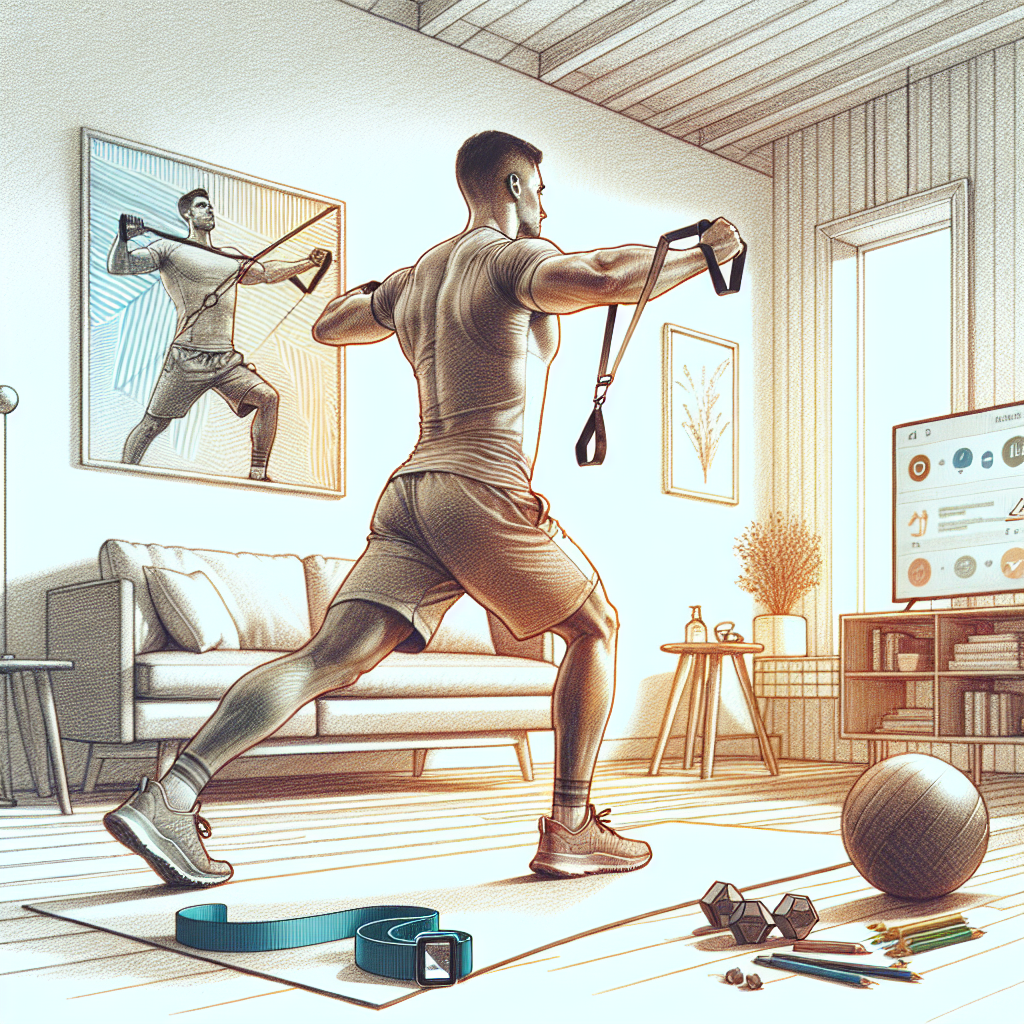
In today’s fast-paced world, many individuals struggle to find time for effective workouts, especially when access to a gym or extensive equipment may be limited. Fortunately, a comprehensive leg workout can be conducted with minimal gear, offering significant benefits for strength, endurance, and overall fitness. With just a few basic items, you can effectively target your leg muscles and enhance your physical health.

  • Introduction
  • The Importance of Leg Workouts
  • Essential Equipment for Home Workouts
  • Effective Leg Exercises with Minimal Equipment
  • Common Myths and Misconceptions
  • When to Consult a Professional
  • Frequently Asked Questions
  • Conclusion

The Importance of Leg Workouts

Leg workouts play a crucial role in overall body fitness. Strong legs not only enhance athletic performance but also contribute to better stability, balance, and mobility. Moreover, leg workouts engage some of the largest muscle groups in the body, facilitating improved metabolism and calorie burning. By incorporating regular leg exercises, you can fortify your lower body, prevent injuries, and enhance your daily function.

Essential Equipment for Home Workouts

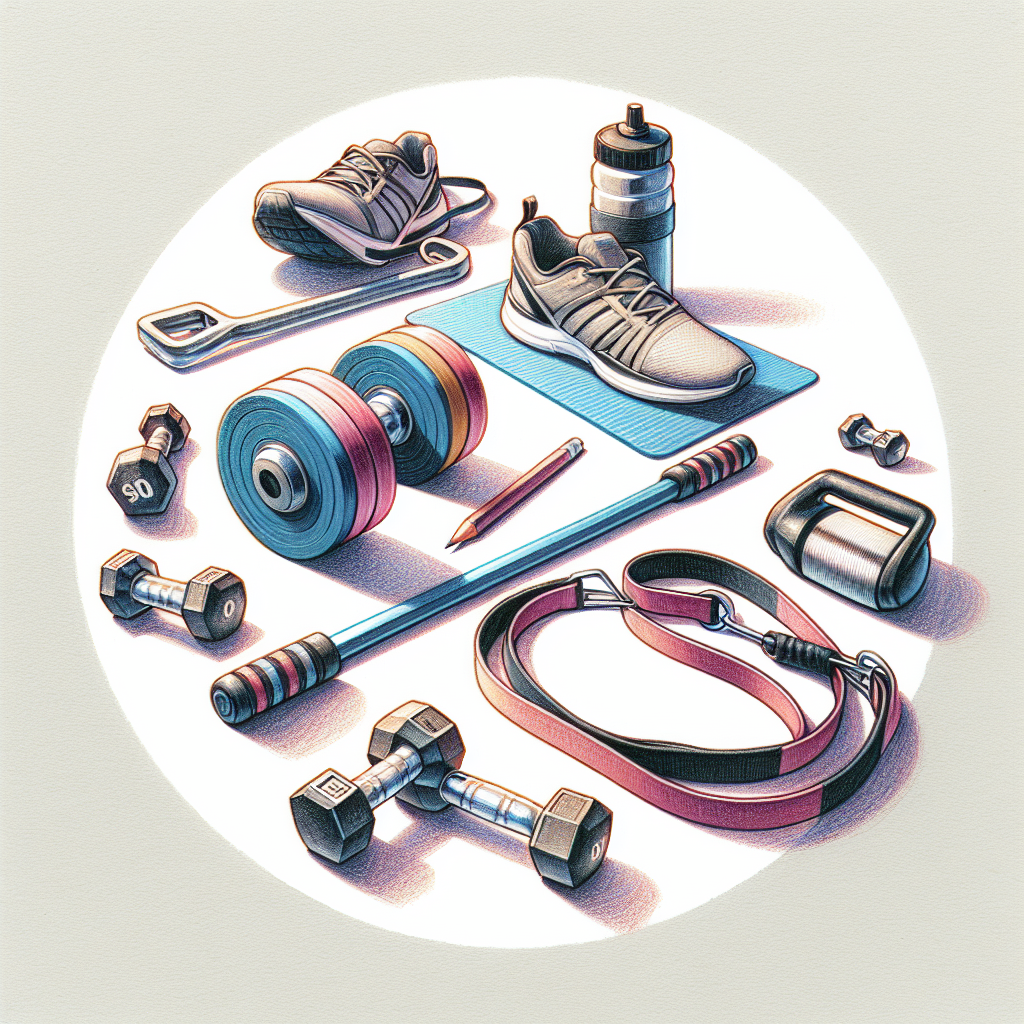
While elaborate gym setups can be beneficial, they are not a prerequisite for a successful workout routine. The following items are recommended for minimal equipment leg workouts:

  • Resistance Bands: These versatile bands add variable resistance to exercises, enhancing muscle engagement.
  • Dumbbells: A lightweight set can add intensity to leg exercises without needing much space.
  • Sturdy Chair or Bench: A stable surface is useful for various exercises such as step-ups and tricep dips.
  • Yoga Mat: Provides comfort for floor exercises and enhances grip for certain movements.

Effective Leg Exercises with Minimal Equipment

Here’s a structured approach to a leg workout that can be performed in the comfort of your home:

  1. Squats: Stand with feet shoulder-width apart. Lower into a squat while keeping your back straight. Hold for a moment, then return to standing. Aim for 3 sets of 10-15 repetitions.
  2. Lunges: Step forward with one leg and lower your hips until both knees are bent at about 90 degrees. Alternate legs for 3 sets of 10-12 repetitions.
  3. Glute Bridges: Lie on your back with knees bent and feet flat on the floor. Raise your hips towards the ceiling to form a straight line from shoulders to knees. Hold for a few seconds, then lower. Aim for 3 sets of 12-15 repetitions.
  4. Resistance Band Leg Press: Secure a resistance band under your feet while seated. Push against the band while keeping your back straight, then slowly return. Aim for 3 sets of 10-12 repetitions.
  5. Calf Raises: Stand on an elevated surface with your heels hanging off the edge. Raise your heels as high as possible, then lower back down. Aim for 3 sets of 12-15 repetitions.

For those seeking a structured regimen, consider registering for this 30-day exercise program, which requires only 6 minutes of effort each day and delivers results comparable to traditional gym workouts.

Common Myths and Misconceptions

Many misconceptions surround leg workouts, particularly regarding equipment and effectiveness:

  • Myth 1: Heavy weights are necessary for leg gains. Truth: Bodyweight exercises and lighter weights can yield significant results when performed with correct form.
  • Myth 2: You must workout every day to see results. Truth: Consistency and rest are key; 2-3 times per week is effective.
  • Myth 3: Spot reduction is possible. Truth: Fat loss occurs uniformly throughout the body, not just in targeted areas.

When to Consult a Professional

While engaging in leg workouts is beneficial, certain conditions may necessitate the involvement of a professional:

  • If you experience persistent pain during or after exercise.
  • If you have a pre-existing injury that may affect your ability to perform leg exercises.
  • If you are uncertain about proper exercise techniques or routines.

Frequently Asked Questions

Can I achieve leg muscle growth with bodyweight exercises?

Yes, bodyweight exercises can effectively promote muscle growth when performed with proper form and consistency.

How often should I conduct leg workouts?

For optimal results, aim for 2-3 leg workouts per week, allowing time for recovery in between sessions.

Are warm-ups necessary before leg workouts?

Yes, warming up is crucial to prepare your muscles and joints for the physical stress of the workout, reducing the risk of injury.

Can I combine leg workouts with upper body exercises?

Absolutely! Full-body workouts can be very effective in enhancing overall fitness.

Should I use weights during leg workouts?

Using weights can increase the intensity of your workouts; however, bodyweight exercises are also effective, especially for beginners.

How can I track my progress?

Monitor improvements by tracking the number of repetitions, the weight used, or how your body feels during workouts over time.

Conclusion

  • Leg workouts are essential for overall physical fitness and function.
  • Minimal equipment, like resistance bands and dumbbells, can facilitate effective workouts at home.
  • Implementing a variety of exercises enhances muscle engagement and growth.
  • Seek professional advice if you encounter persistent pain or have concerns regarding exercise techniques.
  • Consider integrating a comprehensive program for guided and structured training.

Incorporating leg workouts into your routine will significantly enhance your fitness journey. For a simplified approach to exercising, explore the 30-day exercise program that requires just 6 minutes each day for noticeable results.

Author: John Angel
Related articles

Categories
Fitness

Effective Muscle Building Without Weights: A Complete Guide

Best Way to Build Muscle Without Weights

Building muscle traditionally involves lifting weights, but for various reasons—including accessibility, safety, or personal preference—some individuals seek effective alternatives. Fortunately, it is entirely possible to enhance muscle growth using bodyweight exercises, resistance bands, and innovative training techniques. This article will guide you through these options, providing practical strategies to help you achieve your fitness goals without ever stepping foot in a gym.

  • Understanding Bodyweight Exercises
  • Utilizing Resistance Bands
  • Implementing Isometric Exercises
  • Incorporating High-Intensity Interval Training (HIIT)
  • Establishing a Routine
  • When to Consult a Professional
  • Common Myths and Mistakes
  • FAQ

Understanding Bodyweight Exercises

Bodyweight exercises harness the individual’s mass for resistance, promoting muscle hypertrophy (growth). Exercises such as push-ups, squats, and lunges can effectively target major muscle groups.

Key Bodyweight Exercises

  • Push-Ups: Targets chest, shoulders, and triceps.
  • Squats: Engages quadriceps, hamstrings, and glutes.
  • Pull-Ups: Strengthens back, shoulders, and arms.
  • Planks: Develops core stability and strength.

Utilizing Resistance Bands

Resistance bands offer a portable, versatile option for strength training. They provide varying resistance levels, enabling users to progressively overload muscles effectively.

Benefits of Resistance Bands

  • Portability: Easily transportable for workouts anywhere.
  • Versatility: Suitable for different muscle groups and exercise types.
  • Progressive Resistance: Gradually increase resistance to enhance muscle gains.

Implementing Isometric Exercises

Isometric exercises involve muscle contraction without movement, effectively promoting strength without the need for weights. Examples include wall sits and static lunges.

Examples of Isometric Exercises

  • Wall Sits: Strengthens quadriceps and glutes.
  • Plank Variations: Develops core strength and endurance.
  • Static Lunges: Engages multiple lower body muscles.

Incorporating High-Intensity Interval Training (HIIT)

HIIT consists of short bursts of intense exercise followed by rest or low-intensity activity. This approach not only builds muscle but also improves cardiovascular health.

HIIT Workout Structure

  • Choose Exercises: Select 4-6 exercises that target major muscle groups.
  • Time Intervals: Work at high intensity for 20-30 seconds, followed by 10-30 seconds of rest.
  • Repeat: Aim for 15-20 minutes total.

Establishing a Routine

Consistency is crucial for muscle growth. Aim to engage in strength training at least three times per week, incorporating the exercises outlined above.

Sample Weekly Schedule

  • Monday: Bodyweight exercises (push-ups, squats)
  • Wednesday: Resistance band training
  • Friday: HIIT session
  • Saturday: Isometric exercises

Additionally, you might consider joining a structured program like the 30-day exercise program that only requires 6 minutes of your time each day yet promises results comparable to traditional gym workouts.

When to Consult a Professional

While bodyweight training is generally safe, there are circumstances where seeking professional advice is advisable. Consider consulting a fitness expert if:

  • You experience persistent pain or discomfort during exercises.
  • You have pre-existing medical conditions or injuries affecting your ability to exercise.
  • You find it challenging to design an effective workout plan tailored to your needs.

Common Myths and Mistakes

Understanding common misconceptions is vital to enhancing your fitness journey. Here are a few prevalent myths regarding muscle building without weights:

Myth 1: Bodyweight Exercises Are Ineffective

Contrary to this belief, bodyweight exercises can indeed provide significant strength gains when performed correctly and progressively.

Myth 2: More Reps Equal More Results

While repetition is crucial, focusing on proper form and intensity offers more substantial benefits than sheer volume.

Myth 3: You Cannot Build Muscle Without Heavy Weights

Numerous athletes and fitness enthusiasts have successfully built muscle using only bodyweight and resistance bands.

FAQ

Can I build muscle with bodyweight exercises alone?

Yes, bodyweight exercises can promote muscle growth effectively if performed correctly and consistently.

How often should I do these exercises to see results?

Engaging in strength training at least three times a week is recommended for optimal results.

Do I need to follow a specific diet to build muscle?

A balanced diet rich in protein, carbohydrates, and healthy fats supports muscle growth alongside your workout routine.

Can beginners perform bodyweight exercises?

Absolutely. Bodyweight exercises can be adapted for all fitness levels, including beginners.

How can I measure my progress without weights?

Monitor your performance by tracking rep counts, increasing duration of holds, or moving to more challenging variations of exercises.

Is it necessary to hire a personal trainer?

While not necessary, a personal trainer can provide individualized guidance, especially for those new to exercise or with specific needs.

Conclusion

  • Bodyweight exercises, resistance bands, and isometric workouts are effective methods for building muscle without traditional weights.
  • Consistency and proper technique are key factors in achieving desired results.
  • Incorporating a structured program can enhance your efficiency and outcomes.
  • Consult a professional if you experience pain or struggle to determine the right approach.
  • Stay informed about common misconceptions to optimize your workout strategy.

Ready to start your journey toward muscle growth without weights? Explore the benefits of a consistent routine and consider joining a 30-day exercise program designed to yield results in just 6 minutes a day!

Author: John Angel

Related articles

Categories
Fitness

Optimize Home Workouts with Minimal Equipment for Effective Fitness

Home workouts have gained significant popularity, especially in today’s fast-paced world where many individuals seek efficient and effective means of maintaining fitness without the need for a gym membership. Engaging in exercise with minimal equipment not only saves time and resources but can also yield substantial results. In this article, we will explore how to optimize your home workout routine using minimal equipment while ensuring convenience and effectiveness.

  • Introduction
  • The Benefits of Minimal Equipment Workouts
  • Essential Equipment for Home Workouts
  • Effective Home Workout Routine
  • Consulting a Professional: When to Seek Help
  • Myths and Misconceptions about Home Workouts
  • Frequently Asked Questions
  • Conclusion

The Benefits of Minimal Equipment Workouts

Exercising at home with minimal equipment offers several advantages. First and foremost, it allows for flexibility in scheduling, as you can work out whenever it suits you. Additionally, minimizing equipment reduces financial overhead, thus making fitness accessible to everyone. Moreover, developing a personalized workout routine helps to enhance motivation as you take control of your fitness journey.

Essential Equipment for Home Workouts

If you are looking to establish an effective home workout routine, here are some fundamental pieces of equipment you might consider:

  • Resistance Bands: These versatile bands can be used for various exercises to enhance strength.
  • Dumbbells: A small set of dumbbells can add resistance for muscle training.
  • Yoga Mat: Essential for comfort and stability, particularly during floor exercises.
  • Jump Rope: An excellent tool for cardiovascular workouts and coordination.

Effective Home Workout Routine

When working with minimal equipment, it is crucial to design a balanced workout routine. Below is a concise structure that can be followed daily, taking as little as 6 minutes:

  1. Warm-Up (1 minute): Perform dynamic movements such as arm circles and leg swings to prepare the body.
  2. Push-Ups (1 minute): Engage in standard push-ups or modify them for your capability.
  3. Squats (1 minute): Utilize body weight or hold dumbbells for added resistance.
  4. Plank (1 minute): Focus on core stability by maintaining a plank position.
  5. Jump Rope (1 minute): Quickly elevate your heart rate with jump rope exercises.
  6. Cooldown (1 minute): Gradually reduce your heart rate with light stretching or deep breathing.

For more structured guidance, consider registering for a 30-day exercise program that requires only 6 minutes of daily effort, promising results comparable to traditional gym workouts.

Consulting a Professional: When to Seek Help

While home workouts can be beneficial for many, there are circumstances where consulting with a qualified fitness professional is advisable. Consider reaching out for advice if:

  • You have pre-existing health conditions.
  • You are unsure of the correct form for exercises.
  • You experience pain or discomfort during workouts.
  • You have specific fitness goals that require tailored guidance.

Myths and Misconceptions about Home Workouts

Understanding the truths behind common misconceptions related to home workouts can help you make informed decisions about your fitness journey:

  • Myth 1: Home workouts are less effective than gym workouts.
  • Myth 2: You need extensive equipment to see results.
  • Myth 3: Home workouts lack variety.
  • Myth 4: You cannot build muscle at home.

Frequently Asked Questions

Can I achieve my fitness goals at home without equipment?

Absolutely. Many bodyweight exercises can help build strength and endurance effectively.

How do I stay motivated while working out at home?

Set specific goals, track your progress, and vary your workouts to maintain interest.

How often should I work out at home?

Aim for at least three to five times per week, depending on your fitness level and goals.

Are there specific workouts for beginners?

Yes, starting with basic bodyweight exercises and gradually increasing intensity is recommended.

What should I do if I experience pain during exercise?

Stop the exercise immediately, assess the pain, and consult a healthcare professional if needed.

Can I work out at home if I have limited space?

Yes, many effective workouts require minimal space and equipment, focusing on bodyweight or resistance band exercises.

Conclusion

  • Establish a flexible and effective home workout routine.
  • Minimal equipment can yield significant results.
  • Consult a professional if any concerns arise during your fitness journey.
  • Be aware of myths surrounding home workouts to enhance motivation.
  • Consider a structured program for maximized results with minimal time commitment.

Incorporating regular exercise into your life does not have to be complex or expensive. With the right mindset and minimal equipment, you can achieve your fitness goals efficiently. Explore the opportunity to register for a 30-day exercise program that requires just 6 minutes of dedication each day. Empower your fitness journey today!

Author: John Angel

Related articles

Categories
Fitness

Maximize Fitness with Minimal Equipment Workouts

In today’s fast-paced world, finding time to exercise can be a challenge. Utilizing minimal equipment can prove highly effective, allowing individuals to maintain their fitness without the need for a gym membership or elaborate setup. This article provides practical guidance on how to design an efficient workout regimen with minimal resources while achieving maximum results.

  • Introduction
  • Benefits of Minimal Equipment Workouts
  • Types of Minimal Equipment
  • Effective Workout Strategies
  • When to Consult a Professional
  • Misperceptions about Minimal Equipment Workouts
  • Frequently Asked Questions
  • Conclusion

Benefits of Minimal Equipment Workouts

Working out with minimal equipment offers a variety of advantages. Firstly, it is cost-effective, eliminating the financial burden of purchasing gym memberships and bulky fitness machines. Secondly, these workouts are incredibly versatile, allowing for exercise in various settings, from the comfort of your home to local parks. Furthermore, minimal equipment often leads to enhanced body weight exercises that improve strength, flexibility, and balance, promoting overall functional fitness.

Types of Minimal Equipment

When considering minimal equipment workouts, a few basic items can significantly enhance the effectiveness of your regime:

  • Resistance Bands: Lightweight and portable, resistance bands provide adjustable resistance for strength training.
  • Dumbbells: A pair of dumbbells increases the variety of exercises and targets different muscle groups.
  • Yoga Mat: Essential for floor exercises and stretching, a mat offers comfort and stability.
  • Stability Ball: This versatile piece of equipment aids in balance and core workouts.
  • Jump Rope: An excellent tool for cardiovascular training, promoting agility and coordination.

Effective Workout Strategies

For effective workouts with minimal equipment, it is essential to focus on high-utility strategies. Consider following these concrete steps:

  1. Define Your Goals: Determine whether your primary aim is to lose weight, build muscle, or improve endurance. Your approach will vary based on your goals.
  2. Schedule Consistency: Aim for regular intervals in your training, such as dedicating 15-30 minutes, three to five times a week. Consistent patterns produce better outcomes than sporadic efforts.
  3. Compound Exercises: Prioritize movements that engage multiple muscle groups, such as squats, push-ups, and lunges. These exercises maximize efficiency and effectiveness.
  4. Incorporate Interval Training: Alternating between high-intensity bursts and low-intensity recovery fosters enhanced cardiovascular fitness and greater calorie burn.
  5. Monitor Progress: Maintain a journal or use fitness apps to keep track of your workouts and progress, which can provide motivation and accountability.
  6. Join a Program: Consider enrolling in structured programs like this 30-day exercise program that promises results in just 6 minutes of daily exercise.

When to Consult a Professional

While minimal equipment workouts can be initiated independently, specific circumstances may require professional consultation. Seek guidance from a qualified fitness professional if you experience:

  • Persistent pain during or after exercise
  • Difficulty performing basic movements
  • Unexplained fatigue or a significant decline in performance
  • Medical conditions that might affect your ability to exercise safely
  • A desire for tailored programs that cater to specific fitness goals

Misperceptions about Minimal Equipment Workouts

It is essential to address some common myths surrounding minimal equipment workouts:

  • Myth 1: Minimal equipment cannot provide a thorough workout. Reality: Effective routines can be designed utilizing just bodyweight and a few tools.
  • Myth 2: Only heavy weights lead to muscle growth. Reality: Resistance training using lighter weights or bands can stimulate muscle growth effectively.
  • Myth 3: Minimal workouts lack intensity. Reality: High-intensity interval training (HIIT) can be performed with minimal equipment, yielding significant results.
  • Myth 4: These workouts yield slower results. Reality: Consistent, focused training can lead to rapid improvements in fitness, often comparable to traditional gym sessions.
  • Myth 5: An effective workout is only achievable with advanced knowledge. Reality: Simple, structured, and guided programs can deliver excellent results without requiring extensive skills.

Frequently Asked Questions

How effective are minimal equipment workouts?

Minimal equipment workouts can be highly effective, particularly when designed with a focus on body weight and compound movements.

Can I build muscle without heavy weights?

Yes, you can build muscle with light weights, resistance bands, or bodyweight exercises by focusing on volume and intensity.

How often should I work out with minimal equipment?

A frequency of three to five workouts per week is typically recommended for consistent progress.

Do I need a fitness coach for minimal equipment workouts?

While a coach can provide tailored guidance, many individuals can successfully create effective routines independently or through structured programs.

Are minimal equipment workouts suitable for beginners?

Absolutely! Minimal equipment workouts are accessible and adaptable for all levels, including beginners.

How can I avoid injury during minimal equipment workouts?

To prevent injury, focus on proper form, start with manageable weights, and warm up before exercises.

Conclusion

  • Minimal equipment workouts are cost-effective and versatile.
  • Essential items such as dumbbells and resistance bands enhance workout efficiency.
  • A well-structured routine prioritizing compound exercises can yield significant results.
  • Engaging in consistent training schedules is crucial for progress.
  • Professional consultation should be considered in case of persistent issues or specific goals.

Explore the potential of minimal equipment workouts today and consider checking out the 30-day exercise program where just six minutes a day can transform your fitness journey. Take the first step toward achieving your health goals!

Author: John Angel

Related articles

Website analytics information

We use Google Analytics 4 for visitor statistics. Analytics cookies require your consent, which you can change using the button above. The data controller is ZDRAVÍ S ÚSMĚVEM s.r.o., company ID 29283329, contact podpora@revolucnicviceni.cz. Google processes browser, device and page visit information. We do not send form field values to Analytics. How Google uses information · Google Privacy Policy.