
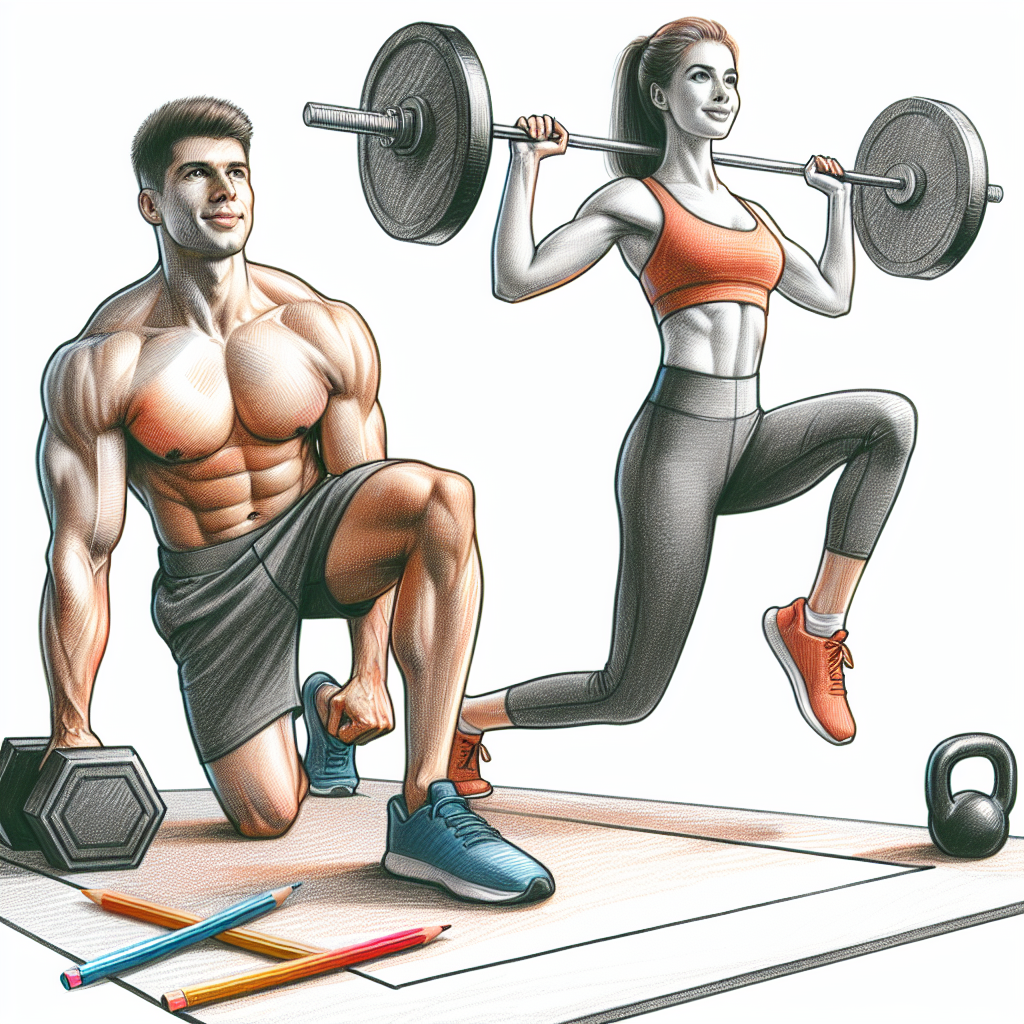
Workouts Without Equipment to Build Muscle
Building muscle without the need for gym equipment has gained considerable attention in recent years. With effective bodyweight exercises, individuals can achieve significant strength gains, improve muscle tone, and enhance overall fitness. This article will guide you through various techniques and routines designed to maximize muscle growth without the need for weights or machines. Additionally, for those seeking a structured approach, consider a free 30-day exercise program that requires merely 6 minutes of daily commitment, promising results akin to traditional gym workouts: Register here.
- Understanding Bodyweight Workouts
- Key Exercises for Muscle Building
- Sample Bodyweight Routine
- Benefits of No-Equipment Workouts
- When to Consult a Professional
- Common Myths About Bodyweight Training
- Frequently Asked Questions
- Conclusion
Understanding Bodyweight Workouts
Bodyweight workouts leverage an individual’s own weight as resistance. This type of training promotes muscle engagement, stability, and functional strength without the need for additional equipment. By using gravity and proper techniques, individuals can effectively target various muscle groups. This approach often leads to improved body awareness and enhanced core strength.
Key Exercises for Muscle Building
To maximize muscle growth through bodyweight exercises, it is crucial to focus on movements that engage multiple muscle groups simultaneously. Below are some of the most effective exercises:
- Push-Ups: Target the chest, triceps, and shoulders.
- Squats: Focus on the quadriceps, hamstrings, and glutes.
- Pull-Ups: Utilize the back and biceps; can be performed using a sturdy bar.
- Lunges: Engage multiple leg muscles and promote balance.
- Planks: Strengthen the core and improve stability.
Sample Bodyweight Routine
Here is a concise routine that can be performed anywhere, requiring no equipment:
- Warm-Up: 3–5 minutes of jumping jacks or dynamic stretches.
- Push-Ups: 3 sets of 10–15 repetitions.
- Bodyweight Squats: 3 sets of 15–20 repetitions.
- Lunges: 3 sets of 10 lunges per leg.
- Planks: Hold for 30–60 seconds, 2–3 times.
- Cool Down: 3–5 minutes of stretching.
This routine focuses on major muscle groups and can be modified based on individual fitness levels. Gradually increasing repetitions or sets can lead to continued progress.
Benefits of No-Equipment Workouts
Engaging in workouts without equipment offers several notable advantages:
- Accessibility: No need for a gym membership or equipment investment.
- Flexibility: Workouts can be performed anywhere—home, park, or during travel.
- Time Efficiency: Short, effective routines can fit into busy schedules.
- Functional Strength: Enhance everyday movement capabilities through functional training.
- Variety: A wide range of exercises can keep workouts engaging.
When to Consult a Professional
While bodyweight training is generally safe for most individuals, certain signs may indicate the need to consult a fitness professional or healthcare provider:
- Persistent pain during workouts that doesn’t subside after rest.
- Unexplained fatigue or lack of motivation to exercise.
- Difficulty performing basic movements or exercises due to injury.
- Signs of overtraining, such as insomnia or irritability.
In such cases, professional guidance can help tailor an exercise program to individual needs, ensuring both safety and effectiveness.
Common Myths About Bodyweight Training
Despite the growing popularity of bodyweight workouts, several misconceptions persist:
- Myth 1: Bodyweight exercises are not as effective as lifting weights.
Fact: Bodyweight exercises can be incredibly effective for muscle growth when performed correctly and progressively. - Myth 2: You cannot build significant muscle mass without weights.
Fact: With increased resistance, variations, and proper nutrition, substantial muscle gains are achievable. - Myth 3: Only beginners can benefit from bodyweight training.
Fact: Advanced practitioners can find challenge and variety in bodyweight routines through creative progressions.
Frequently Asked Questions
Can I build muscle with just bodyweight exercises?
Yes, with proper progression and variations, bodyweight exercises can effectively promote muscle growth.
How often should I perform bodyweight workouts?
Generally, 3–5 times a week is recommended, allowing for rest days in between for recovery.
What is the best time of day to work out?
The best time varies by individual; consistency is key, whether it’s morning, afternoon, or evening.
How can I make bodyweight exercises more challenging?
Incorporate advanced variations, increase reps, or reduce rest time between sets to enhance difficulty.
Will I lose weight with bodyweight exercises?
Bodyweight exercises can aid in weight loss when combined with proper nutrition and caloric management.
Are there any risks associated with bodyweight training?
As with any form of exercise, improper form can lead to injury; therefore, it’s crucial to use correct techniques and listen to your body.
Conclusion
- Bodyweight workouts are effective for muscle building and can be performed anywhere.
- A variety of exercises target multiple muscle groups simultaneously.
- Regular consultation with professionals can enhance safety and effectiveness.
- Dispelling common myths can help individuals embrace bodyweight training.
- Consider a structured program to guide your daily efforts, achieving optimal results.
Don’t hesitate to take the first step towards your fitness goals. Sign up for a free program that only requires 6 minutes of your day: Register here.
Author: John Angel