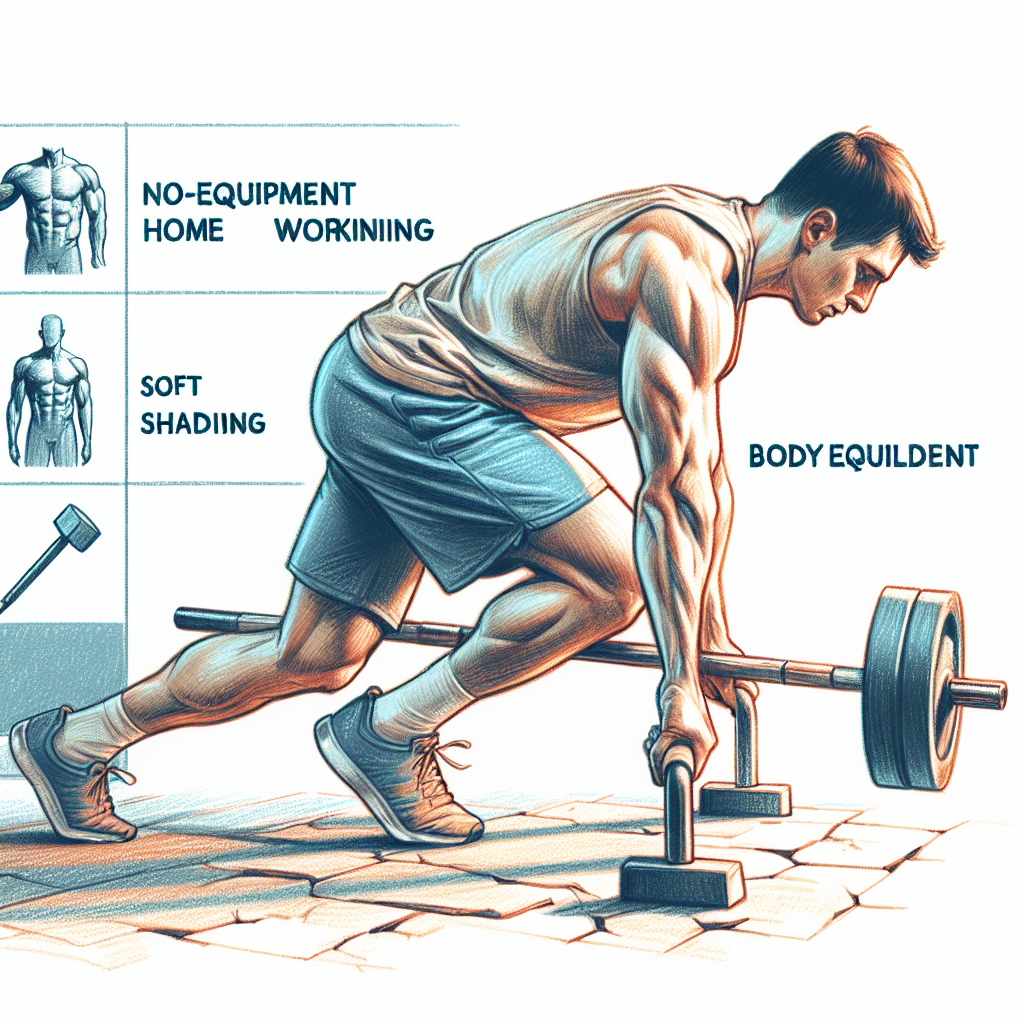
In a world where gym memberships can be costly and time-consuming, finding effective workouts at home without any equipment becomes essential. Whether you are looking to lose weight, build muscle, or maintain overall fitness, home workouts can be tremendously beneficial. Not only can you exercise at your convenience, but you can also be effective in just a few short minutes each day. The key is to choose the right exercises and maintain consistency. This article explores the best no-equipment workouts you can do at home, along with a curated plan for getting started.
- Introduction to Home Workouts
- Key Benefits of No-Equipment Workouts
- Essential No-Equipment Exercises
- Structuring Your Workout Routine
- When to Consult a Professional
- Common Myths and Mistakes
- Frequently Asked Questions (FAQ)
- Conclusion
Key Benefits of No-Equipment Workouts
No-equipment workouts offer a plethora of advantages that can cater to different fitness levels and lifestyles. Here are some key benefits:
- Cost-Effective: You can achieve a full-body workout without paying for a gym or purchasing equipment.
- Accessibility: You can perform these exercises anywhere, whether at home, in your yard, or even in a park.
- Flexibility: You can schedule your workouts around your commitments, making it easier to stay consistent.
- Time-Saving: Short workouts can deliver noticeable results, especially when time is limited.
- Engagement: Variety in exercises can keep workouts interesting and challenging.
Essential No-Equipment Exercises
A well-rounded workout routine should target various muscle groups. Below are some effective no-equipment exercises that can be performed at home:
- Push-ups: Excellent for upper body strength, targeting the chest, shoulders, and triceps.
- Squats: A fundamental exercise for lower body strength, engaging the quads, hamstrings, and glutes.
- Planks: Effective for core strength and stability, helping improve posture and balance.
- Lunges: Beneficial for leg strength, stability, and balance, and can be modified to target different areas.
- Burpees: A full-body workout that combines strength and cardiovascular training.
- Mountain Climbers: Strengthens the core while providing an excellent cardiovascular workout.
Structuring Your Workout Routine
To achieve maximum results with minimal equipment, consider the following structure for your workout regimen:
- Warm-Up: Always start with at least 5 minutes of light aerobic activity to prepare your body. This could be jogging in place or dynamic stretches.
- Choose Exercises: Select 4-6 exercises from the list above. Aim for a mix of lower body, upper body, and core workouts.
- Set a Time Limit: Even a 6-minute commitment can yield results. Consider performing each exercise for 30 seconds followed by 15 seconds of rest.
- Cool Down: Finish with stretching for 5-10 minutes to aid recovery and flexibility.
- Consistency: For optimal results, aim to work out at least 5 times per week.
For those seeking an innovative approach, consider registering for a 30-day exercise program where you only exercise for 6 minutes daily, achieving results akin to gym workouts.
When to Consult a Professional
While exercising at home can be safe and effective, certain circumstances warrant professional advice:
- If you experience persistent pain or discomfort, particularly during specific movements.
- When unsure about the proper form for specific exercises, which could lead to injury.
- If you have pre-existing health conditions or concerns regarding your ability to engage in physical activity.
- When your fitness progress plateaus, and you are uncertain how to improve or adapt your routine.
Common Myths and Mistakes
While home workouts are increasingly popular, several misconceptions can hinder progress:
- Myth: No-equipment workouts are less effective than those using weights.
- Mistake: Ignoring warm-up and cool-down routines.
- Myth: You need to work out for hours to see results.
- Mistake: Focusing on only one muscle group.
Reality: Bodyweight exercises can provide significant strength and endurance benefits, depending on intensity and consistency.
Reality: Warming up prepares your muscles and reduces injury risk, while cooling down promotes recovery.
Reality: Short, high-intensity workouts can be more effective than longer, low-intensity sessions.
Reality: A balanced approach engaging all body parts fosters overall fitness and prevents imbalances.
Frequently Asked Questions (FAQ)
Can I build muscle with no-equipment workouts?
Yes, bodyweight exercises can effectively promote muscle growth when performed consistently and progressively challenged.
How often should I perform no-equipment workouts?
Aim for at least 5 workouts per week to see significant improvement in strength and endurance.
What are some good warm-up exercises?
Dynamic stretches, jogging in place, or jumping jacks are excellent warm-up options.
How do I stay motivated to work out at home?
Set realistic goals, track your progress, and vary your workouts to keep things fresh and engaging.
Can I lose weight with home workouts?
Yes, a well-structured workout routine combined with a balanced diet can lead to effective weight loss.
Are there any safety concerns for beginners?
Beginners should focus on proper form, avoid overexertion, and consult a professional if any issues arise.
Conclusion
- No-equipment workouts are cost-effective and accessible, ideal for all fitness levels.
- Incorporating a variety of exercises ensures a balanced workout routine.
- A consistent schedule significantly enhances results.
- It is essential to warm up and cool down to prevent injuries.
- Consult a professional if you experience any pain or have specific health concerns.
For more personalized guidance, consider registering for a 30-day exercise program featuring a unique 6-minute daily routine that promises exceptional results.
Author: John Angel