
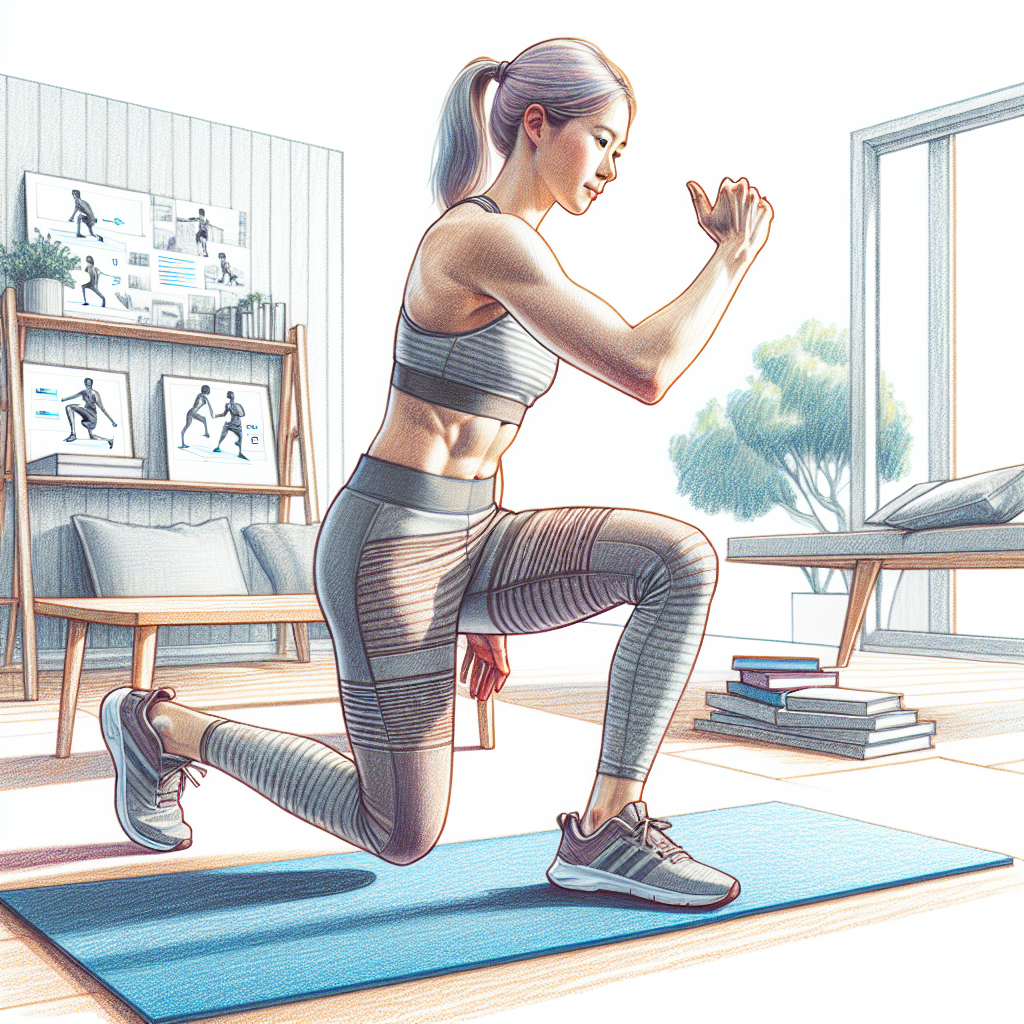
In today’s fast-paced world, maintaining physical fitness can be a challenge, especially for those who prefer exercising at home without access to gym equipment. A full-body workout routine designed for this environment offers a convenient and effective way to enhance overall fitness, boost mood, and improve health. This article will provide you with a comprehensive guide to constructing a full-body workout routine at home that requires no equipment, making it accessible for everyone.
- Understanding the Benefits of Full-Body Workouts
- Essential Movements for a Full-Body Routine
- Designing Your Home Workout Routine
- Practical Examples of Full-Body Workouts
- Common Mistakes to Avoid
- When to Consult a Professional
- Frequently Asked Questions
Understanding the Benefits of Full-Body Workouts
Full-body workouts target multiple muscle groups within a single session, providing a time-efficient approach to strength training and cardiovascular health. These workouts promote balanced muscle development and can enhance metabolic rate, facilitating weight loss and muscle toning. Moreover, this approach can improve overall functionality in daily life, as various movements mimic tasks one might perform regularly.
Essential Movements for a Full-Body Routine
A well-structured full-body workout incorporates core, upper, and lower body exercises. Here are some fundamental movements to consider:
- Push-ups: Strengthens the chest, shoulders, and triceps.
- Squats: Targets the quadriceps, hamstrings, and glutes.
- Planks: Engages the core while also working the shoulders and back.
- Lunges: A compound movement affecting the legs and glutes.
- Burpees: An excellent full-body exercise that combines strength and cardio.
Designing Your Home Workout Routine
When creating a full-body workout routine, it’s important to consider the following elements:
- Frequency: Aim for 3 to 5 times a week, allowing rest days for muscle recovery.
- Duration: Each session can last from 20 to 30 minutes, depending on your fitness level.
- Repetitions and Sets: A general guideline is to perform 8-12 repetitions of each exercise for 2-4 sets.
- Variety: To keep the routine engaging, regularly incorporate different exercises or variations.
Practical Examples of Full-Body Workouts
Below is a simple home workout routine that requires no equipment, designed to give you a full-body workout in a short amount of time:
- Warm-up: 5 minutes of dynamic stretches (arm circles, leg swings).
- Push-ups: 3 sets of 10 repetitions.
- Bodyweight Squats: 3 sets of 15 repetitions.
- Plank: Hold for 30 seconds, 3 times.
- Lunges: 3 sets of 10 repetitions (each leg).
- Burpees: 3 sets of 8 repetitions.
- Cooldown: 5 minutes of stretching focusing on major muscle groups.
To maximize results from minimal time investment, consider registering for a free 30-day exercise program that emphasizes quick daily workouts. You can achieve significant results in just 6 minutes a day: Join the program here.
Common Mistakes to Avoid
While implementing a home workout routine, individuals often fall into common pitfalls that can diminish the effectiveness of their efforts. Here are some mistakes to avoid:
- Lack of Warm-up: Skipping the warm-up can increase the risk of injury.
- Poor Form: Incorrect techniques can lead to injuries; prioritize form over repetitions.
- Neglecting Rest Days: Recovery is crucial for muscle growth and overall performance.
- Monotony: Repetition of the same routine can lead to boredom; switch up exercises regularly.
When to Consult a Professional
Engaging in physical activity is generally safe and beneficial; however, there are situations where consulting with a qualified professional is advisable:
- If you experience persistent pain or discomfort during or after exercise.
- In the case of pre-existing health conditions that may affect your ability to exercise.
- For personalized programs tailored to specific fitness goals or to accommodate injuries.
- When you’re unsure of your form and technique, professional guidance can help prevent injuries.
Frequently Asked Questions
What are the benefits of working out at home?
Working out at home provides convenience, privacy, and flexibility in scheduling workouts without the need for specialized equipment.
How often should I do full-body workouts?
It is recommended to perform full-body workouts 3 to 5 times a week for optimal results.
Can beginners perform these exercises?
Yes, beginners can start with modified versions of each exercise and gradually progress to standard versions as strength improves.
How can I track my progress?
Keeping a workout journal or using fitness apps can help you track your exercises, repetitions, and overall progress.
Is it necessary to have rest days?
Yes, rest days are crucial for recovery and muscle repair, allowing your body to prevent overuse injuries.
What if I have limited space to exercise?
Many bodyweight exercises can be performed in small spaces, focusing on movements that require little room like planks, squats, and push-ups.
Conclusion
- Full-body workouts can be effective and convenient for anyone exercising at home.
- Incorporating a variety of bodyweight exercises promotes balanced strength development.
- Regularly evaluating your routine can maximize results and maintain engagement.
- Awareness of common mistakes helps enhance workout safety and effectiveness.
- Consulting a professional can provide personalized guidance when faced with challenges or goals.
Start your fitness journey today by implementing these strategies into your routine. Visit this link to register for a 30-day program that helps you achieve results in just 6 minutes of exercise daily. Take that first step towards a healthier you!
Author: John Angel