Categories
Fitness

Top Bodyweight Strength Exercises You Can Do Anywhere

Best Strength Exercises Without Equipment

In today’s fast-paced world, finding time for fitness can be a challenge. However, strength training is vital for maintaining muscle mass, improving metabolism, and enhancing overall well-being. This article explores the best strength exercises you can perform without any equipment, empowering you to work out effectively anytime and anywhere. By incorporating these exercises into your daily routine, you can achieve significant fitness results.

  • Introduction
  • Benefits of Bodyweight Training
  • Top Strength Exercises
  • Creating a Balanced Routine
  • When to Seek Professional Guidance
  • Common Myths and Mistakes
  • Frequently Asked Questions
  • Conclusion

Benefits of Bodyweight Training

Bodyweight exercises, performed using your own body weight as resistance, offer numerous advantages:

  • Convenience: No need for gym memberships or equipment; you can exercise anywhere.
  • Versatility: Exercises can be modified to target various muscle groups and fitness levels.
  • Functional Fitness: Movements mimic everyday activities, enhancing overall functional ability.
  • Cost-effective: Ideal for budget-conscious individuals, as no expensive equipment is required.

Top Strength Exercises

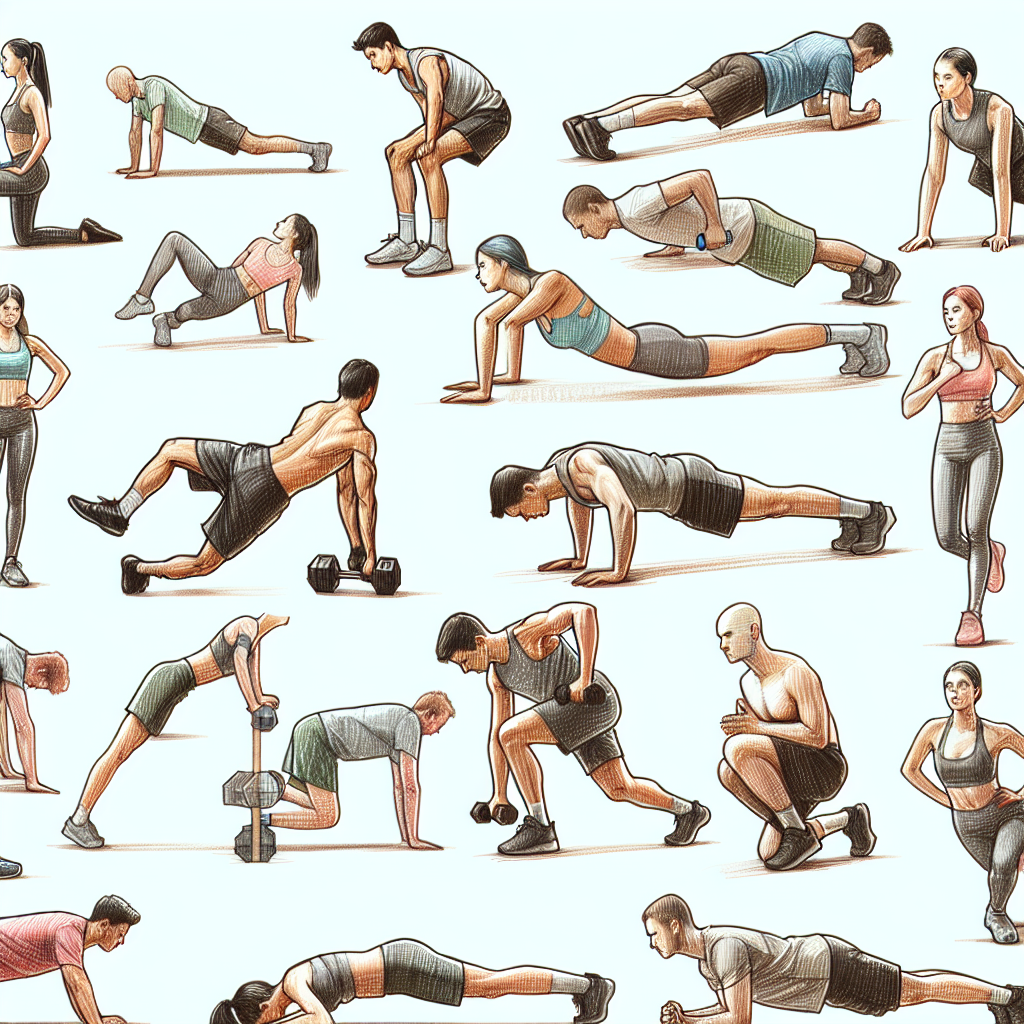
Here is a list of some of the most effective bodyweight strength exercises that can easily be incorporated into your routine:

Push-Ups

Push-ups are an excellent upper body exercise that targets the chest, shoulders, and triceps.

  1. Start in a plank position with hands slightly wider than shoulder-width apart.
  2. Lower your body until your chest almost touches the ground.
  3. Push back up to the starting position.

Squats

Squats engage multiple muscle groups, including the glutes, quadriceps, and calves.

  1. Stand with your feet shoulder-width apart.
  2. Lower your body into a squat position, keeping your back straight.
  3. Push through your heels to return to standing.

Lunges

Lunges are highly effective for strengthening the legs and improving balance.

  1. Step forward with one leg, bending both knees to about 90 degrees.
  2. Push back to the starting position.
  3. Switch legs and repeat.

Planks

Planks build core strength and stability.

  1. Lie face down with your forearms and toes on the ground.
  2. Lift your body into a straight line from head to heels.
  3. Hold this position for as long as possible, maintaining proper form.

Burpees

Burpees provide a full-body workout, combining strength and cardiovascular training.

  1. From standing, squat down and place your hands on the ground.
  2. Kick your feet back into a plank position.
  3. Perform a push-up, then return to squat and jump explosively back to standing.

Creating a Balanced Routine

To ensure a well-rounded fitness regimen, consider the following components:

  • Warm-Up: Engage in light cardio or dynamic stretching to prepare your muscles.
  • Strength Training: Perform 3-4 workouts a week, alternating between upper and lower body exercises.
  • Flexibility and Cool Down: Conclude with static stretches to improve flexibility and prevent injury.

For those looking to simplify their exercise journey, consider exploring a 30-day exercise program where you only need to dedicate 6 minutes each day. The program yields results comparable to traditional gym visits. You can register for free at this link.

When to Seek Professional Guidance

Consult a professional if you experience any of the following:

  • Persistent Pain: If pain from exercising continues for more than a few days.
  • Injuries: Any sign of serious injury, such as fractures or ligament tears.
  • Medical Conditions: Existing health problems that could affect your ability to exercise safely.
  • Inexperience: If unsure how to execute movements correctly, professional guidance can ensure safe and effective workouts.

Common Myths and Mistakes

Understanding the following misconceptions can enhance your workout experience:

  • Myth 1: Bodyweight exercises are not effective for building strength.
  • Myth 2: You need equipment for a complete workout.
  • Myth 3: High repetitions are the only way to gain muscle.
  • Mistake: Neglecting core and stabilizing muscles, which are essential for overall strength.

Frequently Asked Questions

Can I build muscle without weights?

Yes, bodyweight exercises can effectively build muscle and strength.

How often should I do bodyweight exercises?

Aim for 3-4 sessions per week, allowing recovery between workouts.

Are bodyweight exercises safe for beginners?

Yes, they can be started at any fitness level, but proper form is crucial.

How can I progress with bodyweight exercises?

Increase repetitions, vary exercises, or reduce rest time to create more challenge.

Do I need to stretch after bodyweight workouts?

Yes, post-workout stretching is vital for recovery and flexibility.

Can I lose weight with bodyweight exercises?

Yes, they can contribute to weight loss when combined with a balanced diet.

Conclusion

  • Bodyweight exercises are effective for building strength and improving overall fitness.
  • Key exercises include push-ups, squats, lunges, planks, and burpees.
  • Creating a balanced routine can maximize results and prevent injury.
  • Consult professionals when encountering persistent pain or injury concerns.
  • Understanding common myths helps you avoid mistakes in your workout approach.

Begin your fitness journey today by incorporating these exercises into your routine, and consider exploring the free 30-day exercise program available at this link. Your body will thank you for it!

Author: John Angel
Related articles

Categories
Fitness

Effective Weight Training Strategies for Successful Weight Loss

Embarking on a weight loss journey can often feel overwhelming, but incorporating weight training into your routine can fundamentally change your approach. This method not only promotes fat loss but also builds lean muscle, which increases metabolism and improves overall health. In this article, we will explore how weight training in the gym enhances weight loss, alongside practical strategies for integrating it into your routine.

  • Understanding Weight Training
  • The Role of Muscle in Weight Loss
  • Essential Exercises for Beginners
  • Short Workouts: The Magic of Six-Minute Sessions
  • Common Myths About Weight Training
  • When to Consult a Professional
  • Frequently Asked Questions
  • Conclusion

Understanding Weight Training

Weight training, often misunderstood as an endeavor only for bodybuilders, is an effective method for everyone aiming for a slimmer physique. It involves the use of weights, resistance bands, or body weight to create resistance and stimulate muscle growth. By incorporating weight training into your weight loss journey, you not only burn calories during the workout but also continue to burn them post-exercise as your body repairs and builds muscle.

The Role of Muscle in Weight Loss

Muscle tissue is metabolically active, meaning it burns more calories at rest compared to fat tissue. This makes it a vital component of an effective weight loss strategy. A pound of muscle can burn approximately 6 to 10 calories per day just by being present, whereas a pound of fat burns only about 2 to 3 calories. Thus, increasing your muscle mass through weight training can significantly boost your metabolic rate, making weight loss more manageable over time.

Essential Exercises for Beginners

If you are new to weight training, starting with basic exercises is crucial. Here are some effective movements to consider:

  • Squats: Great for building strength in your legs and core.
  • Push-ups: A classic body weight exercise that strengthens the chest, shoulders, and triceps.
  • Dumbbell Rows: Targets your back and helps improve posture.
  • Lunges: An excellent lower body workout that also engages the core.
  • Planks: A simple yet effective way to build core strength and stability.

Short Workouts: The Magic of Six-Minute Sessions

Imagine having only six minutes in your day dedicated to a workout that can yield significant results. The beauty of short workouts lies in their convenience; they can be performed at home or the gym, requiring minimal time commitment while delivering maximum benefits. These sessions often include high-intensity interval training (HIIT) principles, elevating your heart rate and boosting calorie burn efficiently throughout the day.

The six-minute workouts are especially beneficial for individuals with busy schedules. They don’t require long hours in the gym, making it easier to integrate fitness into your daily routine. Additionally, they help maintain your energy levels, improve mood, and foster a sense of accomplishment—all crucial facets of a successful weight loss journey.

If you’re interested in trying this approach, consider signing up for the SixPack workout program for 30 days for free, which includes a variety of quick but effective workouts designed to keep you motivated and engaged.

Common Myths About Weight Training

Weight training is often accompanied by misconceptions that can deter individuals from embracing it as part of their fitness journey. Here are a few common myths debunked:

  • Myth 1: Weight training is only for men.
  • Myth 2: Lifting weights will make me bulky.
  • Myth 3: Cardio is the only way to lose weight.
  • Myth 4: You need to lift heavy weights to see results.

These myths can create barriers to entry. Understanding the truth behind them is crucial for anyone looking to lose weight effectively and healthily.

When to Consult a Professional

While weight training can be highly beneficial, there are instances where seeking professional advice is recommended:

  • If you are unsure about proper form and technique, which is important to prevent injury.
  • If you have pre-existing health conditions or injuries that may be exacerbated by exercise.
  • If you’re not seeing results despite consistent effort, as a professional can help optimize your program.

Frequently Asked Questions

How often should I weight train for weight loss?

For optimal results, aim for 2-3 weight training sessions per week, allowing your muscles time to recover between workouts.

Will weight training help me lose belly fat?

Yes, weight training can help reduce overall body fat, including belly fat, through increased metabolism and calorie burn.

Can I do weight training at home?

Absolutely! Many effective weight training exercises can be done at home with minimal equipment.

How long should my weight training sessions last?

Sessions can vary, but 30-60 minutes is generally sufficient, with a focus on form rather than duration.

Is it necessary to do cardio along with weight training?

While not required, combining cardio with weight training can enhance your weight loss results and improve cardiovascular health.

What should I eat before or after a weight training session?

A balanced meal containing protein and carbohydrates is ideal before and after training to fuel your workout and aid recovery.

Conclusion

  • Weight training is an effective method for enhancing your weight loss journey.
  • Building muscle increases your metabolism, promoting more efficient fat loss.
  • Short, six-minute workouts make incorporating fitness into your daily routine manageable and enjoyable.
  • Debunking common myths can empower individuals to embrace weight training without fear.
  • Consulting a professional may be necessary to tailor an approach that meets individual needs and goals.

As you navigate your weight loss journey, consider starting with weight training to unlock its myriad benefits. Sign up for the SixPack workout program for 30 days for free and discover how short workouts can transform not just your physique but your daily life as well.

Author: John Angel

Related articles

Categories
Fitness

Comprehensive Guide to Weight Lifting Exercises and Benefits

Understanding Weight Lifting Exercises

Weight lifting exercises are a pivotal component of any successful fitness regimen, particularly for those embarking on a weight loss journey. These exercises not only enhance muscle strength and endurance but also play a crucial role in boosting metabolism, facilitating fat loss, and improving overall physical health. This article aims to demystify weight lifting, presenting the benefits, practical advice, and common misconceptions surrounding this form of exercise.

  • Benefits of Weight Lifting
  • Types of Weight Lifting Exercises
  • Beginner’s Guide to Starting
  • Six-Minute Short Workouts at Home
  • Consulting a Professional
  • Common Myths and Misconceptions
  • Frequently Asked Questions

Benefits of Weight Lifting

The advantages of incorporating weight lifting into your fitness routine extend beyond muscle building. Notably, these exercises can lead to effective weight loss by increasing your resting metabolic rate, which encourages the body to burn calories even at rest. Moreover, weight lifting enhances bone density, supports joint health, and improves body composition. By building muscle, you can effectively shed fat, ultimately leading to a healthier and more toned physique.

Types of Weight Lifting Exercises

Weight lifting can be broadly categorized into various types, including:

  • **Free Weights**: Exercises using dumbbells and barbells, allowing a full range of motion.
  • **Machines**: Focused movements that support specific muscle groups and often include safety features.
  • **Bodyweight Exercises**: Utilizing your own body weight as resistance, such as push-ups, squats, and pull-ups.
  • **Resistance Bands**: Flexible bands that offer dynamic resistance based on the strength of the user.

Beginner’s Guide to Starting

If you are new to weight lifting, consider the following steps to start your journey effectively:

  1. Consult a Professional: Before beginning any exercise program, discuss your plans with a qualified trainer or healthcare professional.
  2. Set Clear Goals: Define what you want to achieve through weight lifting, such as building strength or losing weight.
  3. Learn Proper Form: Invest time in learning how to perform exercises correctly to minimize the risk of injury.
  4. Start Slow: Begin with lighter weights and gradually progress to heavier ones as your strength improves.
  5. Incorporate Variety: Include diverse exercises in your routine to ensure all muscle groups are engaged.

Six-Minute Short Workouts at Home

One of the most enchanting aspects of weight lifting is the ability to harness its benefits even with minimal time commitment. The magic of six-minute short workouts lies in their efficiency and adaptability. These workouts can be seamlessly integrated into your daily routine, whether as a quick morning energizer or a productive break during your workday. The focus is on high-intensity intervals that engage multiple muscle groups, promoting fat burn and increasing strength in a condensed format.

To experience the profound impact of these brief sessions, consider registering for the 30-day free SixPack workout program. This program is designed to guide you through effective six-minute workouts tailored for home execution, nurturing both your physical and mental well-being.

Consulting a Professional

It is paramount to recognize when to consult a healthcare professional. If you experience persistent pain, discomfort, or any unusual symptoms while lifting weights, it is advisable to seek immediate guidance. Consulting with a qualified trainer can also enhance your understanding of proper techniques and prevent injury, supporting a more successful fitness journey.

Common Myths and Misconceptions

Several prevalent myths can cloud the understanding of weight lifting. Addressing these misconceptions is vital for anyone beginning their fitness journey:

  • Myth 1: Weight lifting makes you bulky. In reality, weight training helps achieve a toned physique without excessive bulk.
  • Myth 2: Women shouldn’t lift weights. Weight lifting is beneficial for all genders, contributing to muscle tone, strength, and metabolism.
  • Myth 3: Cardio is more effective for weight loss than lifting weights. Both weight lifting and cardio are important; they complement each other in a balanced fitness plan.
  • Myth 4: You need to lift heavy weights to see results. Progressive overload through lighter weights can also yield significant gains when performed correctly.

Frequently Asked Questions

What is weight lifting?

Weight lifting is a form of strength training that uses weights for resistance to build muscle strength and size.

How often should I lift weights?

Beginners may start with 2-3 sessions per week, gradually increasing frequency as strength improves.

Can I lose weight with weight lifting?

Yes, weight lifting promotes fat loss by increasing muscle mass and boosting metabolic rates.

Should I lift weights on consecutive days?

It is advisable to allow a day of rest between sessions targeting the same muscle groups to enable proper recovery.

Do I need a gym membership for weight lifting?

No, many effective weight lifting exercises can be performed at home with minimal equipment, such as dumbbells or resistance bands.

What should I eat before lifting weights?

A balanced snack with protein and carbohydrates 30-60 minutes before your workout can provide the energy needed for optimal performance.

Conclusion

  • Weight lifting is essential for a successful weight loss journey and overall health.
  • It enhances muscle strength, supports metabolism, and promotes fat loss.
  • Starting with proper guidance and goal setting is crucial for safety and effectiveness.
  • Six-minute workouts can be a transformative addition to your routine.
  • Consultation with professionals can enhance your understanding and execution of weight lifting exercises.

Embarking on a weight lifting journey is not merely about physical transformation; it is a holistic endeavour that encompasses mental resilience and well-being. Consider taking the first step towards a more invigorated lifestyle by registering for the 30-day free SixPack workout program today.

Author: John Angel

Related articles

Website analytics information

We use Google Analytics 4 for visitor statistics. Analytics cookies require your consent, which you can change using the button above. The data controller is ZDRAVÍ S ÚSMĚVEM s.r.o., company ID 29283329, contact podpora@revolucnicviceni.cz. Google processes browser, device and page visit information. We do not send form field values to Analytics. How Google uses information · Google Privacy Policy.