
Categories
Fitness

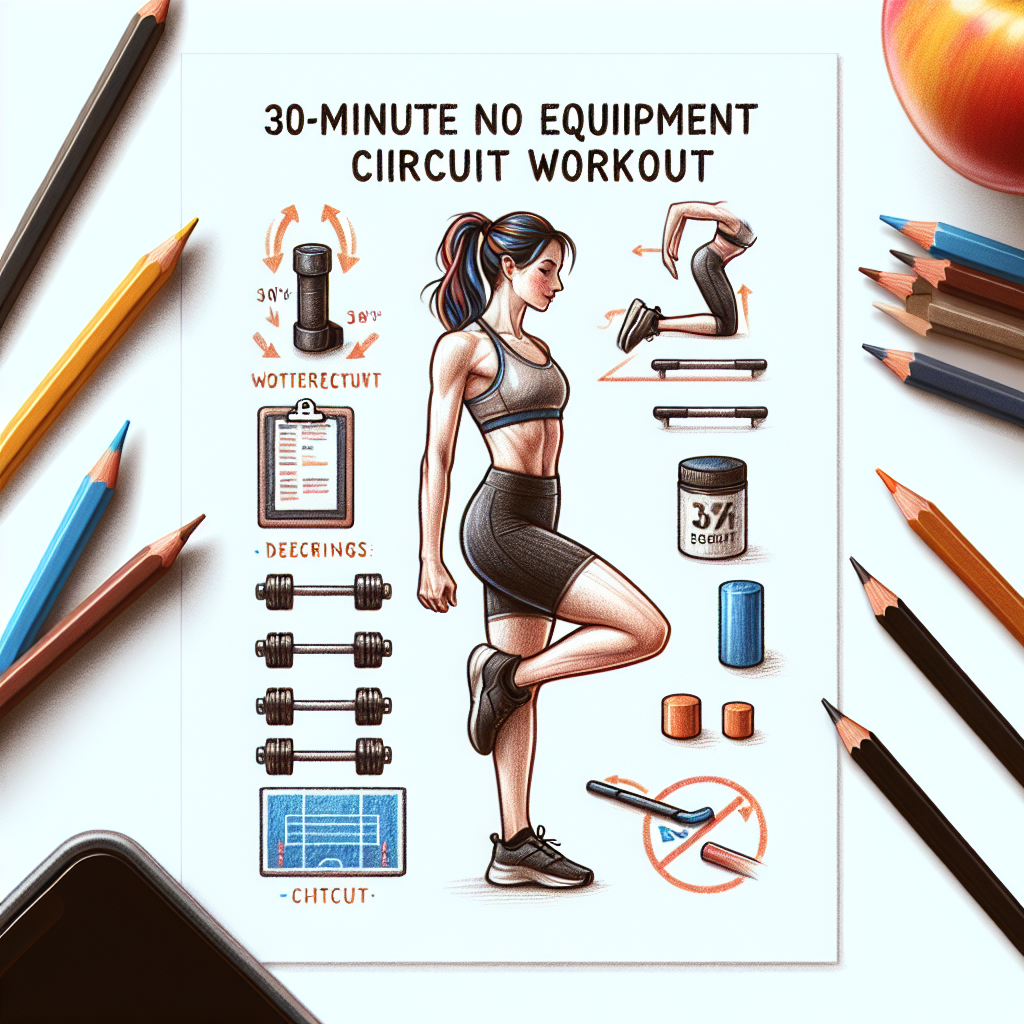
30-Minute No-Equipment Circuit Workout Guide

Engaging in regular physical activity has been shown to enhance overall health, improve mood, and boost energy levels. However, not everyone has access to a gym or the luxury of time, rendering the pursuit of fitness seemingly elusive. A 30-minute circuit workout can effectively address these challenges, requiring no equipment while delivering substantial results through a blend of cardiovascular training and strength building. This article will guide you through a practical 30-minute no-equipment workout routine, detailing its benefits and providing actionable steps to get started.

  • Benefits of Circuit Workouts
  • Effective No-Equipment Circuit Exercises
  • Practical Steps to Complete Your Workout
  • When to Consult a Professional
  • Common Misconceptions about Circuit Training
  • Frequently Asked Questions
  • Conclusion and Call to Action

Benefits of Circuit Workouts

Circuit workouts are highly efficient exercise routines that allow for minimal rest between exercises, thereby elevating the heart rate and maximizing calorie burn in a short period. The benefits of these workouts include:

  • Time Efficiency: Perfect for busy schedules, a 30-minute circuit can fit into any lifestyle.
  • No Equipment Required: With just your body weight, you can achieve a full-body workout anywhere.
  • Improved Cardiovascular Health: The intensity of these workouts boosts heart function and endurance.
  • Increased Muscle Strength: Engaging various muscle groups enhances strength and muscle tone.
  • Flexibility and Mobility: Certain exercises promote better flexibility, aiding overall agility.

Effective No-Equipment Circuit Exercises

The following exercises can be performed in a circuit format, with each exercise targeting different muscle groups while also providing cardiovascular benefits:

  • Jumping Jacks: A great warm-up that raises your heart rate.
  • Bodyweight Squats: Strengthens your legs and glutes.
  • Push-Ups: Targets the chest, shoulders, and triceps.
  • Burpees: A full-body exercise that combines strength and cardiovascular training.
  • Mountain Climbers: Improves agility while performing a high-intensity cardio move.
  • Plank: Engages core muscles and enhances stability.

Practical Steps to Complete Your Workout

Following is a structured approach to performing your 30-minute circuit workout:

  1. Warm-Up (5 minutes): Start with light exercises such as arm circles, leg swings, and side bends to prepare your body.
  2. Circuit (20 minutes): Complete the following circuit, performing each exercise for 40 seconds, followed by 20 seconds of rest. Repeat the entire circuit four times:
    • Jumping Jacks
    • Bodyweight Squats
    • Push-Ups
    • Burpees
    • Mountain Climbers
    • Plank
  3. Cool Down (5 minutes): Conclude with stretching exercises to reduce muscle soreness and enhance flexibility.

When to Consult a Professional

While circuit workouts are generally safe for most individuals, there are specific scenarios in which consulting a healthcare provider or fitness professional is advisable:

  • If you experience chest pain or shortness of breath during exercise.
  • If you have a pre-existing health condition that may affect your ability to exercise.
  • If you are unsure about performing certain exercises due to physical limitations or injuries.
  • If you are new to fitness and need guidance on safe practices.

Common Misconceptions about Circuit Training

There are several myths surrounding circuit training that can lead to misunderstanding its benefits and practices:

  • Myth 1: Circuit training is only for advanced athletes. Fact: It can be tailored for all fitness levels through variations in intensity.
  • Myth 2: You cannot build muscle with circuit training. Fact: While it may focus on endurance, muscle strength can be attained through consistent training.
  • Myth 3: You don’t need a cool-down. Fact: Cooling down is essential to prevent injury and promote recovery.
  • Myth 4: High-intensity workouts are only for weight loss. Fact: They also improve cardiovascular health and overall endurance.

Frequently Asked Questions

What are the benefits of circuit training?

Circuit training provides a comprehensive workout that combines cardiovascular and strength elements, promoting weight loss, improved endurance, and increased muscle tone.

How often should I perform circuit workouts?

For optimal results, aim for 2-3 times weekly, allowing 48 hours of recovery between sessions for muscle repair.

Can beginners do circuit training?

Yes, circuit training can be modified to suit any fitness level. Beginners should start with lower intensity and gradually increase it as they gain confidence.

What should I eat before a circuit workout?

A light snack containing carbohydrates and protein, such as a banana with nut butter or yogurt, can provide necessary energy without causing discomfort.

What if I have an injury?

If you have an injury, consult a healthcare professional before engaging in circuit workouts to ensure safety and avoid exacerbating your condition.

Is equipment necessary for circuit training?

No, circuit training can be effectively performed using only body weight. However, you can incorporate light weights if desired and appropriate.

Conclusion and Call to Action

  • Circuit workouts are efficient and effective, requiring minimal time with no equipment needed.
  • The suggested 30-minute routine targets various muscle groups while boosting cardiovascular health.
  • Consult a professional if you have existing health concerns or injuries before starting.
  • Common misconceptions about circuit training should be clarified to ensure proper practice.
  • Consistent performance of circuit workouts can lead to significant fitness improvements.

Ready to take your first step towards a healthier lifestyle? Consider participating in a specialized exercise program that only requires six minutes a day, yet delivers results comparable to regular gym training. Register for free at 30-Day Exercise Program.

Author: John Angel

Related articles

Categories
Fitness

Maximize Weight Loss with Effective Track Workouts

Track Workouts: An Efficient Path to Your Weight Loss Journey

In the quest for effective weight loss, track workouts offer a streamlined and engaging solution. These structured sessions maximize the benefits of cardiovascular training while enhancing strength and agility. Within just six minutes, you can achieve significant results, transforming short bouts of exercise into long-term wellness. This article delves into the myriad advantages of track workouts, practical guidance for incorporating them into your routine, and highlights the magic of quick yet impactful home workouts.

  • Understanding Track Workouts
  • Benefits of Track Workouts
  • Getting Started with Track Workouts
  • Common Myths about Workouts on Track
  • When to Consult a Professional
  • FAQ
  • Conclusion and Call to Action

Understanding Track Workouts

Track workouts are organized exercise sessions typically performed on a running track. They focus on intervals that combine high-intensity efforts with recovery periods. These workouts can involve running, walking, or a combination of activities to enhance your metabolic rate, improve cardiovascular fitness, and build muscular endurance. The structure allows for both beginners and advanced individuals to tailor their efforts to meet personal goals.

Benefits of Track Workouts

Engaging in track workouts will present numerous benefits, particularly within the context of your weight loss journey. Here are some key advantages:

  • Time Efficiency: Short, focused workouts maximize workout intensity.
  • Increased Caloric Burn: High-intensity intervals can lead to a higher post-exercise calorie burn.
  • Improved Cardiovascular Health: Encourages heart health and can lower blood pressure.
  • Enhanced Muscular Strength: Engaging various muscle groups promotes overall body strength.
  • Variety and Fun: The dynamic nature keeps workouts interesting and reduces monotony.

Getting Started with Track Workouts

To maximize the benefits of track workouts, follow these practical steps:

  1. Choose Your Track: Find a local running track or a safe outdoor space.
  2. Warm-Up: Spend 5-10 minutes warming up with light jogging or dynamic stretches.
  3. Select Your Intervals: Start with a simple interval structure, such as 30 seconds of sprinting followed by 1-2 minutes of walking.
  4. Perform the Workout: Repeat your intervals for about 20-30 minutes, adjusting as needed.
  5. Cool Down: After your session, cool down with light walking and stretching to improve recovery.
  6. Track Progress: Log your workouts to monitor improvements and stay motivated.

For those interested in exploring a broader range of short, effective workouts, consider registering for the SixPack workout program for 30 days free. The program effectively demonstrates the power of short, structured sessions that can link seamlessly to your workout goals.

Common Myths about Workouts on Track

Despite their widespread appeal, track workouts are often misunderstood. Here are some common misconceptions:

  • Only for Runners: Track workouts benefit people of all fitness levels, not just those training for races.
  • You Need to Run Fast: The key is intensity, not speed. You can walk or jog briskly and gain similar benefits.
  • They Are Boring: The interval structure allows for a variety of exercises, keeping sessions engaging.
  • Track Workouts Are for Advanced Athletes: Beginners can also reap the rewards with appropriate adaptations.

When to Consult a Professional

While track workouts can greatly enhance fitness, some circumstances may require professional guidance:

  • If you experience persistent pain or discomfort during exercise.
  • Should you have pre-existing health conditions, such as heart disease or diabetes.
  • If there is a significant change in your exercise tolerance.
  • For tailored advice on how to integrate track workouts into a more extensive exercise regimen.

FAQ

What is the ideal length for a track workout?

Track workouts can range from 20 minutes to an hour. For beginners, 20-30 minutes is effective.

Can I do track workouts at home?

Yes, you can adapt track workouts to fit your space by using a treadmill or a safe area for intervals.

How often should I do track workouts?

A minimum of two to three times a week is recommended for optimal benefits.

What should I wear for track workouts?

Wear comfortable, moisture-wicking clothing and supportive running shoes tailored to your foot type.

Can track workouts help with weight loss?

Absolutely! Their high-intensity nature boosts metabolism and aids in significant caloric burn.

Is it safe for beginners?

Yes, beginners can start with lower intensity and longer recovery periods, gradually increasing as fitness improves.

Conclusion and Call to Action

  • Track workouts offer an efficient way to enhance your fitness.
  • They provide various health benefits, including improved cardiovascular health.
  • Short intervals can lead to significant caloric burns.
  • The format is adaptable for both beginners and seasoned athletes.
  • Professional guidance can enhance your workout experience and ensure safety.

Incorporate track workouts into your routine today to accelerate your weight loss journey. For a valuable resource, don’t forget to check out the SixPack workout program for 30 days free. Discover how six-minute workouts can transform your daily life by making exercise both manageable and enjoyable.

Author: John Angel

Related articles

Website analytics information

We use Google Analytics 4 for visitor statistics. Analytics cookies require your consent, which you can change using the button above. The data controller is ZDRAVÍ S ÚSMĚVEM s.r.o., company ID 29283329, contact podpora@revolucnicviceni.cz. Google processes browser, device and page visit information. We do not send form field values to Analytics. How Google uses information · Google Privacy Policy.