Categories
Fitness

Calisthenics Workouts at Home: No Equipment Needed

Calisthenics at Home: No Equipment Needed

Calisthenics is an increasingly popular form of exercise that emphasizes bodyweight movements. This type of training offers numerous benefits, including improved strength, flexibility, and endurance, all without the need for specialized equipment or a gym membership. By incorporating calisthenics into your daily routine, you can effectively achieve fitness goals in the comfort of your own home. In this article, we will explore practical methods, benefits, and potential pitfalls of calisthenics, ensuring you have the knowledge to embark on your fitness journey successfully.

  • Understanding Calisthenics
  • Benefits of Home Workouts
  • Getting Started: Key Exercises
  • Creating a Structured Routine
  • Common Myths and Misconceptions
  • When to Consult a Professional
  • FAQs
  • Conclusion

Understanding Calisthenics

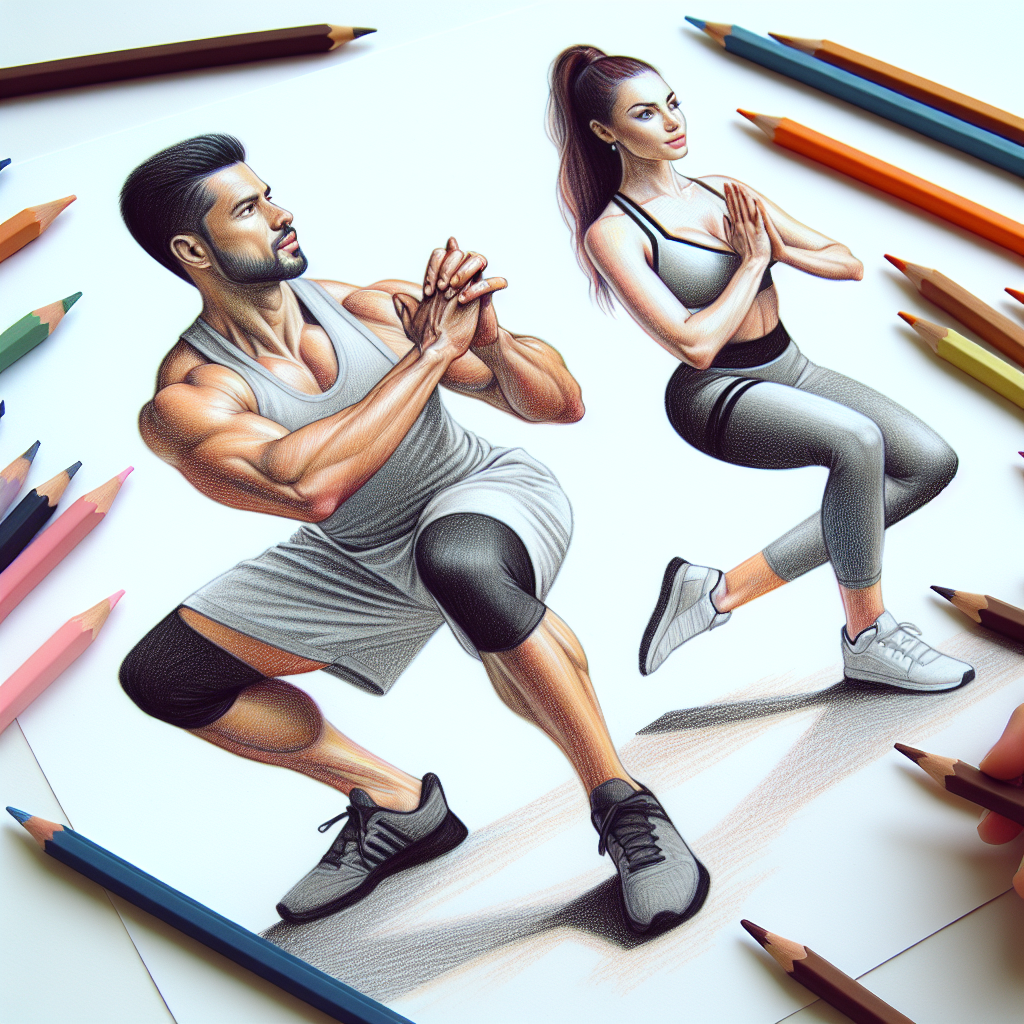
Calisthenics encompasses exercises that utilize an individual’s body weight to build strength and flexibility. Traditional movements, such as push-ups, pull-ups, and squats, can be adapted for various fitness levels, making calisthenics truly accessible. The primary focus is on functional movements targeting multiple muscle groups, contributing to overall physical conditioning.

Benefits of Home Workouts

Exercising at home offers several advantages:

  • Convenience: No travel time or gym hours to worry about.
  • Cost-Efficiency: Eliminates the need for gym memberships or equipment purchases.
  • Flexibility: Easy to fit workouts into a busy schedule, even if it’s just for a few minutes.
  • Personalization: Allows for customization of workouts based on individual preferences and ability.
  • Increased Motivation: Training in a familiar environment can enhance comfort and confidence.

Getting Started: Key Exercises

To begin your calisthenics journey at home, focus on foundational exercises that engage multiple muscles:

  1. Push-Ups: Targets the chest, shoulders, and triceps. Variations include knee push-ups and inclined push-ups.
  2. Squats: Engages the quadriceps, hamstrings, and glutes. Can be modified with jump squats for added intensity.
  3. Planks: Strengthens the core, shoulders, and back. Progress through variations like side planks or plank jacks.
  4. Lunges: Focuses on lower body strength. Incorporate walking lunges or reverse lunges for diversity.
  5. Burpees: A full-body exercise that combines strength and aerobic conditioning.

Interested in a structured program? Consider this 30-day exercise program featuring just 6 minutes of daily workouts designed for maximum effectiveness.

Creating a Structured Routine

To maximize the benefits of calisthenics, establishing a consistent workout routine is essential. Here are steps to consider:

  • Set Clear Goals: Define what you wish to achieve—be it strength, endurance, flexibility, or weight loss.
  • Choose Frequency: Aim for at least 3-5 sessions per week.
  • Progressive Overload: Gradually increase the difficulty of exercises to continue making gains.
  • Variety: Switch up your routine to keep it engaging and to challenge different muscle groups.
  • Recovery: Allow time for rest and recovery to prevent injury and encourage muscle growth.

Common Myths and Misconceptions

Several misconceptions surround calisthenics that may deter potential enthusiasts:

  • You Need Equipment: Many believe calisthenics requires gadgets; however, body weight is sufficient for effective training.
  • Only for Beginners: Calisthenics can be advanced and challenging, suitable for all fitness levels.
  • Results Are Slow: Committed individuals can see improvements in strength and endurance rapidly, even within weeks.
  • All You Need Is Cardio: While aerobic exercise is important, strength training through calisthenics can be equally crucial for fitness.

When to Consult a Professional

While calisthenics is generally safe and effective, there are circumstances that may warrant professional advice:

  • If experiencing persistent pain or discomfort during or after exercising.
  • Before starting any new exercise program, especially if you have pre-existing medical conditions.
  • If unsure about your form or technique, which could lead to injury.
  • For tailored guidance based on specific fitness goals or limitations.

FAQs

What is calisthenics?

Calisthenics involves exercises that use the body’s weight to build strength, flexibility, and endurance without the need for equipment.

Can beginners start calisthenics?

Absolutely. Calisthenics is highly adaptable, allowing beginners to perform modified versions of exercises.

How often should I practice calisthenics?

Aim for 3-5 sessions per week for optimal results, alternating different exercises to keep your workouts fresh.

Do I need a lot of space to do calisthenics at home?

No, most calisthenics exercises require minimal space, making them perfect for home workouts.

Will I see results from calisthenics alone?

With consistency and a well-structured routine, you can achieve significant fitness improvements through calisthenics alone.

Is a warm-up necessary before calisthenics?

Yes, warming up is essential to prepare your muscles and joints, enhancing performance and reducing the risk of injury.

Conclusion

  • Calisthenics is a versatile exercise modality requiring no equipment.
  • Home workouts offer convenience, cost savings, and the flexibility to fit a busy schedule.
  • Establishing a structured routine can significantly enhance your fitness progress.
  • Understanding common myths can help dispel doubts about the efficiency of calisthenics.
  • Recognizing when to seek professional consultation is vital for ensuring safety and effectiveness.

Embarking on a calisthenics journey can be enriching and rewarding. Whether you’re a beginner or looking to enhance your fitness levels, now is the ideal time to start. Explore structured programs to guide you on this path and make the most of your home workouts.

Author: John Angel
Related articles

Categories
Fitness

Transform Your Fitness: 30-Day No-Equipment Workout Challenge

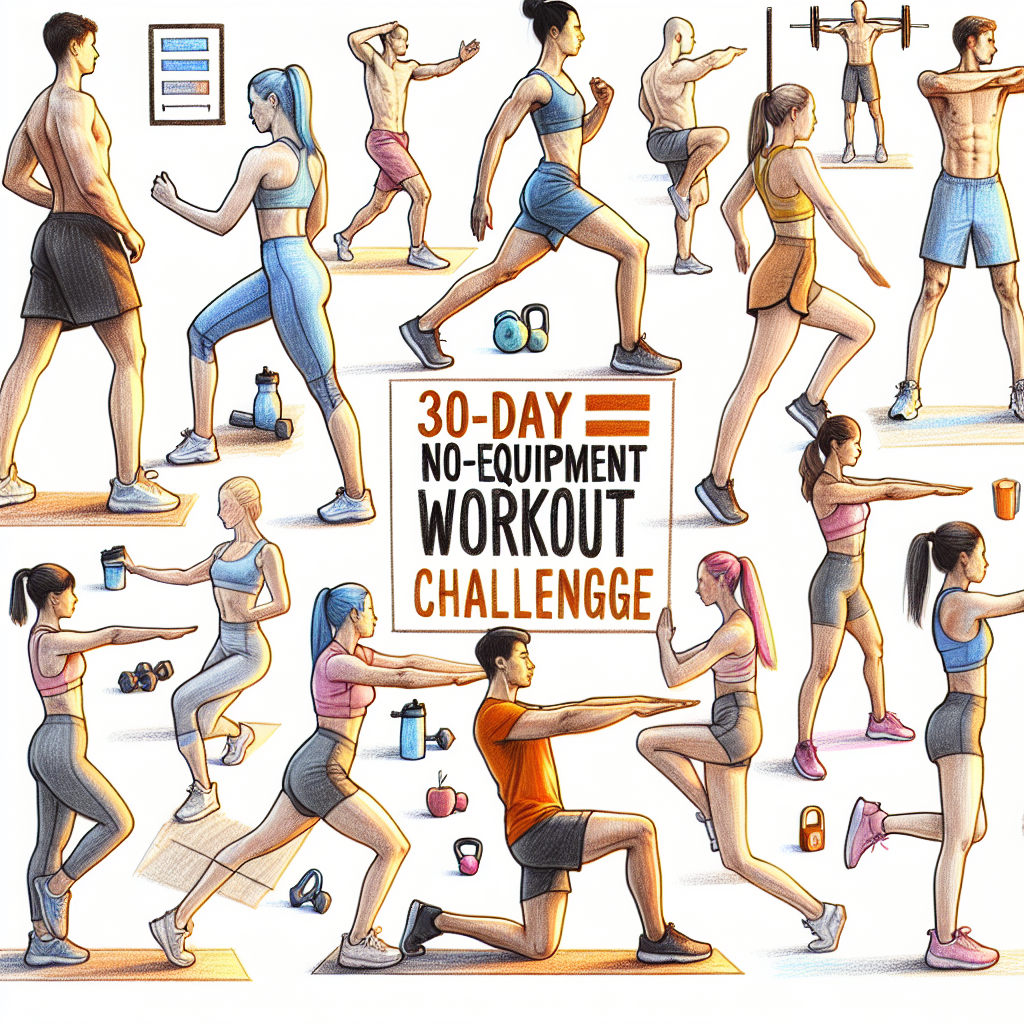
Embarking on a 30-day workout challenge without equipment can profoundly transform your fitness regimen. This accessible approach eliminates barriers often associated with gym memberships and bulky equipment. The beauty of a no-equipment workout is its versatility and ease; you can do it almost anywhere, be it at home, in a park, or while traveling. In just six minutes a day, you can achieve results that rival traditional gym workouts, making fitness more attainable than ever.

  • Introduction
  • Benefits of a 30-Day No-Equipment Workout Challenge
  • How to Get Started
  • Daily Workout Breakdown
  • When to Consult a Professional
  • Common Misconceptions
  • FAQs
  • Conclusion

Benefits of a 30-Day No-Equipment Workout Challenge

Participating in a 30-day workout challenge without equipment offers numerous benefits:

  • Accessibility: No gym membership or equipment purchase is necessary, making it easy for anyone to start.
  • Time Efficiency: With just six minutes a day, you can fit a workout into even the busiest schedules.
  • Variety: These workouts can include a diverse range of exercises, keeping the routine interesting and engaging.
  • Progress Tracking: A dedicated 30-day challenge allows individuals to track their progress clearly and methodically.
  • Enhanced Mental Health: Regular exercise can reduce stress and boost mood, contributing to overall mental well-being.

How to Get Started

Beginning your no-equipment workout journey involves a few simple yet essential steps:

  1. Set Clear Goals: Define what you want to achieve by the end of the 30 days – whether it is weight loss, muscle tone, or general fitness.
  2. Create a Schedule: Allocate a specific time each day for your workout to ensure consistency.
  3. Know Your Capacity: Assess your current fitness level to choose appropriate exercises or modifications.
  4. Stay Hydrated: Drink plenty of water before, during, and after your workouts.
  5. Register for a Program: Consider joining a guided program like this 30-day exercise program that requires just six minutes a day.

Daily Workout Breakdown

Each day for 30 days can consist of the following format:

  • Warm-Up (1 minute): Spend a minute performing dynamic stretches or light cardio to increase your heart rate.
  • Main Workout (4 minutes): Rotate through high-intensity exercises like burpees, squats, lunges, push-ups, or mountain climbers, spending 40 seconds on each exercise with a 20-second rest in between.
  • Cooldown (1 minute): Finish with static stretches to relax your muscles and improve flexibility.

When to Consult a Professional

While a 30-day workout challenge can be beneficial, it’s crucial to recognize when to seek professional guidance:

  • If you experience persistent pain or discomfort during workouts.
  • Before starting any new exercise program, particularly if you have preexisting medical conditions or concerns.
  • If you desire personalized training tailored to specific goals or limitations.
  • When considering nutritional advice in conjunction with your exercise regimen.

Common Misconceptions

Despite the popularity of no-equipment workouts, several myths persist:

  • Only Gym Workouts Yield Results: Sustained efforts in any structured program can lead to significant results, irrespective of equipment.
  • Short Workouts Are Ineffective: Six minutes of high-intensity training is often sufficient to stimulate muscle growth and endurance.
  • No Pain, No Gain: Discomfort may not equal effectiveness; understand the difference between healthy exertion and injury.
  • Intervals Are Too Easy: High-intensity interval training (HIIT) can be one of the most effective workout modes, even without weights.

FAQs

1. Do I need a gym membership to participate in a 30-day workout challenge?

No, this challenge requires no gym membership or equipment at all.

2. Can I join this program if I am a beginner?

Absolutely! This program is designed to accommodate all fitness levels.

3. Will I see results in just 30 days?

While results vary by individual, significant improvements in strength, endurance, and overall fitness are commonly observed.

4. Can I adjust exercises to suit my ability?

Yes, modifications can be made to cater to different fitness levels and needs.

5. How often should I work out in a week?

A daily commitment to your six-minute workout is suggested for optimal results.

6. What if I miss a day?

If you miss a day, simply continue with the next day’s workout; do not attempt to double up.

Conclusion

  • Accessibility: No equipment means anyone can participate.
  • Time-efficient: Just six minutes a day is all you need.
  • Variety of Workouts: Keeps the challenge engaging and exciting.
  • Progress Tracking: A clear structure allows you to visualize improvements.
  • Cost-effective: Save money on gym memberships while achieving your fitness goals.

Begin your fitness journey today by considering a 30-day workout challenge without equipment. Embrace the potential for growth and well-being with just six minutes a day. Don’t forget to check out this 30-day exercise program to guide your workouts!

Author: John Angel

Related articles

Categories
Fitness

Effective No-Equipment Weight Loss Workouts for Busy Schedules

In today’s fast-paced world, maintaining a healthy lifestyle can seem daunting, especially for those with busy schedules. However, a no-equipment weight loss workout provides a feasible solution, allowing individuals to engage in effective exercise without the need for gym memberships or specialized equipment. This approach not only promotes weight loss but also enhances overall health and well-being effectively and conveniently.

  • Understanding No-Equipment Workouts
  • Benefits of No-Equipment Workouts
  • No-Equipment Workout Ideas
  • Correct Techniques for Optimal Results
  • When to Seek Professional Guidance
  • Common Misconceptions
  • Frequently Asked Questions
  • Conclusion

Understanding No-Equipment Workouts

No-equipment workouts involve physical exercises that make use of your body weight as resistance. This method has gained popularity as it allows individuals to exercise anywhere—be it at home, a park, or during travel—without the constraints of gym equipment. The primary exercises in this category include push-ups, squats, lunges, and planks, among others.

Benefits of No-Equipment Workouts

The advantages of engaging in no-equipment workouts are multifold:

  • Accessibility: You can work out wherever and whenever you like.
  • Cost-effective: No need for expensive gym memberships or equipment purchases.
  • Flexibility: Tailor workouts to your own schedule and environment.
  • Time-efficient: Short, high-intensity workouts can deliver significant results in limited time.
  • Scalability: Adjust the intensity and duration based on personal fitness levels.

No-Equipment Workout Ideas

Here are some effective body-weight exercises that you can incorporate into a no-equipment workout routine:

  • Bodyweight Squats: Stand with feet shoulder-width apart and lower your body as if sitting back into a chair.
  • Push-ups: Start in a plank position and lower your body until your chest nearly touches the floor, then push back up.
  • Lunges: Step forward with one leg and lower your hips until both knees are bent at a 90-degree angle.
  • Plank: Hold a push-up position on your forearms for 30-60 seconds.
  • Burpees: From standing, drop into a squat, kick your legs back, return to squat, and jump up.

For those looking for a structured approach, consider registering for a free 30-day exercise program where you only need to exercise for 6 minutes each day, achieving results akin to traditional gym workouts: Join here.

Correct Techniques for Optimal Results

Ensuring proper form and technique is crucial in no-equipment workouts to maximize results and minimize injury risk. Here are essential tips:

  • Maintain a straight line from head to heels during push-ups and planks.
  • Avoid letting your knees extend beyond your toes in squats and lunges.
  • Engage your core muscles throughout all exercises.
  • Perform movements in a controlled manner to maintain balance and focus.
  • Warm up before starting and cool down afterward to enhance flexibility and recovery.

When to Seek Professional Guidance

While many individuals can benefit from no-equipment workouts, it is crucial to recognize certain situations where professional guidance is advised:

  • If you are new to exercise or have been inactive for an extended period.
  • In the presence of underlying health conditions, such as cardiovascular issues or joint problems.
  • If you experience persistent pain or discomfort during physical activity.
  • When unsure about the correct form for specific exercises.

Common Misconceptions

Despite the growing popularity of no-equipment workouts, some misconceptions persist:

  • Myth: No-equipment workouts are less effective than gym-based workouts. Truth: Body-weight exercises can provide equivalent benefits, including strength and endurance gains.
  • Myth: These workouts are only for beginners. Truth: No-equipment workouts can be scaled to match any fitness level.
  • Myth: You need to spend hours to see results. Truth: Short, intense workouts can achieve substantial results in minimal time.

Frequently Asked Questions

Can I build muscle with no-equipment workouts?

Yes, body-weight exercises can effectively build muscle, especially when performed with proper intensity and progression.

How often should I do no-equipment workouts?

Aim for at least 3–5 times per week, depending on your fitness goals and schedule.

Are no-equipment workouts suitable for everyone?

Generally, yes, but it’s advisable to consult a healthcare professional if you have underlying health issues.

How long will it take to see results?

Results can vary based on individual factors, but many people begin to notice changes within a few weeks of consistent effort.

Can I lose weight with no-equipment workouts?

Absolutely, when combined with a balanced diet, these workouts can help promote weight loss.

Do I need a warm-up before starting?

Yes, warming up can help increase blood flow to muscles and reduce the risk of injury.

Conclusion

  • No-equipment workouts offer flexibility and accessibility for individuals looking to lose weight and improve fitness.
  • Body-weight exercises can be effective for muscle building and endurance training.
  • Correct form and technique are vital for safety and optimal results.
  • Consult a professional if experiencing pain or if new to exercising.
  • Adopting a consistent routine is key to success; consider registering for a no-equipment program for structured guidance.

Embrace the possibilities that no-equipment workouts offer, and take the first step towards a healthier you today!

Author: John Angel

Related articles

Categories
Fitness

Effective No-Equipment Workouts for All Fitness Levels

Workouts with No Equipment: Maximizing Fitness Anywhere

In today’s fast-paced world, finding the time and resources to maintain a regular fitness routine can often feel overwhelming. However, workouts that require no equipment provide an efficient solution. They allow you to exercise anytime and anywhere, adapting to your schedule and environment while offering comprehensive fitness benefits. This article explores a variety of effective no-equipment workouts, their benefits, and practical tips to help you integrate them into your daily routine.

  • Understanding No-Equipment Workouts
  • Benefits of Working Out Without Equipment
  • Effective Bodyweight Exercises
  • Creating a Routine
  • When to Consult a Professional
  • Common Myths About No-Equipment Workouts
  • FAQs
  • Conclusion

Understanding No-Equipment Workouts

No-equipment workouts, as the name implies, use bodyweight resistance rather than traditional gym machines or weights. These exercises focus on engaging various muscle groups, improving cardiovascular health, and enhancing flexibility. From push-ups to squats, the range of movements is extensive, ensuring that individuals of all fitness levels can benefit.

Benefits of Working Out Without Equipment

Engaging in no-equipment workouts comes with numerous advantages:

  • Convenience: Without the need for gym memberships or equipment, workouts can be performed anywhere – at home, in a park, or even during travel.
  • Cost-effective: Eliminating the need for expensive gear or subscriptions makes fitness more accessible to everyone.
  • Versatility: Bodyweight exercises can be easily modified to match various fitness levels, providing a tailored approach for each individual.
  • Improved Functional Strength: These workouts focus on compound movements that mimic everyday actions, enhancing overall agility and balance.
  • Enhanced Motivation: The flexibility of exercising anywhere can lead to increased commitment and enjoyment in maintaining a fitness routine.

Effective Bodyweight Exercises

Incorporating a variety of bodyweight exercises into your workout can ensure a balanced approach to fitness. Here are some key exercises to include:

  • Push-Ups: Excellent for building upper body strength, targeting chest, shoulders, and triceps. Start with standard push-ups or modify by using your knees for support.
  • Squats: A fundamental lower body exercise focusing on the thighs, hips, and buttocks. Aim for proper form to maximize effectiveness and prevent injury.
  • Lunges: Great for improving leg strength and balance. Try forward, reverse, or lateral lunges to work different muscle groups.
  • Planks: Strengthen your core with static holds or dynamic variations, aiming for stability and endurance.
  • Burpees: A full-body movement combining a squat, push-up, and jump, offering an excellent cardiovascular workout.

Creating a Routine

Establishing a consistent no-equipment workout regimen is crucial for desired results. Consider the following steps:

  1. Set Clear Goals: Define what you aim to achieve, whether it be weight loss, muscle gain, or improved endurance.
  2. Design a Schedule: Commit to a specific time slot each day for your workouts, ensuring it aligns with your lifestyle.
  3. Incorporate Variety: Mix different exercises to target various muscle groups and keep the routine engaging.
  4. Start Small: If you are a beginner, aim for shorter, more frequent workouts and gradually increase intensity.
  5. Track Progress: Monitoring your strengths, endurance, and overall improvements can maintain motivation.

For those seeking an efficient starting point, consider enrolling in a 30-day exercise program, which involves just 6 minutes of daily exercise designed to yield results similar to a gym regimen.

When to Consult a Professional

While no-equipment workouts can benefit many, there are times when professional guidance is essential. Consider seeking assistance from a fitness trainer or healthcare provider if:

  • You have pre-existing health conditions or injuries that may be exacerbated by physical activity.
  • You feel persistent pain or discomfort during or after exercising.
  • You are unsure of proper techniques for bodyweight exercises and wish to avoid injury.
  • You require tailored modifications to suit specific fitness goals or limitations.

Common Myths About No-Equipment Workouts

Despite their popularity, several misconceptions persist regarding no-equipment workouts:

  • Myth 1: Bodyweight exercises are less effective than weight training. Reality: Bodyweight training can enhance strength and endurance significantly when performed correctly and progressively.
  • Myth 2: No-equipment workouts are suitable only for beginners. Reality: They can be challenging and effective for all fitness levels by adjusting the intensity or complexity of exercises.
  • Myth 3: You can’t build muscle without weights. Reality: Progressive overload can be achieved by increasing repetitions, sets, or incorporating advanced movements.
  • Myth 4: No-equipment workouts lack variation. Reality: There is a vast range of exercises and workouts to keep routines fresh and engaging.

FAQs

Can I build muscle with no-equipment workouts?

Yes, with consistent practice and progressive overload, bodyweight exercises can effectively build muscle and strength.

How often should I perform no-equipment workouts?

Aim for at least three to four sessions per week for optimal results, mixing different exercises to avoid plateauing.

What is the best way to warm up before a no-equipment workout?

A proper warm-up should include dynamic stretches and light cardio activities to prepare your muscles and joints.

Can I lose weight with no-equipment workouts?

Absolutely. Combining a balanced diet with regular no-equipment workouts creates a calorie deficit ideal for weight loss.

Is it necessary to cool down after exercising?

Cooling down is important as it helps normalize your heart rate and reduces the risk of muscle soreness.

Are there specific age groups that should avoid no-equipment workouts?

Generally, no-equipment workouts can suit most age groups; however, individuals with specific health concerns should consult a professional beforehand.

Conclusion

  • No-equipment workouts provide a convenient and efficient means of staying fit.
  • They are accessible to all fitness levels and can be performed anywhere.
  • Implementing a structured routine will yield the best results.
  • Consult a professional when in doubt about exercises or if health concerns arise.
  • Dispelling myths ensures a better understanding and appreciation of no-equipment workouts.

Embrace the ease and flexibility of no-equipment workouts today, and explore the benefits they offer. Remember, taking the first step is key. For an easy starting point, consider joining a 30-day exercise program that requires only 6 minutes a day to achieve significant results! Your health is priceless, and investing in fitness today will pay dividends in the future.

Author: John Angel

Related articles

Categories
Fitness

Effective At-Home Bodyweight Workouts for All Fitness Levels

At Home Bodyweight Workout: Maximize Your Fitness Potential

In an age where time is at a premium, engaging in a bodyweight workout at home offers an effective solution that requires no special equipment and minimal space. These workouts can be tailored to fit individual fitness levels, allowing for enhanced strength, flexibility, and endurance. Moreover, a consistent bodyweight regimen can yield results comparable to traditional gym workouts, often in just a few minutes a day. For those seeking an efficient entry into bodyweight training, consider a 30-day exercise program where you only exercise for 6 minutes daily but still achieve significant results, available for free registration here.

  • Understanding Bodyweight Workouts
  • Benefits of Bodyweight Training
  • How to Structure Your At-Home Workout
  • Common Myths and Mistakes in Bodyweight Training
  • When to Consult a Professional
  • FAQ
  • Conclusion

Understanding Bodyweight Workouts

Bodyweight workouts utilize the individual’s weight as resistance, which can enhance functional fitness. Unlike free weights or machines, these exercises often engage multiple muscle groups, promoting better coordination and balance. Common exercises include squats, lunges, push-ups, and planks. They can be modified to increase or decrease intensity, making them suitable for all fitness levels.

Benefits of Bodyweight Training

  • Accessibility: Requires no equipment and can be done anywhere.
  • Versatility: Exercises can be modified to suit individual fitness levels.
  • Time Efficiency: Short duration of workouts can fit into any schedule.
  • Improved Functional Strength: Enhances strength and flexibility in everyday movements.
  • Cost-effective: Eliminates the need for gym memberships or expensive equipment.

How to Structure Your At-Home Workout

Creating a structured workout plan is essential for maximizing the benefits of bodyweight training. Follow these guidelines for an effective at-home workout:

  1. Warm-up: Begin with a 5-minute warm-up to increase your heart rate and loosen your muscles. Activities could include jogging in place, arm circles, and dynamic stretches.
  2. Main Workout: Choose 4-6 exercises focusing on different muscle groups. Perform each exercise for 30 seconds to 1 minute, followed by a short rest. A sample workout may include:
  • Push-ups
  • Squats
  • Planks
  • Lunges
  • Burpees
  • Cool Down: Conclude with 5 minutes of stretches focusing on flexibility and recovery.
  • Common Myths and Mistakes in Bodyweight Training

    Despite the efficacy of bodyweight workouts, several misconceptions persist:

    • Myth 1: Bodyweight training cannot build muscle mass. Reality: Properly structured bodyweight workouts can effectively promote muscle hypertrophy.
    • Myth 2: Only beginners should do bodyweight exercises. Reality: Advanced athletes often incorporate these exercises to enhance performance.
    • Mistake 1: Not maintaining proper form. Reality: This can lead to injuries—always prioritize quality over quantity.
    • Mistake 2: Skipping warm-up and cool-down. Reality: These phases are crucial for preventing injury and promoting recovery.

    When to Consult a Professional

    Although bodyweight workouts can be performed safely by most individuals, there are circumstances that warrant consulting a fitness professional:

    • Experiencing persistent pain or discomfort during exercises.
    • Hesitating to engage in physical activity due to pre-existing medical conditions.
    • Feeling uncertain about proper form and technique.
    • Seeking a tailored workout plan that considers individual goals and limitations.

    FAQ

    Can bodyweight workouts help with weight loss?

    Yes, when combined with proper nutrition, bodyweight workouts can effectively contribute to weight loss by increasing calorie expenditure.

    How often should I perform bodyweight workouts?

    For optimal results, aim for at least 3-5 sessions per week, incorporating variations to your routine.

    Do I need special equipment for bodyweight training?

    No, bodyweight exercises can be performed without any equipment, making them highly accessible.

    Can beginners successfully do bodyweight workouts?

    Absolutely, bodyweight exercises can be easily modified for beginners and progressively increased in difficulty.

    What are the best bodyweight exercises for beginners?

    Start with push-ups, squats, lunges, and planks as they effectively target multiple major muscle groups.

    Is it necessary to rest between workouts?

    Yes, ensure to allow at least one rest day between intense workout sessions to promote recovery and prevent overtraining.

    Conclusion

    • Bodyweight workouts are highly accessible and effective for improving fitness levels.
    • Such workouts can be structured efficiently to fit into even the busiest schedules.
    • Common misconceptions and mistakes can hinder progress; focus on proper form and structure.
    • Consult professionals when uncertain about technique or when experiencing pain.
    • Maximize results by considering brief, structured workouts as advocated in programs like the 30-day exercise challenge.

    Ready to take your fitness journey to the next level? Consider joining a free 30-day exercise program that only requires 6 minutes a day to achieve transformative results, available for registration here.

    Author: John Angel

    Related articles

    Categories
    Fitness

    Effective 30-Day No-Equipment Workout Plan for Busy Individuals

    Embarking on a fitness journey can seem daunting, particularly when it comes to the commitment of time and resources necessary for conventional gym workouts. However, an effective solution is at hand: a 30-day no-equipment workout plan. This regimen enables you to achieve remarkable results with just six minutes of exercise daily. By integrating high-intensity workouts that leverage your body weight, you can enhance your strength, improve cardiovascular fitness, and boost overall health—all without the need for gym memberships or equipment. For more streamlined guidance, consider signing up for a free 30-day exercise program designed specifically for busy individuals like you: Join Now.

    • Overview of the 30-Day No-Equipment Workout Plan
    • Understanding Bodyweight Training
    • How to Structure Your Workouts
    • Common Myths About Bodyweight Workouts
    • When to Consult a Fitness Professional
    • Your FAQs Explained
    • Conclusion

    Overview of the 30-Day No-Equipment Workout Plan

    The core purpose of a 30-day no-equipment workout plan is to foster a sustainable routine that can fit into any lifestyle. This approach focuses on bodyweight exercises that increase in intensity and complexity over the month. Each session lasts just six minutes, making it an accessible option for individuals with busy schedules. The cumulative benefits of daily exercise not only target muscle groups but also enhance endurance and flexibility.

    Understanding Bodyweight Training

    Bodyweight training involves using your own weight for resistance rather than external tools. It can lead to the following benefits:

    • Flexibility: Incorporates a range of motion that often translates to improved athletic performance.
    • Strength Development: Engages multiple muscle groups simultaneously, fostering overall strength.
    • Convenience: Requires no special equipment, enabling quick transitions and workouts in any setting.
    • Enhanced Core Stability: Many bodyweight exercises engage core muscles, improving balance and posture.

    How to Structure Your Workouts

    Below is a basic structure for your 30-day workout regimen:

    1. Warm-Up: 1 minute of jumping jacks to elevate your heart rate.
    2. Main Workout: 4 minutes of varied exercises tailored to your fitness level. Example exercises include:
    • Push-ups
    • Bodyweight squats
    • Plank holds
    • Burpees
    • Lunges
  • Cool Down: 1 minute of stretching to assist muscle recovery.
  • Gradually increase the intensity and variety of exercises each week to continue challenging yourself.

    Common Myths About Bodyweight Workouts

    Despite the effectiveness of bodyweight exercises, several misconceptions persist:

    • Myth 1: Bodyweight exercises are only for beginners. In reality, they can be adapted to suit all fitness levels.
    • Myth 2: You can’t build muscle without weights. Bodyweight exercises can effectively build and tone muscle, especially when performed progressively.
    • Myth 3: This type of training is less effective for weight loss. High-intensity bodyweight workouts can boost your metabolism and contribute to significant weight loss.
    • Myth 4: Bodyweight training lacks variety. There are countless variations and combinations of movements to keep workouts engaging.

    When to Consult a Fitness Professional

    While a no-equipment workout plan can provide substantial benefits, some situations warrant consulting a qualified fitness professional:

    • If you have pre-existing health conditions or injuries.
    • If you experience pain during workouts that does not subside with rest.
    • If you’re unsure about correct form, which may lead to injury.
    • If you desire personalized fitness goals beyond general conditioning.

    Your FAQs Explained

    How often should I do bodyweight workouts?

    The ideal frequency is daily, with a focus on different muscle groups each day to promote recovery.

    Can beginners start with this workout plan?

    Yes, the program is designed to accommodate all fitness levels by starting with simpler exercises and gradually increasing difficulty.

    Will I see results from just six minutes a day?

    With consistent effort and progressive overload, many individuals notice gradual improvements in strength and endurance within a month.

    Can I do these workouts anywhere?

    Absolutely! Bodyweight workouts can be performed in various environments—home, park, or office.

    What if I have limited space?

    You can tailor the workouts to suit a small area by focusing on exercises that don’t require much room, such as lunges and planks.

    How can I stay motivated throughout the month?

    Setting achievable personal goals, tracking your progress, and possibly joining a community for support can enhance motivation.

    Conclusion

    • A 30-day no-equipment workout plan can help you achieve remarkable fitness results with just six minutes of daily exercise.
    • Bodyweight training offers flexibility, convenience, and significant benefits for general health.
    • Structured workouts can be customized based on fitness levels, incorporating a variety of exercises over time.
    • Understanding and addressing common myths can help you appreciate the effectiveness of bodyweight exercises.
    • Consulting with a professional can provide guidance for safety and personalized fitness aspirations.

    To start your fitness journey and assist you further, consider registering for a free 30-day exercise program: Join Now.

    Author: John Angel

    Related articles

    Categories
    Fitness

    Effective 30-Day No-Equipment Workout Plan

    Embarking on a fitness journey does not always necessitate access to a gym or elaborate equipment. A 30-day workout plan that requires no equipment can be remarkably effective, emphasizing bodyweight exercises to improve strength and endurance. This approach is accessible, adaptable, and can yield substantial results in a short period. With dedication, you can achieve fitness goals in just six minutes a day, significantly enhancing your physical well-being.

    • Introduction
    • Understanding Bodyweight Exercises
    • The 30-Day No-Equipment Workout Plan
    • How to Optimize Your Routine
    • Common Myths and Mistakes
    • When to Seek Professional Guidance
    • Frequently Asked Questions
    • Conclusion

    Understanding Bodyweight Exercises

    Bodyweight exercises utilize an individual’s own weight as resistance, making them an effective alternative to traditional weightlifting. Some well-known examples include push-ups, squats, and planks. These exercises can be modified to suit various fitness levels, whether you are a beginner or more advanced. Moreover, eliminating the need for equipment removes barriers to entry, allowing individuals to work out anywhere and at any time.

    The 30-Day No-Equipment Workout Plan

    This comprehensive 30-day plan consists of simple yet effective exercises performed daily. For maximum efficiency, each workout is designed to be completed within six minutes, allowing you to integrate fitness into even the busiest schedules. Below is a sample outline of the plan:

    1. Weeks 1-2: Focus on foundation and endurance.
      • Day 1: 30 seconds of push-ups, 30 seconds of rest, repeat for 6 minutes
      • Day 2: 30 seconds of squats, 30 seconds of rest, repeat for 6 minutes
      • Day 3: 30 seconds of lunges, 30 seconds of rest, repeat for 6 minutes
      • Day 4: 30 seconds of planks, 30 seconds of rest, repeat for 6 minutes
      • Day 5: Combine all four exercises for 6 minutes
      • Days 6-7: Active rest (walking or light stretching)
    2. Weeks 3-4: Increase intensity and variation.
      • Day 15: 30 seconds of jump squats, 30 seconds of rest, repeat for 6 minutes
      • Day 16: 30 seconds of tricep dips using a chair, 30 seconds of rest, repeat for 6 minutes
      • Day 17: 30 seconds of mountain climbers, 30 seconds of rest, repeat for 6 minutes
      • Day 18: 30 seconds of sit-ups, 30 seconds of rest, repeat for 6 minutes
      • Day 19: Combine all exercises for a full-body workout
      • Days 20-21: Active rest

    For a more structured approach, consider registering for a free 30-day exercise program that requires only six minutes of daily commitment while yielding gym-like results. You can sign up at this link.

    How to Optimize Your Routine

    Although the workouts are brief, certain strategies can enhance their effectiveness:

    • Warm-up: Always start with a light warm-up to elevate your heart rate and reduce injury risk.
    • Stay Hydrated: Drink water before, during, and after your workouts to support performance and recovery.
    • Focus on Form: Prioritize proper technique over speed to maximize results and prevent injuries.
    • Track Your Progress: Keep a journal of your workouts and improvements to maintain motivation.
    • Adjust as Needed: Modify exercises as necessary to match your fitness level, ensuring continual challenge and progression.

    Common Myths and Mistakes

    There are several misconceptions surrounding bodyweight training and short workouts:

    • Myth 1: You cannot build strength without weights. Bodyweight exercises effectively build muscle and strength.
    • Myth 2: Short workouts are not effective. Six minutes daily can lead to significant improvements when executed consistently.
    • Myth 3: Bodyweight training is only for beginners. Many advanced modifications exist to challenge seasoned athletes.

    When to Seek Professional Guidance

    While bodyweight training is generally safe, certain signs should prompt consultation with a fitness professional:

    • Persistent pain or discomfort during exercise
    • Difficulty completing exercises despite modifications
    • Previous injuries that may be aggravated
    • Lack of progress despite adherence to the program

    Frequently Asked Questions

    Can I really see results from just six minutes of exercise per day?

    Yes, with consistency and intensity, six minutes of well-structured workouts can produce noticeable fitness improvements.

    What if I miss a day of the workout plan?

    It is better to resume your routine the next day rather than attempt to catch up; consistency over time is key.

    Are there alternatives to these exercises?

    Yes, many other bodyweight exercises can be incorporated, such as burpees, high knees, or bear crawls.

    How can I prevent boredom with the routine?

    Change your exercises, adjust the order, or include new movements to keep your workouts engaging.

    Is it necessary to cool down after my workout?

    While not mandatory, it’s advisable to include a cool-down to aid recovery and flexibility.

    Can beginners follow this plan?

    Absolutely. The exercises can be modified to match any fitness level, making this plan suitable for beginners.

    Conclusion

    • A 30-day no-equipment workout is accessible and effective.
    • Bodyweight exercises can build strength, endurance, and flexibility.
    • Short, focused workouts can yield substantial results with consistent effort.
    • Proper form and hydration are key for maximizing workout effectiveness.
    • Consult a professional if experiencing pain or lack of progress.

    Embrace the journey towards better health by committing to just six minutes a day. Start your 30-day plan today and witness the benefits of exercising without equipment. For more structured guidance, visit this link and register for a free 30-day exercise program.

    Author: John Angel

    Related articles

    Categories
    Weight Loss

    Effective Weight Loss Challenge Programs and Short Workouts

    Embarking on a weight loss journey can be an overwhelming endeavor, but weight loss challenge programs offer a structured and motivating path to achieving your goals. These programs not only provide a clear roadmap but also foster a supportive community that empowers individuals to stay committed. This article will delve into the dynamics of these challenge programs, focusing specifically on the magic of six-minute short workouts that can be completed at home, addressing their practicality in the context of daily life.

    • Understanding Weight Loss Challenge Programs
    • Benefits of Short Workouts
    • Steps to Maximize Your Weight Loss Journey
    • When to Consult a Professional
    • Myths and Misconceptions
    • Frequently Asked Questions
    • Conclusion and Call to Action

    Understanding Weight Loss Challenge Programs

    Weight loss challenge programs are designed to motivate participants through structured plans that typically span several weeks or months. These programs often include components such as meal plans, exercise regimens, and community support to foster accountability. Engaging in a challenge not only brings focus to an individual’s weight loss efforts but also creates an environment that encourages shared experiences and motivation among participants.

    Benefits of Short Workouts

    Short workouts, particularly those lasting six minutes, have gained popularity due to their efficiency and effectiveness. Here are several benefits:

    • Time-Efficient: These workouts fit seamlessly into a busy schedule, making it easier to integrate exercise into daily life.
    • Accessibility: They can be done at home, requiring minimal or no equipment.
    • Quick Results: When performed consistently, short bursts of high-intensity exercise can yield impressive results in terms of fitness and weight loss.
    • Mental Boost: Short workouts can uplift spirits and enhance productivity throughout the day, contributing to a more positive outlook on your weight loss journey.

    Steps to Maximize Your Weight Loss Journey

    To effectively navigate your weight loss journey through a challenge program, consider the following steps:

    1. Set Clear Goals: Establish specific, measurable, achievable, relevant, and time-bound (SMART) goals to focus your efforts.
    2. Establish a Routine: Incorporate short six-minute workouts into your daily schedule. Start by visiting register for the SixPack workout program for 30 days for free.
    3. Track Your Progress: Utilize a journal or app to monitor your food intake, exercise, and emotional well-being.
    4. Engage with the Community: Participate in group discussions, share your experiences, and support fellow participants.
    5. Stay Adaptable: Be ready to reassess and adjust your goals and routine as needed.

    When to Consult a Professional

    While numerous weight loss programs can support you effectively, there are times when consulting a healthcare professional is essential:

    • If you experience significant weight fluctuations.
    • If you have underlying medical conditions that may be impacted by dietary changes.
    • If you experience extreme fatigue or health issues while participating in a challenge.
    • If weight loss becomes a source of emotional distress.

    Myths and Misconceptions

    As with any wellness initiative, myths surrounding weight loss challenge programs abound:

    • Myth 1: Short workouts are ineffective for weight loss.
    • Myth 2: You must spend hours in the gym to lose weight.
    • Myth 3: Weight loss is solely about diet; exercise plays no significant role.
    • Myth 4: Once you lose weight, you can revert to previous habits without consequence.

    Frequently Asked Questions

    What is a weight loss challenge program?

    A weight loss challenge program is a structured initiative aimed at helping participants achieve their weight loss goals through a combination of exercise, diet, and community support.

    How long do these programs typically last?

    These programs vary in length but commonly span from four to twelve weeks, allowing enough time for participants to see significant results.

    Do I need special equipment for the six-minute workouts?

    Most six-minute workouts are designed to be equipment-free, allowing participants to perform them in the comfort of their own homes.

    Can I participate in a weight loss challenge if I have health concerns?

    It is advisable to consult a healthcare professional before starting any weight loss challenge, especially if you have pre-existing health conditions.

    What should I eat while participating in a challenge?

    Focus on a balanced diet rich in fruits, vegetables, lean proteins, and whole grains, while staying hydrated. Meal plans may be offered within specific programs.

    How can I stay motivated throughout the program?

    Engaging with a community, setting clear goals, and tracking your progress can help sustain motivation throughout your journey.

    Conclusion

    • Weight loss challenge programs can provide the structure and support needed for successful weight loss.
    • Short six-minute workouts are efficient and can fit easily into even the busiest schedules.
    • Engaging in these programs allows for a communal experience, enhancing motivation and adherence.
    • Consulting a professional is crucial if experiencing adverse effects during your weight loss journey.
    • Addressing common myths can ensure a more realistic and sustainable approach to weight loss.

    Ready to kickstart your weight loss journey? Register for the SixPack workout program for 30 days for free and take the first step towards a healthier you!

    Author: John Angel

    Related articles

    Categories
    Weight Loss

    Effective Meal Plan for Optimal Weight Loss

    Meal Plan for Maximum Weight Loss

    Embarking on a weight loss journey can seem daunting, yet a well-structured meal plan is a crucial element that simplifies the process and enhances results. By understanding the balance of macronutrients, meal timing, and portion control, you can effectively shed pounds while maintaining energy and health. This article outlines a comprehensive meal plan designed for maximum weight loss, along with practical tips and professional insights.

    • Understanding Macronutrients
    • Sample Meal Plan
    • The Role of Meal Timing
    • Incorporating Short Workouts
    • When to Seek Professional Advice
    • Common Myths and Misconceptions
    • FAQ

    Understanding Macronutrients

    Macronutrients—proteins, carbohydrates, and fats—play vital roles in your diet. A successful weight loss strategy requires a nuanced understanding of these elements.

    Proteins

    Proteins are essential for muscle repair and growth. Including lean meats, fish, legumes, and dairy in your diet ensures your body has the nutrients necessary for optimal functioning and satiety, which can prevent overeating.

    Carbohydrates

    While often demonized in weight loss discussions, carbohydrates are a primary energy source. Opting for complex carbohydrates such as whole grains, fruits, and vegetables can provide lasting energy while aiding digestion.

    Fats

    Healthy fats, found in avocados, nuts, and olive oil, are necessary for hormone production and nutrient absorption. Keep in mind that moderation is key, as fats are energy-dense.

    Sample Meal Plan

    Here’s a sample meal plan to help guide you on your weight loss journey. This plan balances macronutrients to keep you satiated and nourished throughout the day.

    1. Breakfast: Scrambled eggs with spinach and tomatoes, served with a slice of whole-grain toast.
    2. Mid-Morning Snack: A small handful of mixed nuts and a piece of fruit.
    3. Lunch: Grilled chicken salad with a variety of colorful vegetables and a vinaigrette dressing.
    4. Afternoon Snack: Greek yogurt topped with a tablespoon of honey and a sprinkle of chia seeds.
    5. Dinner: Baked salmon with quinoa and steamed broccoli.
    6. Evening Snack: A cup of herbal tea accompanied by celery sticks with hummus.

    The Role of Meal Timing

    Meal timing can significantly affect weight loss results. Distributing smaller, balanced meals throughout the day can help maintain energy levels and curb hunger. Consider the following principles:

    • Eat every 3-4 hours to keep your metabolism active.
    • Incorporate protein into every meal to enhance muscle preservation.
    • Plan your meals around your daily activities—for example, timing carbs around workouts can maximize energy use.

    Incorporating Short Workouts

    Engaging in short workouts, specifically the SixPack program, can complement your meal plan remarkably. These six-minute workouts can fit seamlessly into any schedule, providing a quick yet effective way to increase caloric burn and improve heart health. The emotional magic of these brief sessions lies in their accessibility—no lengthy gym visits or complex routines are required. By integrating just six minutes of activity into your daily routine, you set the stage for substantial long-term benefits.

    To experience these transformative workouts, register for the SixPack workout program for 30 days free.

    When to Seek Professional Advice

    While a structured meal plan can be highly beneficial, it’s essential to recognize when to consult a healthcare professional. If you experience any of the following symptoms, consider seeking professional advice:

    • Persistent fatigue not alleviated by diet changes.
    • Unintended weight loss that exceeds 5% of body weight in a month.
    • Experiencing disordered eating behavior or anxiety around food.
    • New or concerning gastrointestinal symptoms.

    Common Myths and Misconceptions about Weight Loss

    As with any health topic, misconceptions can arise. Here are some common myths regarding weight loss debunked:

    • Myth: Carbohydrates should be completely eliminated for weight loss.
    • Fact: Carbohydrates, especially complex ones, are vital for energy and should not be wholly avoided.
    • Myth: Skipping meals helps in losing weight.
    • Fact: Skipping meals can lead to increased hunger and overeating later on.
    • Myth: All fats are bad.
    • Fact: While some fats are unhealthy, others are essential for well-being.

    FAQ

    What is the best macronutrient balance for weight loss?

    An ideal balance often consists of 40% carbohydrates, 30% protein, and 30% fats, but this can vary based on individual needs.

    Is intermittent fasting effective for weight loss?

    Intermittent fasting can be beneficial for many, as it helps with calorie control, but it may not be suitable for everyone.

    Can I lose weight without exercise?

    It is possible to lose weight through caloric deficit without exercise, but physical activity enhances the process and improves overall health.

    How do I stay motivated on my weight loss journey?

    Set clear, achievable goals, track progress, and celebrate small victories to maintain motivation.

    What should I do if I hit a weight loss plateau?

    Reassess your dietary habits, ensure a calorie deficit, and vary your exercise routine to break through a plateau.

    Are there any quick fixes for weight loss?

    While many quick-fix diets exist, sustainable and healthy weight loss is best achieved through consistent lifestyle changes rather than shortcuts.

    Conclusion

    • Effective meal planning plays a crucial role in a successful weight loss journey.
    • Balancing macronutrients can enhance satiety and overall health.
    • Meal timing and portion control are vital for maintaining energy and preventing overeating.
    • Short, intense workouts can significantly contribute to weight loss goals.
    • Consult a healthcare professional when experiencing potential issues regarding health and weight.

    In conclusion, crafting a meal plan focused on whole foods and careful macronutrient distribution, while incorporating efficient workouts, sets the foundation for effective weight loss. Start your journey today, and don’t hesitate to register for the SixPack workout program for 30 days free to amplify your results!

    Author: John Angel

    Related articles

    Categories
    Fitness

    Effective 30-Minute Workouts for Weight Loss and Health

    Embarking on a weight loss journey often seems daunting, yet it can be made simpler and more enjoyable with effective short workouts. A mere 30-minute workout can be transformative, providing significant benefits not just for physical health, but also for mental and emotional well-being. In this article, we will explore the magic of six-minute short workouts at home, how they fit seamlessly into your daily life, and why they are particularly beneficial for those on a weight loss journey. To kickstart your fitness regimen, consider registering for the SixPack workout program for 30 days for free.

    • Understanding the Concept of Short Workouts
    • The Science Behind Short, Effective Workouts
    • How to Structure Your 30-Minute Workout
    • Common Misconceptions About Short Workouts
    • When to Consult a Professional
    • Frequently Asked Questions
    • Conclusion and Next Steps

    Understanding the Concept of Short Workouts

    Short workouts, particularly those lasting around six minutes, are designed to maximize impact in a minimal timeframe. These workouts can be performed at home, requiring no specialized equipment, making them accessible for everyone. The beauty of short workouts lies in their efficiency; they focus on high-intensity exercises that elevate heart rate and promote calorie burn, ideal for those navigating a weight loss journey.

    The Science Behind Short, Effective Workouts

    Research indicates that high-intensity interval training (HIIT) can be more effective for fat loss than longer, steady-state cardio sessions. Short bursts of intense exercise followed by brief rest periods can enhance metabolic function and increase calorie expenditure even after the workout is complete. This phenomenon, known as the “afterburn effect,” allows your body to continue burning calories for hours post-exercise, making short workouts a potent tool in achieving weight loss goals.

    How to Structure Your 30-Minute Workout

    To optimize your 30-minute workout, it’s essential to structure it effectively. Here’s a simple breakdown:

    1. Warm-Up (5 minutes): Begin with dynamic stretches or light cardio to prepare your body.
    2. Main Workout (20 minutes): Alternate between high-intensity exercises (like burpees, squats, or jumping jacks) for six minutes, followed by one minute of rest. Repeat this sequence three times, incorporating different exercises each cycle.
    3. Cool Down (5 minutes): End with static stretching to relax your muscles and promote flexibility.

    For an even more structured approach, consider joining the SixPack workout program for 30 days for free, which provides ready-to-follow workouts tailored to your fitness level.

    Common Misconceptions About Short Workouts

    There are several myths surrounding short workouts that can deter individuals from trying them:

    • Myth 1: Short workouts are less effective than longer ones.
    • Myth 2: You need equipment for effective workouts.
    • Myth 3: Short workouts are only suitable for beginners.

    Each of these misconceptions overlooks the adaptability and efficacy of short workouts, particularly when designed with purpose and intensity.

    When to Consult a Professional

    While exercise is a crucial component of overall health, there are instances when it is wise to seek guidance from a qualified professional:

    • If you have pre-existing medical conditions affecting your ability to exercise.
    • If you experience pain or discomfort during workouts.
    • If you are uncertain about how to perform exercises safely and effectively.

    Consulting a professional can ensure that your fitness journey is safe and tailored to your individual requirements.

    Frequently Asked Questions

    Can I lose weight with short workouts?

    Yes, short, high-intensity workouts are effective for weight loss due to their ability to boost metabolism and burn calories efficiently.

    How often should I do these short workouts?

    For optimal results, aim for three to five short workouts per week, complemented by balanced nutrition.

    Do I need any special equipment?

    No, many effective short workouts can be performed using just your body weight.

    What types of exercises should I include in short workouts?

    Consider bodyweight exercises such as squats, lunges, push-ups, and jumping jacks for an effective routine.

    How do I stay motivated to do short workouts?

    Setting specific goals, tracking your progress, and joining a supportive community can enhance your motivation.

    What if I’m a beginner and find short workouts too challenging?

    Start slowly by modifying exercises and gradually increasing intensity as you build strength and confidence.

    Conclusion and Next Steps

    • Short, intense workouts can be beneficial for weight loss and overall health.
    • They can fit easily into a busy lifestyle, requiring only 30 minutes.
    • Using the right structure maximizes effectiveness and sustainability.
    • Dispelling myths can encourage more people to engage in short workouts.
    • Consult professionals when health concerns arise.

    Ready to make a positive change? Embrace the transformative power of short workouts and consider registering for the SixPack workout program for 30 days for free today and experience the difference.

    Author: John Angel

    Related articles

    Website analytics information

    We use Google Analytics 4 for visitor statistics. Analytics cookies require your consent, which you can change using the button above. The data controller is ZDRAVÍ S ÚSMĚVEM s.r.o., company ID 29283329, contact podpora@revolucnicviceni.cz. Google processes browser, device and page visit information. We do not send form field values to Analytics. How Google uses information · Google Privacy Policy.