Categories
Fitness

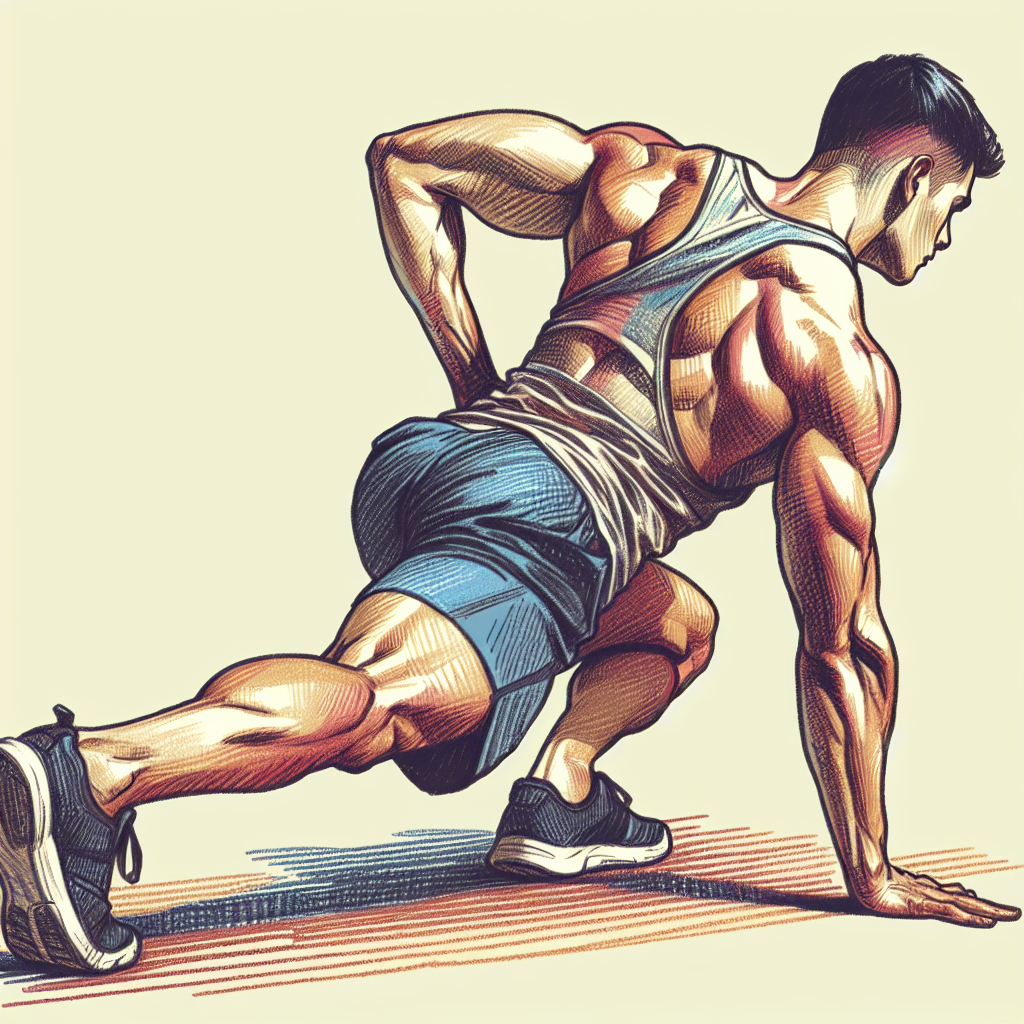
Effective Bodyweight Exercises for Back Health

Maintaining a healthy back is essential for overall well-being. Unfortunately, many individuals experience back discomfort due to sedentary lifestyles, poor posture, or lack of physical activity. Engaging in targeted exercises without the need for equipment can significantly strengthen the back muscles, improve flexibility, and enhance posture. In this article, we will explore some of the best exercises for your back that require no equipment and provide guidance on how to incorporate them into your daily routine.

  • Introduction
  • Understanding the Importance of Back Health
  • Effective Back Exercises Without Equipment
  • Practical Steps to Implement These Exercises
  • When to Consult a Professional
  • Common Myths and Mistakes
  • Frequently Asked Questions
  • Conclusion

Understanding the Importance of Back Health

The back constitutes a complex structure comprising muscles, ligaments, tendons, and bones, all of which must work harmoniously for optimal function. Good back health is crucial, as it supports the body’s posture and movement, facilitates daily activities, and significantly impacts one’s quality of life. Weak back muscles can lead to poor posture, chronic pain, and decreased mobility. Prioritizing back exercises without equipment can help individuals of all fitness levels achieve stronger, healthier backs.

Effective Back Exercises Without Equipment

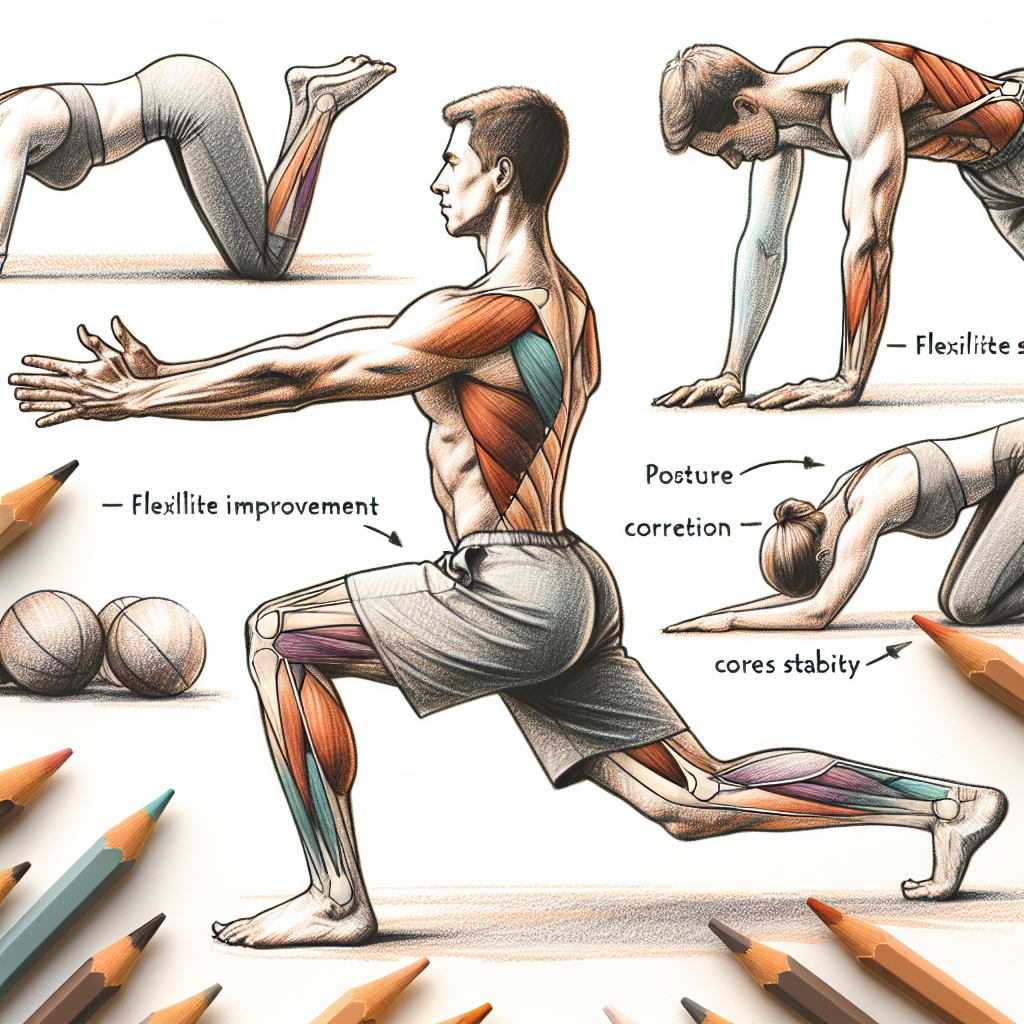
The Cat-Cow Stretch

This exercise enhances flexibility in the spine and stretches the back muscles. Transitioning between these two positions mobilizes the spine effectively.

Bird-Dog

The Bird-Dog is excellent for improving core stability while strengthening the muscles of the lower back and glutes.

Superman Exercise

The Superman strengthens the lower back. It also targets the glutes and shoulders, promoting overall back strength.

Glute Bridge

This movement engages the gluteal muscles, which play a vital role in stabilizing the lower back region.

Child’s Pose

Child’s Pose is a restorative stretch that alleviates tension along the spine, providing a gentle way to relieve back pain.

Practical Steps to Implement These Exercises

Incorporating back exercises into your daily routine can be straightforward. Follow these practical steps to ensure effective execution:

  1. Begin with a warm-up such as gentle stretching to prepare your muscles.
  2. Choose three to five exercises from the list above.
  3. Perform each exercise for 30 seconds to one minute, focusing on form and control.
  4. Allow a brief rest of 15 seconds between exercises.
  5. Repeat the circuit two to three times, depending on your fitness level.
  6. Cool down with light stretching to enhance flexibility.

For those seeking a more structured routine, consider a 30-day exercise program that requires only six minutes a day yet yields gym-like results. You can register for free here.

When to Consult a Professional

While engaging in back exercises is beneficial, certain situations warrant the attention of a medical professional. Seek assistance if you experience:

  • Persistent or worsening pain, especially radiating down the legs.
  • Sudden onset of back pain after an injury or fall.
  • Symptoms of numbness or weakness in your legs or arms.
  • A noticeable change in bowel or bladder control.
  • Difficulty walking or maintaining balance.
  • Pain that interferes with daily activities or sleep.

Common Myths and Mistakes

As with any fitness routine, various myths and misconceptions abound concerning back exercises. It’s crucial to debunk these for better awareness:

  • Myth: Lifting weights is the only way to strengthen the back. Truth: Bodyweight exercises can effectively build strength.
  • Myth: Stretching is unnecessary before workouts. Truth: Proper warm-up and stretching reduce injury risk and enhance performance.
  • Myth: All back pain is serious and requires immediate medical intervention. Truth: Many instances of back pain are self-limiting and can be managed with appropriate exercises.
  • Mistake: Overtraining can lead to more harm than good. Advice: Incorporate rest days to allow muscles to recover.

Frequently Asked Questions

Can I perform these exercises if I have an existing back injury?

It is crucial to consult with a healthcare professional before starting any exercise regimen, especially if you have a current back injury.

How often should I perform these back exercises?

Aiming for at least three to four times per week is beneficial, but listen to your body and adjust accordingly.

How long will it take to see results?

Results may vary by individual; consistent practice over a few weeks typically reveals improvements in strength and flexibility.

Do I need specific clothing or space to perform these exercises?

Comfortable clothing and a little bit of room are often all you need. Consider using a yoga mat for added comfort on hard surfaces.

Are these exercises appropriate for older adults?

Yes, as long as there are no contraindications; these exercises can be adapted for older adults by modifying range of motion and intensity.

Can these exercises help with poor posture?

Yes, strengthening the back and core significantly contributes to improved posture, which can mitigate back pain.

Conclusion

  • Regular back exercises are essential for maintaining a healthy spine.
  • Bodyweight exercises can effectively strengthen back muscles without the need for equipment.
  • Incorporating these exercises into your daily routine can enhance flexibility and posture.
  • Consult a professional when facing persistent or severe back pain.
  • Debunking common myths can help you approach your fitness journey with clarity and confidence.

Take charge of your back health today by incorporating these exercises into your routine. For a comprehensive program that delivers gym-like results without extensive time commitments, consider registering for the free 30-day exercise program at this link. Your journey to a stronger back begins now!

Author: John Angel
Related articles

Categories
Fitness

Effective No-Equipment Exercises for a Stronger Back

Maintaining a strong and versatile back is essential for overall body strength, posture, and injury prevention. Incorporating effective exercises into your routine can enhance your back’s stability and flexibility without the need for equipment. This blog post will explore the best exercises for the back that require no equipment, ensuring you can perform them anywhere, whether at home or outdoors.

  • Understanding the Importance of a Strong Back
  • Effective Bodyweight Exercises for the Back
  • Steps to Incorporate These Exercises into Your Routine
  • When to Consult a Professional
  • Myths and Misconceptions about Back Exercises
  • FAQs
  • Conclusion

Understanding the Importance of a Strong Back

A robust back supports structural alignment and enables everyday movements like lifting, twisting, and bending. Strengthening this area can reduce the risk of back injuries and chronic pain. Furthermore, exercises tailored to the back stimulate muscular coordination and overall physical performance, making them vital for individuals of all fitness levels.

Effective Bodyweight Exercises for the Back

Here are some of the most effective exercises that can help you strengthen your back without any additional equipment:

1. Superman Exercise

This exercise effectively targets the lower back while engaging the glutes and shoulders.

  • Lie face down on the floor with arms extended in front.
  • Simultaneously lift your arms, chest, and legs off the ground.
  • Hold the position for 3-5 seconds before lowering back down.
  • Repeat for 10-15 reps.

2. Bird-Dog

The Bird-Dog balances core stability and back strength while enhancing coordination.

  • Start on all fours on the floor.
  • Extend your right arm forward and left leg backward simultaneously.
  • Hold for a moment, then switch sides.
  • Complete 10-12 reps for each side.

3. Plank

The Plank is an excellent full-body exercise that significantly enhances back strength.

  • Start by lying face down and then push up onto your forearms and toes.
  • Keep your body straight and engage your core.
  • Hold for 20-60 seconds, depending on your ability.

4. Bridge

This exercise strengthens the lower back and glutes.

  • Lie on your back with knees bent and feet flat on the floor.
  • Lift your hips toward the ceiling while squeezing your glutes.
  • Hold for a few seconds before slowly lowering your hips back to the ground.
  • Perform 10-15 repetitions.

5. Cat-Cow Stretch

This exercise improves flexibility in the spine and helps alleviate tension.

  • Starting on your hands and knees, arch your back upwards (Cat position).
  • Then, drop your belly down while lifting your head and tailbone (Cow position).
  • Alternate between positions for 8-10 cycles.

For those seeking a comprehensive approach to exercise, consider registering for a 30-day exercise program, where you could achieve results in just 6 minutes of focused workout daily.

Steps to Incorporate These Exercises into Your Routine

To maximize the benefits of these exercises, consider the following steps:

  • Schedule a specific time daily for your back-strengthening exercises.
  • Start with one or two of the exercises and gradually increase as you become more comfortable.
  • Focus on maintaining proper form to avoid injury.
  • Incorporate variety to keep your routine engaging.
  • Pair these exercises with complementary stretches for overall balance.

When to Consult a Professional

While exercising is generally beneficial, it is crucial to seek professional advice if you experience:

  • Severe or persistent pain in the back.
  • Limited range of motion or difficulty performing basic activities.
  • Signs of sciatica, such as pain radiating down the leg.
  • Unexplained weight loss or changes in bowel/bladder function.

Consulting a qualified healthcare provider can help ensure you receive appropriate guidance tailored to your specific condition or requirements.

Myths and Misconceptions about Back Exercises

Understanding common misconceptions can lead to better exercise practices:

  • Myth: All back pain is caused by weak back muscles.
    Reality: Factors such as posture, daily activities, and underlying conditions also play significant roles.
  • Myth: Strengthening the back means only focusing on traditional exercises.
    Reality: Incorporating flexibility and mobility work is equally essential.
  • Myth: You need weights to build back strength.
    Reality: Bodyweight exercises can be highly effective when performed correctly.

FAQs

1. How often should I do back exercises?

Performing back exercises 2-3 times a week is generally beneficial for strengthening and flexibility.

2. Can I do these exercises if I have back pain?

It’s advisable to consult a healthcare professional before starting any exercise routine if you experience back pain.

3. How long should I hold each position while exercising?

Typically, holding each position for 3-5 seconds is sufficient; however, listen to your body and adjust as necessary.

4. Are these exercises suitable for beginners?

Yes, these exercises can be easily modified to suit various fitness levels and are beginner-friendly.

5. Will this training affect my posture?

Yes, strengthening your back is essential for improving posture and relieving strain on spinal structures.

6. How can I track my progress in these exercises?

Keep a journal or use apps to log your performance, noting repetitions, duration, and any improvements in strength or flexibility.

Conclusion

  • Strengthening your back is vital for overall health and injury prevention.
  • Effective bodyweight exercises can be performed anywhere and require no equipment.
  • Incorporating these exercises into your routine with proper technique yields the best results.
  • Consult a professional if experiencing severe or persistent symptoms.
  • Address myths and misconceptions to enhance your exercise practices.

If you’re ready to embark on a fitness journey, consider signing up for a 30-day exercise program to transform your routine with just 6 minutes a day.

Author: John Angel

Related articles

Categories
Fitness

Effective Bodyweight Exercises for Strength and Fitness

In today’s fast-paced world, finding time to exercise can be challenging. However, engaging in effective workouts without the need for weights offers a myriad of benefits, including improved strength, flexibility, and overall fitness without the necessity for a gym membership. This article will explore the best exercises you can incorporate into your daily routine without the use of weights, providing practical guidance that anyone can follow.

  • Introduction
  • The Importance of Bodyweight Exercises
  • Top Exercises Without Weights
  • Structured Daily Routine
  • When to Seek Professional Guidance
  • Myths and Misconceptions
  • Frequently Asked Questions
  • Conclusion

The Importance of Bodyweight Exercises

Bodyweight exercises leverage an individual’s own weight for resistance and can be highly effective for strength training. They require no equipment, making them accessible and adaptable to various fitness levels. Furthermore, these exercises engage multiple muscle groups, fostering improved coordination, balance, and functional strength that is applicable to daily activities.

Top Exercises Without Weights

  • Push-Ups: A compound exercise that targets the chest, shoulders, and triceps. Variations include incline and decline push-ups.
  • Squats: These work the lower body, particularly the quadriceps, hamstrings, and glutes. Variations include jump squats and single-leg squats.
  • Lunges: Essential for lower body strength and stability, lunges can be performed forward, backward, or sideways.
  • Planks: A fantastic core strengthening exercise with numerous variations, including side planks and plank jacks.
  • Burpees: A full-body exercise that improves strength and cardiovascular endurance, combining a squat, jump, and push-up.
  • Mountain Climbers: Great for building core strength and cardiovascular endurance, engaging multiple muscle groups simultaneously.
  • Jumping Jacks: A simple yet effective aerobic exercise that aids in warming up the body and enhancing coordination.

Structured Daily Routine

Developing a coherent workout structure can maximize the benefits of bodyweight exercises. Here’s a suggested routine that can be completed in just six minutes a day, giving results comparable to traditional gym workouts:

  1. Warm-Up (1 minute): Perform dynamic stretches, such as arm circles and leg swings.
  2. Push-Ups (1 minute): Aim for as many repetitions as possible without sacrificing form.
  3. Squats (1 minute): Perform traditional squats to strengthen your legs and glutes.
  4. Plank (1 minute): Hold a plank position, focusing on maintaining a straight line from head to heels.
  5. Burpees (1 minute): Complete repetitions at a sustainable pace.
  6. Cool Down (1 minute): Finish with static stretches to relax the muscles used during your workout.

For those interested in a comprehensive 30-day exercise program that incorporates brief yet effective workouts, consider registering for a program that allows you to achieve your fitness goals with only six minutes of daily exercise: Free Registration Here.

When to Seek Professional Guidance

While bodyweight exercises can be performed safely by most, there are instances where professional guidance may be necessary. Consider consulting a fitness professional if you experience:

  • Persistent pain during or after exercising.
  • Uncertainty about proper form, leading to potential injuries.
  • Specific injuries or health conditions that may limit exercise type or intensity.

Myths and Misconceptions About Bodyweight Exercises

Several myths about bodyweight exercises can discourage individuals from incorporating them into their fitness routines:

  • Myth 1: Bodyweight exercises are only for beginners. Fact: They can be adapted to any fitness level, from novice to advanced.
  • Myth 2: These exercises are less effective than using weights. Fact: Bodyweight workouts can be just as challenging and beneficial when performed correctly.
  • Myth 3: You’ll only build endurance, not strength. Fact: With proper progression and intensity, muscle strength can be significantly enhanced.

Frequently Asked Questions

Can I build muscle without weights?

Yes, bodyweight exercises can effectively build muscle through resistance training using your own body weight.

How often should I do bodyweight exercises?

It’s advisable to perform bodyweight workouts 3-4 times per week for optimal results and recovery.

Are bodyweight exercises safe for everyone?

While generally safe, those with specific injuries or conditions should consult a professional before beginning any workout regimen.

Can bodyweight exercises help with weight loss?

Yes, they can enhance metabolic rate and burn calories, contributing to weight loss when combined with a balanced diet.

What should I do to avoid injury during bodyweight workouts?

Focus on maintaining proper form and start with a warm-up while listening to your body’s signals.

Is a warm-up necessary before bodyweight exercises?

Yes, warming up helps prepare the muscles and reduces the risk of injury during your workout.

Conclusion

  • Bodyweight exercises are versatile, effective, and suitable for varying fitness levels.
  • Regular participation in such exercises can significantly enhance muscular strength and endurance.
  • These workouts can be performed anywhere and require no special equipment.
  • Consulting a professional can ensure a safe and effective exercise experience, particularly for those with limitations.
  • Consider joining a structured program like the free 30-day exercise program to gain additional support in your fitness journey.

Incorporating bodyweight exercises into your daily routine can yield remarkable health improvements. Start today and explore the potential residing within your own body.

Author: John Angel

Related articles

Categories
Fitness

Effective Back Fat Exercises Without Equipment

Back Fat Exercise Without Equipment: A Comprehensive Guide

Excess back fat can be a source of frustration for many, impacting both physical appearance and self-esteem. Fortunately, effective exercises can be performed without any specialized equipment, facilitating convenient fitness routines at home. This article aims to provide practical guidance on exercises that target back fat, along with insights into when professional assistance may be necessary, common misconceptions, and answers to frequent questions.

  • Understanding Back Fat and Its Causes
  • Effective Exercises for Targeting Back Fat
  • Steps for a Daily Routine
  • When to Consult a Professional
  • Debunking Myths About Back Fat
  • Frequently Asked Questions

Understanding Back Fat and Its Causes

Back fat can accumulate due to various factors, including poor diet, lack of exercise, stress, and hormonal imbalances. Understanding these causes is essential in addressing the issue holistically. A balanced diet and regular physical activity are crucial components in managing body fat, specifically in the back region.

Effective Exercises for Targeting Back Fat

The following exercises can help tone and strengthen the back muscles, reducing the appearance of back fat without the need for weights.

  • Mountain Climbers: This dynamic exercise engages multiple muscle groups, promoting fat burning.
  • Plank Rows: By simulating a rowing motion in a plank position, this exercise effectively targets the back muscles.
  • Superman Lifts: Lying face down, lift your arms and legs simultaneously to engage your back muscles.
  • Widow Push-ups: This exercise involves narrowing your push-up stance to emphasize the muscles in the upper back.
  • Bridge Pose: While primarily a glute exercise, the bridge also strengthens the lower back.

Steps for a Daily Routine

Consider incorporating the following simple routine into your daily schedule, requiring only six minutes:

  1. Warm-up (1 minute): Jumping jacks or high knees to increase heart rate.
  2. Mountain Climbers (1 minute): Maintain a steady pace.
  3. Plank Rows (1 minute): Alternate arms, keeping your core tight.
  4. Superman Lifts (1 minute): Hold each lift for three seconds.
  5. Widow Push-ups (1 minute): Aim for form over quantity.
  6. Bridge Pose (1 minute): Focus on squeezing the glutes and engaging the back.

For further guidance, consider exploring a free registration for a 30-day exercise program designed to achieve visible results with just 6 minutes of daily effort.

When to Consult a Professional

If you experience persistent back pain, sudden weight gain, or other concerning symptoms alongside back fat, it is advisable to consult a healthcare provider. Such signs may indicate underlying health issues that require medical attention, and early intervention can be crucial.

Debunking Myths About Back Fat

Misconceptions about back fat often hinder progress. Here are some common myths:

  • Spot Reduction Works: Targeting specific areas for fat loss is largely a myth; holistic body fat reduction is needed.
  • Cardio Alone Is Enough: While cardio aids in fat loss, strength training builds muscle that burns more calories at rest.
  • Only Gym Equipment Can Help: Bodyweight exercises can be equally effective in toning muscles.
  • Diet Alone Will Solve the Problem: Both diet and exercise are necessary for effective fat loss and overall health.

Frequently Asked Questions

What is the best exercise for back fat?

Combining exercises like mountain climbers and plank rows provides effective fat-burning and muscle-toning results.

How often should I do these exercises?

To see optimal results, aim to perform these exercises at least four to five times a week.

Can I lose back fat through diet alone?

Diet plays a crucial role, but coupling it with exercise will yield more significant and sustainable results.

How long will it take to see results?

Individual results vary, but consistent effort over several weeks typically leads to visible changes.

Is it safe to do these exercises daily?

Yes, as long as you listen to your body and allow for proper recovery when needed.

Will I need to change my diet to lose back fat?

Yes, a balanced diet rich in whole foods and low in processed sugars can support your fat loss goals.

Conclusion

  • Excess back fat can be effectively targeted through bodyweight exercises.
  • Consistency and a holistic approach, including diet, are key to visible results.
  • Engaging in a short, daily exercise routine is feasible for all fitness levels.
  • Consulting a healthcare provider is advisable for underlying health concerns.
  • Understanding myths about back fat can clarify your fitness journey.

By incorporating these exercises into your routine and considering the collective approach of proper nutrition and guidance, you can significantly enhance your fitness journey. Start transforming your approach to back fat today!

Author: John Angel

Related articles

Categories
Fitness

Effective No-Equipment Home Workout Guide

Back Home Workout: No Equipment Needed

In today’s fast-paced world, finding time to visit the gym can be challenging. Fortunately, effective workouts can be performed in the comfort of your own home without any equipment. This article will explore the advantages of no-equipment workouts, offer practical exercises, clarify misconceptions, and guide you on when to seek professional advice. With just six minutes of daily exercise, you can achieve results comparable to a gym regime. Additionally, I invite you to register for a free 30-day exercise program that allows you to explore this concept further: 30-Day Exercise Program.

  • Benefits of No-Equipment Workouts
  • Essential Exercises You Can Do at Home
  • Crafting a 6-Minute Workout Routine
  • Myths and Misconceptions About Home Workouts
  • When to Consult a Professional
  • Common FAQs
  • Conclusion: Key Takeaways

Benefits of No-Equipment Workouts

No-equipment workouts provide a myriad of benefits that can enhance your fitness journey:

  • Flexibility: Exercise whenever and wherever you desire, removing the barriers of location and time.
  • Cost-Effectiveness: Save money typically spent on gym memberships and equipment.
  • Simplicity: No need to learn how to use various machines, allowing for a more intuitive exercise experience.
  • Adaptability: Easily modify exercises based on your fitness level, ensuring safety and effectiveness.
  • Creativity: Use your body weight to create a variety of workout combinations, preventing boredom.

Essential Exercises You Can Do at Home

When it comes to creating an effective home workout, there are several body-weight exercises that can yield significant results:

  • Bodyweight Squats: Engage the lower body effectively while promoting core stability.
  • Push-Ups: Target the chest, shoulders, and triceps; can be modified for beginners.
  • Lunges: Strengthen the legs and improve balance.
  • Planks: Offer a full-body workout while building core strength.
  • Burpees: Combine strength and cardio for a vigorous full-body exercise.

Crafting a 6-Minute Workout Routine

Creating a workout routine that fits within just six minutes is simple. Here’s a suggested routine:

  1. Start with a warm-up: 1 minute of jumping jacks.
  2. Perform 30 seconds of bodyweight squats.
  3. Transition to 30 seconds of push-ups.
  4. Engage in 30 seconds of lunges (15 seconds per leg).
  5. Complete 30 seconds of planks.
  6. Finish with 30 seconds of burpees for a high-intensity challenge.

This concise routine can be repeated daily, providing a significant boost to your fitness levels over time.

Myths and Misconceptions About Home Workouts

Understanding the realities surrounding home workouts helps to clarify their effectiveness:

  • Myth: Home Workouts Are Less Effective: The right bodyweight exercises can provide a workout just as effective as gym equipment.
  • Myth: You Need Equipment for Strength Training: Bodyweight exercises can be tailored to create resistance and build strength.
  • Myth: You Cannot Get Cardio at Home: Incorporating high-intensity intervals, plyometrics, and circuits can boost cardiovascular health.
  • Myth: Routines Become Monotonous: With creativity, bodyweight workouts can vary considerably.

When to Consult a Professional

While home workouts are beneficial, there are instances where professional guidance may be necessary:

  • If you experience persistent pain while exercising.
  • When you have pre-existing health conditions that could affect your ability to engage in physical activity.
  • If you’re unsure about the correct form or technique for specific exercises.
  • Should you be recovering from injury and wish to return to exercise safely.

Frequently Asked Questions

What are the benefits of home workouts?

Home workouts offer flexibility, cost-effectiveness, and adaptability for different fitness levels, all while delivering results.

Can I build muscle with bodyweight exercises?

Yes, you can effectively build muscle using bodyweight exercises by focusing on technique, repetitions, and progressive overload.

How often should I work out at home?

It is generally recommended to engage in moderate exercise at least 150 minutes a week, which can be achieved with short daily routines.

What if I cannot perform certain exercises?

Always listen to your body; modifications are available for most exercises to accommodate different fitness levels and restrictions.

Is cardio possible with no equipment?

Yes, high-intensity intervals, jumping jacks, and burpees are examples of effective cardio that can be performed without equipment.

How can I stay motivated to work out at home?

Setting specific goals, tracking progress, and participating in workout challenges can help maintain motivation over time.

Conclusion: Key Takeaways

  • No-equipment workouts are flexible and cost-effective.
  • A variety of effective bodyweight exercises can be performed at home.
  • A concise 6-minute routine can yield considerable results.
  • Misperceptions about home workouts can hinder their effectiveness; understanding the facts is critical.
  • Professional guidance may be necessary for certain health concerns or injuries.

Incorporating a no-equipment workout into your daily routine opens avenues for fitness that can fit seamlessly into your busy life. Consider starting with a six-minute routine, and don’t forget to explore the free 30-day exercise program here: 30-Day Exercise Program.

Author: John Angel

Related articles

Categories
Fitness

Effective Back Muscle Exercises Without Equipment

Engaging in back muscle exercises without equipment can be highly beneficial for improving posture, enhancing core strength, and preventing injuries. In a world where many suffer from back pain due to sedentary lifestyles, these exercises provide an accessible solution that can be easily integrated into daily routines. The primary advantage of using bodyweight resistance is that it can be done anywhere, making consistency easier to achieve.

  • Introduction
  • Understanding the Back Muscles
  • Benefits of Bodyweight Exercises for the Back
  • Effective Back Muscle Exercises Without Equipment
  • Practical Tips for a Successful Routine
  • When to Consult a Professional
  • Common Misconceptions About Back Exercises
  • FAQ
  • Conclusion

Understanding the Back Muscles

The back comprises several muscle groups, including the latissimus dorsi, trapezius, erector spinae, and rhomboids. These muscles work in unison to support the spine, facilitate movement, and maintain proper posture. Understanding these muscles’ functions can help you appreciate the importance of strengthening them through targeted exercises.

Benefits of Bodyweight Exercises for the Back

Bodyweight exercises offer numerous advantages for back health, including:

  • Accessibility: No equipment is needed, so you can exercise anywhere.
  • Efficiency: These exercises can be completed in a short amount of time.
  • Strength Building: Bodyweight exercises promote muscle growth and strength without heavy weights.
  • Improved Posture: Strengthening back muscles can help alleviate postural imbalances.
  • Injury Prevention: A strong back supports the spine better, reducing the risk of injuries.

Effective Back Muscle Exercises Without Equipment

Below are some effective exercises to strengthen your back muscles without the need for any equipment:

  1. Superman: Lie face down with arms extended. Lift your arms, chest, and legs off the ground and hold for a few seconds.
  2. Bird-Dog: Start on all fours, extend one arm forward and the opposite leg back, then alternate.
  3. Plank: Maintain a straight line from head to heels, supporting your body on forearms and toes.
  4. Wall Angels: Stand against a wall and move your arms up and down in a “snow angel” motion, while keeping your back flat.
  5. Reverse Snow Angel: While lying face down, move your arms and legs out to the side in a flying motion.

Practical Tips for a Successful Routine

To maximize the effectiveness of your back exercises, consider the following tips:

  • Begin with a warm-up to prepare your muscles.
  • Maintain proper form to prevent injuries; focus on technique over quantity.
  • Incorporate a variety of exercises targeting different back muscles.
  • Gradually increase repetitions or duration as your strength improves.
  • Schedule workouts regularly, aiming for at least three times a week.
  • Consider integrating a quick 6-minute routine into your day for efficient results. You can register for a free 30-day exercise program at this link.

When to Consult a Professional

While exercise is often beneficial, it is crucial to know when to seek professional advice. Consider consulting a healthcare provider if you experience:

  • Severe or persistent back pain that impacts daily activities.
  • Pain accompanied by numbness or tingling in the limbs.
  • Sudden onset of back pain without an apparent cause.
  • Difficulty in standing up or sitting down.
  • History of back injuries that resurface.

Common Misconceptions About Back Exercises

There are several myths regarding back exercises that can lead to ineffective practices. Here are some clarifications:

  • Myth 1: You need weights to strengthen your back.
    Reality: Bodyweight exercises can also provide significant strength benefits.
  • Myth 2: Spot reduction is possible.
    Reality: You cannot target fat loss in specific areas through strengthening alone; overall fitness is necessary.
  • Myth 3: Back pain means you shouldn’t exercise.
    Reality: Many back issues can improve with appropriate exercises.
  • Myth 4: All back exercises are the same.
    Reality: Different exercises target different muscle groups; it’s essential to diversify your routine.

FAQ

What is the best exercise for lower back pain?

Exercises like the Bird-Dog and Superman are highly effective at alleviating lower back pain through strength building and stability.

How often should I do back exercises?

Aim for at least three times a week, incorporating different exercises to target various muscle groups.

Can I hurt myself by exercising my back?

Improper form or overdoing it can lead to injuries; always prioritize technique and listen to your body.

Is stretching important for back exercises?

Yes, stretching before and after exercising helps improve flexibility and prevent injuries.

Can I do these exercises if I have a pre-existing condition?

Consult a healthcare professional before beginning any exercise program if you have a pre-existing condition or concern.

Are bodyweight exercises effective for muscle growth?

Yes, bodyweight exercises can effectively promote muscle strength and growth, especially for beginners or those without access to weights.

Conclusion

  • Bodyweight exercises can significantly enhance back strength and improve posture.
  • Regular practice, even for just 6 minutes a day, can yield substantial benefits.
  • Be aware of your body and seek professional advice when necessary.
  • Incorporate a variety of exercises to target different muscle groups effectively.
  • Understanding and debunking myths can lead to more productive workouts.

Take the first step towards a healthier back by integrating these exercises into your daily routine. Consider trying a free 30-day exercise program that requires just 6 minutes a day for effective results. Sign up here.

Author: John Angel

Related articles

Categories
Fitness

Effective Back Muscle Workout Without Equipment

Back Muscle Workout Without Equipment: A Comprehensive Guide

Engaging in regular back muscle workouts is crucial for maintaining overall body alignment, posture, and strength, particularly in our increasingly sedentary lifestyles. The good news is that you do not necessarily need expensive equipment or a gym membership to effectively strengthen your back muscles. This article provides you with a variety of exercises that require no equipment, allowing you to work out in the comfort of your own home or wherever you prefer. A minimal investment of time can yield great results, especially when following a structured program.

  • Introduction
  • Benefits of Back Muscle Workouts
  • Effective No-Equipment Exercises
  • Practical Steps for Implementation
  • When to Seek Professional Advice
  • Common Myths and Misconceptions
  • Frequently Asked Questions
  • Conclusion

Benefits of Back Muscle Workouts

Strengthening the back muscles can significantly improve your posture, reduce the risk of injuries, and enhance your athletic performance. A well-developed back not only supports spinal health but also contributes to an overall balanced physique. Furthermore, engaging in targeted workouts can alleviate tension and stress, foster better sleep, and enhance your quality of life. Committing to a six-minute workout each day can prove as effective as longer gym sessions, particularly when paired with a structured regimen. For optimal results, consider exploring this 30-day exercise program.

Effective No-Equipment Exercises

The following exercises specifically target various muscles in your back. Here are some effective options:

  • Supermans: Lying face down, extend your arms and legs. Lift both arms and legs off the ground simultaneously, hold for a few seconds, and lower.
  • Bird-Dogs: In a tabletop position, extend one arm forward while extending the opposite leg back. Hold briefly and switch sides.
  • Plank Rows: Assume a plank position and stabilize your body. Alternate raising each arm as if rowing, engaging your back muscles.
  • Wall Angels: Standing against a wall with your arms raised, slowly slide your arms down and back up while keeping contact with the wall to work the upper back.
  • Cat-Cow Stretch: In a tabletop position, alternate between arching and rounding your back, which enhances flexibility and mobility.

Practical Steps for Implementation

To incorporate these exercises into your daily routine, follow these steps:

  1. Dedicate a specific time of day for your workouts to build consistency.
  2. Start with 1-2 rounds of each exercise, gradually increasing repetitions or duration as you grow stronger.
  3. Focus on proper form to avoid injuries; consider watching instructional videos if unsure.
  4. Maintain a balanced diet to support your fitness efforts and overall health.
  5. Set realistic goals and monitor your progress over time to stay motivated.

When to Seek Professional Advice

It is essential to consult with a qualified healthcare professional or personal trainer if you experience any of the following:

  • Persistent pain: If you encounter ongoing pain during or after workouts.
  • Pre-existing conditions: If you have a history of back issues, consult a doctor before beginning a new exercise regimen.
  • Limited mobility: Experiencing difficulty in movement that affects your quality of life.
  • Unclear guidance: If you are uncertain about correct forms or methods of exercise.

Common Myths and Misconceptions

Addressing myths can clarify your approach to exercising your back muscles:

  • You need weights to build muscle: Bodyweight exercises can be equally effective in strengthening muscles if performed correctly.
  • All back exercises are the same: Different exercises target various regions of the back, thus creating a balanced workout is essential.
  • More is better: Quality over quantity matters – short, focused sessions can prove effective and sustainable.
  • Back pain means you should stop exercising: Light activity often alleviates pain; however, it’s wise to consult a professional if pain persists.

Frequently Asked Questions

What are the best exercises for beginners?

Supermans and Bird-Dogs are excellent starting points as they enhance core stability and strength.

How often should I work out my back muscles?

A routine of 2-3 times a week can yield noticeable improvements, given adequate recovery time between sessions.

Can I do these exercises daily?

Yes, many of these exercises can be performed daily, particularly lighter ones like stretches.

Will I see results without equipment?

Absolutely, focused bodyweight exercises can lead to significant strength gains over time.

Do I need to warm up before these exercises?

It’s advisable to perform dynamic stretches or light aerobic activity as a warm-up to prepare your muscles.

What if I feel pain during the exercises?

Stop immediately and consult a healthcare professional if you experience pain beyond normal discomfort.

Conclusion

  • No-equipment back workouts can effectively strengthen your muscles and improve posture.
  • A structured routine can be as efficient as longer gym sessions.
  • Consult professionals if experiencing pain or have pre-existing conditions.
  • Understanding myths helps foster a more effective workout approach.
  • Consider incorporating a short daily routine for noticeable results.

To begin your journey towards a stronger back, consider trying the 30-day exercise program, where you invest just six minutes a day for impressive results. Embrace the commitment, and you will observe significant changes in your strength and overall well-being.

Author: John Angel

Related articles

Categories
Fitness

Effective Bodyweight Back Workouts You Can Do at Home

Incorporating effective back workouts into your routine does not necessitate the use of machines or extensive gym equipment. Engaging in bodyweight exercises can effectively strengthen your back muscles, improving posture, increasing functional strength, and reducing the likelihood of injury. This article will guide you through a structured back workout you can perform at home, requiring neither machines nor weights.

  • Understanding the Back Musculature
  • Essential Bodyweight Exercises for Back Strength
  • Creating Your Workout Routine
  • When to Consult a Professional
  • Common Mistakes in Back Workouts
  • FAQs
  • Conclusion

Understanding the Back Musculature

The back is a complex structure composed of various muscle groups, including the latissimus dorsi, trapezius, rhomboids, and erector spinae. These muscles play vital roles in several movements, such as pulling, twisting, and lifting, in addition to supporting proper posture. Understanding these muscle groups is essential for targeting them effectively during bodyweight workouts.

Essential Bodyweight Exercises for Back Strength

Below are key bodyweight exercises you can include in your back workout routine:

  • Superman: Lie face down and extend your arms and legs. Lift your arms, chest, and legs off the ground simultaneously, holding for a few seconds before lowering.
  • Plank to Downward Dog: Start in a plank position, then push your hips upward and back to transition into Downward Dog, focusing on elongating your spine.
  • Reverse Snow Angels: Lie face down with your arms at your sides. Lift your arms and legs while sweeping your arms out to resemble a snow angel, keeping your head and chest elevated.
  • Bird-Dog: Start on all fours. Extend your right arm forward and left leg back while keeping your core engaged. Hold, then switch sides.
  • Bodyweight Rows: Use a sturdy table or horizontal bar. Holding onto the edge, pull your chest up towards it while keeping your body straight.

Creating Your Workout Routine

A structured workout routine is crucial for maximizing the benefits of your back exercises. Here’s a simple six-minute routine you can follow:

  1. Warm-up with 1 minute of dynamic stretching.
  2. Perform 30 seconds of Superman.
  3. Immediately transition to 30 seconds of Plank to Downward Dog.
  4. Execute 30 seconds of Reverse Snow Angels.
  5. Complete 30 seconds of Bird-Dog (15 seconds per side).
  6. Finish with 30 seconds of Bodyweight Rows.
  7. Cool down with static stretches focusing on the back.

For a more comprehensive approach to fitness, consider registering for a free 30-day exercise program where you only exercise for 6 minutes each day, achieving results akin to going to the gym. You can register here: 30-Day Exercise Program.

When to Consult a Professional

While bodyweight exercises are generally safe, there are instances when professional consultation is advisable:

  • If you experience persistent pain during exercises.
  • If you have a prior history of back injuries.
  • When exercises are impacting your daily activities or quality of life.
  • If you are unsure how to perform certain exercises safely.
  • When aiming to recover from specific injuries.

Common Mistakes in Back Workouts

Understanding common misconceptions can enhance the effectiveness of your workout strategy:

  • Neglecting Core Engagement: A strong core is vital for supporting back exercises. Failing to engage the core often leads to improper form and potential injury.
  • Forgetting Warm-Ups: Skipping warm-ups can result in muscle strain. Always include at least a minute of dynamic stretching.
  • Lack of Variability: Repeating the same exercises can lead to plateaus. Ensure variety in your workouts to keep the muscles challenged.
  • Ignoring Recovery: Overtraining can damage muscles and hinder progress. Ensure adequate rest days in your routine.
  • Incorrect Form: Prioritize correct body alignment over the number of reps to reduce the risk of injury.

FAQs

What are the benefits of bodyweight back exercises?

Bodyweight back exercises improve muscle strength, enhance posture, and reduce the risk of back injuries.

Can I perform these exercises at home?

Yes, all listed exercises can be performed at home without the need for equipment.

How often should I do these exercises?

Aim for three to four sessions per week to effectively build back strength.

Do I need to warm up before starting?

Yes, warming up is crucial to prepare your muscles for exercise and prevent injuries.

Can these exercises help alleviate back pain?

While strengthening the back can reduce pain for some, consult a healthcare professional if pain persists or worsens.

Is the 30-day exercise program suitable for beginners?

Yes, the program is designed to be accessible for all fitness levels, including beginners.

Conclusion

  • Bodyweight back exercises can effectively strengthen your back without the need for machines.
  • Understanding the musculature of the back aids in targeting the right areas during workouts.
  • A structured routine enhances efficacy and minimizes risk of injury.
  • Consult professionals when facing persistent pain or uncertainty about exercises.
  • Address common mistakes to ensure safe and effective workouts.

To embark on your fitness journey today and achieve similar results to those from a gym, consider registering for the free 30-day exercise program: 30-Day Exercise Program.

Author: John Angel

Related articles

Categories
Fitness

Effective Bodyweight Back Workout for Strength and Posture

When it comes to fitness, strengthening the back muscles is often underemphasized, yet it plays a crucial role in overall health and posture. Engaging in a bodyweight back workout can be both effective and convenient, allowing individuals to improve their strength and stability without requiring any equipment. In this article, we will explore a variety of bodyweight exercises specifically targeting the back, outline comprehensive workout routines, and provide helpful tips for maximizing your efforts. Additionally, you’ll find a resource for a free 30-day exercise program that requires just six minutes of effort each day, offering significant results similar to those of traditional gym workouts. You can access it here: 30-day exercise program.

  • Introduction to Bodyweight Back Workouts
  • Benefits of Strengthening the Back
  • Essential Bodyweight Exercises
  • Sample Back Workout Routine
  • When to Consult a Professional
  • Common Myths and Mistakes
  • FAQ
  • Conclusion

Introduction to Bodyweight Back Workouts

Back workouts utilizing bodyweight exercises boast versatility and accessibility. Whether you are a beginner or an experienced athlete, these exercises can be adapted to suit your fitness level. Bodyweight training promotes core stability and enhances functional strength, enabling individuals to maintain an upright posture and improve their performance in daily activities.

Benefits of Strengthening the Back

A strong back is essential for numerous reasons:

  • Improved Posture: Strong back muscles help align the spine properly, preventing slouching and back pain.
  • Injury Prevention: A well-conditioned back can cushion the spine against injuries during physical activities.
  • Enhanced Performance: Stronger back muscles contribute to better performance in various sports and activities.
  • Core Stability: A robust back supports overall core strength, essential in many athletic movements.
  • Impact on Mobility: Flexible and strong back muscles facilitate a greater range of mobility.

Essential Bodyweight Exercises

Incorporating a range of bodyweight exercises ensures comprehensive development of the back muscles. Here are a few essential movements:

1. Supermans

This exercise targets the lower back and helps enhance strength:

  1. Lie face down on a mat with arms extended in front of you.
  2. Simultaneously raise your arms and legs off the ground, holding for a few seconds.
  3. Lower back to the starting position and repeat.

2. Plank Rows (Renegade Rows)

A fantastic workout for the upper back and shoulders:

  1. Assume a plank position with your hands beneath your shoulders.
  2. While stabilizing your core, lift one arm to your side as if performing a rowing motion.
  3. Lower it back down and alternate sides.

3. Reverse Snow Angels

This exercise strengthens the upper back while promoting shoulder mobility:

  1. Lie face down with your arms at your sides.
  2. Sweep your arms out to the sides and overhead in a “snow angel” motion.
  3. Return to starting position and repeat.

4. Bridges

Bridges build strength in the lower back and glutes:

  1. Lie on your back with knees bent and feet flat on the floor.
  2. Push through your heels and lift your hips, squeezing your glutes.
  3. Lower back down and repeat.

5. Bird Dogs

This exercise enhances stability and balance:

  1. Begin in a tabletop position with hands under shoulders and knees under hips.
  2. Extend one arm forward and the opposite leg back.
  3. Hold for a few seconds, return to starting position, and switch sides.

Sample Back Workout Routine

To effectively incorporate the aforementioned exercises, consider the following routine:

  1. Supermans: 3 sets of 12–15 reps
  2. Plank Rows: 3 sets of 10–12 reps per side
  3. Reverse Snow Angels: 3 sets of 10–15 reps
  4. Bridges: 3 sets of 15–20 reps
  5. Bird Dogs: 3 sets of 10 reps per side

Perform this routine 2–3 times a week for optimal results.

When to Consult a Professional

Engaging in any physical training requires awareness of personal limitations. Consider seeking professional guidance if:

  • You experience persistent pain or discomfort during workouts.
  • You have a history of back injuries or conditions.
  • You are unsure of proper form or technique.
  • You are preparing for a specific athletic event.
  • You are looking to expand your training regimen beyond bodyweight exercises.

Common Myths and Mistakes

Understanding misconceptions surrounding back workouts can enhance your effectiveness:

Myth 1: Bodyweight Exercises Are Not Challenging

Bodyweight exercises can be very challenging when performed correctly and with proper progressions.

Myth 2: Back Exercises Only Target the Lower Back

A comprehensive back workout targets the upper, middle, and lower back muscles for balanced strength.

Mistake 1: Neglecting Core Engagement

Failing to engage your core during back exercises diminishes their effectiveness and increases injury risk.

Mistake 2: Skipping Warm-Up and Cool Down

Proper warm-up and cool-down routines are essential for preventing injuries and enhancing recovery.

FAQ

1. How often should I perform back workouts?

It’s advisable to engage in back workouts 2-3 times per week for optimal results.

2. Can bodyweight exercises really build muscle?

Yes, bodyweight exercises can effectively build muscle if performed with sufficient intensity and volume.

3. What are signs of an overworked back?

Symptoms include persistent pain, tightness, and reduced mobility in the back muscles.

4. Should I stretch before or after working out?

Dynamic stretching is best before workouts, while static stretching is ideal for after workouts.

5. Can beginners perform these exercises?

Yes, beginners can start with modified versions of these exercises and progress as strength improves.

6. Is professional supervision necessary for all workouts?

While not always necessary, supervision can be helpful for beginners or those with specific concerns.

Conclusion

  • Strengthening the back is essential for overall health and posture.
  • Bodyweight exercises provide an effective and accessible means to achieve this.
  • A well-rounded back workout includes a variety of movements targeting different muscle groups.
  • Consulting a professional can enhance safety and effectiveness, particularly for beginners.
  • Dispelling common myths and understanding proper technique can prevent injuries and improve results.

Enhancing your back strength through a structured bodyweight workout can yield remarkable benefits. Explore the recommended exercises and consider participating in the free 30-day exercise program linked above. Your path to a stronger back starts today!

Author: John Angel

Related articles

Categories
Fitness

Effective No-Equipment Workout for All Fitness Levels

As modern life becomes increasingly sedentary, the importance of maintaining physical fitness cannot be overstated. A basic workout routine that requires no equipment can provide a practical solution for individuals seeking to improve their health without the need for a gym membership. Engaging in just a few minutes of efficient exercise each day can yield significant results, boost mental well-being, and enhance overall quality of life. This article explores how to effectively incorporate a no-equipment workout into your daily routine.

  • Introduction
  • Benefits of No-Equipment Workouts
  • Essential Exercises to Include
  • Creating Your Daily Routine
  • Common Misconceptions
  • When to Seek Professional Guidance
  • FAQs
  • Conclusion

Benefits of No-Equipment Workouts

No-equipment workouts offer a plethora of advantages for individuals of all fitness levels. The primary benefits include:

  • Accessibility: No need for a gym membership or expensive equipment.
  • Flexibility: They can be performed anywhere—home, park, or office.
  • Time Efficiency: Short, impactful sessions can be squeezed into a busy schedule.
  • Enhanced Functional Strength: Many bodyweight exercises improve strength and coordination.

Essential Exercises to Include

There are several exercises that can form the core of a no-equipment workout routine. Below is a list of fundamental movements to consider:

  • Push-Ups: A classic exercise that strengthens the chest, shoulders, and triceps.
  • Bodyweight Squats: Great for building leg strength and enhancing lower body stability.
  • Plank: An isometric exercise that strengthens the core, back, and shoulders.
  • Lunges: Effective for improving balance and targeting leg muscles.
  • Burpees: A full-body exercise that boosts cardiovascular health and builds endurance.
  • Mountain Climbers: An excellent choice for increasing heart rate and working multiple muscle groups.

Creating Your Daily Routine

To ensure consistency and effectiveness, consider the following steps to create a personal workout routine:

  1. Set a Schedule: Choose a specific time each day to dedicate to your workout.
  2. Warm-Up: Begin with dynamic stretches to increase blood flow to the muscles.
  3. Select Exercises: Choose a mix of the essential movements mentioned above.
  4. Duration: Aim for a total of 6 minutes, focusing on high-intensity intervals.
  5. Cool Down: End with static stretching to improve flexibility and reduce muscle soreness.
  6. Track Progress: Keep a journal or app to monitor your achievements and stay motivated.

For a structured program that requires only 6 minutes of your daily time but achieves results akin to gym workouts, consider registering for this 30-day exercise program.

Common Misconceptions

Misinformation can deter individuals from pursuing no-equipment workouts. Here are some common myths addressed:

  • Myth 1: You need equipment for effective workouts.
  • Myth 2: Short workouts are ineffective.
  • Myth 3: Bodyweight exercises are only for beginners.
  • Myth 4: You cannot build muscle without weights.

When to Seek Professional Guidance

While no-equipment workouts can be beneficial, certain circumstances require consultation with a qualified professional. Consider seeking guidance if you experience:

  • Persistent pain or discomfort during exercise.
  • Uncertainty about the suitability of exercises for your individual needs.
  • A pre-existing medical condition that affects physical activity.
  • A significant change in fitness levels or overall health.

FAQs

What is a no-equipment workout?

A no-equipment workout consists of exercises that utilize your body weight as resistance, eliminating the need for additional gear.

How effective are no-equipment workouts?

No-equipment workouts can be highly effective for building strength, flexibility, and endurance when performed consistently and with proper form.

How often should I do no-equipment workouts?

Generally, aiming for 4-5 times a week is ideal for most individuals to maintain and improve fitness levels.

Can beginners perform no-equipment workouts?

Yes, they are suitable for beginners. It is advisable to start slowly and focus on form to prevent injury.

What if I want to increase intensity?

You can increase intensity by performing exercises at a faster pace, reducing rest time, or adding repetitions.

Is a warm-up necessary before a workout?

Yes, warming up is crucial to prepare your body for exercise and reduce the risk of injury.

Conclusion

  • No-equipment workouts are accessible and convenient for all fitness levels.
  • Essential exercises include push-ups, squats, and lunges.
  • Creating a structured routine ensures consistency and effectiveness.
  • Be aware of common misconceptions surrounding bodyweight training.
  • Seek professional guidance when necessary for safety and tailored advice.

Incorporating no-equipment workouts into your routine can significantly enhance your fitness journey. Start today and explore the benefits of short, impactful sessions that fit seamlessly into your lifestyle. For a guided program that achieves results in only 6 minutes a day, consider signing up here.

Author: John Angel

Related articles

Website analytics information

We use Google Analytics 4 for visitor statistics. Analytics cookies require your consent, which you can change using the button above. The data controller is ZDRAVÍ S ÚSMĚVEM s.r.o., company ID 29283329, contact podpora@revolucnicviceni.cz. Google processes browser, device and page visit information. We do not send form field values to Analytics. How Google uses information · Google Privacy Policy.