Categories
Fitness

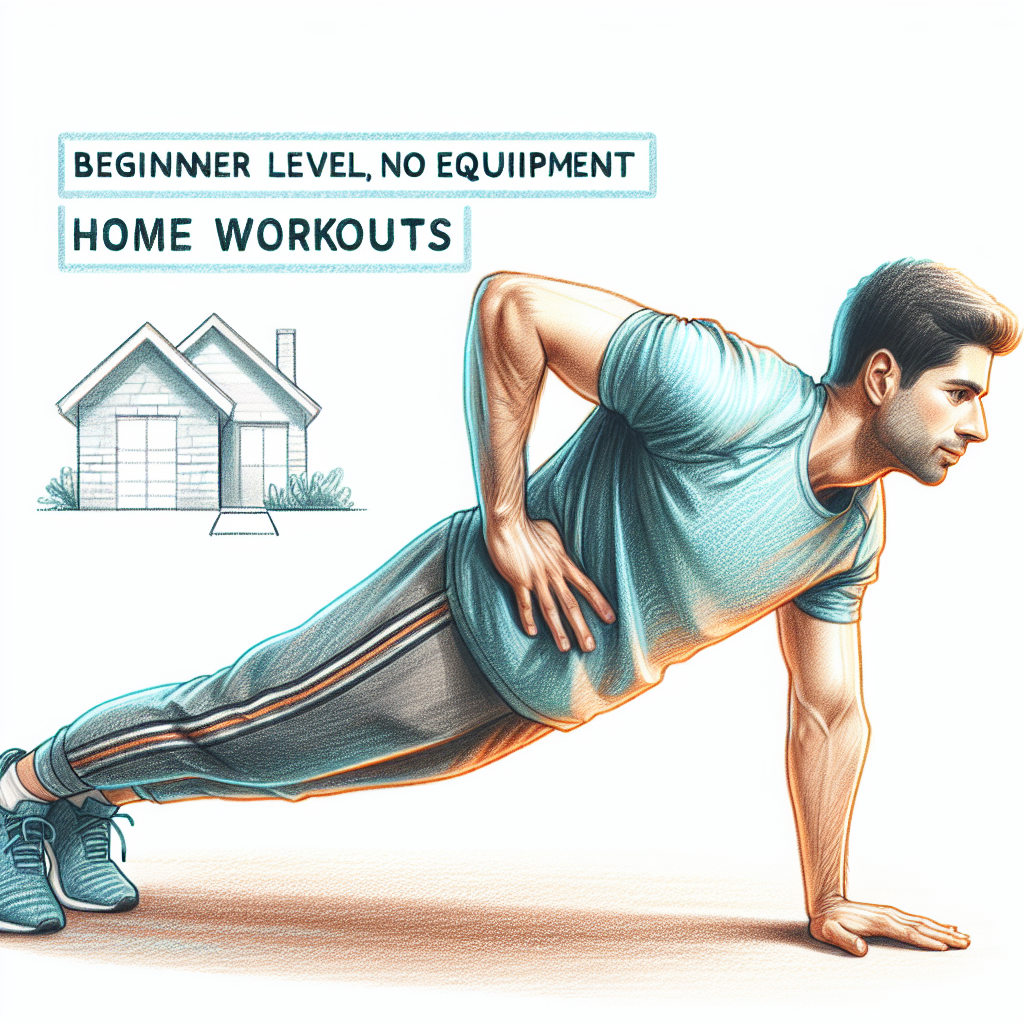
Effective No-Equipment Exercises for Home Fitness

The pursuit of physical fitness need not be an elaborate affair involving expensive gym memberships or specialist equipment. In fact, an impressive array of effective exercises can be done at home with little to no equipment. This article presents a compilation of easy, no-equipment exercises that can significantly enhance your strength, flexibility, and overall health. Furthermore, you will learn about a simple way to achieve remarkable results in just six minutes a day through a 30-day exercise program.

  • Introduction
  • Benefits of No-Equipment Exercises
  • Essential No-Equipment Exercises
  • Creating a Consistent Routine
  • When to Consult a Professional
  • Myths and Misconceptions
  • Frequently Asked Questions
  • Conclusion

Benefits of No-Equipment Exercises

No-equipment exercises offer numerous advantages, particularly for individuals with busy schedules or those who are new to fitness. Here are some key benefits:

  • Accessibility: You can perform these exercises anywhere—at home, in a park, or even at the office.
  • Cost-Effective: There’s no need for expensive gym equipment or memberships.
  • Flexibility: You can work out at any time that suits your schedule.
  • Comprehensive Fitness: No-equipment exercises can target various muscle groups, improving strength, endurance, and flexibility.

Essential No-Equipment Exercises

To help you embark on your fitness journey, here are some effective no-equipment exercises:

  • Bodyweight Squats: Stand with feet shoulder-width apart, lower your body as if sitting back into an imaginary chair, then rise back to standing. Aim for 3 sets of 10-15 repetitions.
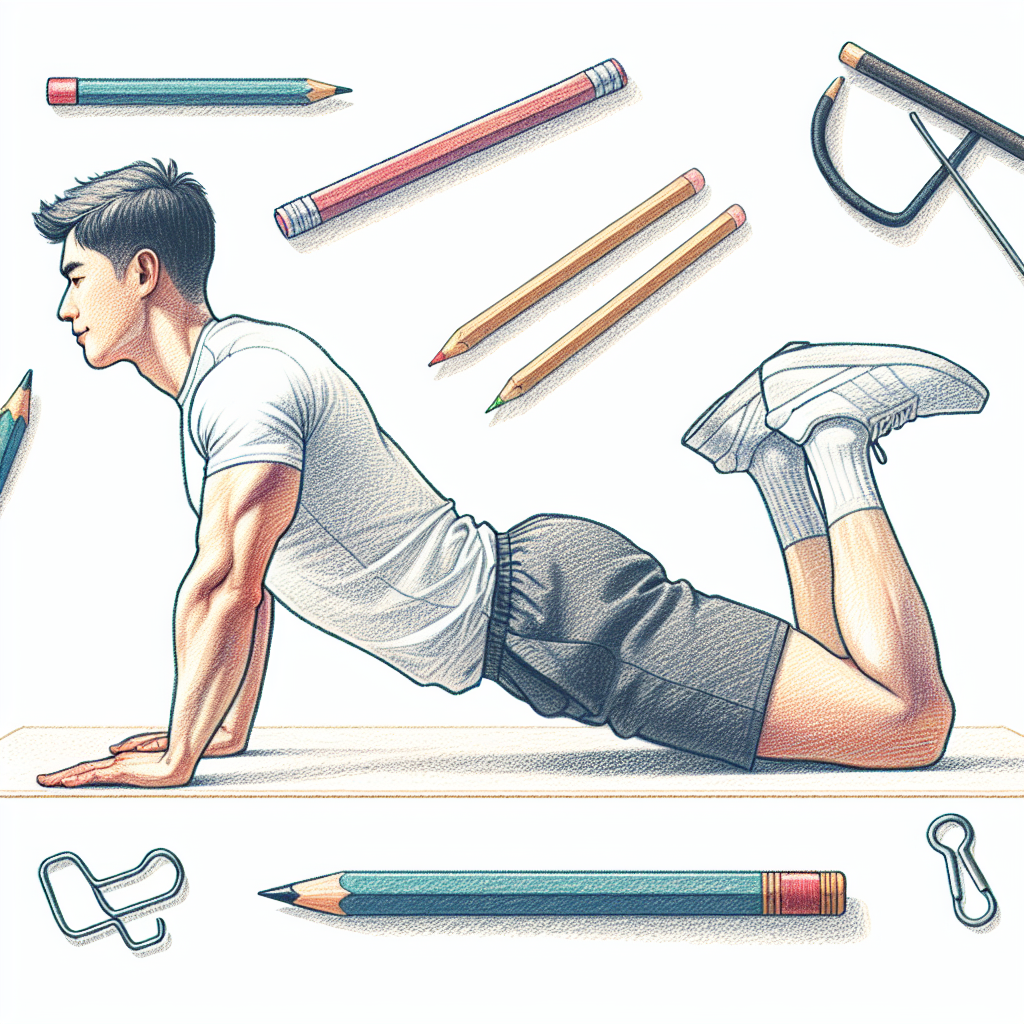
  • Push-Ups: Begin in a plank position, lower your body until your chest nearly touches the floor, then push back up. Modify by performing them on your knees if necessary. Start with 3 sets of 5-10 repetitions.
  • Lunges: Take a step forward with one leg, lowering your hips until both knees form 90-degree angles. Alternate legs, aiming for 3 sets of 10 repetitions on each side.
  • Plank: Hold a push-up position, keeping your body straight from head to heels. Start with 20-30 seconds, progressing over time to longer durations.
  • Burpees: A combination of a squat, push-up, and jump. Start in a standing position, drop into a squat, kick your feet back into a plank, return to squat, and jump up. Aim for 3 sets of 5-10 repetitions.
  • Mountain Climbers: In a plank position, drive your knees alternately toward your chest. Maintain a steady pace for 30-60 seconds.

For those who desire structured guidance, consider participating in a 30-day exercise program wherein you only spend six minutes a day exercising. These routines can produce results akin to traditional gym workouts. To register for the program, visit this link.

Creating a Consistent Routine

Establishing a consistent workout routine is crucial for long-term success. Here are a few practical steps to cultivate a habit:

  1. Set a Schedule: Choose specific days and times to engage in your workouts.
  2. Start Small: If you’re new to exercise, begin with short sessions, gradually increasing the duration and intensity.
  3. Track Your Progress: Keep a journal or use an app to log your workouts and progress over time.
  4. Stay Motivated: Consider finding a workout buddy or joining online fitness communities for support.
  5. Be Patient: Results take time. Celebrate small milestones while working towards your fitness goals.

When to Consult a Professional

While no-equipment exercises are effective for many individuals, there are circumstances that warrant professional consultation:

  • Persistent pain during or after exercise that does not improve.
  • Difficulty performing basic movements or exercises.
  • Underlying health conditions, such as cardiovascular issues, diabetes, or musculoskeletal disorders.
  • Pregnancy or postpartum recovery periods.
  • An intention to significantly change your fitness regimen or tackle specific athletic goals.

Myths and Misconceptions

Several myths surround the concept of no-equipment exercises. Understanding these can help clear misconceptions:

  • Myth 1: No-equipment exercises are not effective. Fact: Many bodyweight exercises are highly effective for building strength and endurance.
  • Myth 2: You can only gain strength with weights. Fact: Bodyweight exercises can yield significant strength gains when performed correctly and consistently.
  • Myth 3: You need to work out for hours to see results. Fact: Short, consistent workouts can be just as effective.
  • Myth 4: All exercises should be painful to be effective. Fact: While some discomfort is normal, pain is not an indicator of a good workout.

Frequently Asked Questions

Can beginners perform no-equipment exercises?

Yes, no-equipment exercises are generally suitable for beginners, but it is advisable to start slowly and focus on form.

How often should I do no-equipment exercises?

Aim for at least three to five sessions per week for the best results.

Is it necessary to warm up before exercising?

Yes, warming up prepares your body for exercise, reducing the risk of injury.

Are no-equipment exercises limited to strength training?

No, they can also enhance cardiovascular fitness and flexibility through various routines.

Can I lose weight with no-equipment exercises?

Yes, when combined with a balanced diet, no-equipment exercises can significantly contribute to weight loss.

How do I stay motivated to exercise at home?

Set clear goals, track your progress, and consider joining online fitness communities to stay engaged and motivated.

Conclusion

  • No-equipment exercises are accessible and effective for improving fitness.
  • You can create a consistent workout routine that fits your lifestyle.
  • Consult a professional if you experience persistent pain or have underlying health concerns.
  • Dispelling myths can enhance your understanding of fitness and motivate you to follow through.
  • Consider joining a structured program for guided workouts with tangible results.

Start your fitness journey today by exploring no-equipment exercises and consider registering for our 30-day program to experience the benefits of effective workouts at home. Visit this link for registration.

Author: John Angel
Related articles

Categories
Fitness

Effective Equipment-Free Back Exercises for Strength and Health

Introduction

Maintaining a strong and flexible back is essential for overall health, yet many individuals overlook effective exercises due to limited access to equipment. Fortunately, there are numerous equipment-free back exercises that can be seamlessly integrated into your daily routine. These exercises not only enhance strength and stability but also help in alleviating back pain and improving posture. With just a few minutes of daily effort, you can achieve results comparable to traditional gym workouts.

  • Understanding the Importance of Back Exercises
  • Essential Equipment-Free Exercises
  • Guided Routine for a Stronger Back
  • When to Seek Professional Help
  • Common Myths and Mistakes
  • Frequently Asked Questions
  • Conclusion and Next Steps

Understanding the Importance of Back Exercises

Back exercises play a crucial role in maintaining spinal health and preventing back-related issues. The back muscles, comprising a diverse array of muscle groups, support your abdomen, spine, and overall body structure. Strong back muscles help in better posture, reducing the risk of injuries, and enhancing athletic performance. Neglecting these muscles can lead to imbalances that precipitate pain and discomfort.

Essential Equipment-Free Exercises

Here is a list of effective equipment-free exercises that target various muscles in your back:

  • Cat-Cow Stretch: This yoga-based exercise improves flexibility and alleviates tension.
  • Superman Exercise: This strengthens the lower back and glutes, enhancing overall stability.
  • Plank: While primarily a core exercise, it also engages the muscles in the upper and lower back.
  • Bird-Dog: This promotes balance while strengthening the lower back and core.
  • Bridge: This targets the glutes and lower back, supporting spinal alignment.

Guided Routine for a Stronger Back

Here’s a simple routine you can follow to efficiently strengthen your back without any equipment:

  1. Cat-Cow Stretch: 10 repetitions
  2. Superman Exercise: 10 repetitions, holding each for 3 seconds
  3. Plank: Hold for 20-30 seconds
  4. Bird-Dog: 10 repetitions per side
  5. Bridge: Hold for 15-20 seconds, repeat 5 times

By dedicating just 6 minutes a day to this routine, you can work towards achieving significant improvements in your back strength and functionality. Consider registering for a free 30-day exercise program to help guide you through efficient daily workouts: Free 30-Day Exercise Program.

When to Seek Professional Help

While incorporating these exercises into your routine can be highly beneficial, certain signs may indicate the need for professional intervention. You should consult a qualified health professional if you experience:

  • Persistent back pain that does not improve with rest
  • Neurological symptoms such as numbness or tingling in the legs
  • Pain accompanying significant injuries or falls
  • Severe discomfort during exercises that persists despite modification

Engaging with a healthcare provider can ensure that your back health is properly assessed and managed.

Common Myths and Mistakes

There are several misconceptions surrounding back exercises that can hinder progress. Here are a few common myths and mistakes:

  • Myth: You need equipment to strengthen your back. Equipment-free exercises can be just as effective as gym-based workouts.
  • Mistake: Ignoring form for more repetitions. Prioritize technique over quantity to avoid injury and maximize effectiveness.
  • Myth: Stretching alone is sufficient. While flexibility is essential, strength training is equally important for a balanced back.
  • Mistake: Performing the same exercises daily. Variety prevents plateaus and keeps your muscles engaged.

Frequently Asked Questions

What is the best time to perform back exercises?

The best time to perform back exercises is whenever you can consistently fit them into your routine, whether in the morning, afternoon, or evening.

Can I perform back exercises daily?

Yes, you can perform these exercises daily, but listen to your body and adjust intensity as necessary, especially if you’re a beginner.

How long will it take to see results?

Results can vary, but with consistent practice, many people begin to notice improvements in strength and posture within a few weeks.

Should I warm up before exercising?

Yes, warming up prepares your muscles and reduces the risk of injury. Simple dynamic stretches can suffice.

Are these exercises suitable for everyone?

While generally safe, individuals with existing back conditions should consult a healthcare professional before starting any new exercise routine.

Can these exercises help with back pain?

Many of these exercises can alleviate mild to moderate back pain; however, consult with a professional for persistent discomfort.

Conclusion and Next Steps

  • Regularly engage in equipment-free back exercises to enhance strength.
  • Prioritize proper form over quantity to maximize effectiveness.
  • Consider varying your routine to prevent monotony and plateaus.
  • Consult a professional if you experience persistent back issues.
  • Start your journey towards back strength today with simple daily routines.

Incorporating these exercises into your daily routine can make a profound difference in your back health and overall well-being. Whether you’re a beginner or looking to strengthen an already fit back, remember that consistency is key. Start small, stay committed, and experience the benefits of a stronger back.

Author: John Angel

Related articles

Categories
Fitness

Effective Bodyweight Exercises for Weight Loss

Best Exercise to Lose Weight Without Equipment

In the quest for effective weight loss, many individuals often overlook the potential of bodyweight exercises that require no equipment. Engaging in these exercises can lead to significant calorie burn, improved metabolic rates, and enhanced muscle tone. This article explores various forms of exercise that can aid in weight loss, all without the necessity for gym equipment. Whether you are a beginner or looking to enhance your current routine, these exercises can elevate your fitness journey effectively.

  • Introduction
  • Understanding Bodyweight Exercises
  • Benefits of No-Equipment Workouts
  • Effective Exercises for Weight Loss
  • Practical Steps to Get Started
  • When to Consult a Professional
  • Common Myths About Weight Loss Exercise
  • FAQ
  • Conclusion

Understanding Bodyweight Exercises

Bodyweight exercises utilize your weight as resistance, allowing for varied training functions throughout the body. These exercises can be performed anywhere, making them ideal for individuals with no access to gym facilities, and they cater to all fitness levels, enabling customized workouts.

Benefits of No-Equipment Workouts

No-equipment workouts have multiple advantages:

  • Accessibility: You can work out anywhere—at home, in a park, or while traveling.
  • Cost-effective: There are no fees for gym memberships or equipment purchases.
  • Scalability: Bodyweight exercises can be easily modified to match your fitness level.
  • Functional fitness: These exercises often mimic real-life movements, improving your overall functional strength.
  • Improved cardiovascular health: High-intensity bodyweight workouts can elevate your heart rate, enhancing metabolic efficiency.

Effective Exercises for Weight Loss

Here are some key bodyweight exercises proven effective for weight loss:

  • Push-Ups: Increases upper body strength and burns calories.
  • Squats: Engages the larger muscle groups in your legs, aiding in calorie expenditure.
  • Planks: Strengthens the core and promotes stability, leading to better balance and posture.
  • Burpees: Combines strength and aerobic training for a full-body workout.
  • Mountain Climbers: A dynamic exercise that escalates heart rate and strengthens the core.
  • Jumping Jacks: Great for warming up and elevating cardiovascular performance.

Practical Steps to Get Started

To effectively incorporate bodyweight exercises into your routine, follow these steps:

  1. Set a Schedule: Dedicate specific days and times to your workouts to create consistency.
  2. Warm Up: Always start with a brief warm-up to prevent injuries.
  3. Select Your Exercises: Choose a mix of the exercises mentioned above, targeting different muscle groups.
  4. Start Slowly: Begin with a lower number of repetitions, gradually increasing as you gain strength.
  5. Track Your Progress: Keep a record of your workouts, noting improvements in strength, endurance, or weight loss.
  6. Join a Program: For structured guidance, consider registering for a 30-day exercise program that involves only 6 minutes of daily exercise but yields results comparable to traditional gym workouts: Join Here.

When to Consult a Professional

While bodyweight exercises are generally safe, there are instances when consulting a healthcare or fitness professional may be necessary:

  • If you have pre-existing medical conditions or concerns.
  • If you experience unusual pain or discomfort when exercising.
  • If you are unsure about your current fitness level or how to start an exercise program.
  • During any significant life changes, such as pregnancy or recovery from injury.

Common Myths About Weight Loss Exercise

Several misconceptions surround weight loss and exercise that warrant clarification:

  • Myth 1: You must exercise for long periods to lose weight. Truth: Short, high-intensity workouts can be equally effective.
  • Myth 2: All weight loss is purely about exercise. Truth: Nutrition plays a crucial role in weight management.
  • Myth 3: You can target fat loss in specific areas. Truth: Spot reduction is largely a myth; overall fat loss is necessary.
  • Myth 4: Bodyweight exercises are not effective. Truth: They can be highly effective when done correctly and consistently.

FAQ

What is the best exercise for weight loss at home?

Some of the most effective bodyweight exercises include squats, push-ups, and burpees, which can significantly boost calorie burn.

How often should I do bodyweight exercises?

Aim for at least three to four times a week, allowing for rest days to enable muscle recovery.

Can I lose weight without cardio?

Yes, strength training and bodyweight exercises can effectively contribute to weight loss even without traditional cardio exercises.

How quickly can I see results?

With consistent effort and a balanced diet, many individuals can see noticeable changes within four to six weeks.

Is it necessary to warm up before exercising?

Yes, warming up prepares your muscles and reduces the risk of injury during your workout.

Can I do these exercises if I am a beginner?

Absolutely! Bodyweight exercises are adaptable and can easily be modified to suit your fitness level.

Conclusion

  • Bodyweight exercises provide an accessible way to lose weight effectively.
  • These exercises can be performed anywhere, saving both time and money.
  • Consistency combined with a good diet is crucial for achieving weight loss goals.
  • Always listen to your body and consult a professional when necessary.
  • Consider joining a structured program for a more guided approach.

If you are ready to embark on a transformative fitness journey, consider starting with a program designed to maximize results in just six minutes a day: Join Here.

Author: John Angel

Related articles

Categories
Fitness

Effective Back Exercises You Can Do Without Equipment

Back Exercises with No Equipment

Incorporating back exercises into your fitness routine is essential for maintaining a healthy posture, reducing back pain, and improving overall strength. Not everyone has the luxury of access to gym equipment or fitness classes, but good news—effective back exercises can be performed at home without any equipment. This article will guide you through a variety of bodyweight exercises designed to strengthen your back, improve flexibility, and enhance posture, all from the comfort of your home.

  • Introduction
  • Benefits of Back Exercises
  • Essential Back Exercises
  • Step-by-Step Guidance
  • Professional Consultation
  • Common Misconceptions
  • FAQ
  • Conclusion

Benefits of Back Exercises

Performing back exercises offers several health benefits, including:

  • Improved Posture: Strengthening back muscles supports the spine and promotes proper alignment.
  • Pain Relief: Regular exercise can alleviate discomfort by relieving tension and increasing flexibility.
  • Enhanced Strength: Targets core muscles that contribute to overall strength and stability.
  • Injury Prevention: Strong back muscles can prevent injuries during physical activities.

Essential Back Exercises

The following exercises can be performed anywhere and do not require any equipment:

  • Superman: Strengthens the lower back and glutes.
  • Child’s Pose: Promotes flexibility in the spine and alleviates tension.
  • Bird-Dog: Improves balance and engages the core.
  • Side Plank: Enhances oblique strength and stability.
  • Cat-Cow Stretch: Increases spinal flexibility and relieves tension.

Step-by-Step Guidance

Here’s a practical guide to performing the exercises listed above:

  1. Superman:
    • Lie face down on the floor with your arms extended in front of you.
    • Raise your arms, legs, and chest off the ground simultaneously.
    • Hold for a few seconds, then lower.
  2. Child’s Pose:
    • Kneel on the floor and sink back onto your heels.
    • Extend your arms forward and lower your forehead to the ground.
    • Hold for several breaths.
  3. Bird-Dog:
    • Start on all fours with hands under your shoulders and knees under your hips.
    • Extend your right arm forward and your left leg back simultaneously.
    • Hold for a moment, then switch sides.
  4. Side Plank:
    • Lie on your side, propping your body on one elbow.
    • Lift your hips until your body forms a straight line.
    • Hold this position before switching sides.
  5. Cat-Cow Stretch:
    • Begin on all fours.
    • Inhale and arch your back (Cow), exhale and round your back (Cat).
    • Repeat for several breaths.

When to Consult a Professional

While exercising can provide numerous benefits, it is important to consult a healthcare professional if you experience:

  • Severe or persistent back pain
  • Numbness or tingling in the legs
  • Difficulty standing or walking
  • Sudden weight loss alongside back pain

These symptoms may indicate underlying conditions requiring professional intervention.

Common Misconceptions

There are several myths surrounding back exercises that can lead to misinformation:

  • Myth: Back exercises only involve lifting weights. Truth: Bodyweight exercises can be just as effective.
  • Myth: You should never exercise if you have back pain. Truth: Gentle exercises can often alleviate pain.
  • Myth: Stretching is enough to strengthen your back. Truth: A combination of stretching and strength training is necessary.

FAQ

Why is it important to strengthen my back?

A strong back supports posture, reduces pain, and enhances overall strength, contributing to better physical health.

Can these exercises be done daily?

Yes, these exercises are safe to include in your daily routine, improving strength and flexibility over time.

How long should I hold each position?

Start with holding each position for 15-30 seconds and gradually increase as you build stability and strength.

What if I feel pain while exercising?

If you experience pain during these exercises, stop immediately and consult a healthcare professional.

Can I do these exercises if I have a previous injury?

Consult with a healthcare provider before starting any exercise routine if you have a history of back injuries.

Where can I find additional guided routines?

You can sign up for a free registration for a 30-day exercise program where you will only exercise for 6 minutes every day, achieving results comparable to gym workouts: 30-day exercise program.

Conclusion

  • Incorporating back exercises improves posture and reduces pain.
  • Bodyweight exercises can effectively strengthen your back.
  • Consult a professional if you experience severe symptoms.
  • Common myths can lead to misunderstandings about back health.
  • Consistency in practice yields the best results.

Start incorporating these exercises into your daily routine today for a healthier back, and consider registering for our streamlined 30-day program to maximize your results. Your back will thank you!

Author: John Angel

Related articles

Categories
Fitness

Effective No-Weight Exercises for a Stronger Back

Back Exercises with No Weights

Back health is often overlooked in fitness regimens, yet it is crucial for overall well-being. Engaging in exercises that strengthen your back without the use of weights can provide numerous benefits, such as improved posture, increased flexibility, and reduced risk of injury. This article presents a comprehensive guide to effective back exercises that require no weights, along with professional advice on when to seek assistance for back issues.

  • Introduction to Weight-Free Back Exercises
  • Understanding the Importance of Back Strength
  • Key Exercises for Strengthening Your Back
  • Practical Steps to Incorporate These Exercises
  • When to Consult a Professional
  • Common Myths About Back Exercises
  • Frequently Asked Questions
  • Conclusion: Summary and Next Steps

Understanding the Importance of Back Strength

A strong back is essential for maintaining good posture, balancing your body, and supporting your spine. Weak back muscles can lead to various issues, such as chronic pain, poor posture, and even mobility problems. Engaging in regular back exercises can significantly enhance your quality of life and physical capabilities.

Key Exercises for Strengthening Your Back

The following exercises can be easily performed at home, without any weights, and can effectively target both the upper and lower back muscles:

1. Supermans

This exercise engages your lower back muscles while also improving core strength.

  • Lie face down on the floor.
  • Extend your arms in front of you and legs straight behind.
  • Simultaneously lift your arms, chest, and legs off the ground, holding for a few seconds.
  • Lower back down and repeat 10-15 times.

2. Cat-Cow Stretch

This dynamic movement helps to stretch and strengthen the back muscles.

  • Start on all fours with your hands under your shoulders and knees under your hips.
  • Inhale, arch your back and look up (Cow Pose).
  • Exhale, round your back and tuck your chin (Cat Pose).
  • Repeat 10-15 times, flowing between the two positions.

3. Plank

The plank is an excellent exercise that targets not only the core but also the back muscles.

  • Assume a push-up position with your arms straight or on your elbows.
  • Keep your body in a straight line from head to heels.
  • Hold for as long as you can, aiming for 30 seconds to 1 minute.

4. Bird Dog

This exercise enhances stability while strengthening both the back and core.

  • Begin on all fours, then extend your right arm and left leg simultaneously.
  • Hold for a moment before returning to the starting position.
  • Alternate sides 10-15 times.

5. Wall Angels

This exercise helps improve posture and flexibility in the upper back.

  • Stand with your back against a wall, feet slightly away from it.
  • Raise your arms in a “W” position, then slide them up to form a “Y.”
  • Keep your arms touching the wall and repeat 10-15 times.

6. Hip Hinge

This exercise is crucial for strengthening the lower back without stressing it.

  • Stand with your feet hip-width apart and knees slightly bent.
  • Push your hips back as if reaching for an object behind you.
  • Keep your back straight and return to standing. Repeat 10-15 times.

Practical Steps to Incorporate These Exercises

To achieve the best results, consider the following guidelines:

  • Set aside time daily for your back exercises; even six minutes can be effective. Consider following a structured program like this 30-day exercise program.
  • Warm up beforehand to prepare your muscles. Simple stretching or walking can suffice.
  • Maintain proper form during each exercise to avoid injury; focus on controlled movements.
  • Gradually increase the number of repetitions as you become stronger.
  • Incorporate breathing techniques to enhance performance and relaxation.

When to Consult a Professional

While strengthening your back is beneficial, certain conditions warrant a consultation with a healthcare professional. You should seek advice if:

  • You experience chronic or severe pain that persists despite rest.
  • You notice numbness or tingling in your legs or feet.
  • You have experienced significant injury or trauma to your back.
  • Your symptoms interfere with daily activities.
  • You are uncertain about the right exercises for your condition.

Common Myths About Back Exercises

There are several misconceptions about exercising the back that can hinder your progress. Here are a few clarifications:

  • Myth 1: You need weights to strengthen your back.
  • Myth 2: Back exercises are only for people with existing pain.
  • Myth 3: Stretching alone is sufficient for a healthy back.
  • Myth 4: All back exercises are unsafe.
  • Myth 5: You should work your back every day for maximum strength.

Frequently Asked Questions

What are the signs of a weak back?

Common signs include chronic pain, poor posture, and difficulty in performing daily activities.

Can back exercises help improve posture?

Yes, strengthening the back muscles can significantly enhance posture.

How often should I perform back exercises?

Aim to perform these exercises 3-4 times a week for optimal results.

Are there any risks associated with back exercises?

If performed incorrectly or without proper guidance, there can be risks of injury; ensuring proper form is crucial.

Do I need to warm up before doing back exercises?

Yes, warming up helps prepare your body and reduces the risk of injury.

How can I make my back exercises more effective?

Incorporate variety in your routines and focus on controlled, precise movements.

Conclusion: Summary and Next Steps

  • Engaging in no-weight back exercises is crucial for overall health.
  • Consistent practice enhances posture, strength, and flexibility.
  • Seek professional advice if experiencing persistent or severe back issues.
  • Be aware of the common myths surrounding back exercises.
  • Consider following a structured program for effective results, such as this 30-day exercise program.

To embark on your journey toward a stronger back, begin incorporating these exercises into your daily routine. Your body will thank you!

Author: John Angel

Related articles

Categories
Fitness

Effective Bodyweight Exercises to Reduce Back Fat

Back Fat Exercises Without Weights

Many individuals seeking to improve their overall physique are often concerned about back fat. Engaging in exercises that strengthen and tone the back can lead to improved posture, increased confidence, and a more aesthetically pleasing silhouette. In this article, we will explore various effective techniques to target back fat without the need for weights, along with a holistic approach to incorporating these exercises into your daily routine.

  • Understanding Back Fat
  • Effective Bodyweight Exercises
  • Incorporating Cardio
  • Daily Activity Levels
  • When to Consult a Professional
  • Common Myths About Back Fat
  • Frequently Asked Questions
  • Conclusion

Understanding Back Fat

Back fat can often be a source of frustration for many individuals. This accumulation of fat can be influenced by various factors including genetics, hormonal changes, and overall body composition. While it is impossible to spot-reduce fat in particular areas, a combination of exercises targeting the back along with overall body fitness can help achieve desirable results.

Effective Bodyweight Exercises

Engaging in bodyweight exercises is a convenient and effective way to strengthen your back muscles without the need for weights. Below are some of the most effective exercises you can incorporate into your routine:

  • Push-Ups: These target the upper back and shoulders while also engaging the core.
  • Superman Stretch: Lying on your stomach, extend your arms and legs. Lift them off the ground simultaneously to engage your back muscles.
  • Plank Rows: In a plank position, alternate pulling your elbows back to contact your sides, mimicking a rowing motion.
  • Reverse Snow Angels: While lying face down, move your arms and legs along the ground in a circular motion to target your back.
  • Bird-Dog: Start on all fours, extend one arm and the opposite leg. Hold for a moment, then switch sides to improve balance and strength.

Creating a Routine

For optimal results, consider the following steps when creating your exercise routine:

  1. Designate 15-20 minutes each day for your bodyweight exercises.
  2. Incorporate a mix of the exercises listed above, ensuring to target different areas of your back.
  3. Focus on maintaining proper form to prevent injuries and maximize effectiveness.
  4. Gradually increase the intensity by adding more repetitions or sets as you build strength.
  5. Consider complementing your routine with a 30-day exercise program that only requires 6 minutes per day to achieve results similar to gym workouts. You can register for this great opportunity [here](https://app.revolucnicviceni.cz/en/registration).

Incorporating Cardio

Cardiovascular exercise plays an essential role in fat loss and overall fitness. Activities such as running, cycling, swimming, or even brisk walking can help reduce body fat percentage, which will also affect back fat. Incorporate at least 150 minutes of moderate-intensity cardio into your weekly routine for best results.

Daily Activity Levels

Increasing your daily activity can significantly impact fat loss. Simple adjustments, such as taking the stairs instead of the elevator, walking during breaks, or engaging in active hobbies, can contribute to burning additional calories. Aim to incorporate movement throughout your day, not just during your dedicated exercise time.

When to Consult a Professional

If you find that your efforts to reduce back fat are not resulting in desired outcomes, it may be beneficial to consult a healthcare or fitness professional. Signs to seek professional guidance include:

  • Persistent areas of fat that do not respond to exercise and dietary changes.
  • Discomfort or pain during exercise.
  • Significant changes in weight or overall wellness.
  • Pre-existing health conditions that may complicate your fitness journey.

Common Myths About Back Fat

Many misconceptions surround the topic of body fat, particularly back fat. Recognizing these myths can help refine your approach:

  • Myth 1: Spot reduction is possible. It is a common belief that one can target fat loss in specific areas, which is largely untrue.
  • Myth 2: Cardio is the only way to lose weight. Strength training, including bodyweight exercises, is equally important for fat loss.
  • Myth 3: You can out-exercise a poor diet. Nutrition and exercise must go hand in hand for effective results.
  • Myth 4: All bodyweights exercises are easy. Proper technique is crucial to avoid injuries, and many bodyweight exercises can be quite challenging.

Frequently Asked Questions

What is the most effective exercise for back fat?

While there is no single exercise that spot reduces back fat, a combination of bodyweight exercises targeting the back, such as push-ups and superman stretches, can be effective in building muscle.

How often should I perform back exercises?

For optimal results, aim to perform back exercises at least three to five times a week, allowing for rest and recovery between sessions.

Will cardio help reduce back fat?

Yes, cardiovascular exercise can contribute to overall fat loss, including back fat, by increasing caloric expenditure.

Is it necessary to consult a personal trainer?

While not necessary, a personal trainer can provide guidance and personalization to your exercise regimen, especially if you are new to fitness.

Can diet influence back fat?

Absolutely. A balanced diet rich in whole foods can significantly impact body fat levels, including the back area.

Are there any risks associated with bodyweight exercises?

As with any exercise, improper form can lead to injuries. It is crucial to maintain good technique and listen to your body.

Conclusion

  • Back fat can be effectively addressed through targeted bodyweight exercises.
  • Incorporate cardiovascular activities to complement your exercise routine.
  • Increasing daily activity levels can contribute significantly to fat loss.
  • Consult a professional if your efforts yield minimal results or if discomfort arises.
  • Be mindful of common myths surrounding body fat for more effective strategies.

By integrating these practices into your lifestyle, you can reduce back fat and improve your overall fitness. For a simple and effective approach, consider registering for a 30-day exercise program that enables you to achieve results in just 6 minutes per day [here](https://app.revolucnicviceni.cz/en/registration).

Author: John Angel

Related articles

Categories
Fitness

Effective Back Fat Workout Without Equipment

Back Fat Workout: No Equipment Needed

Many individuals strive for a toned and sculpted physique, yet back fat often proves to be a stubborn issue. Fortunately, you can target this area effectively without access to a gym or equipment. Engaging in specific bodyweight exercises can strengthen the muscles in your back, promote fat loss, and enhance overall posture. This article will explore effective techniques to eliminate back fat, emphasizing a workout routine that requires no equipment.

  • Understanding Back Fat
  • Benefits of an Equipment-Free Workout
  • Effective Bodyweight Exercises for the Back
  • Step-by-Step Workout Routine
  • Common Misconceptions About Back Fat Loss
  • When to Consult a Professional
  • Frequently Asked Questions

Understanding Back Fat

Back fat, often experienced as excess adipose tissue, can be caused by various factors including poor diet, lack of exercise, hormonal changes, and genetics. It is important to identify that targeted fat reduction is typically a myth; overall body composition improvement through cardio and strength training can lead to fat loss in stubborn areas, including the back.

Benefits of an Equipment-Free Workout

Working out without equipment offers numerous advantages:

  • Accessibility: No need for a gym membership, making workouts convenient.
  • Cost-effective: Eliminates the expense of buying weights or gym equipment.
  • Flexibility: You can exercise anywhere, whether at home, in a park, or while traveling.
  • Focus on Form: Bodyweight exercises encourage proper movement patterns, reducing injury risk.

Effective Bodyweight Exercises for the Back

Below are several exercises that target the back muscles effectively:

  • Superman: Lying face down, extend your arms and legs and lift them simultaneously to engage your back muscles.
  • Push-Up: Engage the back through muscle stabilization as you lower and raise yourself.
  • Plank: This core exercise also strengthens the muscles of the back and helps in fat reduction.
  • Bird-Dog: On all fours, extend one arm and the opposite leg, alternating sides to engage the core and back.
  • Dumbbell-Free Rows (using resistance bands, if available): Mimic the rowing motion to engage the upper back muscles.

Step-by-Step Workout Routine

This straightforward 6-minute workout can be done daily:

  1. Start with a Superman exercise for 30 seconds.
  2. Transition to Push-Ups for 30 seconds.
  3. Perform a Plank for a full minute, focusing on maintaining a straight back.
  4. Execute the Bird-Dog exercise for 30 seconds on each side.
  5. Revisit the Superman for another 30 seconds.
  6. Finish with Dumbbell-Free Rows for 30 seconds.

For a guided experience and to achieve results akin to those from a gym, consider registering for a 30-day exercise program that emphasizes efficient, short workouts.

Common Misconceptions About Back Fat Loss

Several myths can hinder effective fat loss strategies:

  • Spot Reduction is Possible: Many believe that working out a specific area leads to fat loss there; however, comprehensive body workouts promote overall fat loss.
  • Cardio Alone is Enough: While cardio is beneficial, incorporating strength training boosts metabolism and enhances muscle definition.
  • High Reps Means More Fat Loss: Quality of movement is more critical than the number of repetitions performed.

When to Consult a Professional

If you experience persistent back pain, pronounced changes in body composition, or other health-related concerns, it may be prudent to consult a healthcare professional. Additionally, if you have significant difficulty performing exercises due to injury or physical limitations, professional guidance can help develop a tailored approach to safely meet your fitness goals.

Frequently Asked Questions

Is it possible to eliminate back fat entirely?

While targeted fat loss is not feasible, a balanced approach that includes diet and exercise can significantly reduce overall body fat, including in the back area.

How often should I perform back workouts?

For optimal results, incorporating back-focused exercises into your routine at least 2-3 times per week, alongside a balanced fitness regimen, is recommended.

Can diet affect back fat?

Yes, a balanced diet rich in whole foods, lean proteins, and healthy fats plays a crucial role in overall fat loss.

What is the best exercise for back fat?

There is no single “best” exercise. A combination of bodyweight movements that target back muscles, such as the Superman and Plank, yields the most effective results.

Does weight loss occur uniformly throughout the body?

No, weight loss patterns are influenced by genetics and individual physiology, which means some areas may lose fat more slowly than others.

Are there any risks to exercising without equipment?

In general, bodyweight exercises are safe. However, individuals should ensure proper form to avoid injuries. When in doubt, consult a fitness professional for assistance.

Conclusion

  • Back fat can be effectively targeted with bodyweight exercises.
  • No equipment is necessary, making workouts accessible to all.
  • A balanced approach combining exercise and diet is crucial for overall fat loss.
  • Understanding misconceptions can improve workout effectiveness.
  • For persistent issues, seeking professional guidance is advisable.

Embarking on a fitness journey can be empowering. Begin by incorporating these exercises into your daily routine, and consider registering for the 30-day exercise program for structured support and motivation.

Author: John Angel

Related articles

Categories
Fitness

Effective Back Muscle Workout Without Equipment

Back Muscle Workout Without Equipment: A Comprehensive Guide

Engaging in regular back muscle workouts is crucial for maintaining overall body alignment, posture, and strength, particularly in our increasingly sedentary lifestyles. The good news is that you do not necessarily need expensive equipment or a gym membership to effectively strengthen your back muscles. This article provides you with a variety of exercises that require no equipment, allowing you to work out in the comfort of your own home or wherever you prefer. A minimal investment of time can yield great results, especially when following a structured program.

  • Introduction
  • Benefits of Back Muscle Workouts
  • Effective No-Equipment Exercises
  • Practical Steps for Implementation
  • When to Seek Professional Advice
  • Common Myths and Misconceptions
  • Frequently Asked Questions
  • Conclusion

Benefits of Back Muscle Workouts

Strengthening the back muscles can significantly improve your posture, reduce the risk of injuries, and enhance your athletic performance. A well-developed back not only supports spinal health but also contributes to an overall balanced physique. Furthermore, engaging in targeted workouts can alleviate tension and stress, foster better sleep, and enhance your quality of life. Committing to a six-minute workout each day can prove as effective as longer gym sessions, particularly when paired with a structured regimen. For optimal results, consider exploring this 30-day exercise program.

Effective No-Equipment Exercises

The following exercises specifically target various muscles in your back. Here are some effective options:

  • Supermans: Lying face down, extend your arms and legs. Lift both arms and legs off the ground simultaneously, hold for a few seconds, and lower.
  • Bird-Dogs: In a tabletop position, extend one arm forward while extending the opposite leg back. Hold briefly and switch sides.
  • Plank Rows: Assume a plank position and stabilize your body. Alternate raising each arm as if rowing, engaging your back muscles.
  • Wall Angels: Standing against a wall with your arms raised, slowly slide your arms down and back up while keeping contact with the wall to work the upper back.
  • Cat-Cow Stretch: In a tabletop position, alternate between arching and rounding your back, which enhances flexibility and mobility.

Practical Steps for Implementation

To incorporate these exercises into your daily routine, follow these steps:

  1. Dedicate a specific time of day for your workouts to build consistency.
  2. Start with 1-2 rounds of each exercise, gradually increasing repetitions or duration as you grow stronger.
  3. Focus on proper form to avoid injuries; consider watching instructional videos if unsure.
  4. Maintain a balanced diet to support your fitness efforts and overall health.
  5. Set realistic goals and monitor your progress over time to stay motivated.

When to Seek Professional Advice

It is essential to consult with a qualified healthcare professional or personal trainer if you experience any of the following:

  • Persistent pain: If you encounter ongoing pain during or after workouts.
  • Pre-existing conditions: If you have a history of back issues, consult a doctor before beginning a new exercise regimen.
  • Limited mobility: Experiencing difficulty in movement that affects your quality of life.
  • Unclear guidance: If you are uncertain about correct forms or methods of exercise.

Common Myths and Misconceptions

Addressing myths can clarify your approach to exercising your back muscles:

  • You need weights to build muscle: Bodyweight exercises can be equally effective in strengthening muscles if performed correctly.
  • All back exercises are the same: Different exercises target various regions of the back, thus creating a balanced workout is essential.
  • More is better: Quality over quantity matters – short, focused sessions can prove effective and sustainable.
  • Back pain means you should stop exercising: Light activity often alleviates pain; however, it’s wise to consult a professional if pain persists.

Frequently Asked Questions

What are the best exercises for beginners?

Supermans and Bird-Dogs are excellent starting points as they enhance core stability and strength.

How often should I work out my back muscles?

A routine of 2-3 times a week can yield noticeable improvements, given adequate recovery time between sessions.

Can I do these exercises daily?

Yes, many of these exercises can be performed daily, particularly lighter ones like stretches.

Will I see results without equipment?

Absolutely, focused bodyweight exercises can lead to significant strength gains over time.

Do I need to warm up before these exercises?

It’s advisable to perform dynamic stretches or light aerobic activity as a warm-up to prepare your muscles.

What if I feel pain during the exercises?

Stop immediately and consult a healthcare professional if you experience pain beyond normal discomfort.

Conclusion

  • No-equipment back workouts can effectively strengthen your muscles and improve posture.
  • A structured routine can be as efficient as longer gym sessions.
  • Consult professionals if experiencing pain or have pre-existing conditions.
  • Understanding myths helps foster a more effective workout approach.
  • Consider incorporating a short daily routine for noticeable results.

To begin your journey towards a stronger back, consider trying the 30-day exercise program, where you invest just six minutes a day for impressive results. Embrace the commitment, and you will observe significant changes in your strength and overall well-being.

Author: John Angel

Related articles

Categories
Fitness

Effective Back Workouts Without Equipment for All Levels

Engaging in a comprehensive back workout without any equipment is an accessible way to improve strength, flexibility, and overall body posture. In today’s fast-paced world, the convenience of exercising at home makes it easier than ever to incorporate healthy habits into daily life. This article provides various effective strategies to strengthen your back using bodyweight exercises and simple techniques that can be performed anywhere. By the end, you will have the foundation you need to enhance your back health without needing to step into a gym.

  • Understanding the Importance of Back Strength
  • Key Benefits of Back Exercises
  • Effective Bodyweight Exercises for the Back
  • Step-by-Step Guide to Creating a Routine
  • When to Consult a Professional
  • Common Myths and Misconceptions About Back Exercises
  • Frequently Asked Questions
  • Conclusion

Understanding the Importance of Back Strength

The back is vital to the body’s overall functionality, supporting everyday activities ranging from lifting objects to maintaining good posture. Strengthening the back can help prevent injuries, alleviate pain, and enhance athletic performance. Additionally, a strong back contributes to a well-aligned spine, which is essential for proper movement mechanics.

Key Benefits of Back Exercises

Incorporating back exercises into your routine offers numerous advantages:

  • Improved Posture: Strengthening back muscles promotes better alignment of the spine.
  • Pain Relief: A strong back can help relieve discomfort associated with muscle strain and poor posture.
  • Enhanced Flexibility: Regular stretching and strengthening improve the range of motion in the back and surrounding areas.
  • Injury Prevention: A robust back reduces the risk of injuries during physical activities.
  • Increased Athletic Performance: Strengthening the back is crucial for athletes, contributing to better overall fitness.

Effective Bodyweight Exercises for the Back

Below are some effective bodyweight exercises that target various back muscles:

  • Superman: Lie face down, extend your arms and legs, and lift both off the ground simultaneously.
  • Bodyweight Rows: Using a sturdy table, grip the edge, and pull your chest towards it.
  • Reverse Plank: Sit with your legs extended, place your hands behind you, and lift your hips while keeping your body straight.
  • Bird-Dog: From a hands-and-knees position, extend one arm and the opposite leg while maintaining balance.
  • Cat-Cow Stretch: Transition between arching and rounding your back to enhance spinal flexibility.

Step-by-Step Guide to Creating a Routine

Adopting a regular routine will maximize the benefits of your back exercises. Follow these steps:

  1. Set a Schedule: Aim for at least 6 minutes a day to accommodate the exercises.
  2. Choose Your Exercises: Select 3-4 exercises from the list provided and rotate them throughout the week.
  3. Warm-Up: Start with a light warm-up to prepare your muscles.
  4. Perform Each Exercise: Focus on form, aiming for 10-15 repetitions for each movement.
  5. Cool Down: Include stretches to promote flexibility and reduce muscle tension.
  6. Monitor Progress: Keep track of your repetitions and any changes in strength or flexibility.

For those wanting to take their home workouts further, consider registering for our 30-day exercise program, where a commitment of just 6 minutes each day can yield results equivalent to a traditional gym routine: Register here.

When to Consult a Professional

It is essential to consult a healthcare professional if you experience:

  • Persistent back pain that lasts more than a few days.
  • Significant discomfort that interferes with daily activities.
  • Weakness or numbness in the legs or arms.
  • Pain associated with unexplained weight loss or fever.

These could be signs of underlying conditions that require professional assessment and treatment.

Common Myths and Misconceptions About Back Exercises

Several myths surrounding back exercises can mislead individuals:

  • Myth 1: Only heavy weight lifting is effective for strengthening the back. Fact: Bodyweight exercises can be equally beneficial.
  • Myth 2: Back pain always means you should avoid exercise. Fact: Gentle, targeted exercises can aid in recovery.
  • Myth 3: Flexibility exercises are only for athletes. Fact: Stretching can help everyone preserve mobility.
  • Myth 4: Back exercises should only be performed occasionally. Fact: Consistency is key to achieving results.

Frequently Asked Questions

1. How often should I do back exercises?

For optimal results, aim to perform back exercises at least 3-4 times per week, incorporating a variety of movements.

2. Can I strengthen my back without weights?

Yes, many effective back exercises rely solely on bodyweight, making them perfect for home workouts.

3. Is it too late to start exercising my back?

No, it’s never too late. Starting a routine at any age can result in benefits for back health and overall well-being.

4. Can back exercises improve my posture?

Yes, strengthening back muscles contributes significantly to improved spinal alignment and overall posture.

5. How long will it take to see results?

With consistent effort, noticeable improvements in strength and flexibility can often be observed within a few weeks.

6. Should I warm up before doing back exercises?

Absolutely. A warm-up helps prepare your muscles and reduces the risk of injury.

Conclusion

  • Strengthening your back provides essential health benefits.
  • Bodyweight exercises can effectively enhance back strength without equipment.
  • Creating a consistent exercise routine is crucial for maximizing results.
  • Consult a professional if persistent pain or discomfort is experienced.
  • Understanding and addressing common misconceptions can improve your approach to back health.

Embrace a proactive approach to your fitness journey by integrating back exercises into your daily routine. If you’re ready for a structured program, consider registering for our 30-day exercise plan that promises results in just 6 minutes per day: Join now.

Author: John Angel

Related articles

Categories
Fitness

Beginner Home Workouts: Effective No-Equipment Exercises

In an increasingly busy world, finding time to exercise can pose a significant challenge. However, engaging in effective workout routines at home without equipment can be both accessible and beneficial. This article outlines beginner-friendly exercises you can perform in the comfort of your home, aimed at enhancing your general well-being and fitness levels. With just a few minutes each day, you can lay the groundwork for a healthier lifestyle.

  • Understanding the Benefits of Home Workouts
  • Essential Beginner Exercises
  • Safety and Proper Form
  • Creating a Consistent Routine
  • When to Consult a Professional
  • Common Myths about Home Exercise
  • Frequently Asked Questions

Understanding the Benefits of Home Workouts

Home workouts offer several advantages, particularly for beginners. They eliminate the need for expensive gym memberships and travel time, allowing you to fit exercise into your schedule with ease. Additionally, exercising at home can lead to greater comfort and confidence as you build your fitness level.

Essential Beginner Exercises

Here are some simple yet effective exercises that require no equipment:

  • Bodyweight Squats: Stand with feet shoulder-width apart, squat down as if sitting in a chair, and return to standing.
  • Push-Ups: Start in a plank position and lower your body until your chest nearly touches the floor, then push back up.
  • Lunges: Step forward with one leg, lowering your hips until both knees are bent at about a 90-degree angle.
  • Plank: Hold a push-up position, ensuring your body forms a straight line from head to heels.
  • Glute Bridges: Lie on your back with knees bent, lift your hips towards the ceiling, and lower back down.

Safety and Proper Form

Proper form is crucial to prevent injuries and maximize effectiveness. Here are some tips:

  • Always warm up before starting your exercises.
  • Focus on technique, even if it means doing fewer repetitions.
  • Engage your core muscles during exercises for stability.
  • Cool down and stretch after your workouts to aid recovery.

Creating a Consistent Routine

Consistency is key to any fitness plan. Here’s how you can establish a routine:

  1. Set specific goals for your workout regime.
  2. Choose a time that best fits your lifestyle to exercise each day.
  3. Start with short sessions, like 6 minutes daily, which you can gradually increase.
  4. If you wish to try a structured approach, consider registering for a free 30-day exercise program where you only exercise for 6 minutes a day but achieve equivalent results to a traditional gym workout. You can sign up here: Register for the 30-Day Program.
  5. Track your progress to maintain motivation.

When to Consult a Professional

While home workouts are generally safe, certain circumstances warrant professional advice:

  • If you experience persistent pain after exercising.
  • If you have pre-existing medical conditions or injuries.
  • When unsure about the correct form or technique.
  • If you feel overwhelmed or unmotivated to continue your routine.

Common Myths about Home Exercise

It is important to debunk common misconceptions surrounding home workouts:

  • Myth: You need expensive equipment to get fit.
  • Myth: Home workouts are ineffective compared to gym workouts.
  • Myth: You need to exercise for at least 30 minutes to see results.
  • Myth: Exercising at home is only suitable for beginners.

Frequently Asked Questions

Can I really get fit without any equipment?

Absolutely! Bodyweight exercises are highly effective for building strength, endurance, and flexibility.

How often should I exercise at home?

Aim for at least 3-5 times a week, but even daily short sessions can be beneficial.

What should I do if I feel pain during exercise?

Discontinue the exercise and consult a healthcare professional if the pain persists.

Are there specific warm-up exercises I should do?

Simple movements such as arm circles, leg swings, and gentle torso twists can effectively warm up your muscles.

Can beginners build muscle with bodyweight exercises?

Yes, beginners can build muscle through consistent bodyweight exercises by gradually increasing intensity.

Is a cool down necessary after a home workout?

Yes, cooling down helps your body transition post-exercise and reduces the risk of injury.

Conclusion

  • Home workouts provide a convenient and effective way to improve fitness.
  • Begin with simple bodyweight exercises that target multiple muscle groups.
  • Focus on safety and proper form to prevent injuries.
  • Establish a consistent workout routine that fits your schedule.
  • Don’t hesitate to seek professional advice when in doubt about your health or exercise technique.

Embrace the journey to fitness by starting today. Consider registering for a free 30-day exercise program to guide your initial efforts. Your future self will thank you.

Author: John Angel

Related articles

Website analytics information

We use Google Analytics 4 for visitor statistics. Analytics cookies require your consent, which you can change using the button above. The data controller is ZDRAVÍ S ÚSMĚVEM s.r.o., company ID 29283329, contact podpora@revolucnicviceni.cz. Google processes browser, device and page visit information. We do not send form field values to Analytics. How Google uses information · Google Privacy Policy.