Categories
Health and Nutrition

Free Weekly Meal Plan for Effective Weight Loss

Free Weekly Meal Plan for Weight Loss

Embarking on a weight loss journey can often feel overwhelming, but a structured approach can alleviate much of the anxiety. This article will provide you with a free weekly meal plan tailored for weight loss, designed to foster healthy eating habits while ensuring you enjoy nutritious and satisfying meals. Paired with a commitment to routine exercise, such as the magic of six-minute workouts at home, this plan can help you reach your goals efficiently and sustainably.

  • Understanding the Meal Plan
  • The Importance of Exercise
  • Sample Weekly Meal Plan
  • Practical Steps for Monitoring Progress
  • When to Consult a Professional
  • Common Myths About Meal Planning and Weight Loss
  • Frequently Asked Questions

Understanding the Meal Plan

A well-structured meal plan is pivotal for achieving weight loss goals. It helps maintain a calorie deficit while ensuring that you receive essential nutrients. The primary focus should be on whole foods—fruits, vegetables, whole grains, and lean proteins—while minimizing processed foods and added sugars.

Each meal should aim to balance macronutrients: carbohydrates, proteins, and fats. This balance also aids in maintaining energy levels throughout the day, which is crucial when engaging in short, impactful workouts.

The Importance of Exercise

Incorporating exercise into your weight loss journey significantly enhances your results. Short workouts, such as six-minute routines, can easily fit into a busy lifestyle. These efficient sessions not only burn calories but also promote muscle retention, which is vital when shedding pounds.

Imagine a morning where six minutes of activity elevates your heart rate, invigorates your mood, and sets a positive tone for the day. Such workouts require minimal time commitment yet yield substantial benefits, including improved cardiovascular health and increased metabolism.

Consider exploring the SixPack workout program for 30 days for free, showcasing these benefits through concise, effective sessions.

Sample Weekly Meal Plan

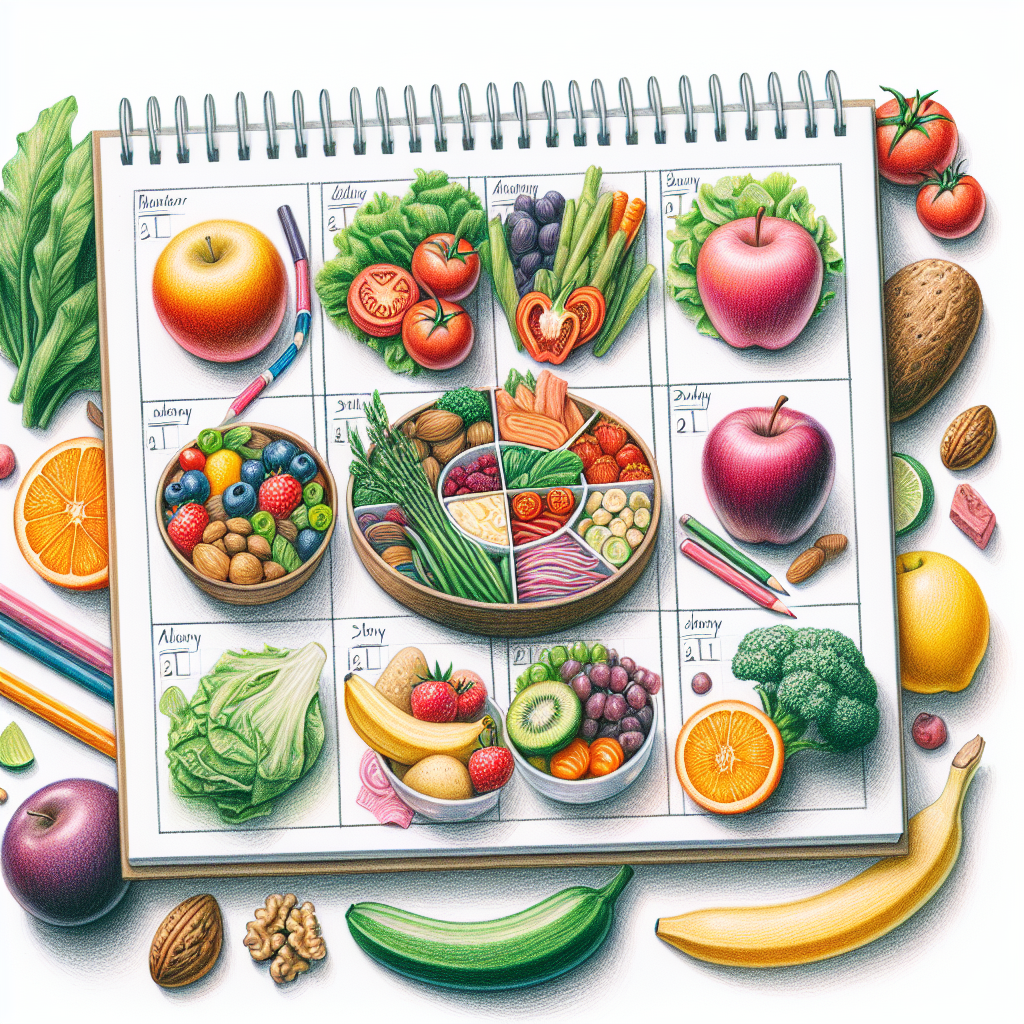
Here’s a straightforward weekly meal plan that promotes weight loss while ensuring you enjoy diverse, flavorful meals.

  • Day 1:
    • Breakfast: Overnight oats with berries and almond milk
    • Lunch: Grilled chicken salad with mixed greens and vinaigrette
    • Dinner: Baked salmon with sweet potatoes and steamed broccoli
  • Day 2:
    • Breakfast: Greek yogurt with honey and walnuts
    • Lunch: Quinoa bowl with black beans, corn, and avocado
    • Dinner: Stir-fried tofu with mixed vegetables
  • Day 3:
    • Breakfast: Smoothie with spinach, banana, and protein powder
    • Lunch: Turkey wrap with lettuce, tomato, and a side of carrot sticks
    • Dinner: Grilled shrimp with zucchini noodles
  • Day 4:
    • Breakfast: Scrambled eggs with spinach and whole-grain toast
    • Lunch: Lentil soup with a side of whole-grain crackers
    • Dinner: Chicken stir-fry with brown rice
  • Day 5:
    • Breakfast: Chia seed pudding with coconut flakes
    • Lunch: Salad with chickpeas, cucumbers, and feta cheese
    • Dinner: Baked cod with roasted asparagus
  • Day 6:
    • Breakfast: Quinoa porridge with almond milk and fruit
    • Lunch: Vegetable sushi rolls
    • Dinner: Grilled chicken thighs with mixed vegetables
  • Day 7:
    • Breakfast: Smoothie bowl topped with granola
    • Lunch: Zucchini and corn fritters with a side salad
    • Dinner: Stuffed bell peppers with ground turkey and rice

Practical Steps for Monitoring Progress

  • Meal Prep: Dedicate a few hours each week to prepare meals in advance. This reduces the temptation to indulge in unhealthy options.
  • Track Your Intake: Use a smartphone app or food diary to record what you eat. This accountability can provide insights into your eating patterns.
  • Stay Hydrated: Drink plenty of water throughout the day, which can aid digestion and curb unnecessary snacking.
  • Set Realistic Goals: Focus on progress rather than perfection. Aiming for 1-2 pounds per week is generally considered safe and sustainable.
  • Incorporate Exercise: Aim for at least 150 minutes of moderate-intensity aerobic activity per week, complemented by strength training.

When to Consult a Professional

If you experience rapid weight loss, extreme fatigue, or have underlying health conditions, it is essential to consult a healthcare professional. Additionally, if you find it challenging to achieve weight loss despite following a plan, a registered dietitian can provide personalized guidance tailored to your specific needs.

Common Myths About Meal Planning and Weight Loss

It’s crucial to dispel some common misconceptions surrounding meal planning and weight loss:

  • Myth: Skipping meals is an effective way to lose weight. Reality: Skipping meals can lead to overeating later and slow metabolism.
  • Myth: All fats are bad. Reality: Healthy fats, such as those found in avocados and nuts, can actually aid weight loss.
  • Myth: Carbs should be avoided entirely. Reality: Whole grains provide essential nutrients and should be included in moderation.
  • Myth: Drinking detox teas will lead to significant weight loss. Reality: Most detox teas do not provide lasting results without lifestyle changes.

Frequently Asked Questions

How many calories should I consume to lose weight?

The amount of calories varies based on age, sex, and activity level, but a reduction of 500-1000 calories per day generally leads to a safe weight loss of 1-2 pounds per week.

Can I lose weight without exercising?

While weight loss can be achieved through diet alone, incorporating exercise enhances results and improves overall health.

Is meal prepping time-consuming?

Meal prepping can be efficient with proper planning and can save time in the long run by having meals ready to go.

What should I do if I feel deprived on a diet?

Consider integrating small treats into your meal plan to satisfy cravings while maintaining your goals.

How often should I change my meal plan?

It’s advisable to reassess and modify your meal plan every few weeks to keep your diet exciting and ensure it aligns with your changing nutritional needs.

Will I regain weight after reaching my goal?

Weight maintenance requires ongoing healthy habits, including regular exercise and balanced eating. Establishing a sustainable lifestyle is key.

Conclusion

  • Structured meal plans streamline the weight loss journey.
  • Incorporating short, effective workouts significantly enhances results.
  • Monitoring progress helps maintain accountability and motivation.
  • Consulting professionals can provide specialized guidance when needed.
  • Dispelling myths is essential for a successful approach to weight loss.

As you embark on this journey, remember that consistency is vital. Embrace the small, manageable steps outlined here, and consider trying the SixPack workout program for 30 days for free to complement your meal plan effectively.

Author: John Angel
Related articles

Categories
Nutrition and Wellness

30-Day Healthy Meal Plan for Effective Weight Loss

30 Day Healthy Meal Plan for Weight Loss

Embarking on a weight loss journey requires commitment and a clear strategy. A structured meal plan can be a powerful ally, ensuring you nourish your body while shedding pounds. This article presents a comprehensive 30-day healthy meal plan designed specifically for weight loss, encapsulating balanced nutrition and practicality.

  • Understanding the Basics of a Healthy Meal Plan
  • 30-Day Meal Plan Overview
  • Shopping List for Success
  • Benefits of Short Workouts
  • When to Seek Professional Advice
  • Common Misconceptions about Meal Plans
  • FAQs
  • Conclusion

Understanding the Basics of a Healthy Meal Plan

A effective meal plan is centered on whole foods, incorporates a variety of nutrients, and is tailored to maintain satiety while promoting fat loss. It typically includes:

  • Lean Proteins: Chicken, turkey, legumes, and fish are excellent choices.
  • Whole Grains: Quinoa, brown rice, and whole grain bread provide essential fiber.
  • Fruits and Vegetables: Aim for a colorful variety for maximum vitamins and minerals.
  • Healthy Fats: Avocados, nuts, and olive oil support metabolic functions.

30-Day Meal Plan Overview

Below is a summarized weekly breakdown of the 30-day meal plan, featuring breakfast, lunch, and dinner ideas. This structure is designed to be enjoyable while fostering weight loss:

Week 1

  • Breakfast: Overnight oats with berries.
  • Lunch: Quinoa salad with chickpeas and bell peppers.
  • Dinner: Grilled chicken with steamed broccoli.

Week 2

  • Breakfast: Smoothie with spinach, banana, and almond milk.
  • Lunch: Lentil soup with whole grain bread.
  • Dinner: Baked salmon with asparagus.

Week 3

  • Breakfast: Greek yogurt with honey and nuts.
  • Lunch: Turkey wrap with lettuce, tomato, and avocado.
  • Dinner: Stir-fried tofu with vegetables.

Week 4

  • Breakfast: Chia seed pudding with fruit.
  • Lunch: Spinach and feta salad with grilled shrimp.
  • Dinner: Zucchini noodles with marinara sauce.

Shopping List for Success

To set yourself up for success, prepare a shopping list based on your meal plan. Here’s a comprehensive list of essentials:

  • Lean proteins: chicken, turkey, fish, legumes.
  • Whole grains: quinoa, brown rice, whole grain bread.
  • Fruits: berries, bananas, apples.
  • Vegetables: spinach, broccoli, bell peppers, zucchinis.
  • Healthy fats: avocados, nuts, olive oil.

Benefits of Short Workouts

Incorporating short, six-minute workouts into your daily routine can profoundly amplify the effects of your meal plan. These intensive sessions can:

  • Boost metabolism, enhancing fat burning.
  • Improve cardiovascular health.
  • Increase energy levels throughout the day.
  • Fit seamlessly into a busy schedule.

To explore how you can complement your meal plan with short workouts, consider registering for the SixPack workout program for 30 days for free.

When to Seek Professional Advice

While a structured meal plan can be highly effective, certain situations may warrant the assistance of a healthcare professional:

  • If you have underlying health conditions that affect diet, such as diabetes.
  • If you are experiencing significant weight fluctuations or emotional distress concerning food.
  • If you are contemplating drastic dietary changes or have specific nutritional needs.

Common Misconceptions about Meal Plans

The implementation of a meal plan often faces skepticism due to prevalent myths:

  • Myth: Meal plans are too restrictive.
  • Fact: A good meal plan promotes variety and can be adapted to individual tastes.
  • Myth: Meal plans are only for quick weight loss.
  • Fact: Sustainable meal planning fosters long-term healthy habits.

FAQs

What is the role of meal planning in weight loss?

Meal planning helps control portions and ensure balanced nutrition, making it easier to adhere to a weight loss regimen.

Are all meal plans the same?

No, effective meal plans are personalized based on individual dietary preferences, goals, and nutritional needs.

How important is exercise while following a meal plan?

Exercise complements a meal plan by enhancing weight loss, improving mood, and maintaining overall health.

Can meal planning lead to nutrient deficiencies?

If not done correctly, yes. It is crucial to include a variety of foods to cover all nutrient bases.

How often should I update my meal plan?

It is advisable to review and adjust your meal plan every few weeks based on results and changing needs.

Are there any quick meals I can prepare?

Yes, consider quick recipes like salads, smoothies, or stir-fries, which can be healthy and satisfying.

Conclusion

  • Structured meal planning is essential for effective weight loss.
  • A 30-day plan can provide motivation and direction.
  • Short, six-minute workouts significantly enhance the benefits of your meal plan.
  • Consult a professional for personalized advice when necessary.
  • Address misconceptions to fully embrace the benefits of meal planning.

As you embark on your weight loss journey, consider not only your meal choices but also how you integrate physical activity into your daily life. For a transformative experience, register for the SixPack workout program for 30 days for free and make the most of your efforts.

Author: John Angel

Related articles

Categories
Nutrition and Wellness

30-Day Weight Loss Meal Plan for Healthy Living

30 Weight Loss Meal Plan: A Comprehensive Guide

Embarking on a weight loss journey requires not just dedication, but also a structured meal plan. This article presents a 30-day weight loss meal plan to optimize your nutrition, promote healthy eating habits, and support effective weight management. By incorporating this meal plan, you can streamline your eating habits, boost your energy levels, and inch closer to your health goals.

  • Understanding the 30-Day Meal Plan
  • Building a Balanced Plate
  • Weekly Overview of Meals
  • Incorporating Exercise into Your Journey
  • When to Seek Professional Guidance
  • Common Misconceptions About Weight Loss
  • Frequently Asked Questions

Understanding the 30-Day Meal Plan

The essence of a 30-day weight loss meal plan lies in its simplicity and adaptability. It typically includes a variety of food groups, focusing on whole foods that are nutrient-dense. A successful plan will promote a caloric deficit without compromising essential nutrients. Here’s what you can expect:

  • A mix of proteins, healthy fats, and carbohydrates.
  • Daily meals prepared with whole ingredients.
  • Guidelines for portion control.
  • Flexible recipes that accommodate personal preferences and dietary restrictions.

Building a Balanced Plate

Understanding how to build a balanced plate is crucial for effective weight loss. Each meal should ideally consist of:

  • Proteins: Lean meats, legumes, or dairy for muscle repair and satiety.
  • Whole Grains: Brown rice, quinoa, or whole-grain bread for energy.
  • Fruits and Vegetables: A colorful variety to provide vitamins, minerals, and fiber.
  • Healthy Fats: Avocado, nuts, or olive oil for overall health and satisfaction.

Weekly Overview of Meals

Here’s a simple weekly overview, which you can modify according to your preferences:

Week 1

  • Day 1: Grilled chicken salad with a variety of vegetables and olive oil dressing.
  • Day 2: Quinoa bowl with black beans, cherry tomatoes, and avocado.
  • Day 3: Stir-fried tofu with mixed vegetables over brown rice.
  • Day 4: Baked salmon with steamed broccoli and sweet potatoes.
  • Day 5: Whole grain wrap with turkey, spinach, and hummus.
  • Day 6: Lentil soup with a side of whole grain bread.
  • Day 7: Smoothie with spinach, banana, and almond milk.

Weeks 2-4

Continue mixing and matching meals from Week 1 while introducing new recipes. Ensure compliance with the dietary principles outlined, adjusting portions as necessary to maintain your caloric deficit.

Incorporating Exercise into Your Journey

In addition to following the meal plan, regular exercise can significantly enhance your weight loss efforts. Consider incorporating short workout sessions that fit seamlessly into your daily routine:

  • Six-Minute Home Workouts: These can be remarkably effective due to their convenience, allowing you to sculpt your body without requiring extensive time commitments. These workouts can elevate your heart rate and contribute to fat-burning.
  • Commit to a consistent routine that pairs well with your meal plan.

For a more structured exercise regimen, you might want to explore the SixPack workout program for 30 days for free. These short bursts of activity are designed to integrate easily into a busy lifestyle, providing immense health benefits without demanding overwhelming time.

When to Seek Professional Guidance

Consulting with a healthcare provider or a registered dietitian is advisable when:

  • You have specific dietary restrictions.
  • Your weight loss journey is accompanied by health issues.
  • You experience unhealthy cravings or emotional eating patterns.
  • Traditional strategies have proven ineffective after extended efforts.

Common Misconceptions About Weight Loss

Numerous myths surround weight loss that can hinder progress:

  • All calories are equal: Quality matters; whole foods provide more nutrients than processed options.
  • Carbs are the enemy: Healthy carbohydrates are essential for energy and should not be eliminated.
  • Fat should be avoided: Healthy fats are crucial for overall health.
  • Weight loss occurs linearly: Expect fluctuations and focus on overall trends rather than daily changes.

Frequently Asked Questions

What should I include in my weight loss meal plan?

Your meal plan should include a balance of proteins, healthy fats, whole grains, fruits, and vegetables.

How can I stay motivated during my weight loss journey?

Set clear goals, track your progress, and incorporate exercises you enjoy.

What is a healthy calorie deficit for weight loss?

A deficit of 500-1000 calories per day is generally recommended for safe and sustainable weight loss.

Can I include snacks in my meal plan?

Yes, healthy snacks can help control hunger and provide necessary nutrients.

Should I count macros during my weight loss journey?

Counting macros can be beneficial, but it’s not necessary for everyone. Focus on whole foods first.

How can I resist cravings while following the meal plan?

Focus on hydration, choose nutritious alternatives, and keep a structured eating schedule to manage cravings better.

Conclusion

  • A 30-day weight loss meal plan provides structure and helps in achieving your goals.
  • Building a balanced plate is essential for nutrition and satisfaction.
  • Incorporating exercise, particularly short intense workouts, enhances weight loss results.
  • Seeking professional guidance is important when facing challenges.
  • Addressing common misconceptions can improve your weight loss approach.

Embark on your weight loss journey with informed choices and actionable steps. For a structured, holistic approach to fitness and nutrition, consider registering for the SixPack workout program for 30 days for free. Together, we can pave the way to a healthier, more fulfilling lifestyle.

Author: John Angel

Related articles

Categories
Health and Nutrition

Daily Meal Plan for Effective Weight Loss

Embarking on a weight loss journey requires a thoughtful approach to nutrition. A daily meal plan for weight loss not only facilitates calorie control but also encourages the intake of nutrient-dense foods that keep you satiated. This article will provide a comprehensive guide to crafting an effective meal plan, supplemented by the dynamic benefits of short, six-minute workouts. These workouts can seamlessly fit into your daily routine, providing a boost to both your physical and mental well-being.

  • Understanding the Basics of a Meal Plan
  • A Sample Daily Meal Plan for Weight Loss
  • The Magic of Six-Minute Workouts
  • Practical Tips for Sticking to Your Meal Plan
  • When to Consult a Professional
  • Common Myths about Weight Loss
  • FAQ

Understanding the Basics of a Meal Plan

A meal plan for weight loss primarily emphasizes the balance of macronutrients—carbohydrates, proteins, and fats—while being mindful of overall caloric intake. It is essential to create a sustainable approach rather than opting for extreme dieting, which can lead to detrimental health effects.

A well-rounded meal plan helps to ensure you are getting enough vitamins and minerals and also assists in regulating hunger throughout the day. Remember, the goal is not merely to eat less but to eat smart.

A Sample Daily Meal Plan for Weight Loss

This sample meal plan incorporates various food groups and is designed to be simple yet effective:

  • Breakfast: Overnight oats made with rolled oats, almond milk, chia seeds, and topped with fresh fruits.
  • Morning Snack: A small handful of mixed nuts or a piece of fruit, such as an apple or a banana.
  • Lunch: Grilled chicken breast on a bed of mixed greens, with cherry tomatoes, cucumbers, and a light vinaigrette dressing.
  • Afternoon Snack: Greek yogurt with a drizzle of honey and a sprinkle of brown cinnamon.
  • Dinner: Baked salmon with steamed broccoli and quinoa.
  • Evening Snack: A small bowl of air-popped popcorn or a few squares of dark chocolate for a sweet finish.

The Magic of Six-Minute Workouts

Integrating exercise into your daily routine does not have to be time-consuming. The magic of six-minute short workouts is their ability to deliver effective training in a fraction of the time. These workouts can significantly elevate your heart rate, boost metabolism, and improve overall physical fitness.

Six-minute workouts are particularly advantageous as they can be performed at home, requiring minimal to no equipment. This accessibility promotes consistency, helping to reinforce habits that support your weight loss journey. Imagine squeezing in a quick workout during your lunch break or just before dinner—every bit contributes to your fitness goals.

Practical Tips for Sticking to Your Meal Plan

  • Set clear, achievable goals regarding your weight loss journey.
  • Prep your meals in advance to avoid impulsive eating decisions.
  • Keep a food diary to track your meals and snacks.
  • Stay hydrated; sometimes thirst can be mistaken for hunger.
  • Be flexible; allow yourself occasional treats to maintain motivation.

When to Consult a Professional

If you experience significant weight fluctuations, persistent fatigue, or any other concerning signs while on your weight loss journey, it is essential to consult a qualified health professional. They can offer personalized guidance tailored to your unique needs and ensure that any underlying health issues are appropriately addressed.

Common Myths about Weight Loss

Understanding what constitutes effective weight loss can be clouded by misconceptions. Here are a few myths to clarify:

  • Myth: Skipping meals aids in weight loss. Fact: This often leads to increased hunger and may result in overeating later.
  • Myth: All calories are created equal. Fact: Nutritional content plays a crucial role in overall health, not just caloric numbers.
  • Myth: You must exercise for hours every day. Fact: Short, effective workouts can be just as beneficial.

FAQ

What is the best approach to starting a meal plan for weight loss?

Begin by understanding your caloric needs and select nutrient-dense foods that keep you full and satisfied.

Can I lose weight without exercising?

While it is possible, combining proper nutrition with exercise significantly enhances weight loss results and overall health.

How do I handle cravings while on a meal plan?

Allowing yourself occasional treats can help manage cravings. Additionally, staying hydrated can minimize false hunger signals.

Is it healthy to lose weight quickly?

Rapid weight loss can often lead to muscle loss and nutritional deficiencies. A gradual approach is more sustainable and healthier.

Should I track my calories daily?

Tracking can help you stay accountable and understand your eating habits, but it’s not necessary for everyone.

How can I stay motivated during my weight loss journey?

Set small, achievable milestones and celebrate your progress. Engaging with communities or workout programs can also provide strong support.

Conclusion

  • Crafting a tailored meal plan is crucial for a successful weight loss journey.
  • Short six-minute workouts can fit easily into your daily routine, maximizing effectiveness.
  • Prior planning and knowledge are key to maintaining consistency and motivation.
  • Consult a professional if encountering significant health concerns during your journey.
  • Challenge common myths and equip yourself with accurate information to foster success.

Ready to elevate your fitness game? Discover the transformative power of six-minute workouts by joining the SixPack workout program for free!

Register now to kickstart your journey!

Author: John Angel

Categories
Weight Loss

Comprehensive Full-Day Weight Loss Plan

Embarking on a weight loss journey can feel daunting, but structured planning significantly enhances your chances of success. This full-day plan is crafted to provide you with balanced nutrition and efficient exercise strategies that fit seamlessly into your lifestyle. By incorporating short, powerful workouts like those found in the SixPack workout program available for 30 days for free, you can experience transformations without extensive time commitments. This article details a comprehensive weight loss plan for the entire day—ensuring you stay energized, motivated, and on course throughout your journey.

  • Understanding Your Daily Caloric Needs
  • The Importance of Balanced Meals
  • Incorporating Short Workouts
  • Sample Full-Day Meal Plan
  • Common Myths and Misconceptions
  • When to Consult a Professional
  • Frequently Asked Questions

Understanding Your Daily Caloric Needs

Before diving into a weight loss plan, it is crucial to comprehend your caloric requirements. Each individual’s needs depend on various factors, including age, gender, activity level, and metabolic rate. Generally, to lose weight, one must consume fewer calories than they expend. A caloric deficit of 500 calories per day typically results in a loss of about one pound per week.

The Importance of Balanced Meals

Instead of focusing solely on calorie reduction, maintaining a balanced diet is essential. A balanced meal consists of lean proteins, whole grains, healthy fats, and a variety of fruits and vegetables. This combination not only helps keep you full but also provides essential nutrients needed for overall wellness.

Incorporating Short Workouts

Integrating short, intense workouts into your daily schedule promotes metabolic activity and enhances overall fat loss. The magic of six-minute short workouts at home lies in their efficiency; you can engage in substantial physical activity without the hurdle of lengthy sessions at the gym. These quick bursts of exercise can reduce stress and boost energy levels, making them manageable even on the busiest days.

Benefits of Short Workouts

  • Time-efficient: Fit into any schedule.
  • Boosts metabolism: Increases calorie burn even post-exercise.
  • Improves mood: Releases endorphins that enhance happiness.
  • Enhances cardiovascular fitness: Beneficial for heart health.
  • Flexibility: Can be done anywhere with minimal equipment.

Sample Full-Day Meal Plan

To assist in your weight loss journey, here is a practical full-day meal plan you can follow:

  • Breakfast: Scrambled eggs with spinach and a slice of whole-grain toast.
  • Mid-Morning Snack: A small apple with a tablespoon of natural almond butter.
  • Lunch: Grilled chicken salad with mixed greens, cherry tomatoes, cucumber, and olive oil dressing.
  • Afternoon Snack: Greek yogurt with a sprinkle of berries.
  • Dinner: Baked salmon with quinoa and steamed broccoli.
  • Evening Snack: A handful of raw nuts or carrot sticks.

When to Consult a Professional

While many can manage their weight loss journey independently, there are instances when professional consultation is advised. Seek guidance if you experience:

  • An eating disorder or unhealthy relationship with food.
  • Significant weight fluctuations unexplained by lifestyle changes.
  • Persistent fatigue, anxiety, or depression.
  • Underlying medical conditions affecting weight.
  • Uncertainty regarding diet plans and exercise regimes.

Common Myths and Misconceptions

It is important to dispel common misunderstandings about weight loss to create a successful journey:

  • Myth 1: Carbs are the enemy. In reality, whole grains provide essential energy.
  • Myth 2: Skipping meals aids weight loss. This can impair metabolism and energy levels.
  • Myth 3: Any exercise is better than none. Quality and intensity can significantly impact results.
  • Myth 4: Supplements are necessary for weight loss. A balanced diet can provide all essential nutrients.

Frequently Asked Questions

What is the safest rate of weight loss?

The safest and most sustainable rate of weight loss is generally about 1-2 pounds per week.

How much exercise do I need to lose weight?

A combination of at least 150 minutes of moderate or 75 minutes of vigorous exercise per week, along with dietary adjustments, is recommended.

Are meal replacements a good idea?

Meal replacements can be effective for some; however, they should not substitute a balanced diet long-term.

Can I lose weight without exercising?

Weight loss is possible through dietary changes alone, but exercise adds additional benefits and aids maintenance.

What role does sleep play in weight loss?

Quality sleep is critical for regulating hormones that control appetite and metabolism.

How can I stay motivated on my weight loss journey?

Setting realistic goals, tracking progress, and celebrating small victories can help maintain motivation.

Conclusion

  • Understanding caloric needs is vital for appropriate weight management.
  • Incorporating balanced meals provides necessary nutrients and supports energy levels.
  • Short, effective workouts can seamlessly enhance weight loss without overwhelming time commitments.
  • Consulting a professional may be crucial under specific circumstances.
  • Debunking myths and misconceptions empowers you to take accurate measures towards your goals.

To discover more effective strategies and short workouts, consider exploring the SixPack workout program available for 30 days for free. Your weight loss journey can be streamlined for success with the right information and support!

Author: John Angel

Related articles

Categories
Weight Loss

Effective Healthy Meal Plan for Weight Loss Success

Healthy Meal Plan for Weight Loss

Embarking on a weight loss journey can be daunting, yet with the right plan and mindset, it can transform into an empowering and enriching experience. This article outlines a sustainable healthy meal plan tailored for weight loss, focusing on practical guidance and delicious options. By incorporating nutritious foods into your diet, you set the stage for lasting change while enjoying each meal.

  • Understanding the Components of a Healthy Meal Plan
  • Daily Meal Structure
  • Sample Meal Plan for a Week
  • Five Practical Steps to Implement Your Plan
  • When to Consult a Professional
  • Common Myths About Weight Loss Diets
  • Frequently Asked Questions
  • Conclusion and Next Steps

Understanding the Components of a Healthy Meal Plan

A healthy meal plan for weight loss emphasizes balance, variety, and moderation. The main components include:

  • Fruits and Vegetables: Rich in vitamins, minerals, and fiber, essential for overall health.
  • Whole Grains: Provide sustained energy and keep you feeling full longer.
  • Lean Proteins: Important for muscle maintenance and satiety.
  • Healthy Fats: Necessary for nutrient absorption and overall wellness.

Daily Meal Structure

A well-rounded daily meal structure is pivotal for maintaining energy levels and ensuring adequate nutrient intake throughout the day:

  • Breakfast: Kick-start your metabolism with a balanced meal.
  • Mid-Morning Snack: Light and nutritious to avoid energy crashes.
  • Lunch: A substantial meal with proteins, vegetables, and healthy carbs.
  • Afternoon Snack: A quick pick-me-up to keep you focused.
  • Dinner: A lighter meal that is still satisfying.

Sample Meal Plan for a Week

This sample meal plan covers a week of nutritious meals designed to aid in your weight loss journey. Adjust portions to fit your caloric needs.

Day 1

  • Breakfast: Oatmeal topped with berries and a sprinkle of almonds.
  • Snack: Greek yogurt with honey.
  • Lunch: Grilled chicken salad with mixed greens and vinaigrette.
  • Snack: Sliced apple with peanut butter.
  • Dinner: Baked salmon with quinoa and steamed broccoli.

Day 2

  • Breakfast: Smoothie with spinach, banana, and protein powder.
  • Snack: Handful of mixed nuts.
  • Lunch: Turkey wrap with whole grain tortilla and veggies.
  • Snack: Carrot sticks with hummus.
  • Dinner: Stir-fried tofu with bell peppers, served over brown rice.

Five Practical Steps to Implement Your Plan

Embarking on your meal plan can be simplified with the following steps:

  1. Plan Ahead: Map out your meals and snacks for the week.
  2. Meal Prep: Prepare meals in advance to save time during busy days.
  3. Portion Control: Be mindful of portion sizes to manage caloric intake.
  4. Stay Hydrated: Drink plenty of water throughout the day.
  5. Incorporate Regular Workouts: Pair your meal plan with physical activity for better results. Join the SixPack workout program for 30 days for free, which offers six-minute short workouts perfect for busy lifestyles.

When to Consult a Professional

It is vital to consider consulting a healthcare professional if you experience any of the following:

  • Significant weight fluctuations without intention.
  • Persistent fatigue or low energy levels.
  • Discomfort or pain after eating.
  • Behavioral or psychological concerns related to eating.

Common Myths About Weight Loss Diets

Debunking misconceptions can empower your weight loss journey:

  • Myth 1: Carbs are always bad. Fact: Whole grains are an important energy source.
  • Myth 2: Skipping meals will help you lose weight. Fact: It can lead to overeating later.
  • Myth 3: All fats are unhealthy. Fact: Healthy fats are essential for your body.
  • Myth 4: Supplements can replace healthy eating. Fact: Whole foods provide nutrients that supplements cannot replicate.

Frequently Asked Questions

What is the ideal calorie intake for weight loss?

Calorie needs vary based on factors like age, gender, and activity level. Generally, a deficit of 500-1000 calories per day can lead to safe weight loss of about 1-2 pounds per week.

How often should I eat?

It’s advisable to eat regularly throughout the day, aiming for 5-6 smaller meals and snacks to maintain energy levels and prevent hunger.

Can I still enjoy treats while losing weight?

Yes, moderation is key. Allowing occasional treats can help you sustain your diet in the long term.

Is weight loss faster with restrictive diets?

While restrictive diets may lead to short-term weight loss, they are often unsustainable and can lead to weight regain.

Do I need to exercise to lose weight?

While diet plays a critical role, combining a balanced meal plan with exercise enhances weight loss and improves overall health.

How can I curb late-night snacking?

Establishing a regular eating schedule and ensuring proper hydration can help minimize late-night cravings.

Conclusion and Next Steps

  • Prioritize a balanced diet rich in whole foods.
  • Implement practical meal prepping strategies.
  • Stay mindful of portion sizes to control caloric intake.
  • Incorporate physical activity, such as the SixPack workout program for 30 days for free, into your routine.
  • Consult a professional if you experience concerning symptoms or difficulties in your weight loss journey.

Taking the first step on your weight loss journey is empowering. Allow yourself the grace to enjoy the process and remember that every small change contributes to significant outcomes.

Author: John Angel

Related articles

Categories
Weight Loss

Beginner’s Weight Loss Meal Plan and Quick Workouts

Embarking on a weight loss journey can often seem daunting, particularly for those just starting. A structured meal plan, coupled with effective workouts, can pave the way for transformative results. In this article, we will explore a beginner-friendly meal plan aimed at promoting weight loss and provide insights on how short, yet impactful, six-minute workouts can seamlessly fit into your daily routine.

  • Understanding the Basics of a Meal Plan
  • Key Components of a Weight Loss Meal Plan
  • Sample Meal Plan for Beginners
  • Six-Minute Workouts: Maximizing Your Efforts
  • Consulting with a Professional
  • Myths and Mistakes in Weight Loss
  • Frequently Asked Questions

Understanding the Basics of a Meal Plan

A meal plan is essentially a guide that helps you structure your intake of food to meet your specific health and weight loss goals. For beginners, the focus should be on balanced nutrition—ensuring that the body receives adequate macronutrients (carbohydrates, proteins, and fats) and micronutrients (vitamins and minerals).

Key Components of a Weight Loss Meal Plan

When designing a meal plan for weight loss, consider the following components:

  • Caloric Deficit: Consume fewer calories than you expend to lose weight.
  • Whole Foods: Focus on unprocessed, nutrient-dense foods like vegetables, fruits, lean proteins, and whole grains.
  • Meal Timing: Regular, balanced meals can help maintain metabolism and curb cravings.
  • Hydration: Drinking sufficient water is crucial for overall health and weight loss.
  • Mindful Eating: Pay attention to hunger cues and avoid distractions during meals.

Sample Meal Plan for Beginners

An effective weight loss meal plan can be simple yet satisfying. Below is a one-week sample meal plan designed for beginners:

Day 1

  • Breakfast: Greek yogurt with mixed berries
  • Lunch: Grilled chicken salad with vinaigrette
  • Dinner: Baked salmon with steamed broccoli
  • Snack: A handful of almonds

Day 2

  • Breakfast: Oatmeal with sliced banana
  • Lunch: Quinoa and black bean bowl
  • Dinner: Stir-fried vegetables with tofu
  • Snack: Carrot sticks with hummus

Six-Minute Workouts: Maximizing Your Efforts

In conjunction with your meal plan, incorporating short workouts can significantly enhance your weight loss journey. The magic of six-minute workouts lies in their efficiency and accessibility. Whether you are at home, in the office, or while traveling, these brief yet intense sessions can elevate your heart rate, boost metabolism, and foster a sense of achievement. Utilizing bodyweight exercises or quick circuit training can yield remarkable results without the need for extensive time commitments.

Are you curious to experience the impact of these workouts? You can register for the SixPack workout program for 30 days for free and integrate these short sessions into your routine.

Consulting with a Professional

While a well-structured meal plan and short workouts can yield results, certain circumstances necessitate professional guidance. It is advisable to consult with a healthcare provider if:

  • You have underlying health conditions.
  • You are on medication that affects your metabolism.
  • You are pregnant or nursing.
  • You experience significant weight fluctuations.
  • You have concerns about your mental health, such as disordered eating patterns.

Myths and Mistakes in Weight Loss

Misconceptions about weight loss can often derail efforts. Being aware of common myths is crucial:

  • All calories are created equal: The source of calories matters; nutrient-dense foods nourish your body more effectively.
  • Carbs are bad: Healthy carbohydrates are essential for energy; focus on whole grains rather than refined sugars.
  • Snacking will ruin my diet: Healthy snacks can manage hunger and support weight loss if chosen wisely.
  • Extreme caloric restriction is effective: Drastic reductions can slow metabolism and lead to binge eating.
  • High-intensity workouts are the only option: Moderate activities are beneficial and sustainable.

Frequently Asked Questions

1. How many calories should I eat for weight loss?

Your caloric needs vary; generally, a deficit of 500-1000 calories per day leads to a healthy weight loss of 1-2 pounds per week.

2. Can I lose weight without exercising?

Weight loss is primarily achieved through diet, but incorporating exercise enhances results and promotes overall health.

3. How do I avoid cravings?

Stay hydrated, eat balanced meals, and incorporate protein and fiber to help control cravings.

4. Is weight loss faster with a low-carb diet?

While some find success with low-carb diets, balanced nutrition is generally more sustainable and healthier.

5. What snacks are best for weight loss?

Opt for fruits, raw vegetables, Greek yogurt, or nuts in moderation for nutritious snacking.

6. How do I stay motivated on my weight loss journey?

Set achievable goals, track your progress, and consider support groups or programs to maintain motivation.

Conclusion

  • Establish a balanced meal plan that focuses on whole foods.
  • Incorporate six-minute workouts to enhance your routine.
  • Stay hydrated and practice mindful eating.
  • Consult a professional when necessary to ensure a safe and effective approach.
  • Be aware of common myths to avoid setbacks.

Embarking on your weight loss journey can be rewarding and fulfilling. Take the first step by creating your personalized meal plan and incorporating short workouts into your day. Remember, you can register for the SixPack workout program for 30 days for free and transform your approach to fitness and health.

Author: John Angel

Related articles

Categories
Fitness

Effective Meal Plan for Body Fat Loss Success

Embarking on a weight loss journey can often seem overwhelming, but a well-structured meal plan can significantly simplify the process. By implementing a focused approach to your meals, you can effectively promote body fat loss while still enjoying diverse and nutritious foods. This article will guide you through the essentials of a sustainable meal plan, enriched by the magic of six-minute short workouts at home, allowing you to maximize your efforts in a minimal time frame.

  • Understanding Body Fat Loss
  • Creating a Sustainable Meal Plan
  • The Role of Short Workouts
  • Practical Steps for Effective Fat Loss
  • Consulting a Professional: When to Seek Help
  • Common Misconceptions about Weight Loss
  • FAQs
  • Conclusion

Understanding Body Fat Loss

Body fat loss occurs through a caloric deficit, where the number of calories consumed is less than the number burned. Achieving this requires a combination of dietary changes and physical activity. A well-rounded meal plan not only supports weight loss but also provides essential nutrients that fuel your body, improving overall health and well-being.

Creating a Sustainable Meal Plan

A successful meal plan for body fat loss is both practical and enjoyable. It should be designed to fit your lifestyle while incorporating a variety of foods that satisfy cravings and nutritional needs. Here are several key components:

  • Focus on Whole Foods: Prioritize fruits, vegetables, whole grains, lean proteins, and healthy fats. These foods are nutrient-dense and help keep you satiated.
  • Control Portion Sizes: Be mindful of serving sizes to avoid excessive calorie intake. Using smaller plates can help manage portions.
  • Maintain Consistency: Planning meals ahead of time will reduce the likelihood of impulsive eating choices.
  • Include Snacks Wisely: Incorporate healthy snacks to stave off hunger between meals, such as nuts or yogurt.

The Role of Short Workouts

Incorporating six-minute workout sessions into your daily routine can be revolutionary. These short bursts of high-intensity fitness require minimal time commitment and can be performed in the comfort of your home. The magic lies in their ability to:

  • Boost Metabolism: Short workouts elevate your heart rate and metabolic rate, promoting greater calorie burn.
  • Fit into Busy Schedules: They can easily be integrated into even the busiest days, ensuring you never miss a workout.
  • Enhance Mood: Physical activity releases endorphins, improving mental clarity and motivation on your weight loss journey.

Ready to transform your routine? Register for the free 30-day SixPack workout program and discover how powerful just six minutes can be.

Practical Steps for Effective Fat Loss

To further assist you in your weight loss journey, here are concrete steps to create your personalized meal plan combined with effective short workouts:

  1. Set a Realistic Goal: Determine how much weight you would like to lose and set a timeframe.
  2. Plan Your Meals: Prepare a weekly meal plan that aligns with your goals and includes a variety of foods.
  3. Prepare Your Environment: Stock your kitchen with healthy ingredients and remove temptations.
  4. Schedule Your Workouts: Dedicate specific times each day for your six-minute sessions.
  5. Track Your Progress: Maintain a journal to log your meals and workouts, noting what works and what doesn’t.

Consulting a Professional: When to Seek Help

While self-guided meal planning and workout regimens can be effective, certain signs may require you to seek help from a qualified professional:

  • If you experience unusual fatigue or health issues.
  • If you struggle to lose weight despite effort, indicating potential underlying health concerns.
  • If you feel overwhelmed and are unable to create a balanced meal plan.
  • If you have specific dietary restrictions that complicate your meal planning.

Common Misconceptions about Weight Loss

Debunking common myths can clarify the path to effective fat loss:

  • Myth: You must drastically reduce calories to lose weight. Fact: Sustainable weight loss occurs through balanced eating and careful portion control.
  • Myth: Carbohydrates are unhealthy and should be avoided. Fact: Whole grains are essential for energy and should be included in moderation.
  • Myth: Exercising alone is sufficient for weight loss. Fact: A combination of healthy eating and exercise is crucial for long-term success.

FAQs

What is the best approach to start a weight loss journey?

Begin with setting realistic goals, creating a balanced meal plan, and incorporating regular physical activity.

How many calories should I consume for effective fat loss?

This can vary based on individual factors; consulting a registered dietitian can provide personalized guidance.

Can short workouts be effective for weight loss?

Yes, short, high-intensity workouts can effectively boost metabolism and promote fat loss.

Is it necessary to eliminate all indulgent foods?

No, moderation is key. Allowing occasional treats can help sustain long-term adherence to your plan.

How often should I work out to see results?

Aiming for at least 150 minutes of moderate aerobic activity or 75 minutes of vigorous activity per week, along with strength training, is recommended.

What if I don’t see results quickly?

Weight loss is a gradual process. Stay consistent, reassess your approaches, and consider seeking professional advice if necessary.

Conclusion

  • Implementing a structured meal plan is essential for successful fat loss.
  • Six-minute short workouts can significantly enhance your weight loss journey with minimal time commitment.
  • Mindful eating and avoiding common myths can facilitate better results.
  • Tracking progress and adjusting plans can lead to sustainable lifestyle changes.
  • Consulting a professional can provide needed support when challenges arise.

As you embark on your weight loss journey, remember that every individual’s path is unique. Take actionable steps today, and consider joining the free 30-day SixPack workout program to maximize your efforts. Your journey to a healthier you starts now.

Author: John Angel

Related articles

Categories
Weight Loss

30-Day Weight Loss Meal Plan for Effective Results

30 Day Weight Loss Challenge Meal Plan

Embarking on a weight loss journey can often feel overwhelming, but with a structured plan, success becomes attainable. This article outlines a comprehensive 30-day meal plan that not only supports weight loss but also improves overall health. The journey can be exhilarating, especially when you leverage quick and efficient workouts at home, such as the magic of six-minute sessions. These brief yet effective workouts can be seamlessly integrated into your daily routine, enhancing your transformation while simplifying your path to wellness. For those seeking a push, discover the SixPack workout program for 30 days for free.

  • Understanding the Importance of Meal Planning
  • 30-Day Meal Plan Overview
  • Incorporating Quick Workouts into Your Routine
  • Common Mistakes in Weight Loss Journeys
  • When to Consult a Professional
  • Frequently Asked Questions

Understanding the Importance of Meal Planning

Meal planning plays a crucial role in weight loss, as it allows for mindful eating, reduces stress while grocery shopping, and helps to avoid impulsive food choices. By investing a little time each week to plan meals, one can not only achieve desired weight loss but also ensure better nutrition. This is particularly important as it can help maintain consistent energy levels for the rapid six-minute workouts that energize your entire day.

30-Day Meal Plan Overview

The following meal plan is designed to provide a balanced approach, emphasizing whole foods while keeping within a caloric deficit necessary for weight loss. This plan features a variety of proteins, healthy fats, and carbohydrates to ensure a holistic nutritional profile.

  1. Week 1: Focus on establishing healthy habits. Here’s a sample daily menu:
  • Breakfast: Overnight oats with berries and nuts
  • Lunch: Grilled chicken salad with a vinaigrette
  • Dinner: Baked salmon with steamed broccoli and quinoa
  • Snacks: Hummus with carrots
  • Weeks 2-3: Introduce more variety while maintaining portions.
    • Breakfast: Smoothie with spinach, banana, and almond milk
    • Lunch: Turkey wrap with vegetables
    • Dinner: Stir-fried tofu with brown rice and mixed vegetables
    • Snacks: Greek yogurt with honey
  • Week 4: Refine and prepare to transition to sustainable eating habits.
    • Breakfast: Scrambled eggs with avocado
    • Lunch: Quinoa bowl with black beans and salsa
    • Dinner: Grilled shrimp with zucchini noodles
    • Snacks: Almonds or a piece of fruit

    Incorporating Quick Workouts into Your Routine

    The six-minute workouts are a game-changer for anyone with a busy lifestyle. These brief sessions can be done at home and require no elaborate equipment, making them accessible to all. The benefits of engaging in such short workouts include:

    • Increased metabolic rate
    • Enhancing cardiovascular health
    • Improved mood and energy levels
    • Simplified integration into daily routines

    To fully experience the benefits, you can find the SixPack workout program for 30 days for free, which seamlessly pairs with your meal plan.

    Common Mistakes in Weight Loss Journeys

    As individuals embark on their weight loss journey, several misconceptions may disrupt progress:

    • Believing in “quick fixes” instead of sustainable changes.
    • Over-restricting calories, leading to burnout.
    • Neglecting exercise in favor of dieting alone.
    • Skipping meals, which can lead to overeating later.

    Acknowledge these pitfalls to set yourself on a path to success. Incorporate healthy habits gradually and consistently.

    When to Consult a Professional

    If you encounter the following scenarios, it may be time to consult a healthcare professional:

    • Ongoing fatigue despite adequate nutrition.
    • Unintentional weight loss or gain.
    • Emotional distress related to food or body image.
    • Medical conditions that could affect diet or exercise.

    Prioritize your health and seek guidance to ensure your weight loss journey is both safe and effective.

    Frequently Asked Questions

    What is the best approach to start a weight loss journey?

    Focus on a balanced diet combined with regular exercise. Meal planning plays a key role in this process.

    How much weight can I realistically lose in 30 days?

    Expect to lose about 1-2 pounds per week depending on individual factors and commitment.

    Can I substitute meal ingredients based on personal preferences?

    Absolutely! Replace items with similar nutritional values to keep meals enjoyable.

    How do six-minute workouts benefit my routine?

    They provide a quick and efficient way to engage all major muscle groups, boosting metabolism and energy levels.

    Is it necessary to count calories during my weight loss journey?

    While not mandatory, tracking calories can help develop mindful eating habits.

    What if I hit a plateau in my weight loss?

    Reevaluating and adjusting your calorie intake or exercise routine may help overcome the plateau.

    Conclusion

    • Meal planning is essential for successful weight loss.
    • A balanced meal plan promotes health and supports your weight loss journey.
    • Incorporate quick workouts to maximize efficiency and results.
    • Avoid common pitfalls through education and commitment.
    • Consult professionals when necessary to ensure a safe journey.

    Embarking on your weight loss journey with a well-defined meal plan and efficient workout routine can lead to transformative results. Begin today by leveraging the SixPack workout program for 30 days for free and take the first step towards a healthier you.

    Author: John Angel

    Related articles

    Categories
    Weight Loss

    30-Day Fat Loss Meal Plan with Short Workouts

    Embarking on a weight loss journey can often feel overwhelming. A structured meal plan paired with effective, short workout sessions can significantly streamline this process. This article outlines a 30-day fat loss meal plan designed to facilitate safe and sustainable weight loss while emphasizing the power of six-minute workouts at home. By merging nutrition and efficient exercise, you can enhance your daily life and achieve your goals more effectively.

    • Introduction to the Meal Plan
    • Understanding the Science of Fat Loss
    • 30-Day Meal Plan Breakdown
    • The Superiority of Short Workouts
    • Common Mistakes in Weight Loss
    • When to Consult a Professional
    • FAQs
    • Conclusion and Call to Action

    Introduction to the Meal Plan

    This 30-day fat loss meal plan emphasizes balanced nutrition, making it easier for individuals to achieve their weight loss goals. It offers diverse meal options that include proteins, healthy fats, and carbohydrates in appropriate portions, ensuring satiety and nutritional adequacy. In combination with short, effective workouts, this plan aims to simplify the pursuit of a healthier lifestyle.

    Understanding the Science of Fat Loss

    Fat loss occurs when the body burns more calories than it consumes. A calorie deficit is the cornerstone of any effective weight loss strategy. This meal plan is designed to create a sustainable calorie deficit while providing essential nutrients. The importance of a mixed diet cannot be overstated, as it aids in maintaining energy levels and overall health during the weight loss journey.

    30-Day Meal Plan Breakdown

    The following 30-day meal plan is designed to be both simple and diverse. Each week has specific guidelines to ensure variety, thereby preventing diet fatigue.

    Week 1

    • Breakfast: Greek yogurt with berries and a sprinkle of nuts.
    • Lunch: Grilled chicken salad with mixed greens, cherry tomatoes, and vinaigrette.
    • Dinner: Baked salmon with steamed broccoli and quinoa.

    Week 2

    • Breakfast: Oatmeal with sliced bananas and a drizzle of honey.
    • Lunch: Turkey and avocado wrap with whole-wheat tortilla.
    • Dinner: Stir-fried tofu with mixed vegetables and brown rice.

    Week 3

    • Breakfast: Smoothie with spinach, protein powder, banana, and almond milk.
    • Lunch: Quinoa salad with black beans, corn, and cilantro-lime dressing.
    • Dinner: Baked chicken breast with sweet potato and asparagus.

    Week 4

    • Breakfast: Chia seed pudding with almond milk and fresh fruit.
    • Lunch: Lentil soup with whole-grain bread.
    • Dinner: Grilled shrimp with zucchini noodles and marinara.

    The Superiority of Short Workouts

    The magic of six-minute workouts lies in their efficiency and accessibility. These brief, concentrated sessions can be seamlessly integrated into a busy schedule, enabling individuals to stay active without feeling overwhelmed. Short workouts not only boost motivation and energy levels but also fit perfectly into a daily routine, making it easier to stick to your weight loss journey.

    Here are some benefits of short workouts:

    • Time-efficient, encouraging regular exercise.
    • Promote cardiovascular health and muscle maintenance.
    • Can be performed in the comfort of your home, requiring minimal or no equipment.
    • Boost mood and energy levels, enhancing overall productivity.
    Register for the SixPack workout program for 30 days for free

    to experience the benefits of these short workouts firsthand.

    Common Mistakes in Weight Loss

    Understanding common pitfalls is crucial for anyone on a weight loss journey. Here are key mistakes to avoid:

    • Skipping meals, which can lead to overeating later.
    • Relying solely on exercise for weight loss instead of combining it with a balanced diet.
    • Being too restrictive, which can lead to cravings and binge eating.
    • Failing to track progress, making it hard to stay accountable.

    When to Consult a Professional

    It’s essential to consult a qualified nutritionist or healthcare provider if you experience any of the following:

    • Persistent fatigue or weakness despite following a meal plan.
    • Significant weight loss without intentional effort.
    • Complications arising from underlying health conditions.
    • Severe cravings or emotional distress related to dieting.

    FAQs

    How many calories should I consume in a day for weight loss?

    This varies by individual. A common target is 1,200 to 1,500 calories daily for women and 1,500 to 2,000 for men, but it’s important to consult a professional for personalized guidance.

    Can I lose weight without exercising?

    While it’s possible, combining a balanced diet with exercise significantly enhances weight loss outcomes and overall health.

    What are healthy snacks for weight loss?

    Nutrious options include fruits, nuts, yogurt, and vegetables with hummus, which provide both satisfaction and essential nutrients.

    How do I stay motivated during my weight loss journey?

    Set achievable goals, track your progress, and celebrate small victories to maintain motivation throughout your journey.

    What should I drink while trying to lose weight?

    Focus on water, herbal teas, and black coffee while avoiding sugary drinks and excessive alcohol.

    How quickly can I expect to see results?

    Results vary per individual, but consistent efforts over a few weeks should yield visible changes in body composition and energy levels.

    Conclusion and Call to Action

    • Follow a balanced 30-day meal plan to create a calorie deficit.
    • Incorporate six-minute short workouts into your daily routine for maximum efficiency.
    • Avoid common mistakes that may hinder progress in your weight loss journey.
    • Seek professional advice when necessary to address any health concerns.
    • Stay motivated by setting realistic goals and tracking your progress.

    Are you ready to take your weight loss journey to the next level? Register for the SixPack workout program for 30 days for free and experience the transformation today!

    Author: John Angel

    Related articles

    Website analytics information

    We use Google Analytics 4 for visitor statistics. Analytics cookies require your consent, which you can change using the button above. The data controller is ZDRAVÍ S ÚSMĚVEM s.r.o., company ID 29283329, contact podpora@revolucnicviceni.cz. Google processes browser, device and page visit information. We do not send form field values to Analytics. How Google uses information · Google Privacy Policy.